
Living Planet Secrets That Could Change Everything
Living Planet Secrets That Could Change Everything
Beneath the surface of everyday life, our planet holds secrets that scientists are only beginning to uncover. From hidden ecosystems thriving in extreme conditions to unexpected ways nature influences human health, these discoveries are reshaping how we see the world. What once seemed stable and predictable now reveals layers of complexity and interconnection. Some findings even suggest that small changes in the environment can trigger massive ripple effects across societies and economies. As research deepens, it becomes clear that understanding the living planet is not just fascinating—it could change the course of our future.
Living Planet Mysteries Hidden in Plain Sight
The world around us is buzzing with secrets, even in places we walk past every day. Nature doesn’t always shout its wonders. Instead, it hides them in plain sight. From the smallest insect to the tallest tree, life is full of mysteries waiting to be noticed.
We often think of discovery as something that happens in faraway jungles or the depths of the ocean. But here’s the surprise: incredible discoveries can be made right outside your window. The living planet is constantly revealing itself in tiny ways—if you know how to look.
The Unexpected in the Everyday
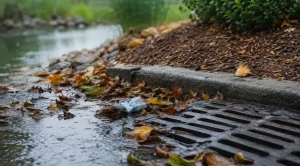
Take the cracks in a city sidewalk. They might seem ordinary, yet those cracks can hold tiny ecosystems. Moss, ants, and even seeds waiting to sprout all thrive in that overlooked space. It’s proof that life doesn’t wait for perfect conditions. It finds a way, quietly, and often without us noticing.
The same goes for your backyard or a local park. Birds change their songs depending on noise levels. Flowers open and close with the sun like living clocks. Even the soil beneath your feet has entire networks of fungi and roots “talking” to each other, sharing nutrients and keeping plants alive.
When you pause to notice these details, the world feels less ordinary and much more alive. These hidden mysteries connect us to the planet in ways we often forget. They remind us that discovery isn’t only for scientists—it’s for anyone willing to pay attention.
Why Small Environmental Shifts Have Big Consequences
When we think about climate change or pollution, it’s easy to imagine only the big disasters—floods, heatwaves, or burning forests. But here’s the surprising truth: the biggest dangers often start small. Tiny shifts in the environment can quietly ripple out, creating massive consequences for people, cities, and nature.
For example, just a one-degree rise in global temperature can reshape weather patterns. A small drop in rainfall can trigger droughts that affect crops and food prices. Even slight increases in air pollution can harm health on a large scale.
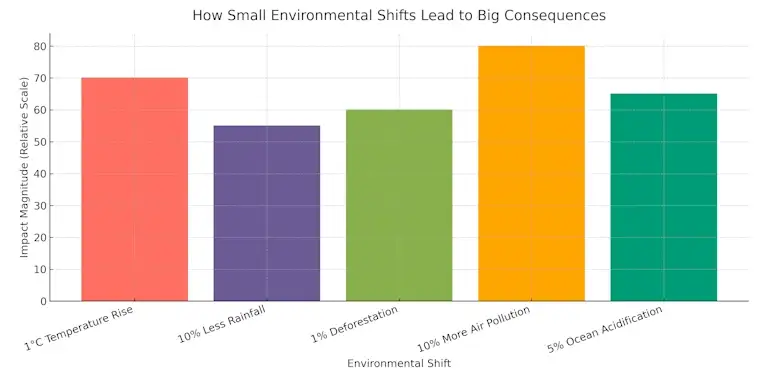
The point is simple. Nature doesn’t need dramatic changes to react. Even small nudges push the system off balance, and the results spread further than most of us expect. That’s why paying attention to the “little things” isn’t optional—it’s essential.
Living Planet Discoveries That Challenge What We Know
The natural world is full of surprises. Just when we think we understand how life works, new discoveries remind us that our planet is still full of mystery. Scientists are uncovering strange behaviors, hidden ecosystems, and survival strategies that push the limits of what we thought was possible.
These discoveries don’t just spark wonder. They also challenge us to rethink how life adapts, thrives, and sometimes even bends the rules of nature. And the more we learn, the more questions arise about the balance between humans and the living planet we share.
Here are some fascinating findings that are changing the way we see Earth:
- Plants that communicate underground — Research shows trees and plants share nutrients and information through vast fungal networks, almost like a “wood-wide web.”
- Animals that defy aging — Creatures like the Greenland shark and certain jellyfish show signs of extreme longevity, hinting that aging isn’t as fixed as we once believed.
- Life in extreme places — From boiling hydrothermal vents to frozen Antarctic lakes, organisms survive where we thought nothing could.
- Birds that use tools — Species such as crows and parrots are proving that intelligence in the animal kingdom is far deeper than we assumed.
- Coral that glows under stress — Some corals produce fluorescent proteins as a form of sunscreen, opening new doors for medical research.
These living planet discoveries are more than curiosities. They expand our understanding of resilience, intelligence, and adaptability. They remind us that Earth is not static but constantly evolving. And in many ways, nature is still ahead of us in solving problems we face today.
The Surprising Role of Nature in Human Survival
When we think about survival, we often picture food, shelter, or technology. But the truth is, nature quietly works behind the scenes every single day to keep us alive. From the air we breathe to the water we drink, the natural world provides life’s most basic essentials.
Nature doesn’t just give us the obvious resources like crops and clean water. It also supports us in ways we rarely notice. Bees and other pollinators make sure our food grows. Forests absorb carbon and regulate the climate. Even the medicines we depend on often come from plants and fungi found in the wild.
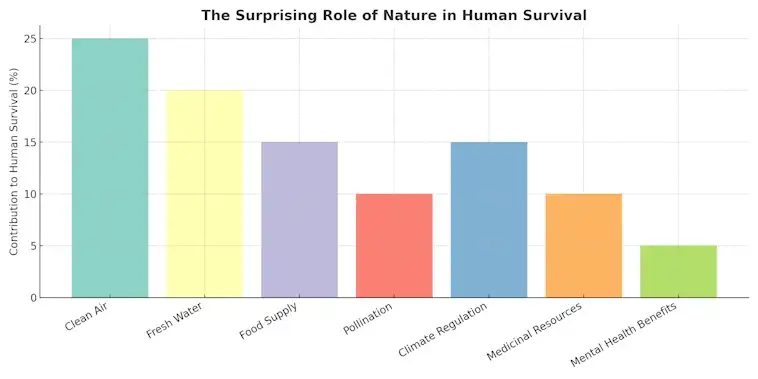
And let’s not forget the mental side. A simple walk in the park lowers stress, clears the mind, and even boosts creativity. Nature is, in many ways, the hidden backbone of human survival.
Future Possibilities: How Today’s Choices Shape Tomorrow’s Earth
The future isn’t written yet. Every choice we make today, from what we eat to how we power our homes, adds up to a bigger story about the planet we’ll pass on. It can feel overwhelming, but it’s also exciting. Why? Because small steps in the right direction can create powerful ripple effects.
When we recycle, cut down on waste, or switch to clean energy, we’re not just improving our own lives. We’re shaping the environment for the generations that follow. Think of it like planting seeds. What we do now grows into the world of tomorrow.
Living Planet, Lasting Impact
Our Earth is alive, dynamic, and always changing. But it’s also vulnerable. If we ignore the signs of climate stress, we risk pushing nature past its limits. On the other hand, if we invest in smarter choices—like sustainable farming, greener cities, and renewable energy—we unlock a brighter future.
It’s worth remembering that progress doesn’t always come from giant leaps. Sometimes, it’s the everyday decisions that build momentum. Choosing local food, supporting eco-friendly brands, or even talking with friends about climate issues creates awareness. And awareness leads to action.
The question is simple: What kind of world do we want to create? A future where we can breathe clean air, drink safe water, and thrive on a healthy planet is within reach. But it starts with the choices we make today.
Unlocking the Living Planet’s Secrets
The natural world is full of hidden systems and connections that shape our lives in ways we’re only beginning to understand. From the air we breathe to the food on our plates, these living planet secrets remind us that everything is interconnected. The more we learn, the clearer it becomes that protecting nature isn’t just about saving wildlife—it’s about safeguarding our own future.
If we act now, we can turn knowledge into power. Start small: reduce waste, support clean energy, and stay curious about how nature works. Share these insights with friends and family so more people can see just how much is at stake.
The next step is in your hands. Are you ready to rethink how we live with our planet? Let’s begin today—because the choices we make now could change everything.