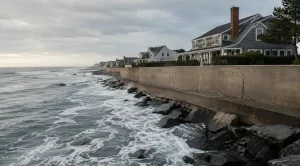
Facing the Waves: The Basics of Coastal Erosion
Facing the Waves: The Basics of Coastal Erosion
Coastal erosion is a powerful force reshaping our shorelines. It’s the process where sea, wind, and rain wear away the land, often causing beaches to disappear and cliffs to retreat. Around the world, from tiny island nations to bustling coastal cities, the impacts are profound. Understanding this natural phenomenon can help us better prepare and protect our coastal environments. Join me as we break down the causes, show where it hits hardest, and look at how communities can fight back. It’s time to get a clear picture of what’s happening and learn about the efforts to manage this global challenge.
What You’ll Discover
Understanding Coastal Erosion: What and How
The Causes: Natural Forces and Human Activities
Global Hotspots: Where the Impact Hits Hardest
Measuring the Changes: Techniques and Technologies
Consequences of Coastal Erosion: Ecological and Economic
Case Studies: Erosion Stories from Around the World
Fighting Back: Mitigation and Prevention Strategies
Future Perspectives: Predictions and Preparations
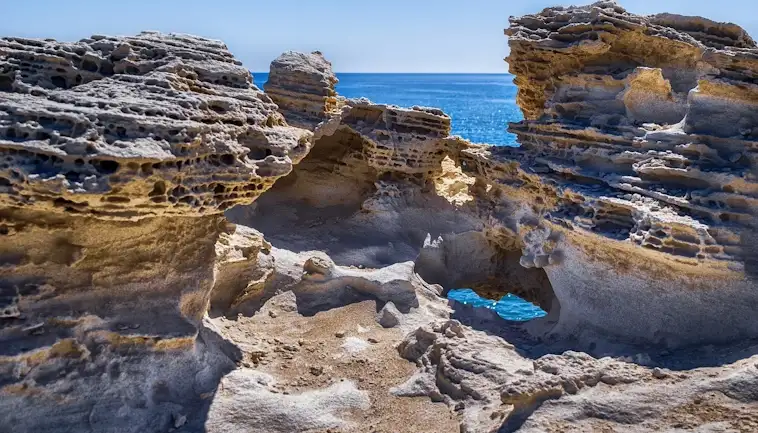
Understanding Coastal Erosion: What and How
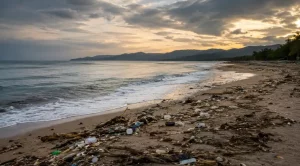
Coastal erosion is a natural process that reshapes our shorelines, changing beaches and cliffs. Imagine standing on a beach and watching waves crash onto the sand. Each wave that hits the shore can take sand or rock back with it into the sea. This is coastal erosion at work.
Now, let’s break down how this happens and why it matters. The main drivers of coastal erosion are wave action, wind, and currents. Each plays a unique role in how the landscape changes.
First, wave action is a powerful force. Waves are created by the wind blowing over the surface of the sea. When these waves hit the shore, their energy can break rocks and move sediment. Over time, this constant pounding can cause parts of the shoreline to wear away. During storms, when waves are bigger and stronger, they can cause a lot more erosion in a shorter time.
Wind also contributes to coastal erosion but in a different way. It can pick up and move sand, especially on dunes and open beaches. When the wind is strong, it can transport large amounts of sand away from the beach, leaving behind less material to buffer against incoming waves.
Currents, or the movement of water along the shore, also play an important role. These can be longshore currents that move parallel to the coast or rip currents that move directly away from the shore. Longshore currents can gradually shift large amounts of sediment along the coast, changing the shape of the shoreline. Rip currents can remove sand from beaches and carry it out to sea.
All these processes work together to constantly change our coastlines. While coastal erosion is a natural and expected part of how shorelines evolve, it can also pose challenges. It affects where we can build, how we protect coastal communities, and how we manage natural habitats. Understanding coastal erosion helps us better prepare for and adapt to these changes.
The Causes: Natural Forces and Human Activities
Coastal erosion is shaped by both natural elements and human activities. Let’s explore how these factors come together to reshape our shorelines.
Starting with nature, storm surges and sea-level rise are significant natural causes of coastal erosion. A storm surge happens when strong winds from a storm push the seawater toward the shore, which can dramatically increase the water level temporarily. This surge floods areas and hits the coast with powerful waves that can strip away the shoreline.
Sea-level rise, a slower process, gradually wears away the coast as the sea rises over time due to melting ice caps and warming ocean temperatures. Higher sea levels mean that waves can reach further inland, eroding areas that were previously safe.
Now, let’s talk about human influences. Construction along the coast is a major factor. When we build structures like buildings or roads close to the shore, we often change the natural landscape, which can make the area more susceptible to erosion. For example, building a seawall to protect a beach property can actually increase erosion under and around the wall.
Damming rivers is another human activity that impacts coastal erosion. Dams prevent sediment from rivers from reaching the oceans. Normally, this sediment would help replenish beaches and support the natural balance of the shoreline. Without this sediment, beaches become more vulnerable to erosion.
Mining near the coast can also accelerate erosion. Removing sand and gravel for construction purposes leaves the shorelines exposed and more likely to erode.
Both natural processes and human activities are constantly shaping our coastlines. Understanding and managing these influences is crucial. By doing so, we can help protect our beautiful shorelines for future generations while acknowledging the challenges we face today.
Global Hotspots: Where the Impact Hits Hardest
Coastal erosion is a global issue that affects various regions around the world, each facing unique challenges based on their geography and development.
Take the Gulf Coast in the USA, for example. This region is particularly vulnerable to coastal erosion due to its low-lying nature and frequent hurricanes. Storms bring powerful winds and storm surges that wash away beaches and erode the shoreline. Over time, this erosion can lead to loss of valuable land and can damage homes and ecosystems.
Small island nations are also heavily affected by coastal erosion, especially those in the Pacific and Caribbean. These islands are facing rising sea levels due to climate change, which increases the rate of erosion. For many of these islands, the land is their most valuable resource, and losing it means more than just losing beaches—it means losing homes, agriculture, and heritage.
In Southeast Asia, heavily developed coastal areas like those in Indonesia and Vietnam are experiencing severe erosion. Rapid urbanisation and extensive construction along the coastlines have changed the natural landscapes and reduced their ability to cope with natural erosive forces. In addition, the destruction of mangrove forests, which are natural buffers against erosion, has made these areas even more susceptible to the sea’s destructive power.
Each region shows how diverse the impacts of coastal erosion can be. From large developed countries to small island nations, coastal erosion is a pressing issue that requires attention and action. Understanding the specific challenges faced by different regions can help in crafting more effective conservation strategies and protective measures to mitigate this global problem.
Measuring the Changes: Techniques and Technologies
Tracking and understanding coastal erosion involves a mix of old-school methods and cutting-edge technology.
Traditionally, survey techniques have been a staple in studying coastal erosion. Surveyors use tools like theodolites, which are instruments for measuring angles, to map the contours and features of the coastline. They record changes over time by comparing old surveys to new ones. This method is hands-on and precise but can be time-consuming and labour-intensive.
Now, let’s talk about the modern tools that have transformed how we monitor coastal erosion. Drones, for example, have become incredibly valuable. They can fly over hard-to-reach areas and capture high-resolution images that show how shorelines shift over time. Drones can quickly survey large areas, making them efficient and less disruptive to sensitive habitats.
Satellites offer another high-tech solution. They provide a bird’s-eye view of vast coastal regions, letting scientists track changes in shoreline geography from space. Satellite imagery is particularly useful for tracking remote or inaccessible areas with no physical presence on the ground.
GPS technology has also advanced coastal erosion studies. By placing GPS sensors along the coastline, researchers can get extremely accurate measurements of how much and how quickly certain parts of the shoreline are moving or eroding. This real-time data is crucial for understanding the dynamics of coastal change and can help in predicting future erosion patterns.
Together, these tools paint a detailed picture of how our coastlines are changing. From on-the-ground surveys to aerial drones and satellites in space, the methods and technologies we use to monitor coastal erosion are more advanced and accessible than ever, helping us protect and manage our shorelines more effectively.
Consequences of Coastal Erosion: Ecological and Economic
Coastal erosion isn’t just about losing bits of sandy beach; it has wide-reaching effects that impact wildlife, communities, and economies.
One of the most immediate impacts of coastal erosion is the loss of habitats. Many animals and plants thrive in coastal environments, from sandy beaches to rocky cliffs. As these areas shrink or change, the wildlife that depends on them struggles to survive. This can lead to decreased biodiversity, with fewer species able to sustain their populations.
For communities, the consequences are equally serious, especially for those relying on tourism and fishing. Beaches attract tourists, and when they erode, fewer visitors want to come. This drop in tourism can hurt local businesses, from hotels to restaurants. Similarly, erosion can damage the coastal waters and seabeds that support fish populations, impacting local fishing industries. Fewer fish means less income for fishermen and higher prices at markets.
Infrastructure and private properties are also at risk. Roads, bridges, and homes built near the coast can become vulnerable as the shoreline moves inward. Sometimes, the land beneath these structures can wash away, leading to costly damages and safety hazards. Repairing and reinforcing these areas can be expensive, and not everyone can afford it.
The stakes are high, and the effects of coastal erosion ripple out, touching every part of coastal communities. It’s a complex issue that requires attention and action, not only to protect our shorelines but also to safeguard the wildlife and people who depend on them.
Case Studies: Erosion Stories from Around the World
Coastal erosion affects countries worldwide, each adopting unique strategies to manage and mitigate its impacts.
In the Maldives, a nation of low-lying islands, the threat of disappearing land is very real. To combat erosion, they’ve used geotextile tubes—large, durable tubes filled with sand. These are placed along shorelines to act as barriers against wave action, effectively reducing erosion and helping to preserve the beach.
The Netherlands, known for its innovative approaches to water management, has a long history of battling the sea. One of their key strategies is the “Sand Motor,” a project that involves depositing huge quantities of sand strategically along the coast. Over time, natural processes redistribute this sand along the shore, reinforcing the coastline and preventing erosion naturally. This method harnesses the natural dynamics of the environment, making it both sustainable and effective.
In the United States, particularly along the Gulf Coast, coastal erosion is a significant concern due to hurricanes and regular storms. Here, solutions include beach nourishment—adding sand to beaches to replace lost material—and constructing barrier islands to buffer the coast against wave energy. These measures protect the shore and help to maintain the habitat for local wildlife and support tourism.
Each example shows different ways countries can tackle coastal erosion. Whether through high-tech solutions like the Sand Motor or more traditional methods like beach nourishment, the goal is the same: to protect vulnerable coastlines from the relentless forces of nature. These efforts are important for preserving the environment, safeguarding human populations, and maintaining economic stability in coastal regions.
Fighting Back: Mitigation and Prevention Strategies
Coastal erosion is a serious issue that countries around the world are tackling using a variety of strategies. Each method has its own advantages, depending on the location and severity of the erosion.
Beach nourishment is one of the most common strategies. It involves adding sand to eroding beaches to replace what has been lost to the sea. This not only helps protect the shore but also keeps the beach attractive for tourism, which is vital for many coastal economies.
Constructing sea walls is another method used to shield coastlines. These barriers are built along the shore to prevent the sea from eroding the land behind them. While effective at stopping erosion, sea walls can be expensive and sometimes lead to increased erosion in other areas, as they disrupt natural shoreline processes.
Mangrove restoration is gaining traction as a natural and sustainable option. Mangroves are trees that thrive in salty conditions and their roots help bind and build the soil, reducing erosion and providing habitats for marine life. Planting new mangroves or restoring mangrove forests helps protect the shoreline and support biodiversity.
Creating artificial reefs is another innovative approach. These structures are placed in the sea to promote marine life growth and act as barriers against strong waves, which helps to reduce erosion. Artificial reefs can be made from different materials, such as old ships or specially designed concrete structures. They also attract divers and snorkelers, boosting local tourism.
Each method offers a way to combat coastal erosion by working with or enhancing natural defences, or by creating barriers to protect the shoreline. Choosing the right strategy often depends on balancing environmental impact with protective benefits, making coastal management a complex but important task.
Future Perspectives: Predictions and Preparations
Looking ahead, the future of coastal erosion presents both challenges and opportunities for innovation and adaptation. Scientists predict that erosion will intensify in many areas due to factors like rising sea levels and increased storm intensity, driven by climate change. This means that regions around the world are bracing for more dramatic changes to their coastlines, which can have serious implications for both natural environments and human communities.
To prepare for these changes, various regions are updating their policies and planning strategies. For example, many coastal cities are revising building codes to prevent construction too close to unstable shorelines. They are also investing in long-term coastal management plans that include both immediate protective measures and strategies for sustainable development.
Community planning is another crucial area of focus. Local governments are increasingly engaging with residents to formulate plans that are not just top-down but also include input from those most affected by coastal erosion. This includes public information campaigns to raise awareness about the risks and the steps that can be taken at an individual or community level.
Ongoing research into more effective solutions is also key to staying ahead of the curve. Scientists and engineers are continually exploring new materials and technologies to enhance coastal defences. For example, there are ongoing studies into the effectiveness of “living shorelines”—natural barriers such as oyster reefs or vegetated sand dunes, which can adapt over time and provide ecological benefits alongside erosion control.
Institutions and governments are also collaborating more than ever, sharing data and strategies to tackle coastal erosion on a global scale. This collective approach is important, as the effects of coastal erosion can ripple out and impact regions and economies worldwide.
The future of managing coastal erosion will probably involve a mix of old and new strategies, each tailored to the specific needs and conditions of different regions. Through proactive planning, innovative research, and community engagement, we can better prepare for and adapt to the evolving landscape of our coastlines.
Conclusion
Coastal erosion is a complex issue that touches on everything from local wildlife and ecosystems to community infrastructure and global economies.
Understanding how natural forces like waves, wind, and currents interact with human activities such as construction and land use is crucial.
We have a range of strategies at our disposal, from beach nourishment to innovative engineering projects, each offering a way to mitigate erosion’s effects.
As we look to the future, continued research and community involvement will be key. By working together, we can protect our coastlines and adapt to the challenges that lie ahead.