Beach Cleanups: More Than Just Trash Collection
Beach Cleanups: More Than Just Trash Collection
Beach cleanups do a lot more than just clear away litter. Every time volunteers gather to pick up trash, they’re also helping protect adorable marine animals and keeping our coastal ecosystems vibrant and healthy. These events bring communities together, making a real difference in the environment and in how we think about our planet. Plus, cleaner beaches mean more visitors, which is great news for local businesses. So, by joining a beach cleanup, you’re contributing to a much bigger picture — a cleaner, healthier earth and a stronger community. Let’s see how these efforts go beyond just picking up trash.
What You’ll Discover
Protecting Marine Life from Harmful Debris
Enhancing Coastal Ecosystem Health
Fostering Community Engagement and Education
Boosting Local Economies
Encouraging Policy and Regulatory Changes
Promoting a Culture of Sustainability
Improving Human Health and Well-being
Inspiring Global Movements and Partnerships
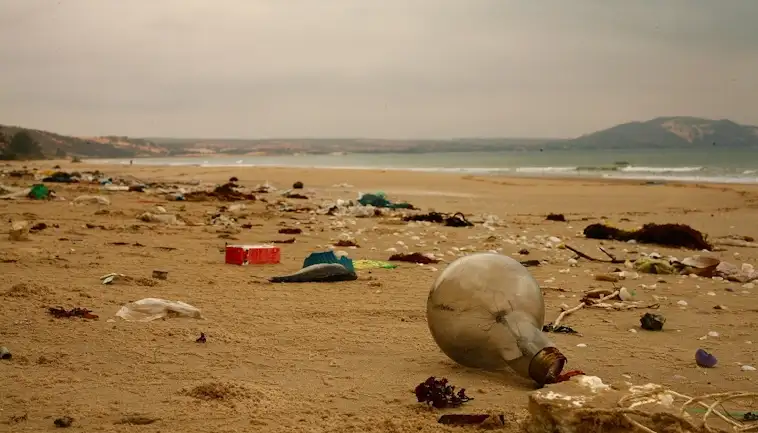
Protecting Marine Life from Harmful Debris
Discarded items such as plastic bags, fishing nets, and microplastics are a big problem for our oceans and the creatures that live there. Every year, millions of animals, including turtles, seals, and birds, suffer because they accidentally eat plastic or get tangled in it. This can lead to severe injuries or even death.
Plastic bags, for example, often resemble jellyfish when floating in the water. Sea turtles mistake them for food. Once ingested, these plastics can block the animal’s stomach, leading to starvation or infection. Fishing nets, left or lost in the ocean by fishermen, pose another serious hazard. These nets can trap a wide range of sea creatures, from small fish to large mammals like dolphins and whales, restricting their movement and ability to hunt, eventually leading to exhaustion or drowning.
Microplastics, tiny pieces of plastic that result from the breakdown of larger items, are perhaps even more insidious. These particles are so small they can enter the bodies of marine animals, from tiny plankton to larger fish, accumulating and potentially entering the human food chain. The scale of the problem is vast. For example, studies have shown that a significant percentage of seabirds have plastic in their stomachs, with predictions suggesting this could affect 99% of all seabird species by 2050 if current trends continue.
Beach cleanups play a critical role in combating these threats. By regularly removing trash from beaches and coastal areas, these efforts help reduce the amount of plastic that can enter the ocean. The direct impact on local wildlife can be profound. For example, in areas where cleanups are consistent, researchers have documented noticeable decreases in the plastics found within marine animals. In one celebrated case, a beach cleanup initiative along a particularly polluted stretch of coast led to the return of sea turtles to nest, having been absent for many years.
These cleanups prevent future harm and signal hope. They show that through community effort and dedication, we can start to undo some of the damage done to our oceans and their inhabitants.
Enhancing Coastal Ecosystem Health
Removing trash from beaches does a lot more than just make the beach look nice. It plays a crucial role in restoring the natural environment, which supports the health of plants and animals living in coastal ecosystems. When we clean up the beach, we are giving these ecosystems a chance to recover and thrive.
Trash on beaches can really hurt the plants and animals that call the coast their home. Plastic pieces and other debris can smother plants and prevent them from getting the sunlight and nutrients they need. Animals, like crabs and shorebirds, might eat small pieces of plastic, mistaking them for food. This can harm their health and even threaten their survival.
Debris also messes with the physical environment of beaches. For instance, large amounts of trash can affect sand quality. When plastics break down, they mix with the sand, changing its composition and potentially harming the organisms that depend on pure sand habitats. This mixture can also affect how warm the sand gets under the sun, which is crucial for animals like sea turtles that rely on beach temperatures to incubate their eggs properly.
Moreover, debris can impact coastal erosion. Normally, beaches have natural barriers like logs or seaweed that help protect against the force of waves. However, when trash accumulates, it can disrupt these barriers, making the beach more vulnerable to erosion. This not only changes the landscape but can also lead to loss of habitat for species that nest and feed along the shorelines.
So, when communities come together to clean up their beaches, they are doing vital work. They help prevent these problems and support the overall health of the beach ecosystem. Each cleanup event might seem small, but together, they make a significant difference. They help make sure beaches remain beautiful, natural spaces where both wildlife and people can thrive.
Fostering Community Engagement and Education
Beach cleanups are fantastic ways for communities to come together and make a difference. These events are not just about picking up trash; they’re also about learning and sharing experiences. They provide a hands-on way to teach people, both locals and tourists, about the importance of sustainability and conservation.
When people take part in a beach cleanup, they get to see firsthand the impact of litter on our environment. It’s an eye-opening experience for many. Holding a piece of plastic that might have travelled thousands of miles across the ocean makes the global trash problem very real. This experience often inspires participants to think more about their own choices, like using fewer single-use plastics or recycling more effectively.
Organised beach cleanups are also great social events. They bring together people of all ages and backgrounds. You might see families, school groups, and individual volunteers all working side by side. Tourists often join in too, adding a sense of global community to the effort. Everyone is united by a common goal: to leave the beach cleaner than they found it.
During these cleanups, organisers often take the opportunity to teach volunteers about the local ecosystem. They talk about the animals affected by beach trash and why healthy beaches are crucial for the environment. Sometimes, they even discuss the broader impacts of pollution on oceans worldwide.
These events can have a lasting impact on participants. Many leave feeling motivated to continue protecting the environment in their daily lives. Some even become advocates for change in their communities, spreading the word about what they’ve learned.
Beach cleanups do more than just clear trash. They build community, spread knowledge, and foster a culture of care for our planet. They show that when we come together, we can make a big difference.
Boosting Local Economies
Clean beaches are not just beautiful—they’re good for business, too! When beaches are free of trash and pollution, they become much more attractive to tourists. Visitors love to relax on pristine sands and swim in clear waters. This makes them more likely to choose a clean beach destination for their vacations.
When more tourists visit a beach, the local economy gets a boost. Think about it: tourists need places to eat, shop, and sleep. This means more business for local restaurants, stores, and hotels. The more visitors a place gets, the more money these businesses make. They might even need to hire more staff to handle the extra customers, which creates more jobs in the area.
The economic benefits of clean beaches go beyond the immediate area. Tourists might also explore other parts of the town or region, spending money on activities and transportation. This spreads the financial benefits even wider.
Because clean beaches attract more tourists, local businesses have a strong incentive to keep them clean. Many businesses understand that protecting their local environment is not just good for nature—it’s important for their bottom line. You’ll often see local shops, restaurants, and hotels sponsoring beach cleanups. They might provide funding and supplies, or even encourage their staff to take part.
These sponsorships are a win-win. Beaches stay clean and attractive, drawing more visitors and boosting local businesses. In return, businesses get positive publicity and goodwill from the community and tourists. This can lead to even more customers as people prefer to support businesses that care about the environment.
Clean beaches are essential for the health of our environment and for a thriving local economy. It encourages businesses to support sustainability efforts, knowing that these efforts will help attract more visitors and increase their revenue.
Encouraging Policy and Regulatory Changes
When communities consistently come together for beach cleanups, it doesn’t just result in cleaner shores. These efforts can also inspire stronger policies on waste management at local, national, and even international levels.
Imagine this: Every time people gather to clean up a beach, they’re likely to find lots of single-use plastics—things like straws, bags, and food wrappers. Seeing how much of this waste ends up on our beaches makes a strong case for reducing its use. As a result, local governments might start to think about banning these items. Many places around the world have already started banning plastic bags and straws, and it’s often grassroots movements like beach cleanups that kickstart these changes.
But it doesn’t stop with bans. Consistent cleanup efforts also highlight the need for better waste disposal systems. For example, if volunteers keep finding discarded electronics or toxic materials, this can push for improvements in how we dispose of hazardous waste. Communities might advocate for more recycling centres or special collection days for harmful materials, reducing the likelihood they end up on our beaches.
Nationally and internationally, sustained beach cleanups can lead to larger policy shifts. Countries might develop stricter regulations on waste management, ensuring that businesses and individuals have clear guidelines on how to dispose of waste properly. These policies can also lead to international agreements, where countries work together to tackle pollution, especially in shared waters.
These policies often come with educational campaigns. Governments might fund programs to teach citizens about the importance of reducing waste, recycling properly, and protecting our natural environments. This education can change daily habits, leading to less trash produced and discarded.
Every beach cleanup is a step towards a cleaner beach and a more sustainable future. These efforts show policymakers the urgent need for change, driving them to create better laws and systems to keep our planet healthy.
Promoting a Culture of Sustainability
Regular beach cleanups do more than just clear away trash; they spark a cultural shift in communities towards more sustainable living. This goes beyond the act of picking up litter. It involves adopting habits that protect our planet in the long run.
When people come together to clean up their local beaches, they see firsthand how much waste ends up in the environment. This can be a real eye-opener. For many, it’s the moment they decide to change their own lives. They start thinking about where their trash ends up and how they can reduce it.
This awareness often leads to reduced consumption. People think twice before buying things wrapped in lots of plastic or items they don’t really need. They might choose to buy in bulk or select products with less packaging. By making these choices, they reduce the waste they produce.
Recycling has become a bigger priority, too. Community members learn more about what can be recycled and how to do it properly. This knowledge helps increase recycling rates, reducing the waste that might otherwise end up on beaches or in oceans.
But it doesn’t stop there. These cleanups often inspire people to adopt other eco-friendly practices. They might start using reusable bags, bottles, and containers instead of single-use plastics. Some even begin composting at home to reduce food waste, which is another major contributor to pollution.
These changes can influence entire neighbourhoods and even cities. Local businesses might start offering discounts to customers who bring their own cups or bags. Schools could begin educating students about sustainability. Eventually, what starts as a small group of people cleaning up a beach can lead to widespread adoption of greener habits across the community.
In this way, regular cleanups help cultivate a culture of sustainability. They remind us all that every little action counts and that together, we can make a big difference in protecting our environment.
Improving Human Health and Well-being
Clean beaches are not just good for the environment; they’re great for our health too. When beaches are free of trash and pollution, we avoid the risks that come with chemical exposure and physical hazards. Plus, clean coastal areas make for a much nicer place to relax and have fun.
Pollution on beaches can be harmful to our health in several ways. For example, chemical waste and plastics can release toxins as they break down. When we swim or play in waters contaminated with these chemicals, it can affect our skin, eyes, and even our overall health. Also, litter like broken glass or sharp metal can be dangerous, causing cuts and injuries. By keeping beaches clean, we reduce these risks significantly.
But the benefits of clean beaches don’t stop there. Clean coastal areas provide a more appealing and stress-free environment for many activities. Imagine playing volleyball on soft, trash-free sand or having a picnic with no litter around. It’s much more enjoyable when you’re not worried about stumbling over garbage or harming the environment.
Spending time on a clean beach can also boost our mental health. It’s soothing to sit by the ocean and listen to the waves without the sight of plastic bottles and wrappers spoiling the view. This peaceful environment helps us unwind and relax, reducing stress and boosting our mood.
Clean beaches also encourage more physical activity. People are more likely to go for a swim, take a long walk along the shore, or play beach sports when the sand and water are clean. These activities are great for our physical health, improving our fitness and energy levels.
Clean beaches play a crucial role in our health and well-being. They protect us from pollution and physical dangers, and they offer a beautiful, stress-free setting for enjoying the outdoors. That’s why it’s so important for everyone to do their part in keeping our beaches clean.
Inspiring Global Movements and Partnerships
Local beach cleanups often start small, but they can grow into movements that reach far beyond their initial boundaries. These efforts can inspire entire communities and even spark international cooperation in the fight against marine debris and pollution.
Take, for example, a local cleanup initiative that started on a small beach in Hawaii. The community gathered every month to clear litter from their shores. Their dedication and the visible improvement in the beach’s condition attracted attention from other coastal communities facing similar challenges. Inspired by Hawaii’s success, these communities started their own cleanups.
These efforts didn’t go unnoticed. As more beaches began to organise cleanups, regional partnerships formed. For instance, coastal towns across the Pacific began to collaborate, sharing strategies and resources to tackle the issue more effectively. This regional effort eventually gained the support of international environmental organisations, which helped to amplify their impact.
Another story comes from a small town in the Philippines, where a local school started a beach cleanup as part of an environmental class project. The project not only cleaned up their local beach but also educated the students and their families about the dangers of plastic pollution. The initiative was so successful that it was featured in an international environmental forum. This exposure led to a partnership with a global nonprofit dedicated to ocean conservation, bringing new resources and attention to the school’s efforts.
These examples show how local actions can lead to broader change. Local cleanups can act as a catalyst, encouraging others to take action and leading to partnerships that cross national borders. These partnerships are essential as they combine resources, knowledge, and influence, making it possible to tackle the global problem of marine debris and pollution more effectively.
Such stories underline the power of local initiatives in driving global environmental change. They inspire others to start similar movements, creating a ripple effect that can eventually span the globe.
Conclusion
Beach cleanups are about much more than just collecting trash. They bring communities together, spark a deeper appreciation for our environment, and drive positive changes that extend far beyond the local shoreline.
These cleanups inspire healthier lifestyles, foster a sense of global community, and encourage policies that protect our planet. Every cleanup is a step towards a cleaner, safer, and more sustainable world.
As we continue to clear our beaches of debris, we’re not just saving marine life; we’re also preserving the beauty and health of our natural spaces for generations to come.
Join a cleanup and be part of the change!