
Heatwaves on Ice: Why Glaciers Can’t Keep Up
Heatwaves on Ice: Why Glaciers Can’t Keep Up
Heatwaves aren’t just about scorching days and sweaty nights; they’re reaching places we once thought were untouchable—like our majestic glaciers. These icy giants are struggling to keep up with the rising temperatures, and the effects are more serious than many of us realise. We’ll walk through how these heatwaves speed up glacier melt, what that means for our planet, and what we can do about it. It’s important to understand the battle these icy landscapes are facing, so we can step up and help make a difference. Let’s get into why our glaciers can’t keep up.
What You’ll Discover
How Glaciers Form and Function
The Rising Trend of Global Heatwaves
How Heatwaves Accelerate Glacier Melt
Subsurface Effects of Prolonged Warmth
Consequences of Rapid Glacier Retreat
Glaciers Under Siege by Heatwaves
Strategies to Protect Our Glaciers
What Can We Do?
How Glaciers Form and Function
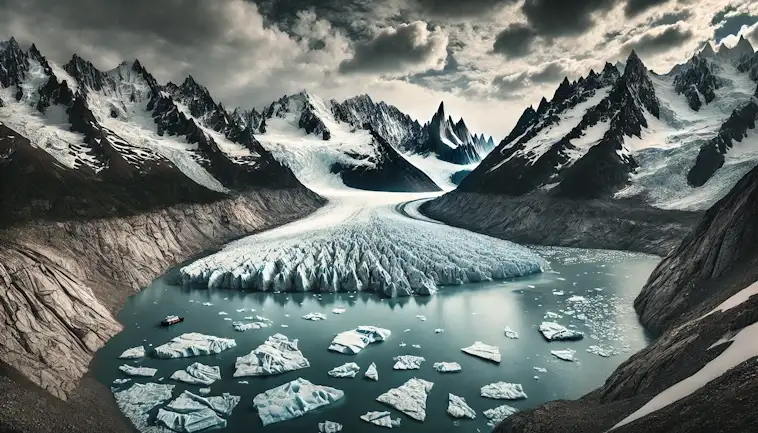
The birth of a glacier begins with snowfall. When snow accumulates in a specific area, like a mountain valley, and doesn’t completely melt away during warmer months, it starts to build up year after year. Each new layer of snow buries the older ones. Under the weight of the new layers, the snow underneath gets compressed, turning into granular ice called firn. Over time, as more snow piles up, the firn gets further compressed into dense, hard glacier ice.
Physical Properties of Glaciers: Glacier ice isn’t like the ice cubes from your freezer; it’s much denser and has unique features. For example, glacier ice can appear blue. This is because it absorbs every other colour of the spectrum except blue, which it reflects. Also, glacier ice is incredibly massive yet flows like a slow river. It moves under its own weight, driven by gravity, shaping the landscape beneath it as it goes.
How Glaciers Move: The movement of a glacier might be hard to notice right away because it’s so slow. There are two main ways glaciers move: through internal flow and sliding at the base. Internally, the ice grains can deform and slide over each other. At the base, the glacier might slip over the ground or its own meltwater can act as a lubricant, speeding up the slide. This movement can carve valleys into mountainsides and form deep lakes.
Life Cycle of a Glacier:From their formation to their movement, glaciers are always changing. They have a life cycle. When more snow accumulates than melts, a glacier grows. But when melting outpaces snowfall, the glacier shrinks. This back and forth is a natural part of their existence.
Impact of Rising Temperatures: Now, what happens when temperatures rise unusually? Well, it tilts the balance. If temperatures go up, more glacier ice melts during the warmer months than the snow can replenish in the cold months. This leads to a gradual shrinking of glaciers, known as glacier retreat. This is a concern because it not only affects the glacier but also affects water supplies, wildlife, and sea levels worldwide.
The life and movement of glaciers are integral to our planet. Understanding how they form, move, and respond to climate changes helps us appreciate these mighty rivers of ice and the significant role they play in our global ecosystem.
The Rising Trend of Global Heatwaves
In the last few decades, heatwaves have become more frequent, lasting longer, and reaching higher temperatures. Data from weather agencies worldwide indicate a clear upward trend in heat intensity and duration. For example, Europe experienced its hottest summer on record in 2023, with countries like the UK recording temperatures above 40°C for the first time.
In the United States, cities like Phoenix and Las Vegas are experiencing more days each year when the temperature exceeds 100°F. Meanwhile, countries like India and Pakistan have faced severe heatwaves that have disrupted daily life and affected millions of people.
Causes of Global Heatwaves: The main driver behind these intense and frequent heatwaves is climate change, specifically the rise in global temperatures due to increased greenhouse gas emissions from human activities like burning fossil fuels and deforestation. As the planet warms, the atmosphere holds more heat, which increases the likelihood of experiencing extreme heat events.
Data on Heatwaves: Studies show that the number of heatwave days per year has been increasing since the 1950s. Graphs of global temperature trends show a steady climb, with particularly sharp increases over the past 20 years. Not only are heatwaves happening more often, but they are also starting earlier and ending later in the year. This extended season of high temperatures puts stress on water resources, agriculture, and health systems.
Connection to Climate Change: The link between heatwaves and climate change is well-established. The Earth’s rising average temperature leads to more frequent breaks in typical weather patterns, letting high heat conditions develop and persist. Warmer oceans can also affect atmospheric patterns, further exacerbating heatwaves across continents.
Impact and Future Outlook: The increasing frequency and intensity of heatwaves have severe implications. They strain power grids, increase health risks like heatstroke, and can lead to poor air quality and wildfires. Looking forward, climate models predict even hotter and more frequent heatwaves if global greenhouse gas emissions continue unchecked.
The recent patterns and causes of global heatwaves highlight the urgent need to address climate change. By understanding these links and the data behind them, we can better prepare and adapt to a hotter future.
How Heatwaves Accelerate Glacier Melt
When a heatwave strikes, the immediate effect on a glacier is increased surface melting. Glaciers are made of compacted snow and ice, and they generally reflect a lot of the sun’s energy back into the atmosphere—a process called the albedo effect. However, during a heatwave, the intense and prolonged heat increases the glacier’s surface temperature, leading to more melting. This meltwater can either refreeze in the glacier or, more commonly, run off and contribute to rising sea levels.
The Albedo Effect: The albedo effect is key to understanding why glaciers melt the way they do. Albedo refers to the reflectivity of a surface: the whiter and brighter the surface, the more sunlight it reflects, and the less it absorbs heat. Snow and ice have high albedo, meaning they are good at reflecting sunlight.
Reduced Snow Cover and Albedo: During a heatwave, the increased melting of a glacier reduces its snow cover. As the fresh, bright snow melts away, it exposes older, darker ice underneath. This older ice has a lower albedo, meaning it’s not as good at reflecting sunlight. Instead, it absorbs more solar radiation, which warms the glacier even further and accelerates the melting process.
Feedback Loop: This creates a feedback loop: the more the glacier melts, the darker its surface becomes, which leads to more heat absorption and even more melting. This loop can significantly speed up the reduction of a glacier, affecting not just the glacier itself, but also the surrounding ecosystems and water supplies dependent on it.
Heatwaves have a direct and devastating impact on glaciers due to increased surface melting and the interplay of the albedo effect. The reduction of snow cover during these heat events reduces a glacier’s ability to reflect solar radiation, leading to faster and more extensive melting. Understanding these processes helps us grasp just how interconnected our planet’s systems are, and the profound effects that even small changes in our climate can have on distant glaciers.
Subsurface Effects of Prolonged Warmth
During a heatwave, the heat doesn’t just stay on the glacier’s surface. It travels down, warming up the subsurface layers of ice. Below the glacier, the ground or bedrock can also heat up due to general climate warming. This heat from below can thaw the frozen ground known as permafrost, which many glaciers sit on.
Increased Basal Sliding: When the base of a glacier—where it meets the ground—gets warmer, it can lead to more meltwater. This water acts like a slippery lubricant. It makes it easier for the glacier to slide over the bedrock. This movement, known as basal sliding, can make the glacier move faster than it normally would.
Changes Inside the Glacier: The warmth and the moving water don’t just make the glacier slide faster; they also change the glacier from the inside. The internal structure of the glacier can start to weaken. Ice within the glacier can fracture and deform. These changes make the glacier less stable.
Speeding Up Melting: All this sliding and internal shifting causes the glacier to stretch and thin out. A thinner glacier has less surface area at high, cold altitudes and more area at lower, warmer altitudes. This exposure to warmer air speeds up the melting process.
The Bigger Picture: As heatwaves become more frequent and intense, these effects on glaciers could increase. This leads to glaciers not only melting faster but also becoming less stable and predictable. These changes are important because they can alter how much water flows from glaciers into rivers and oceans, affecting water supplies and sea levels.
Heatwaves dig deep into the heart of glaciers, speeding up their movement and melting from the inside out. This makes understanding and addressing climate change even more crucial, as the stability of glaciers impacts our planet.
Consequences of Rapid Glacier Retreat
When glaciers melt faster than usual, it’s not just a problem for the glaciers themselves. This rapid melting sends ripples through ecosystems, geographies, and even human communities.
Rising Sea Levels: First up, sea levels. As glaciers melt, they pour more water into the oceans. This extra water causes sea levels to rise. Higher sea levels can lead to flooding in coastal areas, erode shorelines, and even submerge entire islands. For people living in coastal cities, this means more flooding during storms and higher costs to protect their homes and infrastructure.
Altered Freshwater Ecosystems: Glaciers are like giant frozen reservoirs feeding rivers and lakes with fresh water. As they melt more quickly, they initially increase the flow of water. This might sound good, but it can actually disturb the natural balance. Fish, plants, and other wildlife that depend on stable water conditions can struggle to adapt. Over time, as glaciers shrink, the rivers that rely on them can run low, hurting species that need cool, flowing water to survive.
Impacts on Biodiversity: The changes in water flow and temperature can also affect biodiversity. For example, in mountain areas, plants and animals that thrive in cold environments may find their habitats shrinking. As the colder, higher parts of mountains warm up, these species have fewer places to go. This can lead to lower biodiversity as some species may not survive the shift.
Challenges for Communities: Many communities around the world rely on glaciers for their water supply. This water is used for drinking, agriculture, and even hydroelectric power. As glaciers melt and eventually provide less water, these communities face big challenges. They might experience water shortages, have to change how they farm, or find new sources of energy. This can be especially hard for smaller, rural communities with fewer resources to adapt to these changes.
The rapid melting of glaciers calls for action. It’s not just about saving patches of ice. It’s about protecting a complex web of life that includes humans, animals, and entire ecosystems. By understanding and addressing the causes of climate change, we can help slow glacier melt and give these systems a better chance to adapt.
Glaciers Under Siege by Heatwaves
Heatwaves have left a significant mark on glaciers across the globe, from the icy expanses of Antarctica to the mountainous regions of Europe and North America.
The European Alps: The glaciers in the European Alps are a prime example. Researchers have noted substantial melting rates during recent heatwaves. For example, the famous Aletsch Glacier, Switzerland’s largest, has been retreating dramatically. Experts predict it could lose half its volume by the end of this century if the current warming trends continue. The heatwaves intensify the melt during the summer, accelerating the reduction in glacier size and affecting water supplies in the region.
Greenland Ice Sheet: Moving farther north, the Greenland Ice Sheet has shown alarming responses to heatwaves. During an intense heatwave in 2019, Greenland experienced unprecedented ice melt. Scientists reported that in just one July day, the ice sheet lost 12.5 billion tons of ice to melting—the largest single-day loss in recorded history. This melting contributes to rising sea levels and releases fresh water into the ocean, which can disrupt marine ecosystems.
The Himalayas: The glaciers in the Himalayas, often called the “Third Pole” because they hold the largest ice mass outside the polar regions, are also under threat. These glaciers supply water to some of the largest rivers in Asia, supporting millions of people. Recent studies have shown increased melting rates during heatwaves, raising concerns about future water security for countries like India, China, and Nepal.
Antarctica: Even the remote glaciers of Antarctica are not immune. The Antarctic Peninsula has warmed significantly over the past 50 years, and its glaciers are retreating at a noticeable rate. During the austral summer, heatwaves can push temperatures above freezing, which is highly unusual for the region. This leads to surface melting and the weakening of ice shelves, precursors to larger-scale disintegration.
Experts warn these changes are localised phenomena and signs of a global pattern. The World Glacier Monitoring Service, which tracks glacier thickness worldwide, reports widespread losses in glacier volume. This consistent shrinkage points to an acceleration in global warming impacts, driven by higher temperatures and more frequent heatwaves.
Glaciers around the world are visibly and dramatically changing due to heatwaves and ongoing climate change. The rapid decline of these vital ice masses highlights the urgency of global efforts to mitigate climate change and adapt to its impacts.
Strategies to Protect Our Glaciers
Around the world, people are coming up with innovative ways to tackle the impact of heatwaves on glaciers. These efforts range from global initiatives to cut down emissions to local strategies helping communities adapt to the changes. Let’s consider some of these approaches.
Reducing Emissions: One major global effort is to reduce greenhouse gas emissions. Countries are setting targets to lower emissions through international agreements like the Paris Agreement. By using more renewable energy sources, improving energy efficiency, and promoting electric vehicles, we’re working towards slowing down global warming and reducing glacier melt.
Geoengineering Solutions: Geoengineering is another field that’s getting attention. Scientists are exploring ways to reflect sunlight back into space to keep the planet cool. For example, spreading reflective particles in the atmosphere or covering glaciers with reflective sheets to maintain their albedo (reflectivity) and slow down melting. These methods are still under research and come with debates about their feasibility and potential side effects.
Policy Measures: Policies are important in this fight. Governments are creating protected areas around glaciers to limit development and reduce local pollution. They’re also investing in monitoring systems to better understand glacier changes and predict water availability. This data helps in planning and putting strategies into practice to cope with decreasing water supplies.
Adaptation Strategies
For communities directly affected by glacier changes, adaptation is key. Here are a few strategies they’re adopting:
- Water Management: Building reservoirs to collect meltwater during peak flow periods makes sure there’s enough water during dry spells.
- Agricultural Adjustments: Switching to crops that require less water or can tolerate different temperatures helps communities continue farming even as water supplies fluctuate.
- Economic Diversification: Communities that rely on glaciers for tourism are exploring other income sources, like eco-tourism or cultural tourism, to reduce their economic vulnerability.
Engaging local communities in these efforts is essential. Education about climate change and training on adaptation techniques empower residents to make informed decisions and take active roles in preserving their environment and livelihoods.
While the challenges posed by heatwaves on glaciers are significant, the combination of global efforts, innovative engineering, smart policies, and local adaptation strategies offers hope. By working together, we can reduce the impacts and safeguard our glaciers and the communities that depend on them for future generations.
What Can We Do?
Heatwaves are becoming more intense and frequent, and their effects on our planet’s glaciers are alarming. But there’s good news—you can help fight this. Every action counts for protecting our glaciers and the environment.
Reduce Your Carbon Footprint: One of the most effective ways to help is by reducing your own carbon emissions. Consider how you travel. Using public transportation, carpooling, biking, or walking instead of driving can significantly cut down your carbon footprint. When you do need a car, think about switching to an electric or hybrid vehicle.
Support Renewable Energy: If you can, switch to renewable energy sources. Many utilities now offer the option to buy your electricity from renewable sources at little to no extra cost. You can also install solar panels on your roof if it’s possible. Supporting renewable energy helps reduce the overall demand for fossil fuels, which is crucial for slowing glacier melt.
Waste Less: Be mindful of your consumption. Reducing waste not only cuts down on landfill but also on the energy used to produce and dispose of goods. Recycle and consider buying less and choosing reusable products. Every bit of energy saved also reduces the heat released into our atmosphere.
Advocate and Educate: Speak up about climate change and its impacts on glaciers. Share information with friends and family about why it matters. You can join or start initiatives in your community that raise awareness and push for local government action on climate policies.
Support Conservation Efforts: Many organisations work directly to protect glaciers and the environments around them. Consider donating to or volunteering with these groups. Your support can help fund important research and conservation projects.
Participate in Local Efforts: Get involved in local efforts to adapt to and mitigate climate change impacts. This could be community-led conservation programs, tree-planting projects, or local clean-up days. Community efforts not only help the environment but also strengthen community ties and resilience.
Use Your Voice: Finally, use your voice in the democracy you live in. Vote for leaders who prioritise climate action. Support policies that aim to reduce emissions and encourage sustainable practices. Every policy that reduces global warming helps protect glaciers.
By taking these steps, you’re not just helping to save glaciers—you’re also contributing to a global effort to protect our planet for future generations. Let’s work together to make a difference. Your actions matter, and together, we can achieve significant change.
Conclusion
Heatwaves are leaving a profound mark on our planet’s glaciers, accelerating their melt at an alarming rate. This isn’t just about losing majestic icy landscapes—glaciers are important for our global ecosystems, water supplies, and even sea levels.
While the challenge is immense, hope isn’t lost. Every one of us has the power to make a difference. By adopting sustainable practices, supporting renewable energy, and engaging in community efforts, we can help mitigate the effects of climate change.
Let’s act now to protect these vital ice reserves and secure a healthier planet for future generations. Together, we can turn the tide.