
Why the Global Biodiversity Crisis Matters Now
Why the Global Biodiversity Crisis Matters Now
Species are disappearing faster than at any time in human history. Forests are falling silent, coral reefs are losing color, and pollinators are vanishing from once-busy fields. This isn’t just a problem for wildlife—it’s a warning sign for all of us. Biodiversity is the foundation of clean air, fresh water, and stable food supplies. As more species slip away, the balance that sustains life on Earth begins to unravel.
Scientists and conservationists are sounding the alarm, but the window to act is shrinking. From deforestation to climate change, human activity is pushing nature to its limits. Yet within this crisis lies a powerful opportunity—to rethink how we live, what we value, and how we can rebuild a healthier relationship with the natural world.
Understanding what’s at stake is the first step toward change. Here’s why biodiversity loss matters more than ever—and what it means for the future of life on Earth.
What’s Driving the Global Loss of Biodiversity Today?
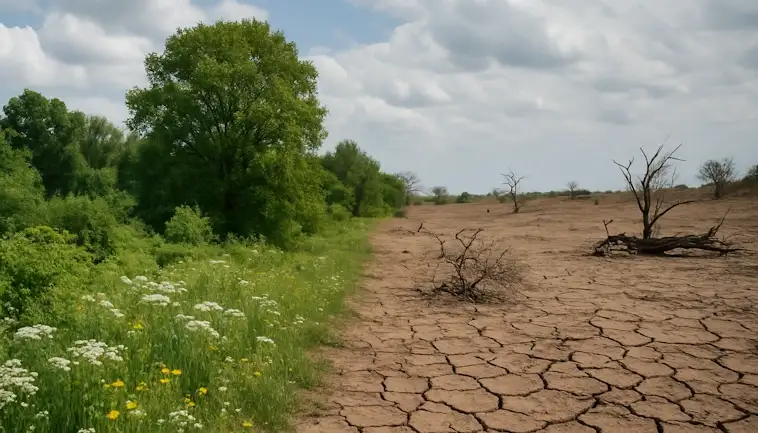
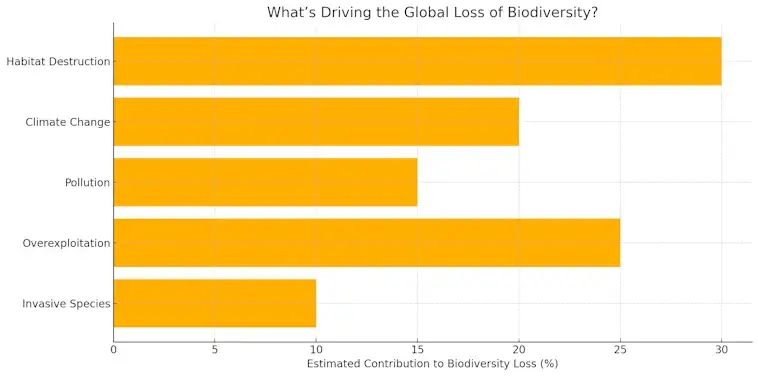
Biodiversity loss isn’t just a distant concern for scientists or conservationists—it’s happening right now, all around us. From vanishing species to shrinking forests, nature is under pressure. But what’s really behind this rapid decline in wildlife and ecosystems? Let’s take a look at the biggest drivers of biodiversity loss today.
1. Habitat Destruction: When Nature Loses Its Home
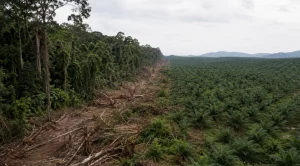
This is the number one cause of biodiversity loss. As cities expand, forests are cleared, wetlands are drained, and coastlines are developed. Animals and plants lose the homes they need to survive. Farming, especially industrial agriculture, is a major player—clearing land for crops and grazing wipes out entire habitats. Once these areas are gone, many species have nowhere else to go.
2. Climate Change: A Growing Threat to Every Living Thing
The planet is warming, and it’s not just about hotter summers. Shifting temperatures and weather patterns are changing when animals migrate, when plants bloom, and where species can survive. Coral reefs are bleaching. Arctic ice is melting. Many species simply can’t adapt fast enough. Climate change doesn’t act alone, either—it makes other threats, like drought and wildfires, even worse.
3. Pollution: Poisoning the Planet
Toxins from factories, plastics in the ocean, pesticides on crops—all of this pollution affects ecosystems in ways we’re only beginning to understand. For example, plastic breaks down into tiny particles that are now found in fish, birds, and even human bodies. Water pollution can wipe out fish populations. Air pollution harms plants and insects. The damage adds up quickly.
4. Overexploitation: Taking More Than Nature Can Give
Overfishing, illegal hunting, and logging are stripping the planet of species faster than they can recover. Many animals are being pushed to the edge of extinction for food, materials, or traditional medicine. It’s not just about rare animals, either—common species are declining, too, affecting entire food chains.
5. Invasive Species: Unwanted Guests That Take Over
When species are introduced to new places—often by human activity—they can outcompete native wildlife, spread disease, or disrupt ecosystems. Think of cane toads in Australia or zebra mussels in North America. These newcomers often have no natural predators in their new environments, giving them a big advantage and putting local species at risk.
Biodiversity is the foundation of life on Earth. It supports food, clean air, water, medicine, and even the climate. As we lose species and ecosystems, we lose the very systems that keep us alive. The good news? These problems are caused by humans—so they can be solved by us, too.
Why Biodiversity Matters More Than Ever
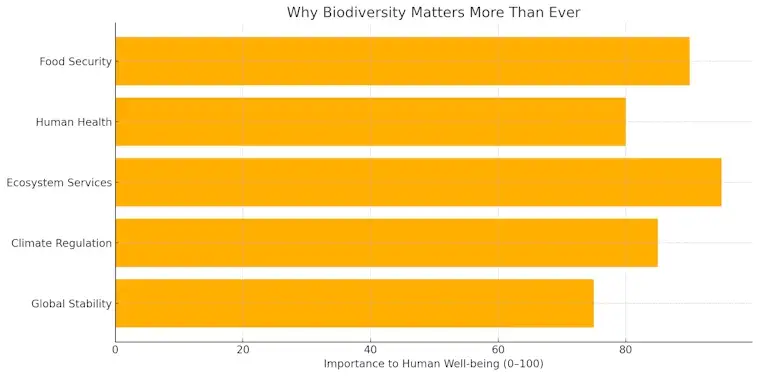
Biodiversity isn’t just about saving cute animals or preserving rainforests. It’s the foundation of life on Earth—and it matters more than ever right now.
1. Biodiversity Feeds the World
From the crops we grow to the fish we catch, biodiversity is what keeps our food systems running. A variety of plants and animals ensures we have enough to eat, even when weather patterns shift or pests strike. Diverse ecosystems mean more resilient farms and more reliable harvests. Without it, our food supply becomes more fragile—and more expensive.
2. Nature is Medicine’s Secret Ingredient
Many of the medicines we rely on today were discovered in nature. From painkillers to cancer treatments, biodiversity is a global pharmacy. But when species go extinct, we lose those potential cures forever. Protecting biodiversity protects our ability to fight disease and discover new treatments in the future.
3. Healthy Ecosystems = A Healthier Planet
Forests clean the air. Wetlands filter water. Bees pollinate crops. Coral reefs protect coastlines. These aren’t just beautiful places—they’re systems that keep the planet in balance. Biodiversity allows ecosystems to recover from storms, droughts, and disease. The more diverse they are, the stronger and more stable they become.
4. Our Climate Needs Nature
Nature is one of our best allies in the fight against climate change. Forests and oceans absorb carbon dioxide, helping cool the planet. But when biodiversity is lost, these natural systems break down—and climate change accelerates. Restoring and protecting biodiversity is a key part of any serious climate solution.
5. Everything is Connected
Biodiversity is not a luxury—it’s a lifeline. Every species plays a role. When one disappears, it affects others. Lose too many links, and the entire web begins to fall apart. This isn’t just about nature—it’s about us.
We depend on biodiversity for our food, our health, our security, and our future. As threats to the natural world grow, protecting biodiversity isn’t optional—it’s essential. The choices we make today will shape the world we leave behind tomorrow.
The Silent Extinction: Species Disappearing Before We Notice
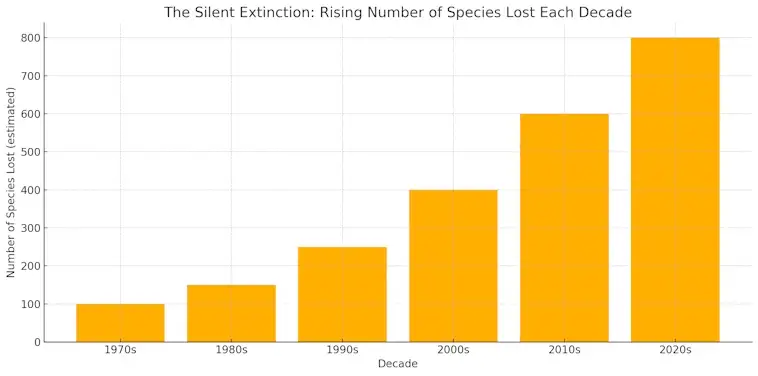
Not all extinctions make headlines. Many happen quietly, without warning, without fanfare. A species vanishes, and most of the world never even knew it existed. This is the silent extinction—and it’s happening every single day.
Vanishing Without a Sound
Thousands of species are slipping away before scientists can even discover or name them. Amphibians in tropical forests, insects pollinating our crops, tiny marine creatures supporting the ocean’s food chain—they’re disappearing silently, and the ripple effects can be huge.
These aren’t just obscure animals or plants. They’re part of the complex web of life that supports clean air, fresh water, healthy soil, and stable climates. Losing them weakens the systems we all depend on, even if we don’t see the impact right away.
Why We Don’t Notice Until It’s Too Late
Most extinctions don’t look like dramatic events. They’re slow, often invisible. A bird stops singing in a forest. A rare flower doesn’t bloom this year. A fish species fails to return during migration. It’s only when patterns break and ecosystems collapse that we begin to feel the loss—and by then, it may be irreversible.
One reason for this invisibility? Many species live in remote or understudied regions. Others are simply overlooked because they’re not as charismatic as pandas or elephants. But each loss is significant, whether it’s a rainforest frog or a deep-sea sponge.
The Numbers Are Stark—and Growing
According to global assessments, up to 1 million species are at risk of extinction, many within decades. Scientists call this the sixth mass extinction, and unlike previous ones, this time it’s driven by human activity—habitat destruction, pollution, climate change, and overexploitation.
Why It Should Matter to All of Us
When we lose species, we lose options. Potential medicines, resilient crops, ecosystem buffers—all gone. And with every silent extinction, the world becomes a little less stable, a little less rich, and a little less prepared for the challenges ahead.
The first step to saving species is noticing them. Paying attention. Valuing the hidden threads of life before they’re lost. By learning, caring, and acting, we can help bring silent extinctions into the spotlight—and rewrite the story before it’s too late.
How Human Activity Is Reshaping Life on Earth
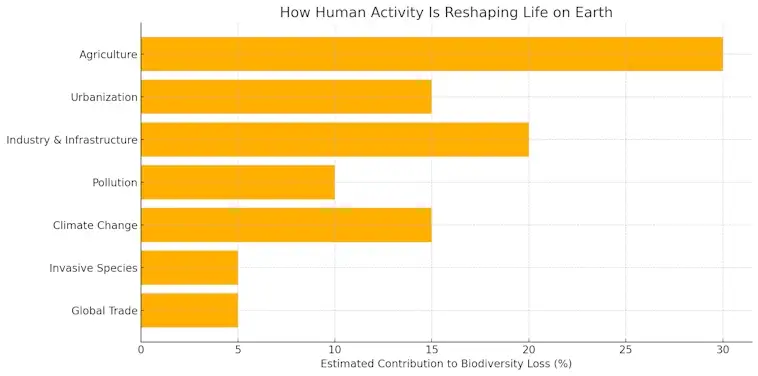
Every road we build, every forest we clear, every factory we run—these actions are reshaping life on Earth in ways we can no longer ignore. Human activity is now the leading force behind the dramatic loss of biodiversity. And the impact is showing up in every corner of the planet.
Agriculture: Feeding the World, Changing the Land
Modern farming has transformed vast stretches of natural habitat into croplands and pastures. To meet global food demand, forests are cleared, wetlands drained, and grasslands plowed under. Pesticides and fertilizers pollute soil and water, while monoculture farming reduces the variety of plant and animal life. As we feed billions, we’re also putting enormous pressure on the ecosystems that support us.
Urbanization: Cities on the Rise, Nature in Retreat
As towns grow into cities, they spread outward—paving over wild landscapes and fragmenting habitats. Urban sprawl often leaves animals with nowhere to go. Light pollution, noise, and traffic further disrupt local ecosystems. Even green spaces can’t fully replace the rich biodiversity lost when natural environments are replaced with concrete.
Industry and Infrastructure: Building at a Cost
Factories, highways, dams, and power plants support modern life—but they also come with consequences. Industrial pollution harms rivers, oceans, and the air we breathe. Large-scale development fragments habitats, making it harder for wildlife to migrate, breed, or find food. And resource extraction, like mining and logging, can permanently alter entire ecosystems.
Global Trade and Transportation: Spreading Risk
Ships, planes, and trucks move goods around the world—but they also move species. Invasive plants and animals hitch rides and end up in ecosystems where they don’t belong. Without natural predators, they often outcompete native species and cause long-term ecological damage.
The Bigger Picture: A Human Footprint Everywhere
No part of the planet is untouched. From the depths of the oceans to remote mountain ranges, human influence is present. Climate change—driven by carbon emissions from human activity—adds yet another layer of stress, forcing species to adapt quickly or disappear.
Human progress has lifted millions out of poverty and improved quality of life around the world. But it’s also come at a steep cost to nature. As biodiversity declines, we risk losing the very systems that keep our air clean, our food growing, and our planet livable.
The challenge ahead? Finding smarter, more sustainable ways to grow, build, and live—without pushing more species to the brink.
Can We Still Turn Things Around? Hope and Solutions Ahead
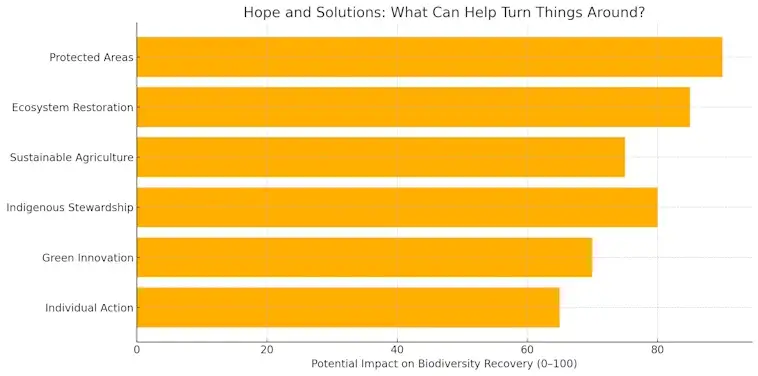
Yes—we can still turn things around. While the loss of biodiversity is serious, it’s not hopeless. Around the world, scientists, communities, and everyday people are stepping up with real solutions. The choices we make today can still shape a healthier, more balanced tomorrow.
1. Protecting What’s Left
One of the most effective ways to preserve biodiversity is to protect natural habitats before they’re lost. Expanding national parks, marine reserves, and wildlife corridors helps give species the space they need to thrive. More countries are committing to conservation goals, including the global pledge to protect 30% of land and sea by 2030.
2. Restoring What’s Been Damaged
Rewilding and ecosystem restoration are gaining momentum. From planting native trees to reintroducing key species, these efforts help revive broken landscapes. Restored ecosystems don’t just support wildlife—they also absorb carbon, improve water quality, and make communities more resilient to climate change.
3. Rethinking Agriculture and Consumption
Sustainable farming methods—like agroforestry, crop rotation, and organic practices—can produce food while supporting biodiversity. Reducing food waste, eating a more plant-based diet, and choosing sustainably sourced products all help lower the pressure on nature. What we eat and buy matters more than we think.
4. Supporting Indigenous Leadership
Indigenous peoples manage some of the most biodiverse regions on Earth. Their traditional knowledge and deep connection to land and wildlife are key to long-term conservation. Empowering Indigenous communities with rights, funding, and respect can lead to powerful, lasting protection for nature.
5. Using Innovation for Good
Technology is helping track endangered species, map ecosystems, and even detect illegal deforestation in real time. Green energy, circular economies, and climate-smart design are helping reduce the footprint of modern life. Innovation isn’t the enemy of nature—it’s part of the solution.
6. Getting Involved at Every Level
Change doesn’t only come from the top. Local actions—like planting pollinator gardens, reducing plastic use, or supporting conservation nonprofits—can add up. Education, policy advocacy, and voting for leaders who prioritize the planet are all ways individuals can drive impact.
There Is Still Time—But Not Forever
Nature is resilient. With the right support, species can rebound and ecosystems can recover. But we must act now, while there’s still time to make a difference. The path forward is clear: protect more, restore faster, consume less, and live in balance with the natural world.
Hope is not just wishful thinking—it’s a decision to care and a reason to act.
The Bottom Line on Biodiversity Loss
The decline of global biodiversity isn’t just a problem for the future—it’s a crisis unfolding right now. As species disappear and ecosystems unravel, the impacts ripple through every part of life, from food and health to climate and security.
But this story isn’t finished. While the challenges are serious, they are not beyond our ability to solve. By protecting natural habitats, supporting sustainable practices, and making smarter choices in how we live and consume, it’s still possible to turn the tide.
Every action matters. Whether it’s conserving a backyard pollinator, supporting climate-smart farming, or amplifying the voices of those protecting land and wildlife, change begins with awareness—and grows with action.
Nature is resilient. With care and commitment, recovery is within reach. The question is not whether we can make a difference, but whether we choose to—while there’s still time.