

Nature Rights Offer New Hope for a Dying Planet
Why Nature Rights Matter More Than Ever for Our Planet’s Future
The natural world is under growing pressure from climate change, pollution, habitat loss, and declining wildlife populations. As these challenges become more severe, many people are looking for fresh ways to protect ecosystems before the damage becomes irreversible. One idea gaining global attention is nature rights, which gives rivers, forests, mountains, and other ecosystems legal recognition and protection instead of treating them only as property.
This shift is changing how governments, communities, and courts think about the relationship between people and the environment. Rather than focusing only on human interests, nature rights recognise that healthy ecosystems have value in their own right. As a result, countries around the world are testing new legal approaches that could strengthen conservation, improve environmental justice, and help restore damaged landscapes.
Although the movement is still evolving, early successes suggest it could play an important role in protecting biodiversity and tackling the environmental challenges of the future. Understanding how nature rights work, where they have been adopted, and what they could achieve offers valuable insight into one of the most significant changes in environmental law today.
What You’ll Discover
Nature Rights: A New Way to Protect the Planet
Why Current Environmental Laws Are Falling Short
How Legal Rights for Nature Are Changing Conservation
Real-World Examples That Show Progress
What Nature’s Future Could Look Like
Conclusion: Why Nature Rights Could Shape a Better Future
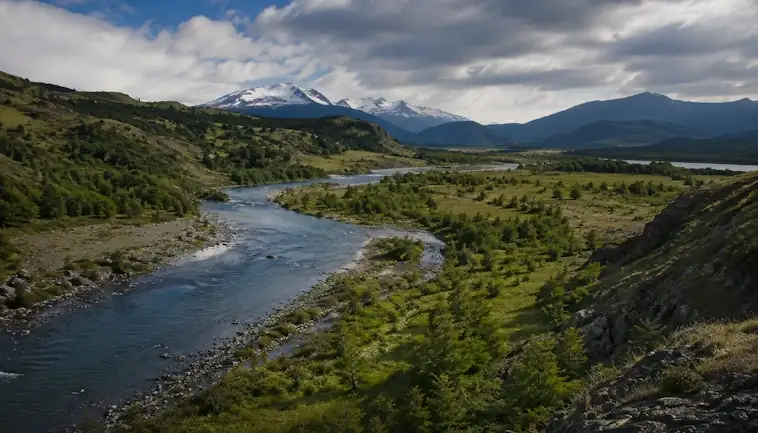
Nature Rights: A New Way to Protect the Planet
For many years, people have seen nature as something to own, use, or manage. However, a new idea is changing that way of thinking. Instead of treating rivers, forests, and ecosystems as property, some countries and communities now believe that nature should have legal rights of its own.
This approach is known as nature rights or the rights of nature. It argues that the natural world deserves protection, not just because it benefits people, but because it has value in its own right.
As climate change, pollution, and habitat loss continue to grow, many experts believe traditional environmental laws are no longer enough. While these laws often regulate how much damage is allowed, nature rights focuses on preventing harm before it happens. As a result, it offers a fresh and more balanced way to care for the environment.
This idea is already making a difference around the world. Rivers have been given legal personhood. Forests are being recognised as living ecosystems with rights. In addition, Indigenous communities have played a key role in shaping many of these legal changes by sharing generations of knowledge about living in harmony with nature.
Why Are Nature Rights Becoming More Popular?
People are beginning to realise that human well-being depends on healthy ecosystems. Clean water, fresh air, fertile soil, and thriving wildlife all support our daily lives. Therefore, protecting nature also means protecting our own future.
Several factors are driving the growing interest in nature rights:
- Climate change is increasing pressure on ecosystems.
- Biodiversity is declining at an alarming rate.
- Many people believe existing environmental laws are not strong enough.
- Indigenous knowledge is gaining greater recognition around the world.
- Governments and communities are looking for new ways to protect natural resources for future generations.
By recognising nature as a rights holder, supporters hope that courts and governments will make decisions that consider the long-term health of the environment rather than only short-term economic benefits.
A Different Way of Thinking About Nature
Nature rights represents a major shift in how society views the natural world. Instead of asking, “How can we use nature?” it encourages us to ask, “How can we live alongside nature while respecting its right to exist and thrive?”
Although this approach is still developing, it has already inspired legal reforms, conservation projects, and public debate in many countries. As environmental challenges continue to grow, Nature rights could become an increasingly important part of global efforts to build a healthier and more sustainable future for both people and the planet.
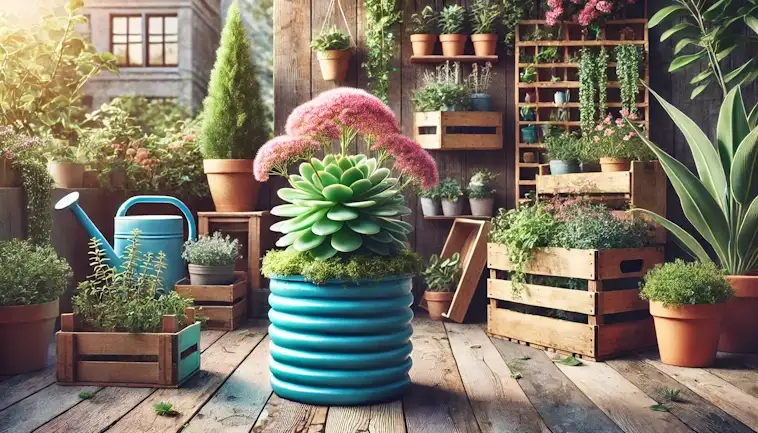
Simple Ways to Kickstart Your Sustainable Lifestyle
Starting a sustainable lifestyle might seem tough, but it’s easier than you think! Small, simple steps can make a big difference for our planet.
Why Current Environmental Laws Are Falling Short
For decades, environmental laws have helped protect forests, rivers, wildlife, and clean air. They have reduced pollution, created protected areas, and held some companies accountable for environmental damage. Yet, despite these efforts, the natural world continues to decline at an alarming rate.
So, what is going wrong?
The biggest problem is that most environmental laws focus on managing damage instead of preventing it. In many cases, nature is treated as property or a resource that people can use. As long as activities stay within legal limits, ecosystems can still be harmed over time. This means that destruction often remains legal, even when it causes lasting damage.
At the same time, many laws are reactive rather than proactive. Governments and regulators often step in only after pollution has occurred or habitats have already been destroyed. By then, restoring ecosystems can be expensive, difficult, or even impossible.
Another challenge is enforcement. Even strong environmental laws can fail if they are not properly monitored or enforced. Limited funding, political pressure, and lengthy legal battles can all slow action. As a result, businesses or individuals responsible for environmental harm may avoid meaningful consequences.
Climate change also highlights the limits of existing legal systems. Many environmental laws were written decades ago. They were designed to deal with local pollution rather than global challenges such as rising temperatures, biodiversity loss, and ecosystem collapse. Because of this, they often struggle to address today’s complex environmental problems.
Why Nature Rights Are Changing the Conversation
This is where nature rights offers a different way of thinking. Instead of viewing nature only as something people own or manage, this approach recognises that ecosystems have their own value and deserve legal protection.
As a result, rivers, forests, and other natural places can be represented in court. This shifts the focus from repairing damage after it happens to preventing harm before it begins. It also encourages governments, businesses, and communities to consider the long-term health of ecosystems when making decisions.
Looking Beyond Traditional Environmental Protection
While stronger enforcement and updated regulations remain important, many experts believe they are no longer enough on their own. The growing environmental crisis requires fresh legal ideas that reflect the deep connection between people and the natural world.
That is why interest in nature rights continues to grow across the world. By giving nature a stronger legal voice, supporters believe societies can move beyond simply limiting environmental harm and begin creating laws that actively protect the ecosystems that sustain all life.
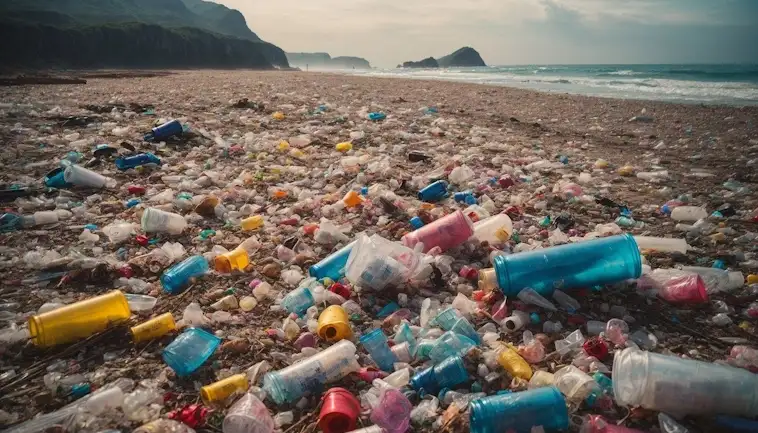
Turning the Tide on Plastic: Strategies That Work
Plastic pollution is a pressing global issue that affects our oceans, wildlife, and health. Around the world, innovative strategies are making a real difference in tackling this problem.
How Legal Rights for Nature Are Changing Conservation
For many years, conservation focused on protecting nature because it benefits people. Forests provide clean air. Rivers supply water. Wetlands reduce flooding. While these reasons still matter, a new idea is changing how many people think about the natural world.
Instead of treating nature as property, some countries and communities are giving ecosystems legal rights. This means a river, forest, or mountain can be recognised in law as having its own interests that deserve protection. As a result, governments, Indigenous communities, and environmental groups can act on behalf of these natural places when they face harm.
Although this approach is still developing, it is already changing conservation around the world. It encourages long-term thinking instead of short-term gains. At the same time, it reminds us that healthy ecosystems are essential for both wildlife and people.
Why Giving Nature Legal Rights Matters
Traditional environmental laws often focus on limiting damage after it happens. However, legal rights for nature shift the focus toward preventing harm in the first place. This creates a stronger legal foundation for protecting ecosystems before they reach a crisis.
Some of the biggest benefits include:
- Recognising ecosystems as living entities rather than resources.
- Encouraging governments to consider the long-term health of nature.
- Giving communities stronger legal tools to challenge harmful projects.
- Supporting the restoration of damaged habitats.
- Strengthening partnerships between Indigenous peoples and governments.
- Promoting sustainable development that balances economic growth with environmental protection.
This approach also changes public attitudes. When people see rivers, forests, and wildlife as having rights, they are often more willing to protect them for future generations.
Challenges and Opportunities for the Future
Despite its promise, granting legal rights to nature is not a simple solution. Different countries have different legal systems, making implementation complex. Questions also remain about who should represent nature in court and how competing human and environmental interests should be balanced.
Even so, interest continues to grow because the benefits could be far-reaching.
Key opportunities include:
- Better protection for endangered ecosystems.
- More effective responses to pollution and habitat destruction.
- Greater involvement of local and Indigenous communities in conservation decisions.
- Stronger climate resilience through healthier natural environments.
- A shift towards policies that value nature beyond its economic worth.
Looking ahead, legal rights for nature could become one of the most important developments in modern conservation. While challenges remain, this growing movement encourages societies to rethink their relationship with the natural world. Ultimately, protecting nature may no longer be just about preserving resources. Instead, it could become about recognising that the living world has value in its own right.
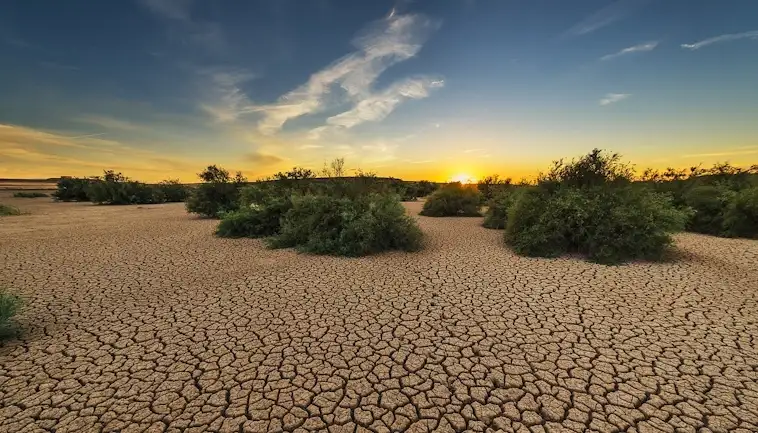
The Impact of Droughts on Global Food Prices
Droughts are hitting hard, and it’s not just the land that’s feeling the heat—our grocery bills are too. As key agricultural regions face water shortages, the crops we rely on can’t grow as plentifully.
Real-World Examples That Show Progress
For many years, giving legal protection to nature seemed like an impossible idea. However, that is no longer the case. Around the world, countries, communities, and courts are beginning to recognize that rivers, forests, and ecosystems deserve protection in their own right. While every approach is different, these examples show that meaningful change is already happening.
Even though the movement is still growing, these real-world success stories prove that new ways of thinking can influence laws, policies, and conservation efforts. As a result, they offer hope that people and nature can thrive together instead of competing for the same resources.
Nature Rights in Action Around the World
Several countries have already taken important steps to recognize the rights of nature. In Ecuador, the country’s constitution includes legal protections for nature. This allows people to bring court cases on behalf of ecosystems when they are harmed.
Meanwhile, New Zealand has granted legal personhood to the Whanganui River. This means the river is recognized as having its own legal identity, with appointed guardians acting in its best interests. The decision reflects both environmental goals and the cultural values of the Māori people, who have long viewed the river as a living ancestor.
Elsewhere, local governments and Indigenous communities have introduced similar ideas. Although these legal frameworks vary, they all share one common goal. They aim to move beyond treating nature as property and instead recognize it as something with inherent value that deserves respect and protection.
What These Success Stories Mean for the Future
These examples show that change does not happen overnight. Instead, it grows through small but meaningful steps. Every new law, court ruling, or community initiative helps build momentum for wider recognition of nature’s rights.
Of course, challenges remain. Enforcing these legal protections can be difficult, and balancing economic interests with environmental responsibility is not always easy. Even so, each success creates valuable lessons for other countries and communities considering similar approaches.
Looking ahead, the growing interest in nature rights suggests that this movement is more than a passing trend. As climate change, biodiversity loss, and pollution continue to affect every corner of the world, more governments may explore legal frameworks that place the health of ecosystems at the heart of decision-making.
Ultimately, these real-world examples remind us that progress is possible. When people choose to value nature as a living partner rather than simply a resource, they create stronger foundations for a healthier and more sustainable future.

Unpredictable Skies: The New Norms of Weather Changes
Weather isn’t what it used to be. Days that start sunny can turn into stormy evenings with little warning. Across the globe, people are noticing these shifts.
What Nature’s Future Could Look Like
The future of nature is not set in stone. Every choice we make today helps shape the world we leave behind. While many ecosystems are under pressure, there are also encouraging signs that recovery is possible. Around the world, forests are growing back, endangered animals are returning, and communities are finding better ways to live alongside nature.
At the same time, climate change, pollution, and habitat loss continue to create new challenges. Because of this, the future will depend on how quickly people, businesses, and governments act together. The good news is that even small changes can make a real difference when millions of people take part.
Rather than asking whether nature can recover, a better question is how fast we are willing to help it. After all, a healthy planet supports healthy people, thriving wildlife, and stronger communities.
A Future Built on Restoration and Innovation
One of the most promising changes is the growing focus on restoring damaged ecosystems instead of simply protecting what remains. As technology improves and conservation methods become more effective, we have more tools than ever before to help nature recover.
This future could include:
- Larger connected wildlife habitats that allow animals to move safely.
- Cleaner rivers, lakes, and oceans with less plastic pollution.
- Cities filled with more parks, trees, and green roofs.
- Farms that work with nature while producing healthy food.
- Renewable energy that reduces pollution and protects natural landscapes.
- Communities actively restoring local woodlands, wetlands, and coastlines.
- Better monitoring of wildlife through satellites, drones, and artificial intelligence.
- More businesses investing in sustainable practices and biodiversity projects.
These changes are already happening in many parts of the world. Although progress is uneven, they show that positive action can deliver real results.
Every Generation Has a Role to Play
Creating a better future for nature is not only the job of scientists or governments. Everyone has a part to play, regardless of age or where they live.
Simple actions can have a lasting impact, including:
- Planting native flowers and trees.
- Reducing waste and recycling more.
- Supporting local conservation groups.
- Choosing products from sustainable sources.
- Saving water and using energy wisely.
- Learning about local wildlife and sharing that knowledge with others.
- Encouraging friends and family to spend more time outdoors.
Looking ahead, the relationship between people and nature could become much stronger than it is today. By combining innovation with respect for the natural world, future generations could inherit healthier forests, cleaner oceans, richer biodiversity, and more resilient ecosystems. Although challenges remain, there are many reasons to be hopeful. The actions we take now will help determine what nature’s future truly looks like.
Conclusion: Why Nature Rights Could Shape a Better Future
Our planet is under growing pressure. Climate change, pollution, and habitat loss continue to threaten the ecosystems we all depend on. Yet the rise of nature rights offers a fresh way to rethink how we protect the natural world. Instead of treating rivers, forests, and wildlife as resources to use, this approach recognises that nature has its own value and deserves legal protection.
Although the movement is still developing, it is already influencing laws, communities, and conservation efforts around the world. As more countries explore this legal framework, nature rights could become an important part of creating a healthier and more balanced relationship between people and the environment.
The road ahead will not be without challenges. However, every step towards recognising the rights of nature encourages stronger environmental protection and greater responsibility for future generations. By supporting policies, organisations, and local initiatives that protect the natural world, we can all play a part in building a more sustainable future.
The question is no longer whether we need new solutions. It is whether we are ready to give nature the voice it has never had before.