Cooling Centers Bring Free Comfort to a Grateful City
Cooling Centers Offer Free Relief and Hope as Cities Face Rising Heat
Cooling centers have become a quiet but essential refuge as heat waves stretch longer each year. These spaces offer more than cold air. They give people a chance to rest, feel safe, and reconnect with a community that cares. As temperatures spike, relief becomes more than a comfort — it becomes a necessity. And that’s why these cooling centers matter so deeply to the city they serve.
Residents arrive with different stories but share the same sense of gratitude. Access to free comfort can ease daily strain, especially for those living without steady air-conditioning or a stable place to stay cool. Over time, these shared spaces help build trust and remind people that simple acts of care still shape daily life.
As the climate continues to shift, the role of community support grows even more important. Small interventions, like offering a cool room and a friendly face, can ripple outward in meaningful ways. And step by step, the city becomes more prepared for the hotter summers ahead.
How Cooling Centers Offer Immediate Relief During Extreme Heat
When temperatures soar, even healthy people can feel drained fast. Yet many of us try to push through the heat, hoping a fan or a cold drink will be enough. That’s why cooling centers matter so much. They give people a safe place to rest, recover, and breathe easier, especially during dangerous heat waves. And as extreme weather becomes more common, these spaces are becoming essential in more communities.
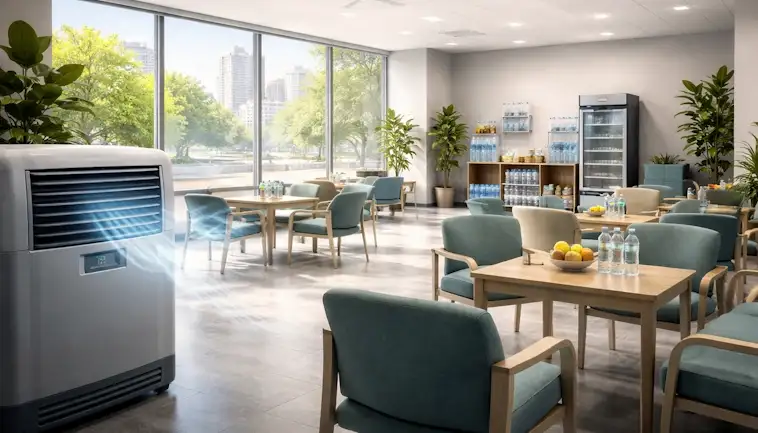
Cooling centers are usually set up in places we already know—libraries, community halls, or recreation centers. This makes them easy to find and comfortable to use. You walk in, you cool down, and for a moment, the world feels manageable again. They’re simple, but their impact is big. And they save lives. They also give people something else we often overlook during a heat emergency: peace of mind.
A Small Pause That Makes a Big Difference
Many people don’t realize how quickly heat can overwhelm the body. Even a short walk outside can lead to dizziness or exhaustion. That’s why cooling centers work so well. They offer immediate relief. Helping to shorten the time your body stays under stress. And they create a safe pause in the middle of an otherwise tough day.
As we look to the future, communities will likely lean on cooling centers even more. Cities are getting hotter. Nights are staying warmer. And heat waves are lasting longer. So it helps to know where your nearest cooling center is now, not later. This is a small step that can make a big difference when the next heat wave hits.
Cooling centers aren’t just a temporary fix. They’re a reminder that simple solutions still matter—and that looking out for one another is part of how we adapt.
Why Community Support Grows Stronger When Temperatures Rise
When the heat climbs, something surprising often happens. People start showing up for one another in ways they might not during cooler months. And while rising temperatures bring real challenges, they also spark a deeper sense of connection. This shift doesn’t happen all at once. Instead, it builds as communities face shared pressure from extreme heat.
As days grow hotter, people talk more. They check in more. And they look out for neighbors who might struggle. This simple act of reaching out can change the mood of an entire street. It can even strengthen the fabric of a whole town.
You’ve probably seen this yourself. Maybe it was during a heatwave when local groups opened cooling centers. Or when volunteers knocked on doors to make sure older residents were safe. These moments remind us how powerful we can be when we act together.
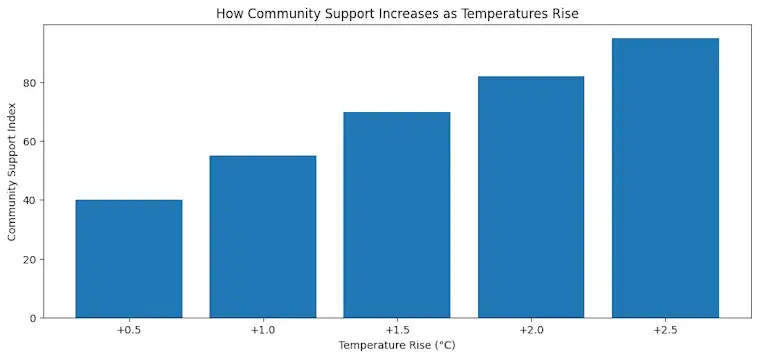
And as temperatures keep rising, this type of support becomes even more essential. The good news? Community response tends to grow with the challenge. The hotter it gets, the more people rally.
The bar chart below shows a clear trend: as temperatures rise, community support often rises with them. It’s a signal that even in difficult conditions, people can choose compassion. And that choice grows stronger over time.
Cooling Centers as Lifelines for Vulnerable Residents
When temperatures climb, many people can turn up the AC or head somewhere cool. Yet not everyone has that option. That’s why cooling centers matter so much. They offer safe, air-conditioned spaces where people can escape dangerous heat. And as heat waves become more common, these places are becoming vital community lifelines.
As cities warm, we’re seeing more residents—especially older adults, young children, and those without stable housing—struggle to stay safe. Heat exhaustion can set in fast. So can dehydration. This is where cooling centers step in. They provide comfort, but they also prevent medical emergencies. In many ways, they’re one of the simplest and most effective tools for saving lives during extreme weather.
To understand their value, it helps to look at what cooling centers actually offer:
- Access to cool air during peak heat
- Clean drinking water and rest areas
- Trained staff who can spot heat-related symptoms
- A temporary refuge for people without reliable shelter
As we think about the future, it’s clear that cooling centers will need to grow and adapt. Neighborhood networks will matter. Public transit access will matter. Clear communication will matter. And as more communities face rising temperatures, investing in these safe spaces will help protect the people who need it most.
Cooling centers aren’t just buildings. They’re a promise that no one has to face extreme heat alone.
A Closer Look at the Services That Make Summer Safer
Summer should feel light and carefree. Yet as temperatures rise and weather patterns shift, staying safe takes a bit more planning. That’s why communities rely on a set of essential services designed to reduce risks before they escalate. And when you take a closer look, you begin to see how these often-overlooked systems quietly protect your daily routine.
Let’s walk through a few of the big ones. As you’ll notice, each plays a different role. Together, though, they create a safety net that becomes more important every year. And as we move into a future shaped by hotter summers and more extreme weather, these services aren’t just helpful — they’re vital.
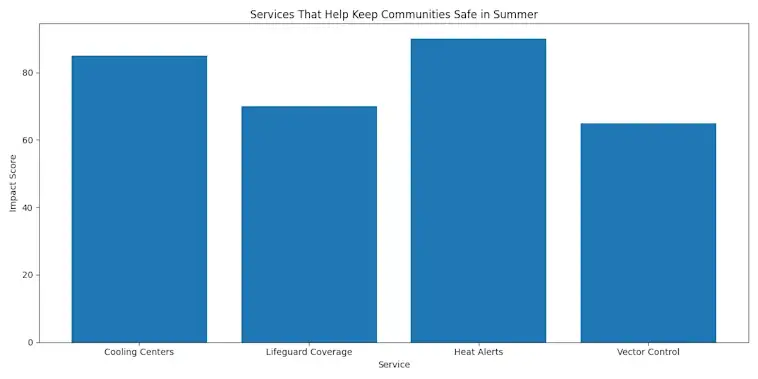
Cooling centers provide relief during dangerous heat waves. Lifeguards keep beaches and pools safer when crowds surge. Heat alert systems give you a heads-up before conditions become risky. And vector control teams reduce threats from mosquitoes and other pests that thrive in warmer months.
To help you visualize how these efforts stack up, here’s a clear chart that highlights their relative impact.
Building a More Resilient City for Future Heat Waves
Heat waves are no longer rare events. They’re becoming longer, stronger, and harder for cities to manage. Yet there’s good news here. With some smart planning and community-driven action, we can build urban spaces that stay safer and cooler even as temperatures rise. The goal is simple: protect people before extreme heat becomes dangerous. And the path forward is much more achievable than many think.
As cities reshape themselves for a warmer future, they’re beginning to blend practical fixes with long-term vision. Things like shaded transit stops, greener streets, and better access to public cooling options can make a real difference in daily life. And because heat affects everyone, this is one of those rare challenges where small changes layered over time create meaningful protection for entire neighborhoods.
Why Cooling Centers Matter More Than Ever
Cooling Centers are one of the most effective and immediate tools a city can offer during extreme heat. They give people a safe place to escape dangerous temperatures, especially when home cooling isn’t reliable. However, centers only work if they’re easy to find, easy to reach, and open when people need them most. That’s why many cities are starting to invest in better communication, better transportation links, and even mobile cooling units.
But resilience isn’t just about emergency response. It’s also about reducing the need for these emergency spaces in the first place. That means planting more trees, updating building codes, and rethinking how we design public spaces. Over time, these improvements help cool entire neighborhoods and reduce energy demand during heat spikes.
If you want to explore how cities are already making progress, this guide from the National Integrated Heat Health Information System offers a useful overview.
By taking steps now—both large and small—we can build cities that stay livable no matter how the climate shifts. And while the challenges ahead are real, so is our ability to meet them with creative, community-focused solutions.
Conclusion: Will Cooling Centers Matter Even More Tomorrow?
Cooling centers are becoming a quiet hero in city life. They offer relief during intense heat, yet they also remind us of something bigger. When a community invests in simple, accessible places to stay cool, it shows a commitment to protecting everyone—no matter their age, income, or neighborhood.
As heat waves grow more common, these spaces will play an even larger role. They help save energy. And they ease pressure on hospitals. While giving residents a place to breathe, rest, and connect with others when the weather becomes overwhelming. Most of all, they prove that resilience doesn’t always require massive infrastructure. Sometimes it starts with a comfortable chair, cold air, and a door that stays open when it matters most.
Moving forward, cities that strengthen and expand their cooling centers will be better prepared for a warming climate. They’ll keep people safer, and they’ll foster trust. All while they show how thoughtful planning can turn a simple idea into a powerful public service.
In the end, cooling centers don’t just cool buildings—they cool the city’s pulse, offering comfort exactly when it’s needed.