
Cold Snap Warning: Simple Ways to Protect Your Home
Cold Snap Warning: Simple Ways to Protect Your Home
A sudden cold snap can put your home under real pressure. Freezing temperatures strain pipes, weaken insulation, and drive up heating costs. The good news is that a few simple steps can help protect your property and keep your family comfortable when the weather turns harsh. From safeguarding plumbing to sealing drafts, small changes today can prevent expensive repairs tomorrow. With the right preparation, you can face a cold snap with confidence and keep your home warm, safe, and energy-efficient.
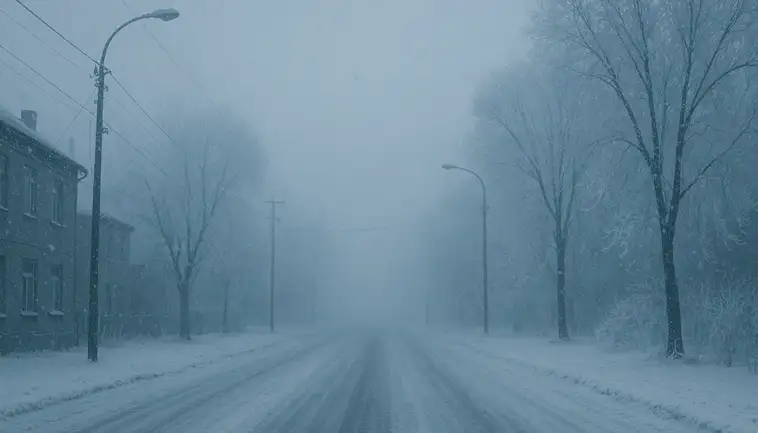
Seal Drafts to Keep the Heat Inside During a Cold Snap
When a cold snap hits, even the smallest draft can make your home feel icy. Cold air sneaks in through cracks, gaps, and poorly sealed windows. At the same time, the warm air you pay to heat escapes outside. That’s not only uncomfortable, it also drives up your energy bill.
Sealing drafts is one of the easiest and cheapest ways to keep the heat inside during winter. Start by checking around doors, windows, and baseboards. If you feel cold air coming through, that’s a sign you’ve found a leak. Weatherstripping, caulk, or even a draft stopper can make a huge difference.
A Simple Weekend Fix
The good news is that sealing drafts doesn’t require a full renovation. In fact, most fixes take less than an hour. A tube of caulk or a roll of weatherstripping costs only a few dollars, yet the payoff is big. You’ll notice your rooms feel warmer almost instantly, and your heating system won’t have to work as hard.
Think of it this way: every gap you seal is money saved and comfort gained. Over time, these small improvements add up to lower heating costs and a cozier home.
Protect Your Pipes from Freezing and Bursting
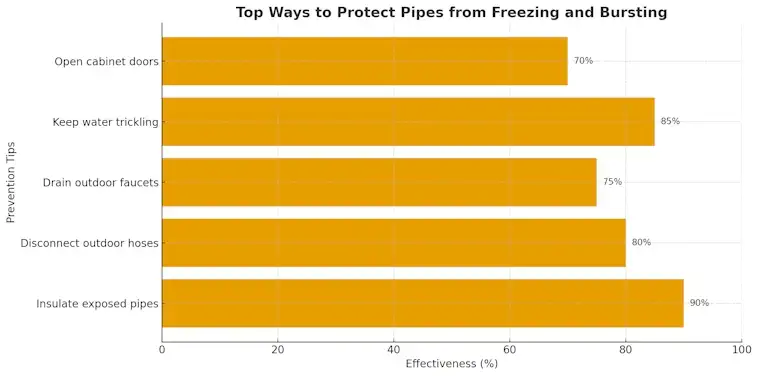
When the temperature drops, your pipes are at risk. Freezing pipes can quickly turn into bursting pipes, and that means costly water damage. The good news is that with a few simple steps, you can protect your pipes and keep your home safe during a cold snap.
Start by insulating exposed pipes in unheated areas like basements, attics, and garages. Pipe insulation is affordable, easy to install, and can prevent freezing before it starts. Don’t forget outdoor faucets and hoses—disconnect and drain them before the first freeze.
Keep Water Moving
One of the simplest tricks to prevent frozen pipes is to keep water flowing. On especially cold nights, let a small trickle run from your faucets. This relieves pressure inside the pipes and makes it harder for water to freeze solid.
Also, open cabinet doors under sinks to let warm air circulate around pipes. It’s a small step, but it helps keep the cold out.
By taking action now, you’ll avoid the stress and expense of dealing with burst pipes later. Protecting your pipes is about peace of mind, lower repair costs, and a warm, safe home all winter long.
Winterize Windows and Doors on a Cold Snap Budget
When freezing air sneaks in through cracks around your windows and doors, your heating bill takes the hit. The good news? You don’t need to spend a fortune to stay warm. With a few smart steps, you can winterize windows and doors on a budget and keep the chill out for good.
Even small changes make a big difference. Draft stoppers, plastic film insulation, and a simple tube of caulk can stop cold air from creeping in. These budget-friendly fixes don’t just cut energy waste—they also make your home feel instantly cozier.
Why Drafts Cost You More Than You Think
A tiny draft may not seem like much, but it can let out enough warm air to make your furnace work overtime. By sealing leaks around windows and doors, you’ll reduce heat loss and save money every single month.
Weatherstripping is one of the cheapest tools for the job. You can pick it up at most hardware stores, and it installs in minutes. For windows, plastic insulation kits are another quick win. They’re clear, easy to apply, and surprisingly effective at blocking cold air.
Remember, winterizing doesn’t have to mean major renovations. It’s about small, practical fixes that add up. By focusing on energy efficiency now, you’ll enjoy a warmer home and a lower heating bill all season long.
Safe Heating Tips to Stay Warm Without Risk
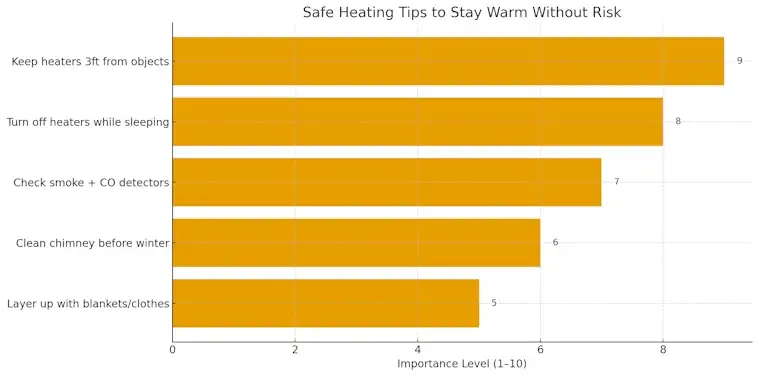
When a cold snap hits, it’s tempting to turn up the heat and forget about safety. But staying warm doesn’t have to mean taking chances. By following a few safe heating tips, you can enjoy a cozy home without worrying about fire hazards or high energy bills.
The first step is to make sure your main heating system is working properly. A quick tune-up can keep it running efficiently and reduce the risk of breakdowns in the middle of winter. Portable heaters are another option, but they should always be used with care. Keep them at least three feet away from curtains, furniture, and bedding.
Small Habits That Make a Big Difference
Little choices go a long way when it comes to safe heating. Never leave a space heater running while you sleep. Check smoke and carbon monoxide detectors to make sure they’re working. And if you use a fireplace, clean the chimney before lighting the first fire of the season.
Layering up with blankets, cozy socks, and warm clothing also helps you stay comfortable without cranking the thermostat. These simple steps not only keep you safe but also cut down on heating costs.
Remember, safe heating is about balance. Use your heaters wisely, add extra layers, and always stay alert. That way you’ll stay warm without risk and enjoy peace of mind all winter long.
Cold Snap Outdoor Prep: Safeguard Roofs, Gutters, and Walkways
When a sudden freeze hits, the outside of your home takes the first blow. Snow, ice, and bitter winds can cause damage that’s expensive to repair. The good news is you can prepare ahead of time. With a little planning, it’s easy to safeguard roofs, gutters, and walkways before a cold snap strikes.
Clearing gutters is a simple but powerful step. When gutters are clogged with leaves, ice dams form and water backs up under your roof. This can lead to leaks and structural damage. By keeping them clear, you prevent water from freezing where it doesn’t belong.
Your roof also deserves attention. Loose shingles, cracked flashing, or even small gaps can let in melting snow. A quick inspection now saves you from costly repairs later.
Walkways: Safety Starts at Ground Level
Icy walkways are more than a hassle—they’re a serious safety risk. Stock up on salt or eco-friendly de-icer before the forecast turns. Shovel early and often so snow doesn’t have a chance to harden into ice. And if you want an extra layer of protection, consider traction mats for high-traffic areas.
These outdoor prep steps don’t require big spending. They’re about prevention, not pricey fixes. By focusing on roofs, gutters, and walkways, you’ll not only protect your home but also keep your family safe during a cold snap.
Stay Ready, Stay Warm During Every Cold Snap
A cold snap doesn’t have to catch you off guard. With a little preparation, you can protect your home, stay safe, and keep heating costs under control. From sealing windows and doors to clearing gutters and walkways, small steps go a long way.
The key is to plan ahead and act early. By winterizing your home and following safe heating tips, you’ll avoid costly repairs and stay comfortable even when temperatures plunge.
A cold snap is tough, but with the right strategies, you’ll be tougher. Stay prepared, stay safe, and enjoy peace of mind all season long.