
Innovative Strategies for Mastering Waste Reduction
Innovative Strategies for Mastering Waste Reduction
Waste reduction is no longer just a buzzword—it’s a necessity. With landfills overflowing and resources dwindling, finding smarter ways to cut down on waste is becoming a top priority for individuals, communities, and businesses alike. The good news? Innovative strategies are making it easier than ever to reduce our environmental footprint without sacrificing convenience or efficiency.
From high-tech solutions to simple mindset shifts, waste reduction is evolving fast. Whether you’re aiming to cut costs, support sustainability goals, or build a more responsible brand, understanding what works today—and what’s coming next—can help you stay ahead.

Why Waste Reduction Matters More Than Ever
Waste reduction isn’t just a nice idea anymore — it’s a necessity. With growing populations, rising consumption, and increasing pressure on our planet’s resources, reducing waste has become one of the most urgent challenges of our time.
Every product we throw away has a cost. It took energy to make, water to produce, and often travels thousands of miles before reaching us. When we toss it, we’re not just throwing out the item — we’re wasting all the resources behind it too.
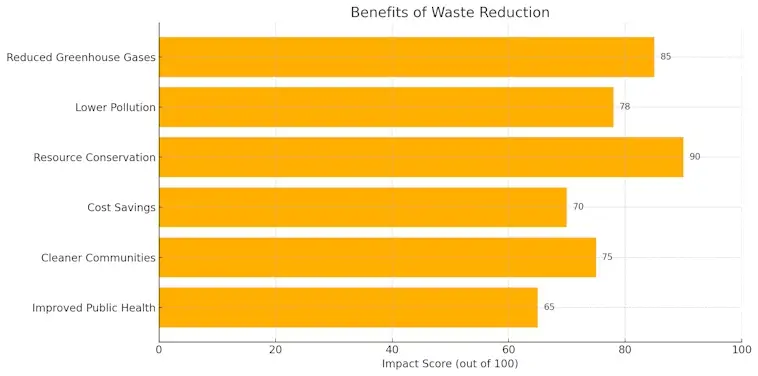
Waste reduction helps solve this. By using less, reusing more, and recycling smarter, we reduce the demand for new materials. That means fewer greenhouse gas emissions, less pollution, and a cleaner, more sustainable future. It’s one of the fastest, most affordable ways to fight climate change — and it starts with simple daily choices.
But it’s not just about the environment. Businesses that focus on waste reduction cut costs, improve efficiency, and build stronger reputations. Cities that manage waste better create cleaner streets and healthier communities. Households that reduce waste save money and live lighter.
In short, waste reduction benefits everyone — and we need it now more than ever. The future depends on how we manage our waste today.
Smart Technologies Driving Waste Reduction Today
We’re living in a time where smart technology is changing how we live — and that includes how we handle waste. Across cities, homes, and industries, digital tools and innovative tech are making waste reduction easier, faster, and more effective.
Take smart bins, for example. These high-tech containers can track how full they are, sort materials automatically, and even alert collection services when they need emptying. The result? Less overflow, better recycling rates, and reduced emissions from unnecessary pickups.
Then there’s AI and data analytics. Businesses now use artificial intelligence to analyze waste patterns, helping them cut back on materials, streamline packaging, and redesign products with sustainability in mind. It’s a game-changer for industries trying to meet both environmental and financial goals.

Food waste is another area seeing big innovation. Smart kitchen apps, connected fridges, and expiry date trackers are helping households and restaurants keep food out of landfills. In fact, some platforms now match excess food with people or charities in need — cutting waste and feeding communities at the same time.
Even construction and manufacturing are getting smarter. Sensors, automation, and 3D printing are reducing scrap materials and optimizing how resources are used from the start.
Waste reduction isn’t just a goal anymore — it’s becoming built into the systems we use every day. And as these smart technologies continue to evolve, we’re moving closer to a cleaner, more efficient future.
Everyday Habits That Supercharge Waste Reduction
You don’t need to be an expert or own fancy tools to make a difference. Some of the most powerful steps toward waste reduction start at home — with simple, everyday habits.
Start with what you buy. Choosing products with less packaging, buying in bulk, and bringing your own reusable bags and containers can cut tons of waste over time. It’s a small change that adds up fast.
Next, look at how you use things. Can you repair instead of replace? Borrow instead of buy? From mending clothes to sharing tools with neighbors, these small shifts keep more out of landfills and more money in your pocket.
Meal planning is another waste-fighting hero. By shopping with a list, storing food properly, and using leftovers creatively, you can slash food waste and save big. Composting what’s left takes it even further — turning scraps into soil instead of garbage.
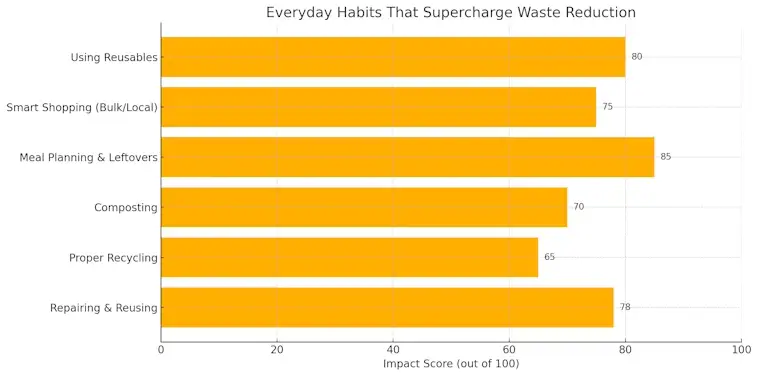
Even how you recycle matters. Learning your local recycling rules and rinsing containers before tossing them helps ensure materials actually get reused instead of rejected.
These habits may seem small, but together they create a big impact. Waste reduction doesn’t have to be overwhelming — it just has to be consistent. And when more people take action every day, the results ripple out to benefit our communities, economy, and environment.
How Businesses Are Leading the Way in Waste Reduction
Waste reduction isn’t just a personal responsibility — it’s becoming a business priority. Across industries, companies are rethinking how they use resources, cut waste, and operate more sustainably. The good news? It’s not just helping the planet. It’s also boosting their bottom lines.
Many leading brands are redesigning products and packaging to use less material or to be easily recycled. From compostable shipping mailers to refillable containers, these smart design choices are making a real difference. Less packaging means less trash — and often lower costs.
Behind the scenes, businesses are turning to technology to track, measure, and manage waste. Data-driven insights help companies find inefficiencies, streamline operations, and reduce what ends up in landfills. In restaurants, for example, smart inventory systems and food waste monitors are cutting spoilage and saving thousands of dollars.
Some companies are going even further — by embracing circular economy models. This means reusing materials, repairing products, or taking items back for recycling. Fashion brands are creating clothes from recycled textiles. Electronics companies are offering trade-in and repair programs to extend product life.
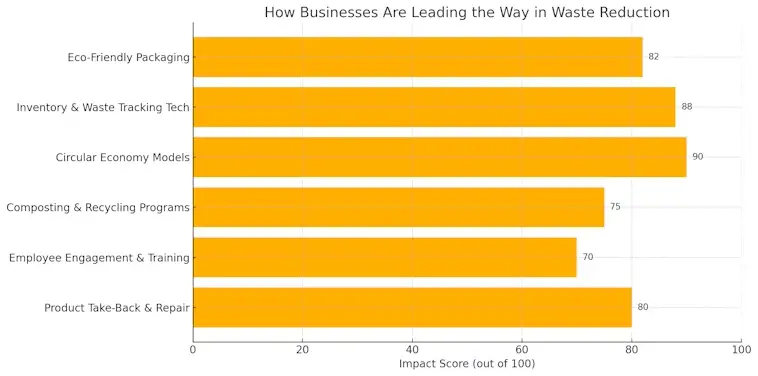
Internally, many businesses are building a culture around waste reduction. From office-wide composting programs to waste-free events, small changes across teams can have a big collective impact.
Customers are taking notice, too. Brands that focus on sustainability are winning loyalty, attracting talent, and standing out in crowded markets. In today’s economy, being waste-wise isn’t just responsible — it’s smart strategy.
Businesses are showing that when innovation meets intention, waste reduction becomes a win for everyone.
The best part? You don’t have to wait. You can start right now.
The Future of Waste Reduction: What’s Next?
Waste reduction has come a long way — but the journey is far from over. As technology advances and public awareness grows, the future of waste reduction is looking smarter, cleaner, and more connected than ever.
One major shift is automation. From AI-powered sorting systems to robotics in recycling plants, machines are getting better at identifying, separating, and processing materials. This means higher recycling rates and less contamination, making waste management more efficient at scale.
Digital platforms are also evolving. Expect to see more apps that help consumers track their waste, get real-time recycling tips, or even earn rewards for reducing what they throw away. Smart homes will soon play a bigger role too, with connected appliances and sensors that help minimize food waste and manage energy use automatically.

At the policy level, governments are setting stricter targets and encouraging zero-waste initiatives. Extended producer responsibility laws are pushing companies to take ownership of their products from design to disposal. This is driving innovation in sustainable materials and packaging solutions that go beyond what we’ve seen before.
We’re also seeing a cultural shift. Younger generations are leading the charge, embracing low-waste lifestyles and demanding more transparency from brands. As this mindset spreads, waste reduction will become not just a practice — but an expectation.
And on a global scale, collaboration will be key. Cities, countries, and corporations will need to share data, ideas, and best practices to tackle waste in a way that’s fair and scalable.
The bottom line? The future of waste reduction is full of promise. With the right tools, policies, and mindset, we can move from managing waste to designing it out of existence altogether.
Final Thoughts
Mastering waste reduction is no longer just a goal — it’s a responsibility. With the right mix of smart habits, forward-thinking technologies, and community support, reducing waste becomes something everyone can do, every day.
Whether it’s businesses leading with bold sustainability moves or individuals making small changes at home, each action adds up. These innovative strategies aren’t just about managing waste — they’re about creating a cleaner, healthier, and more efficient future.
The choices made today shape the world of tomorrow. By staying informed, acting intentionally, and embracing innovation, anyone can be part of the solution. Waste reduction isn’t a trend — it’s the path forward.