Unpacking the Impact of Wild Temperature Fluctuations
Unpacking the Impact of Wild Temperature Fluctuations
One day it’s scorching. The next, you’re reaching for a sweater. These sudden temperature swings are becoming more common—and more extreme. They’re no longer just strange weather quirks. They’re symptoms of a shifting climate that’s beginning to rewrite the rules of how we live, grow food, manage energy, and stay healthy.
From record-breaking heatwaves followed by chilly fronts, to snow in spring and summer-like days in fall, these unpredictable patterns are making it harder for people, systems, and nature to keep up. Scientists are tracking the causes, communities are feeling the impacts, and the stakes are rising.
Understanding what’s behind these rollercoaster conditions matters more than ever—because the future is looking anything but stable.

Why Does the Temperature Swing So Wildly?
Ever stepped outside in the morning to grab a jacket, only to be sweating by lunch? You’re not imagining things. Temperature swings—those big jumps or drops in just a few hours—are becoming more common. But why?
It all comes down to how air moves in the atmosphere. When weather systems shift quickly, they can drag very different air masses behind them. One moment, you might be under a dome of cold, dry air. Then a strong front moves through, and suddenly you’re basking in warm, moist air from a totally different region.
Another big factor is wind. Strong winds can carry heat or cold over large distances fast. If those winds shift direction, your local temperature can rise or fall sharply—sometimes by 20° or more in a single day.

Clear skies also play a role. On sunny days, the ground heats up quickly, sending temperatures soaring. At night, if there’s no cloud cover, that same heat escapes fast, causing a steep drop in temperature. This day-night difference can be extreme, especially in dry places like deserts.
Climate change adds another layer. As global weather patterns become more unpredictable, these rapid shifts are happening more often. The jet stream—a high-altitude ribbon of fast-moving air that shapes much of our weather—is weakening and wobbling more than it used to. That means colder air can dip farther south, and warm air can surge farther north, leading to dramatic swings in a short span of time.
In short, wild temperature swings are a mix of natural forces and human-driven change. And as our climate continues to shift, these roller-coaster days might just become our new normal.
The Hidden Health Risks of Sudden Weather Changes
Rapid weather changes don’t just throw off your outfit choices—they can mess with your body and mind, too.
When temperatures swing suddenly, your body has to work overtime to keep a stable internal temperature. That stress can trigger headaches, fatigue, joint pain, and even increase the risk of heart problems. People with asthma or other respiratory issues may also notice their symptoms flare up, especially when cold air rushes in fast.
Blood pressure can spike during sharp drops in temperature. That’s because cold weather causes blood vessels to tighten, making your heart work harder. For older adults or those with heart conditions, this can be dangerous.
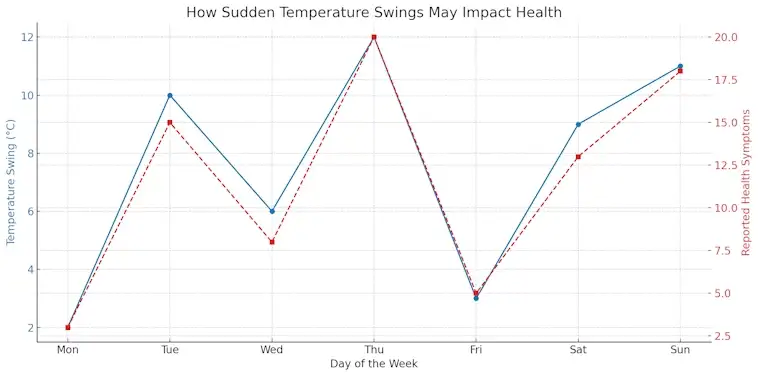
But it’s not just your body that feels the effects—your mental health can take a hit, too. Studies have linked fast-changing weather to mood swings, anxiety, and trouble sleeping. When the weather shifts fast, your internal clock—called the circadian rhythm—gets thrown off, leading to restless nights and foggy mornings.
Sudden weather changes can also affect your immune system. A quick drop in temperature can leave you more vulnerable to colds and flu, especially if your body hasn’t had time to adjust.
And let’s not forget how it impacts your daily routine. When the weather is unpredictable, it’s harder to stick to habits like outdoor exercise, regular sleep schedules, or even healthy eating.
The takeaway? Pay attention to how your body responds to these swings. Dress in layers, stay hydrated, and try to keep your routines steady. As climate change drives more frequent extremes, staying in tune with your health becomes even more important.
From Crops to Power Grids: What’s at Stake?
Wild temperature swings don’t just affect how we feel—they ripple through nearly every part of modern life.
Let’s start with food. Sudden shifts in temperature can damage crops at critical growing stages. A surprise frost can ruin a spring bloom. A heat spike can dry out soil before plants are ready. Farmers are seeing more crop stress, lower yields, and unpredictable harvests. And when crops suffer, so do food prices. That means higher grocery bills and tighter supplies.
Then there’s energy. When temperatures swing, our demand for power surges. One day it’s air conditioning, the next it’s heating. This puts stress on power grids, especially older systems that weren’t built for such extreme back-and-forth. Blackouts and brownouts are becoming more common, especially during heatwaves or cold snaps. Utility companies are scrambling to keep up.
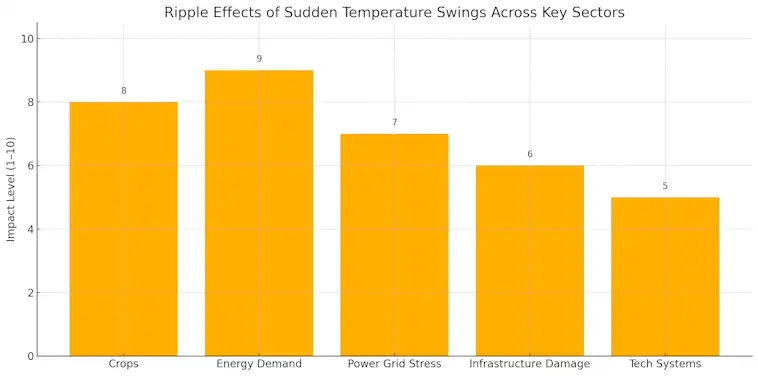
Infrastructure also takes a hit. Roads, bridges, and railways expand and contract with changing temperatures. Over time, that movement causes cracks, warping, and failures. In cities, rapid warming and cooling can stress water systems and damage pipes—especially during freeze-thaw cycles.
Even tech isn’t safe. Data centers, which need stable temperatures to operate efficiently, face rising cooling costs and equipment risks when heatwaves strike out of nowhere.
The bottom line? Sudden temperature swings disrupt more than the weather report. They shake the systems we rely on every day—our food supply, our energy, and the structures that keep society running.
As these swings become more common, planning ahead is no longer optional. It’s essential for resilience in a warming, increasingly unpredictable world.
Can We Predict These Thermal Surprises?
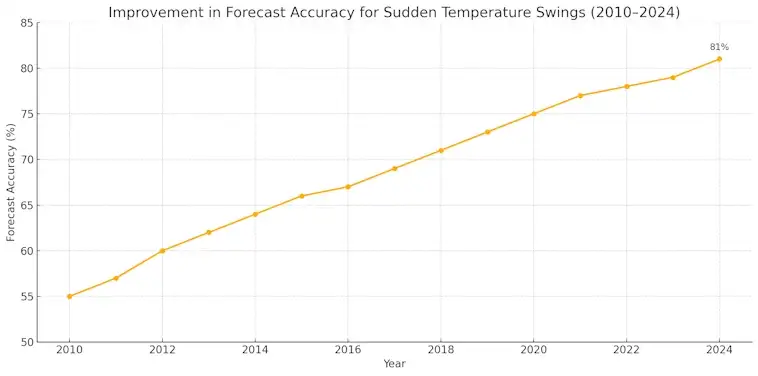
Weather forecasts have come a long way. Today’s models can predict storms, temperature trends, and extreme events with more accuracy than ever. But when it comes to sudden temperature swings—those dramatic shifts from hot to cold or vice versa—there’s still a lot we’re figuring out.
Short-term forecasts (1 to 3 days) are usually pretty good at spotting incoming cold fronts or heatwaves. They rely on satellite data, radar, and powerful computer models to simulate how the atmosphere moves. These tools are excellent at tracking large systems like jet streams, pressure zones, and air masses that drive big changes in temperature.
But predicting the speed and intensity of those swings? That’s where things get tricky.
Small-scale factors—like local wind shifts, ground moisture, and cloud cover—can dramatically change how quickly temperatures rise or fall. These micro-patterns are harder to model, especially in areas with complex terrain or fast-moving weather systems.
Climate change adds another layer of uncertainty. As the planet warms, the jet stream is weakening and wobbling more. That means warm and cold air can reach places they didn’t before, and with less warning. The models are improving, but they’re still catching up to this new climate reality.
Forecasters are also facing a data gap. Many regions still lack enough real-time weather stations or radar coverage. Without ground-level observations, even the best models can miss sudden shifts.
So—can we predict thermal surprises? To some extent, yes. But not with perfect accuracy. The good news is that forecasting tools are improving fast. New AI-powered models, higher-resolution satellites, and global data-sharing are helping meteorologists make better calls.
Still, it’s smart to stay flexible. As these shifts become more common, keeping an eye on local alerts—and being ready to adapt—will be key to staying ahead of the weather.
Adapting to a Climate of Extremes: What You Can Do
Extreme weather is no longer rare—it’s becoming part of daily life. From sudden heat spikes to unexpected cold snaps, the climate is more unpredictable than ever. But the good news? You can take simple steps to stay safe, prepared, and even thrive in this new normal.
1. Stay Weather-Aware
Make checking the forecast a daily habit. Use reliable weather apps with real-time alerts, and follow local meteorologists for updates. Knowing what’s coming, even a few hours ahead, can help you avoid heat exposure, dress appropriately, or delay travel if needed.
2. Prepare Your Home
Extreme swings stress buildings just like they do people. Insulate properly, seal leaks, and check that heating and cooling systems work efficiently. Consider surge protectors and backup power for electronics. Small upgrades can go a long way toward protecting your home—and your wallet.
3. Build a Go Kit
Erratic weather can knock out power or disrupt daily routines with little warning. Keep an emergency kit ready with flashlights, batteries, water, snacks, basic first aid, and weather-appropriate clothing. It’s peace of mind in a box.
4. Dress Smart
Layering is your best defense against wild temperature swings. Breathable base layers, insulating mids, and waterproof outers give you options as conditions shift throughout the day. Don’t forget sun protection or winter accessories as needed.
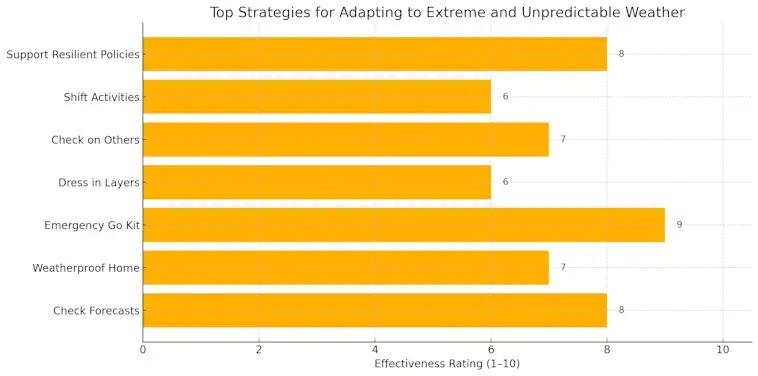
5. Check on Others
Extreme weather can hit vulnerable groups hardest—especially older adults, young children, and those with medical conditions. Check in with neighbors, friends, and family during unusual weather events. A quick message could make a big difference.
6. Rethink Your Routine
Try shifting outdoor activities to cooler morning or evening hours during heatwaves. In cold snaps, bundle up and limit exposure. It’s about working with the weather, not fighting it.
7. Support Smarter Infrastructure
Use your voice and vote to support climate-resilient policies and infrastructure. Communities that invest in updated power grids, green spaces, and emergency preparedness are better equipped to handle extremes—and bounce back faster.
Adapting doesn’t mean living in fear. It means staying flexible, informed, and ready for whatever the weather throws your way. And in a climate of extremes, that’s one of the most powerful things you can do.
The Bottom Line
Wild temperature swings aren’t just weird weather—they’re a growing signal of a planet under stress. These sudden highs and lows affect everything from your daily comfort to the global food supply, from personal health to the stability of power grids.
As climate patterns shift, these extremes are likely to become more frequent and more intense. But understanding what’s happening is the first step to staying ahead. With the right information, smart habits, and a little preparation, it’s possible to adapt—without living in constant disruption.
This thermal rollercoaster may not slow down anytime soon, but we’re not powerless passengers. By staying informed and flexible, we can manage the ride—and help shape a more resilient future.