Violent Hail Storms Are on the Rise—What You Need to Know Before the Next One Hits
Violent Hail Storms Are on the Rise—What You Need to Know Before the Next One Hits
When the skies darken and the wind shifts, most people expect rain. But sometimes, the clouds deliver something far more destructive—hail the size of golf balls or even larger. These storms can tear through neighborhoods, shred crops, and leave behind a trail of shattered glass and dented metal.
Hail might seem like a rare curiosity, but it’s becoming a growing concern, especially in areas that didn’t used to see it as often. Insurance claims are rising. Roofers are busier than ever. And scientists are starting to pay closer attention.
Understanding how hail storms form, why they’re becoming more dangerous, and what can be done about them isn’t just for weather nerds—it matters for anyone with a roof over their head.
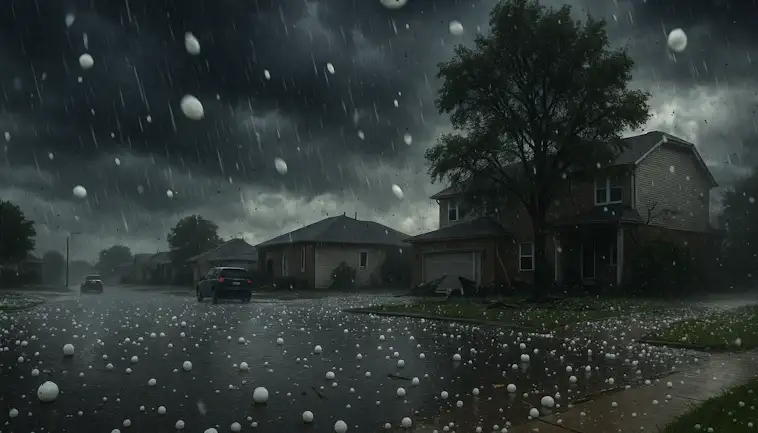
What’s Behind Those Giant Chunks of Ice Falling From the Sky?
On a sunny day, it’s hard to imagine golf ball-sized ice chunks smashing windshields or shredding crops. But give the sky enough moisture, heat, and instability—and nature can launch a full-blown hail assault. So, what’s really going on up there? And why do some storms turn into ice-flinging powerhouses while others don’t?
Let’s break down how hail forms, why size matters, and what ingredients make some hailstorms especially dangerous.
How Hailstones Form: A Ride on Nature’s Elevator
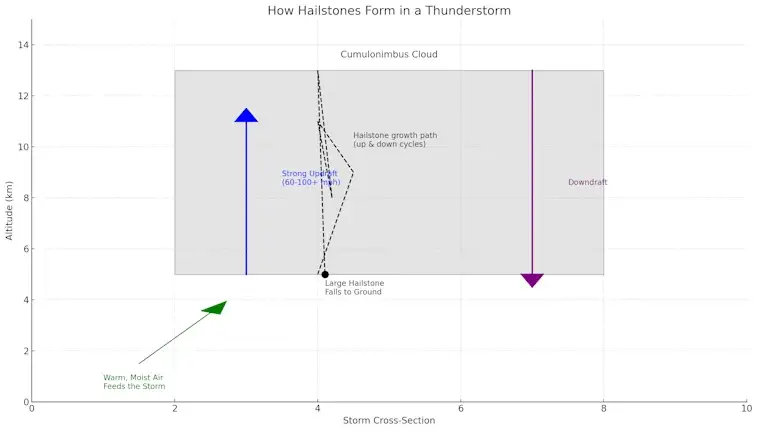
Hailstones start small. They begin as tiny water droplets in thunderstorm clouds, just like raindrops do. But here’s where things take a dramatic turn—literally.
- Updrafts are rising currents of air inside thunderstorms. The stronger the updraft, the higher the water droplets are carried.
- As these droplets get lifted into extremely cold parts of the cloud—well above freezing—they freeze into little balls of ice.
- Once frozen, they don’t fall right away. Instead, they get caught in a storm’s updrafts, cycling up and down through the cloud.
- Each time they rise and fall, they collect more moisture. That moisture freezes in layers—kind of like an onion. This process can happen over and over, adding weight and size.
Eventually, the hailstones become too heavy for the updraft to hold. That’s when gravity wins—and they come crashing to the ground.
Why Some Hailstones Get Huge
While dime-sized hail is pretty common, some storms unleash monsters. Think golf balls, baseballs, or even softballs. The key? Supercharged conditions inside the storm.
1. Intense Updrafts
- A typical storm might have updrafts moving at 30 to 40 mph.
- In severe storms, these winds can exceed 60 to 100 mph—strong enough to hold hailstones aloft for a long time.
- The longer the ice stays up there, the bigger it grows.
2. Moisture-Rich Air
- The more moisture in the lower atmosphere, the more “fuel” for hailstones to grow.
- A wet environment means the hailstone can pick up more layers of water before freezing again.
3. Atmospheric Instability
- Instability happens when warm, moist air near the ground sits below cold, dry air aloft.
- This setup makes air want to rise fast and forcefully.
- That rising motion powers the updrafts and keeps hail suspended in the cloud for longer.
4. Wind Shear
- When winds change speed or direction with height, they tilt the storm.
- This tilt helps separate the updraft from the downdraft, giving hail more space and time to grow without being shoved out of the cloud too early.
What’s Happening in the Sky Before Hail Hits the Ground
If you were in the sky during one of these hail-producing storms, here’s what you’d see:
- A towering thunderstorm cloud stretching 30,000–60,000 feet into the air.
- Powerful vertical currents tossing ice around like popcorn in a machine.
- Layers of ice forming as each hailstone spins through different parts of the cloud.
- An atmosphere buzzing with energy and moisture, feeding the storm’s growth.
When those updrafts finally give out, hailstones plunge toward Earth, sometimes at speeds over 100 mph. That’s fast enough to dent cars, injure people, and devastate crops.
Looking Ahead: Why Bigger Hail May Be On the Rise
As climate patterns shift, some scientists suggest we might see more conditions that support severe hail—especially in areas where storms are becoming more intense and moisture-rich. That doesn’t mean every summer storm will turn into a hailstorm, but it’s worth paying attention to trends and staying alert during thunderstorm watches.
Understanding how hail forms isn’t just about science—it’s about safety. Next time a thunderstorm rolls in and the sky turns greenish-gray, you’ll know there’s a complex, icy ballet happening above you. And if golf ball-sized ice starts falling? You’ll know exactly why.
Why Violent Hail Storms Are Getting Worse
Once seen as a seasonal hazard mostly limited to the Great Plains, hail is becoming a more unpredictable and widespread threat. Golf ball-sized ice falling from the sky used to be rare in many parts of the world. Not anymore.
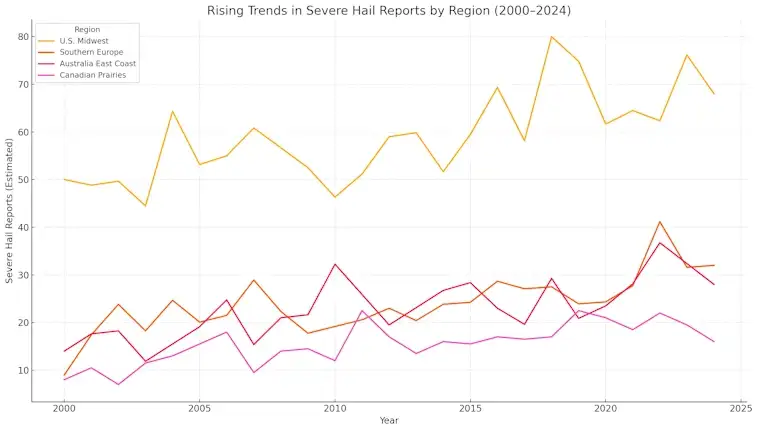
Across North America, Europe, Asia, and Australia, researchers are tracking changes in hailstorm behavior—stronger storms, larger hail, and more damage. And increasingly, climate change appears to be playing a role.
Let’s look at what scientists are seeing in the data, and what it means for communities that may be facing this threat for the first time—or more often than ever before.
What the Data Shows: A Rise in Severe Hail
While hail itself isn’t new, several patterns in recent years point to more intense and erratic hail activity.
Key Trends Observed:
- More frequent large-hail events: Some regions are seeing an increase in storms that produce hailstones at least 2 inches in diameter or larger.
- Longer hail seasons: Instead of being limited to spring or early summer, damaging hail is now being reported in late fall or even winter.
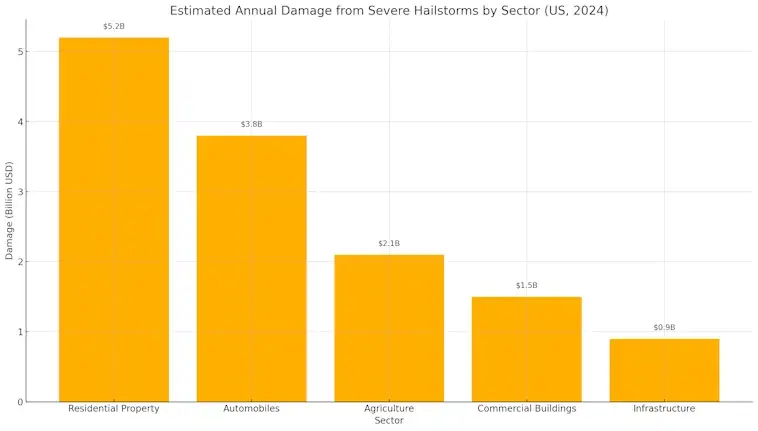
- Higher insurance claims: Property damage from hail—especially to cars, homes, and crops—is rising sharply. In the U.S. alone, hail-related losses top billions of dollars annually.
- Hail in unusual places: Cities that rarely dealt with hail in the past, like Sydney or parts of the southeastern U.S., are seeing more damaging storms.
These patterns aren’t random. They’re part of a broader shift linked to a warming atmosphere.
How Climate Change May Be Fueling Hailstorms
Researchers don’t claim climate change is causing hail—hail has always existed. But it can intensify the ingredients that make dangerous hailstorms more likely.
1. More Moisture in the Air
- Warmer air holds more water vapor.
- That means more fuel for storm clouds and larger hailstones.
2. Stronger Updrafts
- As temperatures rise at the surface while the upper atmosphere remains cold, the instability in the atmosphere grows.
- This leads to more powerful updrafts, which help hailstones grow bigger before they fall.
3. Storm Shift and Expansion
- Warmer temperatures are pushing severe storm activity northward and into higher elevations.
- Regions like the Upper Midwest in the U.S., parts of Canada, and northern Europe may face more frequent severe hail.
4. Changing Wind Patterns
- Wind shear (how wind speed and direction change with altitude) plays a key role in storm development.
- Climate change may be altering jet stream behavior, which in turn reshapes where and how storms form.
New Hail Patterns Emerging
Meteorologists and climatologists are closely watching new behaviors in hail-producing storms.
- Off-season hail: Some storms are forming outside the traditional warm months, catching residents off guard.
- Urban exposure: As cities sprawl and cover more area, more infrastructure becomes vulnerable to hail damage.
- Rapid intensification: Some storms grow severe very quickly, making them harder to predict and prepare for.
These shifts don’t mean every storm will bring hail—but when the conditions are right, the storms we do get could be more damaging than in decades past.
Why Awareness Matters Now
We’re not powerless in the face of these changes. Better forecasting, resilient construction materials, and early-warning systems can help reduce risk. But first, we have to recognize the threat is changing.
Whether you’re a farmer in Kansas, a homeowner in Alberta, or a city planner in France, understanding how hail risk is evolving is a first step toward preparing for it.
The skies are changing—and so should our awareness.
When the Sky Strikes: The Real Cost of Violent Hailstorms
It can start with a rumble in the distance. The sky darkens, the wind picks up—and then, without much warning, chunks of ice begin slamming into rooftops, shattering windows, denting cars, and shredding crops. Hailstorms may only last minutes, but their aftermath can linger for months or even years.
These aren’t just weather events. They’re multi-billion-dollar disasters that affect everyday people across cities, suburbs, and farmland. Let’s take a closer look at how hailstorms hit us where it hurts—from our homes and vehicles to our food supply and financial systems.
Damage on the Ground: What Hail Really Does
Violent hailstorms can turn a peaceful day into a disaster zone. Here’s how they leave their mark:
1. Urban Property and Vehicles
- Cars and trucks often take the brunt of a hailstorm. Dented hoods, smashed windshields, and broken mirrors are common. After just one hailstorm in Texas, repair shops saw waitlists stretch for weeks.
- Homes and buildings also suffer. Roofing materials, siding, skylights, and windows can all be cracked or destroyed by hailstones larger than golf balls.
- Glass storefronts and outdoor fixtures like solar panels or patio furniture are easily shattered, leading to costly replacements.
For city dwellers, that means insurance claims, home repairs, and higher premiums—not to mention the immediate chaos of power outages and damaged infrastructure.
2. Farms and Crops
For farmers, hailstorms can be catastrophic.
- A single storm can wipe out an entire crop—flattening wheat, stripping fruit trees, and damaging vegetables beyond recovery.
- In some areas, hail doesn’t just reduce yield. It can delay harvests, trigger fungal infections in bruised plants, and destroy months of work overnight.
Farmers in places like Kansas, northern Italy, and parts of India have seen entire seasons’ profits vanish in under 15 minutes. And while some carry crop insurance, many small-scale growers don’t—or find it too expensive.
3. Insurance Industry Under Pressure
Insurance companies are now on the front lines of hail damage.
- In the U.S., hail is one of the leading causes of home and auto claims. In 2024 alone, insured hail losses topped $13 billion.
- Cities like Denver, Dallas, and Calgary have been hit so frequently that some insurers have raised premiums or stopped offering certain coverages altogether.
- Hail also contributes to a growing number of “billion-dollar weather disasters,” forcing insurers to rethink how they assess regional risk.
As the number of claims rises, everyone—from homeowners to business owners—feels the financial ripple effects.
Everyone’s Affected
Hailstorms aren’t just a rural problem or a seasonal nuisance. Their impacts are increasingly wide-ranging:
- Homeowners deal with structural damage, insurance headaches, and potential health risks from broken glass and roof leaks.
- Renters face property loss, higher rent, or displacement in the aftermath of a major storm.
- Drivers often end up with expensive repairs or total losses, especially when storms hit during rush hour or in parking lots.
- Local governments must respond to emergencies, coordinate cleanups, and manage the broader economic strain on their communities.
And beyond all that? There’s the human toll: the stress, uncertainty, and frustration that comes from nature’s sudden strike.
A Storm That Doesn’t Discriminate
Hailstorms don’t care where you live or what you do. As they become more frequent and severe in many regions, awareness is key. That means better forecasting, stronger building materials, and updated insurance models. But most of all, it means realizing that when it comes to hail, no one is truly safe from the storm.
Protect Yourself, Your Home, and Your Car
Hail doesn’t give much warning. One minute the sky is cloudy, the next you’re hearing a deafening roar as ice crashes down on roofs, cars, and anything else caught outside. While we can’t stop a storm, we can get a lot smarter about how we prepare for it.
Whether you live in a hail-prone region or are just passing through, taking a few proactive steps can help reduce your risk of injury and costly damage. From smarter building materials to quick safety moves, here’s what you need to know to stay safe when hail strikes.
Choose Stronger Roofing and Building Materials
Your roof is your home’s first line of defense in a hailstorm. The right materials can mean the difference between minor dings and major destruction.
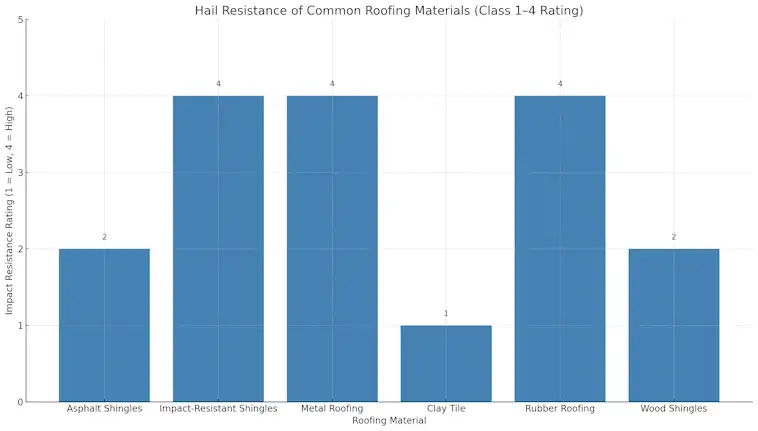
Best Roofing Options for Hail Resistance:
- Impact-resistant asphalt shingles (Class 4 rated) – more flexible and durable than traditional shingles.
- Metal roofing – tough, long-lasting, and more likely to resist punctures and cracks.
- Rubber and polymer-based roofs – absorb impact better than brittle materials like clay or concrete.
- Reinforced skylights and windows – use laminated glass or storm-rated coverings to reduce breakage.
If you’re building or replacing a roof in a hail-prone area, it’s worth checking with local codes or insurance providers. Many offer discounts for hail-resistant materials.
Protect Your Car—Even Without a Garage
Cars are often left exposed during hailstorms, especially in cities or at workplaces. But you do have options:
Tips for Car Protection:
- Portable car covers or hail blankets – padded, fast-deploying covers that can reduce dents and broken glass.
- Covered parking options – even a carport or tree canopy offers better protection than open air.
- Weather alerts on your phone – give you time to move your car before hail hits.
- For renters or travelers: prioritize accommodations with parking garages or covered areas.
If you can’t avoid the hail, park your car facing the wind—your windshield is stronger than side windows.
Safety First: How to Shelter During a Hailstorm
Hail can injure people just as easily as property. Some stones fall at speeds over 100 mph.
Stay Safe Indoors:
- Stay away from windows and skylights, especially during large hail events.
- Close curtains and blinds to help block shattered glass.
- Avoid using electronics plugged into walls during intense storms.
Caught Outside?
- Find solid shelter immediately—gas stations, underpasses, or large buildings.
- If you’re driving, pull over safely and angle the car so the hail hits the windshield, not the side glass.
- Never shelter under trees—they may break or attract lightning.
Travel Smarter in Hail Country
If you’re visiting a region known for hail, plan like you would for any natural risk.
- Check the forecast daily, especially in spring and summer.
- Rent a car? Ask for covered parking options or add hail protection insurance.
- Flying in or out? Storms can delay flights and damage parked aircraft—travel insurance might be worth it.
Be Prepared Before Storm Season Starts
A few small actions can make a big difference:
- Review your insurance – Make sure home and auto policies cover hail damage, and check deductibles.
- Keep emergency supplies on hand – Flashlights, water, tarps, and a basic toolkit.
- Inspect your property regularly – Fix minor roof issues, secure outdoor items, and prune trees near your house.
Hail May Be Inevitable—But Damage Doesn’t Have to Be
With hailstorms becoming more intense in many places, taking preventive steps is no longer optional—it’s smart planning. Whether you’re a homeowner, a commuter, or someone just passing through, knowing how to shield yourself and your property can save time, money, and stress.
Can Technology Help Us Stay Ahead of Hail?
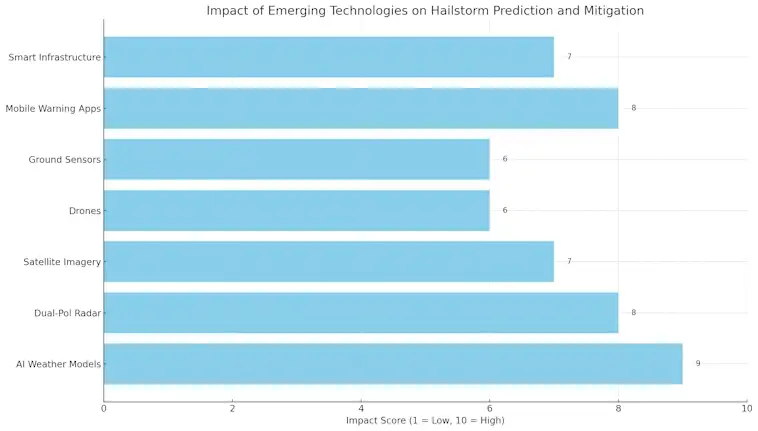
The weather can’t be controlled, but it can be outsmarted. As hailstorms grow more intense and unpredictable, scientists, engineers, and emergency planners are turning to technology to help stay ahead of the next wave of ice from the sky.
From artificial intelligence and satellite sensors to drones and digital alert systems, innovation is quickly becoming our strongest ally. These tools don’t just help predict hail—they’re helping protect property, crops, and lives.
Here’s a closer look at how technology is reshaping the way we deal with one of nature’s most destructive forces.
AI-Driven Weather Models: Smarter, Faster Predictions
Forecasting hail is tricky. Unlike rain, which spreads over large areas, hail can be hyper-local. One town may get pelted, while a nearby city stays untouched. That’s where artificial intelligence is stepping in.
How AI is Improving Hail Forecasting:
- AI models analyze vast amounts of weather data—temperature, moisture, wind shear, and radar—to spot the conditions that signal hail.
- These systems are trained to detect hail-producing storms earlier and more accurately than traditional models.
- Some AI tools can even predict hailstone size and potential ground impact zones, giving emergency managers better information to act on.
Organizations like NOAA in the U.S. and weather services in Europe are integrating these models into real-time warning systems.
Satellite and Radar Advances: Seeing Hail from Space
High-resolution satellite imagery and Doppler radar systems are making it easier to spot hailstorms as they form and move.
Key Technologies in Use:
- Dual-polarization radar can detect the shape and size of hailstones within a storm cloud—essential for issuing size-based warnings.
- Geostationary satellites like GOES-16 can provide detailed images of storm development every 30 seconds, helping forecasters monitor conditions in near real-time.
- Microwave sensors on satellites are also being tested to detect hail at high altitudes—before it falls.
These systems allow faster, more precise tracking, especially in remote areas or at night when visual observations aren’t possible.
Drones and Ground-Based Sensors: Up-Close Storm Intelligence
Drones are now being used to collect valuable data from inside and around storm cells—places that are dangerous or impossible for humans to reach.
How Drones Help:
- They can fly directly into storm zones to measure temperature, wind speed, pressure, and moisture.
- After a storm, drones provide rapid damage assessments, capturing high-resolution images of fields, buildings, and roads.
- This helps emergency crews prioritize response efforts and insurance companies process claims faster.
Ground-based sensors and smart weather stations are also being deployed in farming regions to provide hyperlocal storm data.
Smarter Warning Systems and Apps
In the past, hail warnings were vague and came late. Now, personalized alerts are getting faster and more accurate.
- Mobile apps powered by real-time radar and AI give users storm tracks, estimated hail sizes, and expected impact times.
- Community alert networks use text, sirens, and radio to reach people who might not be watching the news or using a smartphone.
- Some areas are testing automated systems that activate shutters or pull vehicles into shelter when hail is imminent.
These alerts help give people crucial minutes to move indoors, cover cars, or take shelter.
Innovation for Resilience, Not Just Prediction
Technology doesn’t just warn us—it can also help reduce damage:
- Engineers are using hail simulation machines to test building materials and design better roofing, siding, and glass.
- Agritech companies are developing crop covers, insurance models, and smart irrigation systems to help farmers recover faster after storms.
- Urban planners are starting to factor hail risk into zoning and building codes, especially in newly vulnerable areas.
Why Better Forecasting Matters More Than Ever
As hailstorms become more severe and strike in unexpected places, forecasting needs to be faster, smarter, and more precise. Communities can’t prepare for what they don’t know is coming. And with billions of dollars in damage every year, the stakes are too high to rely on outdated methods.
Technology won’t stop the next hailstorm—but it might mean fewer shattered windows, ruined harvests, or emergency room visits.
Conclusion
Hailstorms may be brief, but their impact can be lasting. From smashed rooftops and wrecked vehicles to ruined crops and rising insurance costs, these storms hit hard—and they’re hitting more often in more places.
The good news is we’re not helpless. Smarter materials, better forecasting, and faster alerts are giving us the tools to stay ahead. But with climate change pushing weather to new extremes, preparation isn’t just smart—it’s necessary.
Whether you’re a homeowner, farmer, commuter, or traveler, it’s worth paying attention to what’s happening in the sky. Because when the next storm rolls in, those who planned ahead will be the ones least caught off guard.