
Extreme Drought Leaves Communities Fighting for Survival
Extreme Drought Is Changing Lives as Communities Struggle to Survive
Water shortages are becoming a harsh reality for millions of people around the world. As extreme drought tightens its grip on once-productive regions, rivers are shrinking, crops are failing, and families are struggling to secure enough clean water. Rising temperatures and changing weather patterns are making these dry conditions last longer and affect more communities than ever before.
The effects reach far beyond empty reservoirs. Farmers are facing lower harvests, food prices are rising, wildlife habitats are disappearing, and local economies are under increasing pressure. In many areas, people must make difficult choices every day as they adapt to a future with less reliable water supplies.
Understanding why these severe dry spells are becoming more common is essential for finding practical solutions. From improving water management to investing in climate resilience, the actions taken today will help determine how well communities can cope with the growing challenges ahead.
What You’ll Discover
Extreme Drought: Why Water Is Running Out
How Communities Are Coping Every Day
The Impact on Food, Farming, and Wildlife
Why Climate Change Is Making Droughts Worse
Solutions That Can Build a More Resilient Future
Conclusion: Extreme Drought Demands Action Before It’s Too Late
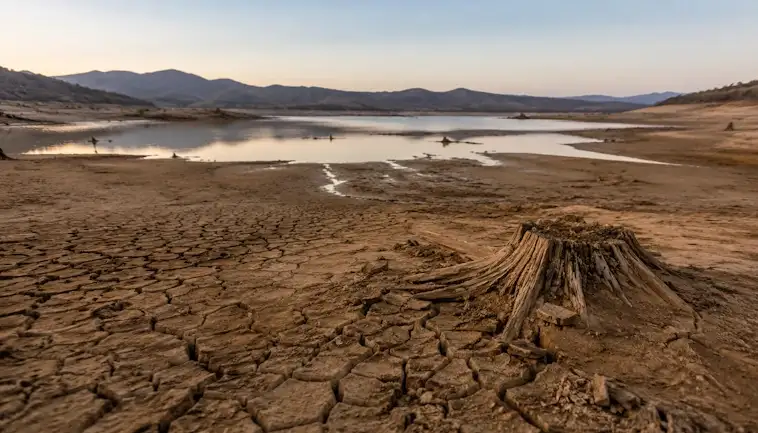
Extreme Drought: Why Water Is Running Out
Water is something most of us take for granted. We turn on a tap, and clean water flows. However, in many parts of the world, that is no longer guaranteed. Extreme drought is becoming more common, and it is changing the way people live, grow food, and protect nature.
As the climate continues to change, rainfall patterns are becoming less predictable. Some regions are seeing longer dry seasons, while others are experiencing record-breaking heat. Together, these changes are causing rivers, lakes, and reservoirs to shrink. At the same time, growing populations and higher water demand are putting even more pressure on already limited supplies.
The good news is that understanding why drought happens is the first step toward finding better solutions. By learning what causes water shortages, we can make smarter choices and help protect this essential resource for future generations.
Why Extreme Drought Is Becoming More Common
Extreme drought is not simply a lack of rain. Instead, it develops over months or even years as several factors combine. Climate change is making many droughts more intense because higher temperatures increase evaporation from soil, rivers, and lakes. As a result, the land dries out much faster.
At the same time, forests are being cleared, wetlands are disappearing, and groundwater is being pumped faster than nature can replace it. These changes reduce the landscape’s ability to store water naturally.
Some of the biggest causes of worsening drought include:
- Rising global temperatures that increase evaporation.
- Lower and less predictable rainfall.
- Overuse of groundwater for farming and cities.
- Growing populations that increase water demand.
- Deforestation and land degradation that reduce natural water storage.
- More frequent heatwaves that dry out soil and vegetation.
The Ripple Effect of Water Shortages
When water becomes scarce, the effects spread far beyond empty reservoirs. Farmers struggle to grow crops, leading to smaller harvests and higher food prices. Wildlife also suffers as rivers, ponds, and wetlands disappear.
Communities can face difficult decisions about how limited water should be shared. In some areas, restrictions on household water use become necessary. In others, industries may reduce production because they simply do not have enough water to operate.
The wider impacts of severe drought include:
- Reduced crop yields and food shortages.
- Increased risk of wildfires.
- Falling water levels in rivers and lakes.
- Damage to wildlife habitats and ecosystems.
- Higher costs for food, water, and electricity.
- Greater pressure on communities and local economies.
Although these challenges are serious, they also highlight the importance of using water more wisely. Better water management, improved farming practices, and investment in sustainable technologies can all help reduce the impact of future droughts. As climate conditions continue to change, protecting every drop of water will become more important than ever.
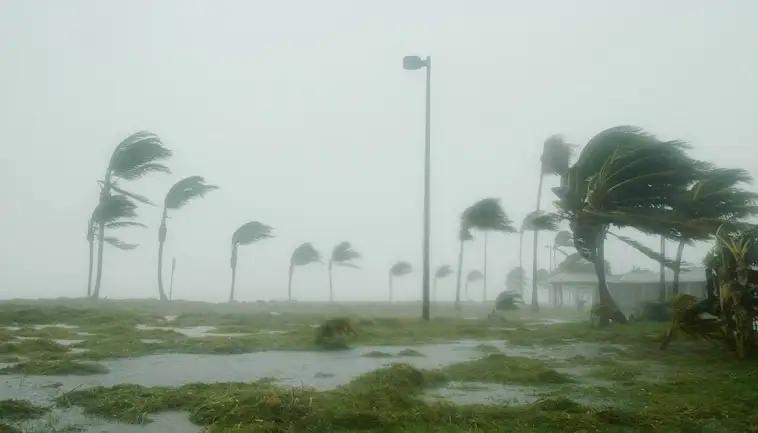
Braving the Storm: Surviving the Hurricanes
Hurricanes are powerful and can change lives in an instant. Knowing how to stay safe and prepare can make all the difference when a storm hits.
How Communities Are Coping Every Day
Living through an extreme drought is not just about seeing dry fields or lower rivers. It changes everyday life in many ways. Families, farmers, businesses, and local leaders all have to make difficult choices. Even simple tasks, such as watering a garden or washing a car, may be limited.
However, communities are finding new ways to adapt. Across many regions, people are working together to use water more wisely and prepare for the future. While the challenges are serious, these efforts also show how resilient people can be when they face long periods without enough rainfall.
How People Are Adapting to Extreme Drought
One of the biggest changes is how people think about water. Instead of taking it for granted, many households now focus on saving every drop. Shorter showers, fixing leaks quickly, and collecting rainwater where possible have become common habits.
At the same time, farmers are changing how they grow crops. Many are planting drought-resistant varieties or using modern irrigation systems that deliver water only where it is needed. As a result, they can reduce waste while still producing food.
Local councils are also playing an important role. They often introduce water restrictions, improve public awareness campaigns, and invest in better water infrastructure. These steps help protect supplies during the driest months and encourage everyone to do their part.
Small Changes That Make a Big Difference
Even small actions can have a lasting impact when many people take part. Schools often teach children about water conservation, and those lessons quickly spread to families at home. Businesses are also upgrading equipment to use less water and reduce operating costs at the same time.
Meanwhile, neighbours are sharing ideas and supporting one another. Community gardens are choosing plants that need less water, while local groups are helping protect rivers and wildlife from further damage. These everyday efforts may seem small on their own, but together they make communities stronger and better prepared for future droughts.
Although no single solution can end an extreme drought, working together creates real progress. Every litre of water saved today helps protect supplies for tomorrow. That is why community action remains one of the most powerful tools in building a more sustainable future.
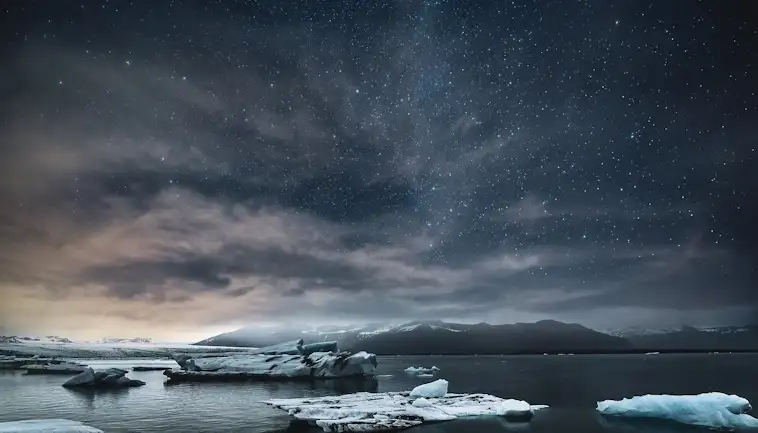
Vanishing Ice: The Crisis of Arctic Sea Ice
Arctic sea ice is vanishing faster than ever, and this rapid decline has serious consequences for our planet. This ice acts like Earth’s air conditioning, reflecting sunlight and keeping our global climate stable.
The Impact on Food, Farming, and Wildlife
An extreme drought does much more than dry up rivers and reservoirs. It also affects the food we eat, the farmers who grow it, and the wildlife that depends on healthy habitats. As dry conditions continue, these problems often become more serious. However, understanding the impact can help us appreciate why protecting water resources matters so much.
From local farms to natural landscapes, the effects of drought can be seen almost everywhere. While some changes happen slowly, others appear within just a few weeks. As a result, communities, businesses, and governments all need to work together to reduce the long-term damage.
How Drought Affects Food Production
Farmers rely on regular rainfall to grow healthy crops and provide food throughout the year. When rain becomes scarce, growing conditions quickly become more difficult. Crops may produce smaller harvests, while livestock can struggle as grass and water supplies become limited.
Some of the most common effects include:
- Lower crop yields due to dry soil.
- Reduced grazing land for cattle, sheep, and other livestock.
- Higher costs for irrigation and animal feed.
- Rising food prices as supplies become tighter.
- Greater risk of crop failure during long periods without rain.
Many farmers are responding by using water-saving irrigation systems, planting drought-tolerant crops, and improving soil health. These steps can help farms become more resilient, even if dry weather continues.
Why Wildlife Faces Growing Challenges
Wildlife is often one of the first victims of prolonged drought. Rivers, ponds, and wetlands begin to shrink, leaving many animals without reliable sources of water. Birds, fish, amphibians, and insects all feel the effects as their habitats become smaller.
Wildlife may face several challenges, including:
- Fewer places to find fresh drinking water.
- Loss of wetlands and natural habitats.
- Reduced food supplies as plants struggle to survive.
- Increased competition between animals for limited resources.
- Greater risk of wildfires destroying habitats.
Fortunately, conservation groups and local communities are helping protect vulnerable ecosystems. They restore wetlands, plant native vegetation, and create wildlife-friendly water sources where possible. Although these actions cannot end a drought, they can reduce its impact and give many species a better chance of surviving until wetter conditions return.
Looking ahead, protecting food production and wildlife will require careful planning and smarter water management. By supporting sustainable farming and conserving natural habitats, we can help build a future that is better prepared for longer and more frequent droughts.

The Hidden Costs of Urban Smog: Health and Economy
Breathing in this polluted air can lead to immediate health problems and even chronic diseases over time. But the impact doesn’t stop at health; it also hits our economy hard.
Why Climate Change Is Making Droughts Worse
Droughts have always been part of Earth’s natural climate. However, today’s droughts are becoming longer, hotter, and more damaging than many people have experienced before. While weather patterns still play a role, climate change is increasing the chances of severe and long-lasting dry spells across many parts of the world.
As global temperatures continue to rise, the atmosphere can hold more moisture. As a result, it pulls more water from soil, rivers, lakes, and plants. Even when rainfall stays close to average, the extra heat can dry the land much faster. This leaves crops, forests, and water supplies under greater pressure.
At the same time, rainfall is becoming less predictable. Some regions receive heavier downpours over short periods, while others go weeks or even months without meaningful rain. Because sudden storms often cause water to run off instead of soaking into the ground, they do little to ease long-term drought conditions.
How Rising Temperatures Are Drying the Land Faster
Higher temperatures speed up evaporation from rivers, lakes, and reservoirs. They also increase the amount of moisture that plants lose through a natural process called transpiration. Together, these changes reduce the amount of water available for people, farming, and wildlife.
Furthermore, warmer winters can lead to less snow in mountain regions. Since snowpack acts as a natural water store, reduced snowfall means less water flows into rivers during spring and summer. Consequently, communities that depend on this seasonal meltwater often face water shortages when they need it most.
Extreme Drought Can Create a Dangerous Cycle
Once extreme drought takes hold, its effects often become harder to reverse. Dry soil absorbs less rainfall, meaning that even when rain finally arrives, much of the water runs off the surface instead of soaking into the ground. This limits groundwater recharge and reduces the amount of water stored for future use.
In addition, dry vegetation becomes more likely to fuel wildfires. After a fire, the land can struggle to recover, making it even more difficult for plants to retain moisture. Over time, this creates a cycle where drought, heat, and wildfire feed into one another.
Although climate change does not directly cause every drought, it is making many droughts more intense and longer lasting. Therefore, understanding this connection is becoming increasingly important. It helps communities prepare for future challenges, improve water management, and build greater resilience in a warming world.
Soaring Heat: Can We Adapt to Rising Temperatures?
Summer is heating up, and it’s not just a passing trend. Across the globe, temperatures are climbing higher than ever before, making it tough to stay comfortable and safe.
Solutions That Can Build a More Resilient Future
Although droughts are becoming more common and more severe, there is still plenty we can do to reduce their impact. In fact, the choices we make today can help protect communities, ecosystems, and future generations. While no single solution will stop drought, a combination of smarter planning, better technology, and sustainable practices can make a real difference.
The good news is that many of these solutions are already working around the world. By improving how we manage water, protect natural landscapes, and prepare for changing weather patterns, we can build stronger and more resilient communities. At the same time, reducing greenhouse gas emissions remains one of the most important long-term steps for limiting future drought risks.
Practical Ways to Reduce the Impact of Drought
Communities, businesses, farmers, and individuals all have a role to play. Even small actions, when combined, can have a lasting effect.
Some of the most effective solutions include:
- Using water more efficiently in homes, farms, and industries.
- Investing in modern irrigation systems that reduce water waste.
- Collecting and storing rainwater for future use.
- Protecting forests, wetlands, and healthy soils that naturally retain water.
- Growing drought-resistant crops that need less water.
- Repairing leaking water pipes to prevent unnecessary losses.
- Recycling and reusing treated wastewater where it is safe to do so.
- Creating long-term water management plans for growing populations.
- Expanding early warning systems that help communities prepare for drought.
- Reducing greenhouse gas emissions to slow climate change.
Every Small Action Helps Create a Stronger Future
Building resilience starts with everyday decisions. For example, using water wisely, planting native vegetation, and supporting sustainable farming practices can all help conserve valuable water resources. Likewise, governments can strengthen infrastructure and improve policies that encourage responsible water use.
At the same time, education plays a key role. When people understand how drought develops and how climate change affects water supplies, they are more likely to support practical solutions. Together, these efforts can reduce the damage caused by future droughts while creating healthier environments and stronger communities.
The future will almost certainly bring new challenges. However, with smart planning, continued innovation, and global cooperation, it is possible to adapt to a changing climate and protect one of our most valuable natural resources—water.
Conclusion: Extreme Drought Demands Action Before It’s Too Late
Extreme drought is no longer a distant problem affecting only a few regions. It is reshaping communities, threatening food and water supplies, and putting millions of lives at risk. As temperatures continue to rise and rainfall becomes less predictable, the challenges linked to extreme drought will only grow without meaningful action.
However, there is still hope. Smarter water management, sustainable farming, and stronger climate adaptation plans can help communities become more resilient. At the same time, individuals, businesses, and governments all have a role to play in protecting precious water resources and supporting long-term solutions.
The story of extreme drought is not just about survival. It is also about innovation, resilience, and the choices we make today. By understanding the causes and impacts of extreme drought, we can work together to build a future where communities are better prepared to face one of the greatest environmental challenges of our time.