

Heat Extremes Bring Hidden Risks You Need to Understand
Heat Extremes: Understanding the Hidden Threats to Health, Infrastructure, and Daily Life
Heat extremes are becoming more common, and their effects go far beyond feeling uncomfortable on a hot day. As temperatures continue to rise, the risks extend to health, homes, infrastructure, food supplies, and the environment. While many people prepare for the obvious dangers, some of the most serious threats often go unnoticed until they have already caused harm.
Understanding these hidden risks is becoming more important as heatwaves last longer and affect more regions around the world. From increased pressure on power grids to reduced air quality and greater health concerns for vulnerable people, extreme heat can create a chain of problems that reach every part of daily life. Knowing what to expect and how to prepare can help reduce the impact and improve safety during periods of intense heat.
What You’ll Discover
Heat Extremes: Why the Risks Go Beyond High Temperatures
Who Faces the Greatest Danger During Extreme Heat?
How Heat Affects Your Body, Home, and Daily Life
The Hidden Long-Term Impact of Rising Temperatures
Simple Steps to Stay Safe When Heatwaves Strike
Conclusion: Stay Safe as Heat Extremes Become the New Normal
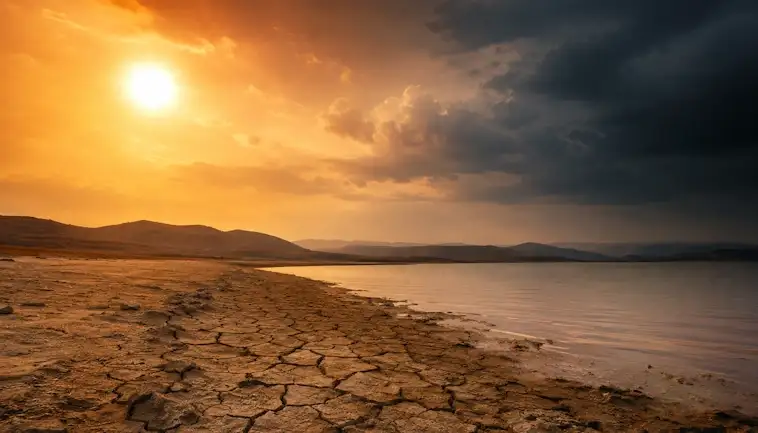
Heat Extremes: Why the Risks Go Beyond High Temperatures
When most people think about extreme heat, they picture a very hot day with bright sunshine. However, the real danger goes far beyond the number shown on a thermometer. Heat extremes affect our health, homes, communities, and even the systems we rely on every day.
In recent years, heatwaves have become more frequent, longer-lasting, and more intense in many parts of the world. As a result, they are now one of the deadliest weather-related hazards. While some people can stay cool indoors, many others face serious risks because of their age, health, work, or living conditions.
Moreover, extreme heat often creates a chain reaction. Roads can soften, power grids come under pressure, crops suffer, and wildfire danger increases. Even warm nights can become a problem because the body has less time to recover from the day’s high temperatures.
Understanding these wider impacts is important. It helps individuals, families, businesses, and local communities prepare before temperatures reach dangerous levels.
How Extreme Heat Affects More Than Your Comfort
Extreme heat can influence almost every part of daily life. Although high temperatures are uncomfortable, the hidden effects are often much more serious.
Key Risks of Heat Extremes
- Increased risk of heat exhaustion and heatstroke.
- Greater strain on the heart and lungs.
- Poorer sleep because of hot overnight temperatures.
- Higher demand for electricity as air conditioning use increases.
- Increased chance of power outages during peak demand.
- Damage to roads, railway lines, and other infrastructure.
- Reduced crop yields and added pressure on food supplies.
- Increased wildfire risk in dry conditions.
- Lower productivity for outdoor workers and physically demanding jobs.
- Greater financial costs for households and businesses.
Not everyone experiences extreme heat in the same way. Several factors can make people much more vulnerable.
- Older adults may struggle to regulate body temperature.
- Babies and young children can overheat more quickly.
- People with chronic health conditions often face greater health risks.
- Outdoor workers are exposed to heat for long periods.
- Urban areas can remain much hotter because concrete and buildings trap heat.
- Homes without proper insulation or cooling can become dangerously warm.
- Low-income households may have fewer options to stay cool safely.
By recognising these risks early, it becomes much easier to take practical steps that reduce the impact of extreme heat. Even small actions, such as staying hydrated, checking on vulnerable neighbours, and keeping homes as cool as possible, can make a meaningful difference during periods of exceptionally hot weather.
Vanishing Wetlands: Our World on the Brink
As water passes through wetlands, something cool happens. The plants, soil, and organisms in these wetlands work together to filter out pollutants.
Who Faces the Greatest Danger During Extreme Heat?
When temperatures rise, everyone feels the impact. However, some people face a much higher risk than others. While a hot day may seem like a minor inconvenience for many, heat extremes can quickly become life-threatening for those who are more vulnerable. That is why it is so important to understand who needs extra care and why.
The human body works hard to stay cool. It does this by sweating and increasing blood flow to the skin. Yet, during long periods of intense heat, these natural cooling systems can struggle to keep up. As a result, the risk of dehydration, heat exhaustion, and heatstroke increases. Fortunately, knowing who is most at risk can help families, neighbours, and communities take simple steps that save lives.
People Most at Risk During Heat Extremes
Not everyone responds to heat in the same way. Several groups are much more likely to become seriously ill during very hot weather.
Older adults are especially vulnerable because their bodies do not regulate temperature as efficiently as they once did. In addition, many have long-term health conditions or take medications that make it harder to stay cool.
Young children and babies are also at greater risk. Their bodies heat up more quickly than adults, and they depend on others to keep them hydrated and dressed for the weather.
People with heart disease, lung disease, diabetes, kidney problems, or other chronic illnesses may find that extreme heat places extra strain on their bodies. Likewise, some prescription medications can affect sweating, hydration, or the body’s ability to control its temperature.
Outdoor workers, including builders, farmers, delivery drivers, and gardeners, spend long hours in direct sunlight. Without regular breaks, shade, and plenty of water, they face a much higher chance of heat-related illness.
Athletes and anyone exercising outdoors should also take care. Physical activity raises body temperature, making it easier to overheat during hot weather.
In addition, people who are pregnant may find it harder to stay comfortable in extreme heat. Pregnancy naturally increases body temperature, which means extra care is needed during heatwaves.
Simple Steps That Can Make a Big Difference
The good news is that many heat-related illnesses can be prevented. Drinking water throughout the day is one of the easiest and most effective ways to stay safe. Even if you do not feel thirsty, your body still needs fluids.
At the same time, try to stay indoors during the hottest part of the day, usually between late morning and early evening. If you must go outside, wear lightweight, light-coloured clothing and a wide-brimmed hat. Sunscreen also helps protect your skin from harmful UV rays.
Finally, check on older relatives, neighbours, and friends during periods of extreme heat. A quick phone call or visit could make a real difference, especially for someone living alone.
By understanding who faces the greatest danger during heat extremes, we can all take practical steps to protect ourselves and those around us. Staying informed, planning ahead, and looking out for others can make even the hottest days much safer.

Growing Green: Organic Farming’s Health and Eco Benefits
Climate adaptation is becoming essential as we encounter more unpredictable weather. It involves finding real, practical ways to coexist with these changes, not just preparing for them.
How Heat Affects Your Body, Home, and Daily Life
Hot weather does more than make you feel uncomfortable. When temperatures rise, the effects can reach almost every part of your daily routine. From your health to your home, prolonged heat can create challenges that are easy to overlook.
As climate patterns continue to change, heatwaves are becoming more common in many parts of the world. Because of this, understanding how heat affects your body, your living space, and your everyday activities is more important than ever. The good news is that once you know what to expect, you can take simple steps to stay comfortable and safe.
How Heat Impacts Your Health
Your body works hard to maintain a stable internal temperature. Normally, sweating and increased blood flow to the skin help cool you down. However, during extreme heat, these natural cooling systems can struggle to keep up.
As a result, you may notice symptoms that range from mild discomfort to serious health concerns.
- Increased sweating, which can lead to dehydration.
- Tiredness and lower energy levels.
- Headaches caused by heat or lack of fluids.
- Muscle cramps due to the loss of water and electrolytes.
- Dizziness or feeling light-headed.
- Difficulty concentrating and reduced productivity.
- Poor sleep because warm nights make it harder for your body to cool down.
- A higher risk of exhaustion or heatstroke during prolonged exposure.
Young children, older adults, pregnant women, and people with long-term health conditions are often more vulnerable. Even healthy adults can become unwell if they spend too much time in high temperatures without enough water or rest.
Heat Can Change Your Home and Daily Routine
Heat does not stop at your front door. It can also affect how comfortable your home feels and how smoothly your day runs.
For example, indoor temperatures can climb quickly, especially in homes with limited ventilation or poor insulation. At the same time, appliances may work harder, and energy bills can increase as fans or air conditioning stay on for longer.
Some of the most common ways heat affects daily life include:
- Higher electricity costs due to increased cooling.
- Warm indoor spaces that are difficult to escape.
- Food spoiling more quickly if not stored correctly.
- Pets needing extra water, shade, and cooler resting areas.
- Outdoor activities becoming harder or even unsafe during the hottest part of the day.
- Reduced productivity when working from home or outdoors.
- Poorer sleep, leaving you feeling tired the following day.
Although these challenges can seem overwhelming, many are manageable with a little planning. Staying hydrated, keeping your home as cool as possible, and adjusting your daily schedule can make a noticeable difference during periods of extreme heat.

Heatwaves on Ice: Why Glaciers Can’t Keep Up
Heatwaves aren’t just about scorching days and sweaty nights; they’re reaching places we once thought were untouchable—like our majestic glaciers.
The Hidden Long-Term Impact of Rising Temperatures
Rising temperatures are changing more than just the weather. While many people notice hotter summers and more frequent heatwaves, the long-term effects often receive far less attention. Yet these hidden changes are already shaping our health, communities, economy, and natural world.
As global temperatures continue to climb, the impact goes far beyond a few uncomfortable days each year. Instead, extreme heat places growing pressure on healthcare systems, reduces food production, damages infrastructure, and threatens wildlife. Over time, these problems can build on one another, making it harder for people and ecosystems to recover.
The good news is that understanding these risks is the first step towards finding practical solutions. By learning how rising temperatures affect everyday life, we can make smarter choices that help protect both current and future generations.
How Heat Extremes Are Reshaping Everyday Life
Heat extremes are becoming more common in many parts of the world. As a result, people are spending more days exposed to dangerous temperatures that affect both physical and mental wellbeing. Older adults, young children, outdoor workers, and those with existing health conditions often face the greatest risks. However, prolonged heat can affect everyone.
At the same time, cities are feeling the strain. Roads can soften, railway tracks may buckle, and electricity demand often rises as more people rely on air conditioning. Furthermore, businesses can lose productivity when working conditions become unsafe, while farmers face growing challenges as crops struggle in hotter, drier conditions.
Heat Extremes Create Lasting Challenges for Communities
The effects of heat extremes do not disappear when temperatures finally fall. Instead, repeated periods of intense heat can leave lasting damage that builds over time. For example, trees weakened by drought become more vulnerable to disease. Rivers and reservoirs may take months or even years to recover from lower water levels. Meanwhile, repeated stress on buildings, transport networks, and power systems increases maintenance costs and the risk of future failures.
Families also face long-term consequences. Higher energy bills, rising food prices, and increased healthcare costs can place extra pressure on household budgets. As these challenges grow, communities may need to rethink how homes are built, how green spaces are protected, and how public services respond to increasingly frequent periods of extreme heat.
By recognising these hidden impacts today, we are better prepared to adapt to a warmer future while reducing the risks that rising temperatures continue to bring.

Vanishing Forests: The Global Deforestation Crisis
From lush rainforests to expansive woodlands, these vital ecosystems are being cut down to make room for farms, mines, and cities.
Simple Steps to Stay Safe When Heatwaves Strike
When temperatures climb, staying safe becomes more important than ever. Heatwaves can affect anyone, but they can be especially dangerous for older adults, young children, and people with long-term health conditions. The good news is that a few simple habits can make a big difference.
By planning ahead and making smart choices throughout the day, you can lower your risk of heat-related illnesses. Whether you are relaxing at home, working outside, or heading out for errands, these practical tips will help you stay cool and comfortable.
Stay Cool and Protect Your Health
One of the best ways to deal with extreme heat is to avoid getting too hot in the first place. Although that sounds obvious, many people underestimate how quickly heat can affect the body.
Here are some simple ways to stay cool:
- Drink plenty of water, even if you do not feel thirsty.
- Wear lightweight, loose-fitting, and light-coloured clothing.
- Stay indoors during the hottest part of the day, usually between late morning and early evening.
- Use fans or air conditioning whenever possible.
- Close curtains or blinds to keep direct sunlight out of your home.
- Take cool showers or place a damp cloth on your neck and wrists.
- Avoid strenuous outdoor activities during peak heat.
- If you must be outside, take regular breaks in the shade.
Watch for the Warning Signs of Heat Illness
Even with the best preparation, it is important to know when your body is struggling with the heat. Spotting the early warning signs can help prevent a more serious medical emergency.
Look out for symptoms such as:
- Heavy sweating or, in severe cases, a lack of sweating.
- Dizziness or feeling faint.
- Headaches.
- Muscle cramps.
- Nausea or vomiting.
- Fast heartbeat.
- Unusual tiredness or weakness.
- Confusion or difficulty speaking.
If someone becomes confused, loses consciousness, or has a very high body temperature, seek emergency medical help straight away. While waiting for help, move them to a cooler place, remove unnecessary clothing, and use cool water or damp towels to help lower their body temperature.
By following these simple steps, you can stay safer during a heatwave and reduce the risk of serious health problems. Most importantly, remember to check on family members, neighbours, and friends who may need extra support. A quick phone call or visit could make all the difference during periods of extreme heat.
Conclusion: Stay Safe as Heat Extremes Become the New Normal
Heat extremes are no longer rare events. They are becoming a regular part of life in many parts of the world. While most people know about the dangers of heatstroke and dehydration, the hidden risks often go unnoticed until they become serious. From poor sleep and reduced concentration to worsening health conditions and strain on homes and infrastructure, extreme heat affects far more than just the temperature outside.
The good news is that awareness is the first step towards protection. By understanding how heat extremes affect your health, your home, and your daily routine, you can make smarter decisions before temperatures rise. Simple changes, such as staying hydrated, planning outdoor activities carefully, and keeping living spaces cool, can make a significant difference.
As climate patterns continue to change, preparing for heat extremes will become an essential part of everyday life. The more you know today, the better equipped you will be to protect yourself, your family, and your community in the future. Staying informed and taking practical action can help you stay safe, healthy, and resilient, even during the hottest days of the year.