

Energy Crisis: Hidden Costs No One Warns You About
Energy Crisis: Hidden Costs No One Warns You About
The energy crisis is more than just high bills—it’s reshaping the way we live. From the strain on household budgets to the ripple effects across jobs, health, and even mental well-being, its hidden costs reach further than most people realize. Families are cutting back on essentials, local businesses are struggling to stay afloat, and communities are left facing long-term challenges. At the same time, rising pressure on outdated systems highlights the urgent need for cleaner, more reliable solutions. Understanding these overlooked consequences is key to preparing for the future and protecting both our wallets and our well-being.
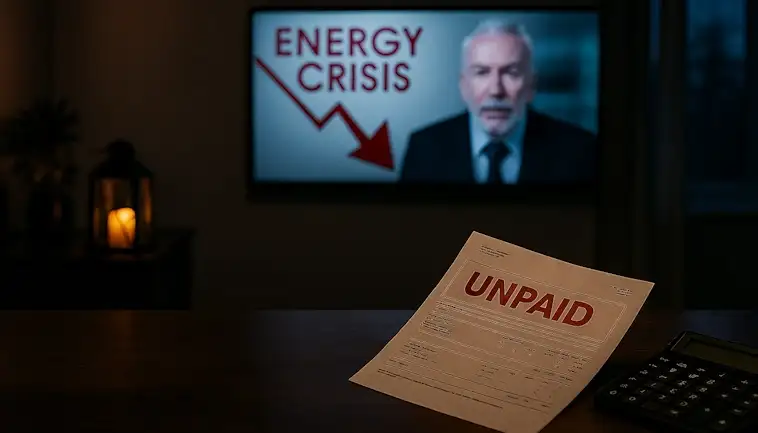
The Energy Crisis and Its Impact on Household Budgets
The rising cost of energy is no longer just a headline—it’s something many of us feel every time we open a utility bill. The energy crisis has turned into a daily reality, reshaping how households manage money and plan for the future.
Across the world, families are cutting back on spending to keep up with higher electricity and gas prices. For some, it means fewer takeout meals or smaller vacations. For others, it’s a choice between heating the home and saving for emergencies. Either way, the impact is real and personal.
Why Energy Prices Keep Climbing
Energy prices often spike because of global supply issues, political tensions, or unexpected demand. When one part of the energy chain is disrupted—like oil production or gas supply—it ripples down to your monthly bill. And the frustrating part is that most households have little control over it.
Still, there are small steps that can help. Simple actions like sealing windows, switching to energy-efficient appliances, and reducing unnecessary usage can shave dollars off your bill. While these changes may feel minor, they add up over time.
The bigger question, though, is how long this crisis will last. Energy experts believe prices may stay high until alternative sources become more affordable and widely available. That’s why many households are already exploring solar panels, battery storage, and smarter home systems as long-term solutions.
In the meantime, being mindful of energy use isn’t just about saving money—it’s also about building resilience in uncertain times.
Rising Healthcare Bills from Polluted Air and Poor Heating
Healthcare costs are climbing, and one hidden driver is the air we breathe and the warmth in our homes. Polluted air isn’t just an outdoor problem—it seeps into our daily lives, worsening asthma, heart disease, and even mental health. At the same time, poor heating in homes leads to respiratory illness, especially in vulnerable groups like children and older adults.
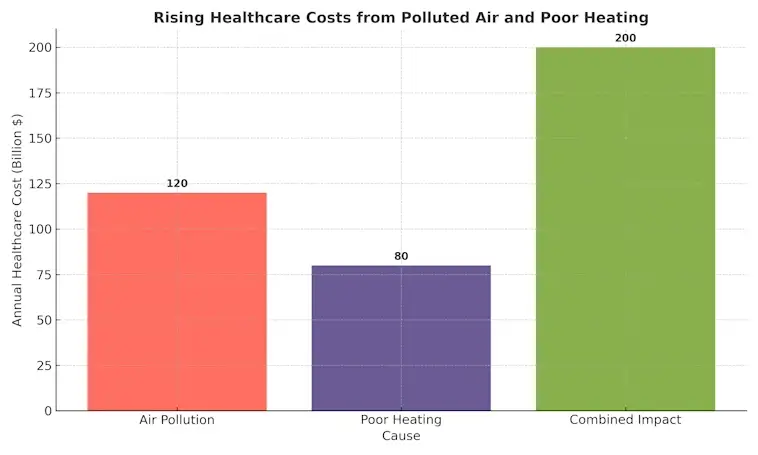
When you put the two together, the result is a heavy burden on families and the healthcare system. Bills rise not only from emergency treatments but also from long-term care. The good news is that solutions exist, from cleaner energy to healthier building standards. By addressing both air quality and heating, we can lower costs, improve health, and create safer communities for everyone.
Energy Crisis Side Effects on Jobs and Local Economies
When we talk about the energy crisis, the focus is usually on higher bills or fuel shortages. But there’s another side to it that often gets overlooked—the impact on jobs and local economies. These effects can ripple through communities in ways that feel very personal.
Think about your own town or city. When energy prices climb, businesses face tough choices. They might cut back on staff, raise prices, or even shut down. And when local businesses suffer, it doesn’t just hit the owners. It affects workers, families, and the entire flow of money in the area.
Here are some of the biggest side effects that communities face during an energy crisis:
- Job losses in energy-heavy industries — Manufacturing, construction, and transportation jobs are often the first to feel the squeeze.
- Rising costs for small businesses — Local shops and restaurants pay more for electricity and gas, forcing them to raise prices or reduce hours.
- Slowdown in local investments — Higher operating costs discourage new businesses from opening or expanding.
- Reduced household spending — Families paying more for energy have less money left to spend in their communities.
- Pressure on local governments — Cities face higher energy bills for schools, hospitals, and public services, leading to budget cuts elsewhere.
These side effects don’t just appear overnight. They build slowly, creating long-term challenges. But by understanding them, communities can start planning ahead. That might mean supporting renewable energy projects, improving efficiency, or finding new ways to keep local economies resilient.
Mental Stress and Anxiety Linked to Energy Insecurity
Have you ever worried about how to cover your next energy bill? If so, you’re not alone. Energy insecurity—the fear of not being able to afford or access reliable power—is becoming a hidden source of stress for millions of households.
The pressure goes beyond financial strain. Constant worry about heating in the winter or cooling in the summer creates anxiety. Over time, that anxiety can lead to deeper mental health challenges. Families often report feelings of shame, guilt, or helplessness when they can’t keep up with rising costs.

Research shows that people living with energy insecurity face higher risks of stress, anxiety, and even depression. It’s not just about comfort. It’s about health, safety, and peace of mind. And as energy costs fluctuate, the emotional toll grows heavier.
By understanding this connection, we can start addressing energy insecurity as not just an economic issue but also a public health challenge. Recognizing the mental burden is the first step toward building stronger, healthier communities.
The Long-Term Costs of Ignoring Renewable Alternatives
It’s easy to put off big changes. Many people think renewable energy is something we can deal with later. But waiting comes with a price. The longer we delay, the higher the costs become—both for our wallets and for the planet.
Renewables aren’t just about “being green.” They’re about building a stable future. Fossil fuels are limited. Their prices rise and fall with global events, leaving families and businesses exposed. On the other hand, renewable energy creates steady, predictable power. It offers protection from shocks and rising bills down the road.
Energy Crisis and Missed Opportunities
When we ignore renewable alternatives, we risk fueling the next energy crisis. Overdependence on coal, oil, and gas makes economies fragile. Every shortage or conflict sends prices soaring. Countries that invest in renewables today are less vulnerable tomorrow. They also gain new industries, jobs, and cleaner air.
Think of renewables as an investment, not a burden. Upfront costs may feel high, but they pay off in the long run. Lower energy bills, healthier communities, and stronger economies are the return. Ignoring these options only means higher bills, deeper inequality, and more severe climate impacts later.
If we want stability, the answer is clear. The longer we wait, the harder and more expensive the transition becomes. The real cost of ignoring renewables isn’t measured in dollars alone—it’s measured in lost time, opportunity, and resilience.
Finding Power in the Energy Crisis
The global energy crisis is more than just a challenge—it’s a turning point. Rising costs, unstable supplies, and growing demand are forcing us to rethink how we power our lives. The good news? We have solutions within reach. Renewable energy, smarter grids, and everyday choices all play a role in shaping a more secure and sustainable future.
The time to act is now. By staying informed, supporting clean energy initiatives, and reducing our own consumption where possible, each of us can help drive change. The energy crisis doesn’t have to define our future—it can inspire innovation and resilience.
Ready to be part of the solution? Share this post with others, and start making small changes today. Together, we can turn this crisis into an opportunity for lasting progress.