

Your Wallet, Your World: How Ethical Consumerism Shapes the Future
What you buy matters more than ever. Every purchase sends a signal—about your values, your priorities, and the kind of world you want to help create. Whether it’s your morning coffee, a new pair of sneakers, or a streaming subscription, your choices can quietly shape industries, communities, and even the environment.
Ethical consumerism is no longer a niche idea. It’s influencing how companies operate, what products succeed, and where innovation is heading. People are asking tougher questions and expecting more from brands. They want to know:
Who made this?
What’s it made from?
Who benefits—and who might be harmed—by me buying it?
Here’s what’s driving the change:
- Transparency is the new normal: Consumers expect honest supply chains and clear labeling, from food to fashion. Hidden practices are harder to hide.
- Sustainability is shifting from bonus to baseline: Eco-friendly packaging, carbon-neutral shipping, and circular design aren’t just nice-to-haves—they’re fast becoming essentials.
- Technology is making it easier to shop with values: Apps, platforms, and tools now help people track ethical ratings, carbon footprints, and even political donations tied to brands.
- Younger generations are leading with intention: Gen Z and Millennials are more likely to support companies that align with their ethics—even if it means spending a bit more.
This shift isn’t about perfection. It’s about progress. One thoughtful choice at a time, consumers are nudging industries toward more fairness, more sustainability, and more accountability. The ripple effects are just beginning.
Your Wallet, Your World: How Ethical Consumerism Shapes the Future
What Is Ethical Consumerism—And Why Should You Care?
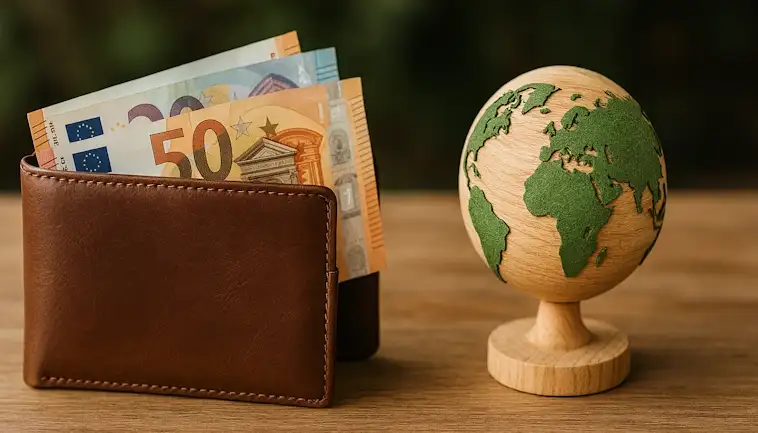
Every time you swipe your card, tap your phone, or hand over cash, you’re doing more than just buying something. You’re casting a vote. That $5 coffee, that $20 t-shirt, or that $1 banana isn’t just a product—it’s a message. It says, “I support how this was made, who made it, and what it took to get here.”
That’s the heart of ethical consumerism—a growing idea that our shopping habits can shape the world, for better or worse. It’s about buying with a conscience, knowing that our money can be a force for good—or for harm.
What Is Ethical Consumerism, Really?
In simple terms, ethical consumerism means making choices based not just on price or convenience, but also on values like:
- Human rights Are the workers who made this product treated fairly and paid a living wage? Were children involved in labor?
- Animal welfare Were animals harmed, abused, or killed in the making of this product?
- Environmental impact Was this made in a way that pollutes the planet or contributes to climate change?
Ethical consumers try to avoid supporting companies that rely on harmful practices. Instead, they seek out businesses that are transparent, fair, and sustainable.
How Everyday Spending Shapes the World
You don’t have to be a millionaire or a full-time activist to make a difference. Ordinary choices, made by lots of people, can shift entire industries. Here’s how:
Grocery Stores
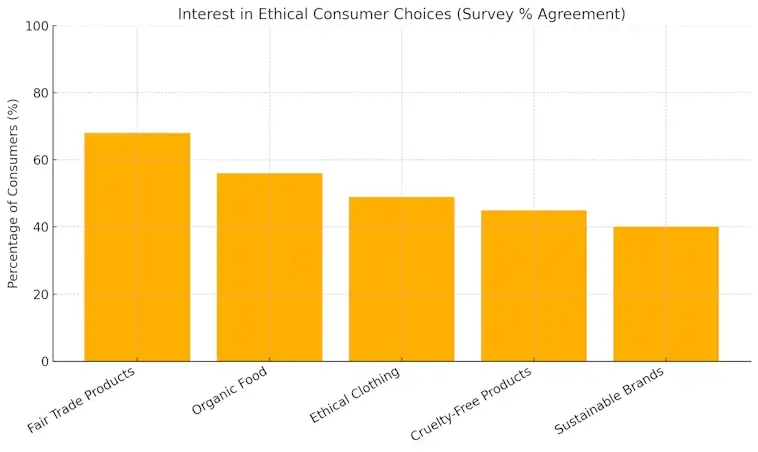
- Choosing fair trade coffee or chocolate supports farmers who are paid fairly and avoid forced labor.
- Buying organic produce helps reduce the use of harmful pesticides and supports soil health.
- Picking plant-based options or ethically raised meat can reduce the impact on the environment and improve animal welfare.
Clothing Racks
- Saying no to fast fashion means rejecting poor working conditions, low wages, and mountains of textile waste.
- Buying from ethical brands (or even second-hand) supports transparency, fair labor, and longer-lasting clothing.
Online Shopping
- Supporting local makers or small businesses often means your money goes directly to individuals or families, not big corporations.
- Checking for certifications like Fair Trade, Rainforest Alliance, or Cruelty-Free can help you shop with more confidence.
Where Ethics and Economics Meet
This is where it gets interesting. Companies want your money. And if more people demand ethical products, guess what? Companies change. We’ve already seen it:
- Major brands now offer vegan and cruelty-free lines.
- Big coffee chains source more ethically grown beans.
- Clothing retailers are being pushed to improve supply chain transparency.
It’s not just about feeling good—it’s about creating a ripple effect. Your dollars can help build a market that values fairness, not just profit.
Looking Ahead: The Future of Shopping
Ethical consumerism is growing. People care more than ever about where stuff comes from, and who gets hurt or helped along the way. But we still have work to do. That’s why every choice matters.
So the next time you’re out shopping, take a moment. Ask, Who made this? How was it made? What kind of world am I supporting with this purchase?
Because shopping isn’t just a transaction. It’s a statement.
From Fast Fashion to Fair Trade: Where We Shop Matters
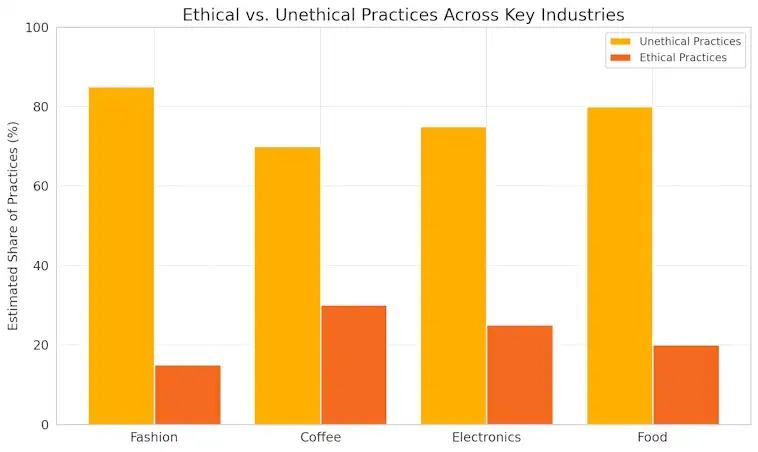
From the shirt on your back to the phone in your hand, almost everything we use has a backstory. And often, it’s a complicated one. The truth is, many products we buy are connected to harmful practices—exploited workers, polluted rivers, abused animals, and toxic waste. These things don’t show up on a price tag, but they exist just the same.
The good news? People are waking up. Across key industries, a growing number of consumers are saying, “I want better.” They’re asking where things come from, how they’re made, and who’s affected. Let’s look at four industries where ethics and consumer choices collide—and how change is starting to happen.
Fashion: Fast vs. Fair
The Problem
Fast fashion offers trendy clothes at low prices—but at a high cost. To keep prices down, many brands rely on:
- Sweatshops with low wages and unsafe conditions
- Child labor in some supply chains
- Massive waste: billions of garments are thrown away each year
- Water pollution from toxic dyes and untreated textile runoff
The Better Way
Consumers and ethical brands are changing the story by embracing:
- Circular fashion: recycling, repairing, or reselling clothes
- Fair labor practices: living wages, safe factories, no child labor
- Sustainable materials: organic cotton, bamboo, or recycled fabrics
- Slow fashion: buying fewer, better-quality pieces that last longer
Coffee: Convenience vs. Conscience
The Problem
Coffee is one of the world’s most traded commodities—but many coffee farmers live in poverty. Common issues include:
- Unfair pay for farmers
- Use of child labor on plantations
- Deforestation to create more farmland
- Heavy pesticide use harming workers and ecosystems
The Better Way
Ethical coffee is on the rise, with consumers choosing:
- Fair Trade coffee: ensures farmers are paid fairly and work in safe conditions
- Shade-grown coffee: protects biodiversity and forests
- Organic options: reduces pesticide use and health risks
- Direct trade: brands build long-term partnerships with growers
Electronics: Tech at a Human Cost
The Problem
Smartphones, laptops, and tablets are built with materials mined and assembled in ways that often involve:
- Hazardous conditions for workers in mines and factories
- Child labor, especially in mining cobalt for batteries
- Environmental damage from e-waste and toxic materials
The Better Way
Some tech companies and consumers are pushing for:
- Ethical sourcing of minerals (like conflict-free cobalt)
- Recycling programs to reduce e-waste
- Modular electronics (like Fairphone) designed to be repaired, not replaced
- Longer-lasting tech and better repair policies
Food: Industrial vs. Intentional
The Problem
Much of our food comes from systems that prioritize profits over health, ethics, or sustainability. Common issues:
- Factory farming: overcrowded, inhumane conditions for animals
- Pesticide-heavy agriculture: harms wildlife and human health
- Long-distance transport: increases carbon emissions
The Better Way
More shoppers are choosing:
- Locally sourced food: supports small farmers and cuts emissions
- Organic produce: safer for ecosystems and people
- Plant-based or pasture-raised meat: more ethical treatment of animals
- Food co-ops and farmers markets: better transparency and community support
Ethics in the Aisles: A Growing Movement
Ethical concerns aren’t just niche anymore. People want to feel good about what they buy. And companies are listening. More brands are promoting transparency. Certifications like Fair Trade, B Corp, and Certified Humane are gaining ground. Even major retailers now carry eco-conscious lines.
But change doesn’t have to be perfect. It starts with simple swaps: second-hand jeans, fair trade coffee, a phone that lasts five years instead of two. Small choices add up—especially when lots of us make them.
So next time you shop, remember: your values are part of the price tag. Spend like it matters—because it does.
The Power of Small Choices: How Everyday Decisions Add Up
If you’ve ever looked at the state of the world and thought, “What difference can I really make?”—you’re not alone.
The issues can feel huge. Climate change. Child labor. Plastic pollution. Fast fashion. It’s easy to feel powerless. After all, you’re just one person trying to choose between oat milk and regular milk, or wondering if that $10 T-shirt is worth the ethical headache.
But here’s the thing: small actions, multiplied by millions of people, move mountains.
The Power of Tiny Shifts
You don’t need to be perfect. You just need to care—and act where you can. The key is to understand that your choices send signals. They shape demand. They influence markets. And they help rewrite the story of how things are made.
Here are a few simple ways people are already changing the game:
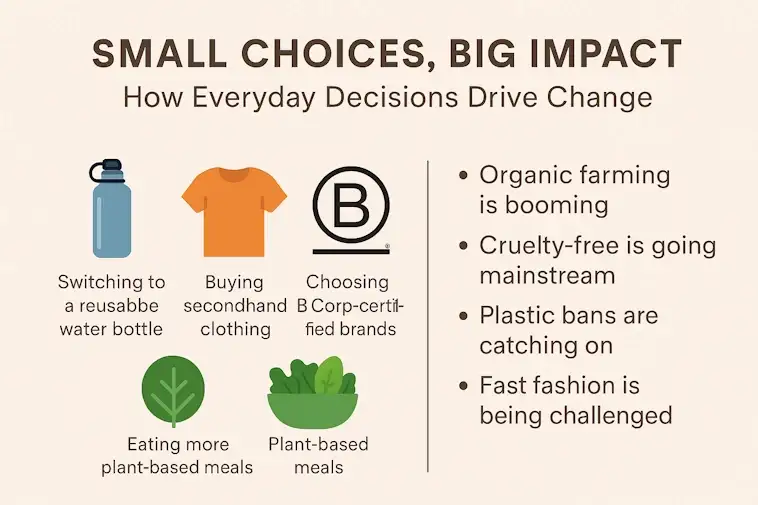
- Switching to a reusable water bottle: One bottle might save a few plastic cups a day. But if millions do it, we cut demand for billions of single-use plastics—and reduce waste in oceans and landfills.
- Buying secondhand clothing: Thrift shopping or using resale apps means fewer new garments made, less water used, and fewer textiles sent to landfill.
- Choosing B Corp-certified brands: These are companies legally required to balance profit with people and the planet. Supporting them helps prove that doing good can also mean doing well in business.
- Eating more plant-based meals: Even one meat-free day a week reduces pressure on factory farms, slashes carbon emissions, and eases land use.
Proof That It’s Working
These aren’t just feel-good ideas. They’ve already made a measurable difference:
- Organic farming is booming Once a niche market, organic food is now a global industry—because consumers demanded food grown without toxic pesticides or synthetic additives.
- Cruelty-free is going mainstream Big beauty brands are reformulating products and ditching animal testing, thanks to growing demand for ethical alternatives.
- Plastic bans are catching on From cities banning plastic straws to stores ditching plastic bags, consumer pressure has helped change laws and company policies.
- Fast fashion is being challenged The rise of resale platforms like ThredUp and brands like Patagonia or Everlane show that people want transparency and quality over cheap trends.
Start Where You Are
No one can do everything. But everyone can do something. Here’s what to remember:
You’re not alone.
Millions of people are making these small shifts right now. And their collective impact is massive.
You have power.
The moment you stop buying from a harmful brand, or start supporting a better one, you’re reshaping the market.
You’re part of a wave.
Every time you make a more ethical choice—whether it’s what you eat, wear, or throw away—you help build a more just and sustainable world.
Let Progress Be Your Motivation
So don’t get stuck in guilt or overwhelmed by what’s wrong. Focus on what’s possible. Start small. Stay curious. Keep learning. And remember—change doesn’t start with governments or corporations. It starts with us.
Because every time you choose better, you’re proving that the world can be better too.
Tech, Transparency, and the Future of Ethical Shopping
Not long ago, if you wanted to shop ethically, you had to do a lot of homework. You might’ve had to search through company reports, dig into supply chains, or memorize which certifications to trust. For most people, that kind of deep dive just wasn’t practical.
But now? Technology is turning ethical shopping into something you can do in seconds—right from your phone.
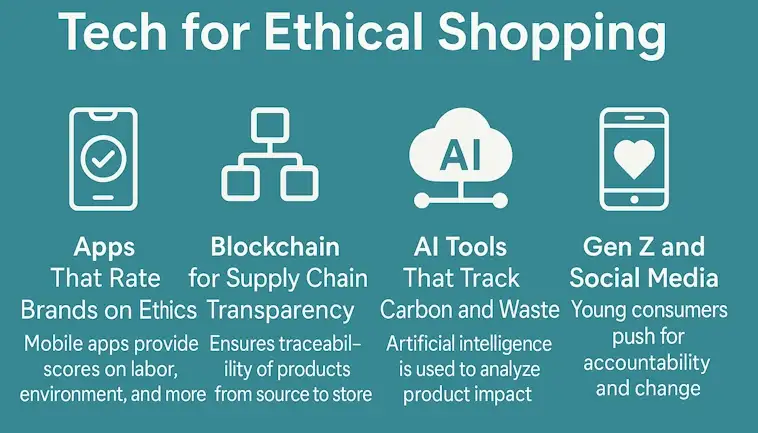
From apps that score brands on their values to AI tools that track carbon footprints, we’re seeing a new wave of innovation designed to help people shop with conscience, without complication. And younger generations—especially Gen Z—are using that tech to call out shady companies and lift up the ones doing better.
How Technology Is Making Ethical Shopping Easier
Here are some of the most exciting tools changing the game:
Apps That Rate Brands on Ethics
- Tools like Good On You, Ethical Consumer, and DoneGood let users quickly check how companies score on things like labor rights, environmental practices, and animal welfare.
- You can search for specific brands or browse by category (like shoes, skincare, or food).
- These apps help people find alternatives to fast fashion, unethical electronics, or greenwashed products.
Blockchain for Supply Chain Transparency
- Blockchain isn’t just for cryptocurrency. It’s being used to track the full journey of a product—from raw materials to store shelf.
- Companies like Provenance and IBM Food Trust are using blockchain to offer proof of origin, fair labor conditions, and environmental data.
- This level of transparency makes it harder for companies to hide poor practices—or fake good ones.
AI Tools That Track Carbon and Waste
- Artificial intelligence is being used to analyze product lifecycles, predict emissions, and suggest more sustainable choices.
- Some browser extensions and apps will show you a product’s carbon footprint, or flag if it’s linked to deforestation or forced labor.
- Retailers are also using AI to reduce overproduction and waste, making supply chains more efficient and eco-friendly.
The Role of Social Media—and Gen Z’s Influence
Accountability in Real Time
- TikTok, Instagram, and X (Twitter) are full of users breaking down brand behavior. If a company gets caught cutting corners or greenwashing, it can go viral for the wrong reasons in hours.
- Gen Z in particular isn’t afraid to call out hypocrisy and demand transparency, often tagging brands directly.
Education and Empowerment
- Influencers and micro-creators are teaching their audiences how to shop ethically, spot red flags, and support better businesses.
- Hashtags like #sustainablefashion, #ethicalliving, or #votewithyourwallet are helping spread awareness and build community.
Pushing Brands to Do Better
- Brands know Gen Z cares—and they’re adapting. Many now publish sustainability reports, respond to criticism online, and offer more eco-conscious or inclusive product lines.
- This generation doesn’t just buy—they challenge, question, and campaign. And tech gives them the tools to do it.
Looking Ahead: A More Ethical Future Is in the Code
As technology evolves, so will the tools for ethical shopping. Imagine:
- AR shopping filters that highlight ethical alternatives in real time
- Smart receipts that show the environmental impact of your purchases
- Voice assistants that can suggest the most ethical brand in a category
The bottom line? You don’t have to choose between convenience and conscience anymore. The tech is here—and it’s getting better.
So whether you’re scanning a barcode in a store, swiping through product reviews, or checking an app before clicking “Buy Now”, remember this:
You have more power in your pocket than ever before. Use it well.
Voting With Your Wallet: Creating the World You Want to Live In
Every day, we make choices about what to eat, wear, and use. Most of the time, those decisions feel routine—like grabbing a coffee, replacing worn-out shoes, or picking up groceries. But those choices do more than fill your cart. They send signals. They shape demand. They help build or break entire industries.
In a world where profits speak loudest, how we spend money has become a form of activism. It’s quiet, powerful, and constant. It means that every time you buy, you’re not just consuming. You’re participating.
How Spending Influences Change
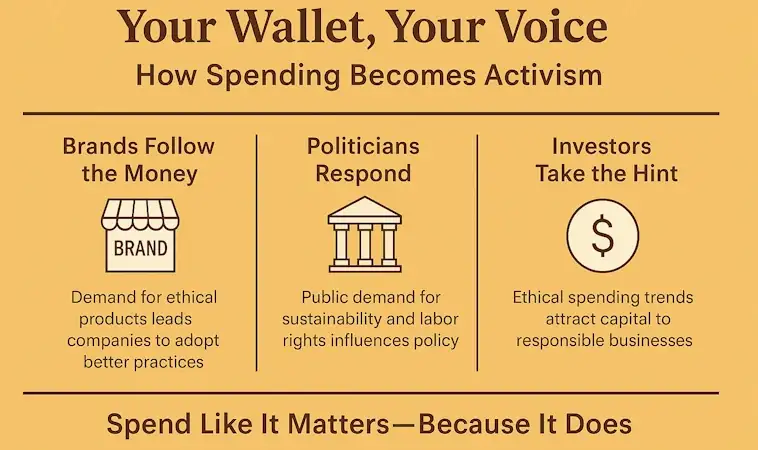
When lots of people change how they shop—even in small ways—companies, politicians, and investors take notice. That’s because money talks, and brands listen when it starts walking away.
Brands Follow the Money
- As more people shop ethically, companies are pressured to clean up their supply chains.
- Fashion brands like Levi’s and H&M have launched sustainable collections.
- Big beauty brands now offer cruelty-free and vegan product lines, not just because it’s right—but because people are demanding it.
Politicians Respond to Market Shifts
- Public demand for plastic-free packaging and better food labeling has led to actual legislation.
- Voters who support ethical consumption are often the same ones pushing for climate policy, animal welfare laws, and labor protections.
Investors Take the Hint
- The rise of ESG investing (Environmental, Social, Governance) shows that money managers are watching where people are spending.
- Brands with strong ethical reputations are attracting more capital and customer loyalty—because doing good is also good business.
Spending as Cultural Leadership
Money isn’t just economic—it’s cultural. What we buy, and what we reject, helps shape what’s normal, what’s valued, and what’s unacceptable.
- Buying local food supports regional farms and reduces emissions.
- Choosing secondhand fashion challenges the “wear once” culture of fast fashion.
- Supporting inclusive brands helps push representation in advertising and hiring.
This kind of spending builds momentum. It normalizes better choices. It tells the next generation that how something is made matters as much as what it is.
The Future Is in Your Hands—and Your Shopping Cart
You don’t need to be loud to be an activist. You don’t need to march or make speeches (though those help too). Sometimes, you just need to shop with intention.
Your dollars are not just tools of convenience. They are votes. And when enough people vote for transparency, fairness, and sustainability, the market changes. Culture shifts. Laws evolve.
A Final Word: Spend Like It Matters—Because It Does
The future isn’t built only on what we believe. It’s shaped by what we support, promote, and pay for. So whether it’s one reusable bag, one local purchase, or one ethical swap—you’re not just shopping.
You’re building a better world. One receipt at a time.
Conclusion
Every purchase we make sends a message. It tells companies what we value. It tells governments what we’ll support. And it tells future generations what kind of world we’re building for them.
Ethical consumerism isn’t about being perfect. It’s about being aware. It’s about making thoughtful choices—when we can, where we can—that reflect the kind of world we want to live in.
Whether it’s choosing fair trade coffee, buying secondhand instead of new, or asking hard questions about where our stuff comes from, we each have more influence than we think. Every time we spend, we’re shaping industries, supporting workers, and either protecting or depleting the planet.
This isn’t just about shopping smarter. It’s about living with intention. It’s about realizing that the future isn’t only built by bold policies or sweeping reforms—it’s shaped by everyday people making better choices, one product, one brand, one receipt at a time.
Your wallet is powerful. Use it like it matters—because it does.