

Winter Chill: The Hidden Cold Shaping Your Everyday Comfort
Winter Chill: How a Sudden Cold Snap Can Change Your Day in an Instant
Cold days do more than lower the temperature. The winter chill quietly changes how the body feels and how the home responds. It dries the air. It tightens muscles. It can even affect sleep and focus. As a result, everyday comfort starts to slip in ways that often go unnoticed.
Indoor spaces feel safe, yet cold air still finds a way inside. Floors feel colder. Skin feels tighter. Moreover, heating systems work harder, which can lead to uneven warmth and rising energy costs. These small shifts add up, shaping mood and movement throughout the day.
Looking ahead, smarter habits make a real difference. Simple steps like balanced heating, better insulation, and moisture control can restore comfort. Therefore, understanding how cold air behaves helps create a warmer, calmer space that feels steady all winter long. And with the right approach, comfort stays within reach, even as temperatures fall.
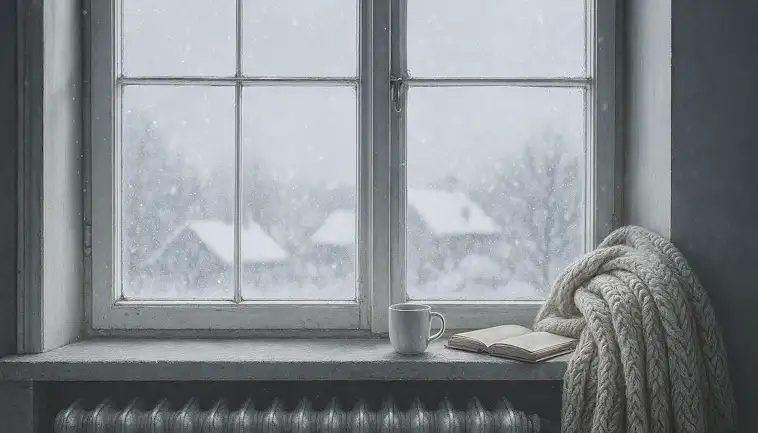
Winter Chill: How Hidden Cold Creeps Into Your Daily Comfort
The winter chill often feels subtle at first. A quiet draft. A cool floor. A sudden shiver you brush off. Yet over time, that hidden cold starts to shape your day.
You wake up feeling stiff. You reach for extra layers. Even your mood feels a little slower. This is how winter chill slips in. It changes how you move, work, and relax. And most people never notice the slow shift.
At home, cold air finds small gaps. Around windows. Under doors. Through thin walls. As a result, your heater works harder. Your energy bills rise. Still, you may not feel truly warm.
Outdoors, the story continues. A short walk feels longer. Your hands go numb faster. Your focus fades quicker. Therefore, daily comfort becomes a quiet challenge.
A Quick Pause for Thought
Think about your last cold morning. Did you rush more? Did you feel less patient? Winter chill does that. It plays with your rhythm without asking.
However, the good news is simple. Awareness helps. Sealing gaps. Wearing smart layers. And learning how cold affects your body can make a real difference. This helpful guide explains how to stay safe and comfortable during cold weather CDC.
So, stay ahead of the winter chill. Notice the small signs. Take gentle steps. And move through the season with warmth and ease. The cold may be quiet, but your comfort does not have to be.
Why Your Home Feels Colder Than the Thermostat Says
Have you ever checked your thermostat and thought, “This can’t be right”? The numbers look fine. Yet the room still feels chilly. You are not imagining it. This is a common problem in many homes today.
Your thermostat reads air temperature. But your body reacts to much more than that. It feels drafts, cold surfaces, and even moisture in the air. As a result, comfort can feel miles away, even when the setting says otherwise.
First, poor insulation plays a big role. Warm air escapes fast. Cold air sneaks in. So the room never feels truly cozy. Next, drafty windows let in cold air, even when they look closed. That hidden breeze can lower comfort in seconds.
Then there are cold floors. Heat rises. So your feet often feel the chill first. Meanwhile, high ceilings trap warm air above your head. It stays out of reach, which makes the space feel colder than it should.
Humidity also matters. Dry air makes cooler temperatures feel sharper. Balanced humidity, on the other hand, helps warmth spread more evenly.
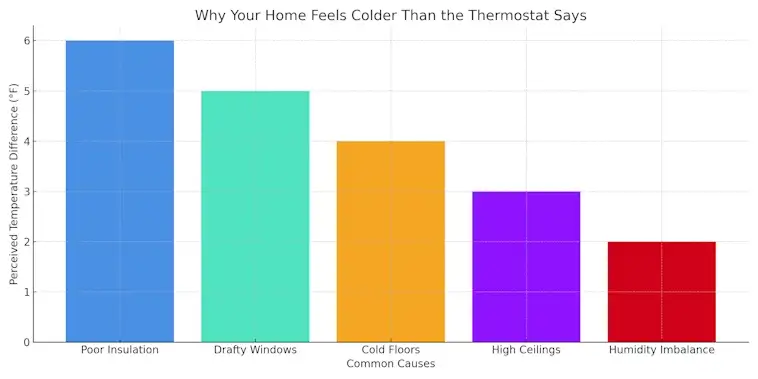
Looking ahead, smart home upgrades are changing this story. Better insulation materials are more eco-friendly. New window designs reduce drafts. And smart thermostats now adjust based on how a room actually feels, not just the number on a screen.
Winter Chill and the Silent Impact on Sleep and Wellbeing
The winter chill can feel calm and cozy. Yet, it also changes how your body rests. As temperatures drop, your sleep and overall wellbeing often shift in quiet ways. You may not notice at first. However, the signs usually show up over time.
Cold air can dry out your room. It can also make your muscles tense. As a result, falling asleep may take longer. You might wake up feeling stiff or tired. Even so, small changes can make a big difference. And the good news? You can stay ahead of it.
The winter chill affects your rhythm. Your body clock looks for warmth and light. When both fade, sleep patterns can slip. This can impact your mood, focus, and energy the next day. Still, awareness is the first step toward better rest.
Here are a few simple ways the winter chill can influence your sleep and wellbeing:
- Dry air can irritate your nose and throat, making it harder to breathe at night.
- Cold rooms may cause shallow or broken sleep.
- Shorter daylight hours can lower your mood and motivation.
- Tense muscles can lead to morning aches and slow starts.
- Poor sleep can weaken your immune system over time.
At the same time, paying attention helps you stay in control. Warm blankets, soft lighting, and steady routines support deeper rest.
So, as the winter chill sets in, think of it as a gentle reminder. Care for your sleep now. Protect your wellbeing. And move forward feeling rested, clear, and ready for brighter days ahead.
Simple Ways to Stay Warm Without Overheating Your Space
Staying warm should feel cozy. Not stuffy. And definitely not like you are living in a sauna. The good news? You can stay comfortable and still keep your space cool and balanced.
First, think about smart layers. A light base layer plus a soft sweater traps warmth close to your body. So you feel warm faster. Yet the room stays fresh. This simple habit is becoming more popular as people aim to save energy and feel better at home.
Next, stop heat from escaping. Seal small drafts around doors and windows. Even tiny gaps can steal warmth fast. Thick curtains also help. They hold heat in during cold nights and block chilly air in the morning. As energy costs rise, this trend will only grow stronger.
Then, try targeted heat. A heated blanket or pad keeps you warm where it matters. You stay cozy. Meanwhile, the rest of the room stays at a comfortable level. This balanced approach is shaping the future of home comfort.
Also, do not forget warm drinks. Tea, coffee, or even hot lemon water gently lift your body temperature. It feels soothing. Plus, it adds a calm moment to your day.
Finally, focus on comfort, not just the thermostat. Small changes make a big difference. And over time, these habits create a warmer home that feels just right.
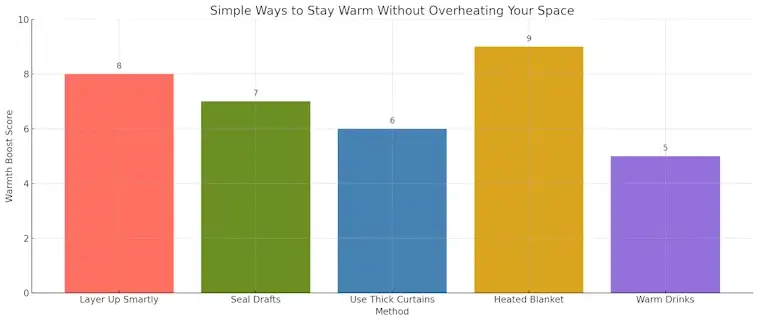
Stay warm. Stay balanced. And enjoy a space that works with you, not against you.
Looking Ahead: Smarter Solutions for Future Cold Seasons
Cold weather is changing fast. And so is the way we prepare for it. In the past, winter meant heavy coats and higher heating bills. Now, it also means smarter planning and better tools. As climate patterns shift, future cold seasons will feel different. Yet there is good news. New ideas are already making a real difference.
First, homes are getting more efficient. Better insulation keeps warmth inside for longer. Smart thermostats learn your routine. They adjust heat when you need it most. As a result, you stay warm and save energy too.
At the same time, cities are thinking ahead. More green spaces help soften extreme cold. Heated bus stops offer comfort on icy mornings. Even roads are evolving with materials that resist freezing. These changes may sound small. However, together they create safer winter living.
Crystal Paths Through the Winter Chill
Here’s something to look forward to. Designers and planners are working on cold-weather tech that feels almost futuristic. Think self-warming clothing. Think windows that adjust to outside temperatures. Not only do these tools improve comfort, they also reduce waste. So, the planet wins as well.
Meanwhile, health experts are urging people to prepare early. Simple habits can go a long way. Stock up on warm layers. Keep emergency supplies ready. And stay informed.
So, what does this mean for you? It means winter no longer has to feel overwhelming. With smarter solutions and a little planning, cold seasons can feel calmer and more manageable. Most importantly, you stay safe, warm, and ready for whatever comes next.
And as technology moves forward, so can you. Winter is evolving. Thankfully, we are learning to evolve with it.
Embracing Winter Chill with Comfort and Confidence
Winter chill may feel quiet, yet it shapes your day in more ways than you think. It creeps into your home, your skin, and even your mood. Still, there is good news. Small changes can make a big difference.
By choosing smarter layers and sealing drafts, you can stay warm without raising your energy bill. Likewise, adding soft lighting and cozy textures helps your space feel calm and welcoming. These simple steps matter now. They will matter even more as colder seasons become less predictable in the years ahead.
Moreover, future homes will likely blend comfort with efficiency. Think better insulation, gentler heating, and fabrics that respond to the cold. As a result, staying ahead of winter chill will feel less like a struggle and more like a smart lifestyle choice.
So take control today. Adjust your space. Listen to your body. Then, enjoy the season with ease. After all, winter chill does not have to steal your comfort. With a little care and planning, it can even become part of your cozy routine.