

Will Native Wildlife Survive Our Changing World?
How Native Wildlife Is Struggling to Survive in a Rapidly Changing World
Native wildlife faces pressures that grow more intense every year, and the pace of change is only speeding up. Rising temperatures, shifting seasons, and habitat loss are reshaping the places animals depend on. Yet many species are showing surprising resilience. Their future now depends on how fast we adapt our choices to match the reality unfolding around us.
As conditions evolve, some species will adjust while others struggle to keep up. New migration patterns, altered food sources, and expanding human development all play a part. Still, there are promising signs. Conservation tools are improving, community action is gaining traction, and technology is offering fresh solutions.
The road ahead won’t be simple, but small steps taken today can ease the strain on vulnerable ecosystems. When people understand how these shifts affect daily life, it becomes easier to support changes that help nature hold its ground.
Why Native Wildlife Faces New Pressures Today
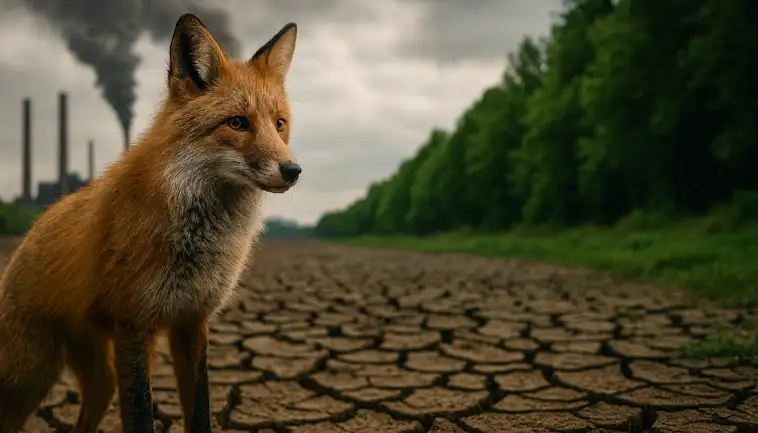
Our native wildlife is facing a tough moment, and the signs are becoming harder to ignore. You can see it in shifting migration paths, quieter forests, and changing coastlines. These changes might feel distant at first. Yet they shape the places we live, the food we eat, and the balance that keeps our ecosystems steady.
Climate change, habitat loss, and rapid development are pushing many species into unfamiliar territory. As temperatures rise and weather patterns swing from one extreme to another, animals must adapt faster than ever. Some can keep up. Many cannot. And that’s where the pressure builds.
A Challenge We Can’t See at First
Although these shifts often happen slowly, their impact adds up. Forests shrink. Wetlands dry. Coastal zones erode. When habitats shrink or change shape, survival becomes harder. Native wildlife depends on stable homes, and when those homes transform, species struggle to find food, shelter, and safe breeding grounds.
At the same time, new threats move in. Invasive species spread into weakened landscapes. They compete for resources and disrupt local food webs. This makes recovery even more difficult for animals already stretched thin.
Still, there is good news. Communities, conservation groups, and everyday people are paying closer attention. Small choices—like supporting habitat restoration, planting native species, and reducing pollution—add up. And as awareness grows, so does momentum.
Moving forward, the challenge is to keep these conversations alive. When we understand what native wildlife is up against, we’re more likely to protect it. And when we act together, we give nature the space it needs to adapt and thrive—today and in the years ahead.
How Climate Shifts Are Reshaping Habitats
Climate change is not just shifting temperatures. It’s reshaping the very places species call home. As the planet warms, many ecosystems are moving, shrinking, or transforming in ways we’re only beginning to understand. And while this can feel overwhelming, it also gives us a chance to look ahead and rethink how we protect the natural world.
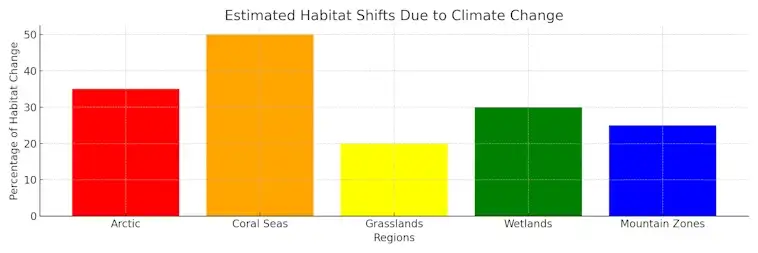
As you explore the changes, you’ll notice that some regions are hit harder than others. For example, coral seas are warming fast, pushing marine life to cooler waters. Meanwhile, Arctic habitats are melting at a pace that forces wildlife to migrate or adapt quickly. These shifts ripple outward, touching food chains, local communities, and even the global climate.
When we step back, the message is clear: our habitats are on the move. And since these changes affect everyone, it’s worth understanding what’s happening now — and what might come next.
Below is a chart to help illustrate how different regions are experiencing habitat change.
What Native Wildlife Needs to Survive the Future
When we talk about native wildlife, we’re really talking about the health of our own backyards. These animals shape the balance of our ecosystems, even when we hardly notice them. As our climate shifts and human activity expands, their world is changing fast. So, this is a good moment to look ahead and ask a simple question: What will it take for native wildlife to thrive in the years to come?
The answer starts with understanding what these species rely on right now—and how those needs are being pushed to the edge. As you read through this section, imagine the landscapes you know best. Think about how they looked ten or twenty years ago. Chances are, they’ve changed. And that change affects every creature that calls them home.
Below are some of the essentials native wildlife will need to survive a future that’s already arriving:
- Connected habitats that allow animals to move, migrate, and adapt as temperatures rise.
- Clean water sources protected from pollution and overuse.
- Healthy food webs supported by native plants and stable ecosystems.
- Shelter and breeding spaces free from human disturbance.
- Reduced light and noise pollution so natural behaviors aren’t disrupted.
- Climate resilience strategies, like restored wetlands and forests that soften extreme weather.
- Fewer invasive species, which often out-compete native species for food and space.
As we look ahead, it’s clear that the choices we make now will shape what survives later. And while the challenges are real, so is our ability to fix what’s broken. Small steps—planting native gardens, supporting habitat restoration, choosing sustainable products—add up fast.
By protecting native wildlife, we protect the future of the places we love most. And that future is still ours to shape.
The Hidden Threats We Often Overlook
When we think about wildlife, we often picture sweeping forests, quiet oceans, and the sense that nature somehow runs on its own. Yet the reality is more fragile. Many of the pressures facing animals today come from threats that hide in plain sight. And because they’re not always dramatic, we tend to ignore them.
But as you look a little closer, you start to see how everyday choices shape the world animals depend on. For example, small shifts in land use can shrink habitats. Meanwhile, rising temperatures stress species that have survived for thousands of years. Even pollution, which we rarely see directly, builds up in food chains and disrupts entire ecosystems.
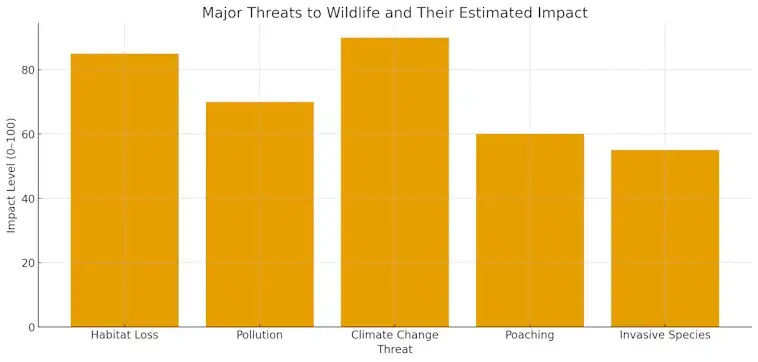
These challenges may seem distant, but they’re growing fast. They also reveal something hopeful: if we can spot the hidden problems, we can change their direction. And that starts with understanding what wildlife is up against right now. That’s why the chart above highlights some of the biggest pressures affecting species across the globe.
As you explore these issues, you’ll see how understanding the problem helps us protect the wild spaces we love—and how even small steps can make a difference.
Ways Communities Can Help Protect Local Species
When we talk about saving local species, it often sounds like something only scientists or policymakers can handle. But communities play a huge role, too. In fact, many of the most effective protections start close to home. And as climate pressures and habitat loss grow, every small action matters even more. So let’s look at a few practical steps that any neighborhood, town, or city can take to support the plants and animals that make their environment unique.
Supporting Native Wildlife Through Local Action
One of the easiest places to start is with the land we already share. Community gardens, schoolyards, and even roadside greens can become small but mighty pockets of habitat. When these spaces use native plants, they provide food and shelter that local species actually depend on. Over time, these patches connect like stepping stones, helping wildlife move, breed, and survive.
Another powerful step is reducing light pollution. Brighter nights may feel safer, but they confuse birds, insects, and other animals. Switching to warmer, downward-facing lights protects the night sky and the creatures that rely on natural darkness.
Communities can also hold regular clean-up days. It’s simple. It’s social. And it removes hazards that harm or trap wildlife. Even better, it inspires people to notice the animals living around them.
If your community wants to go further, you can explore citizen-science projects. These programs help track species, monitor water quality, and map habitat changes. They turn residents into data collectors—and decision makers pay attention to that kind of local insight. A great place to get started is with projects listed at the National Wildlife Federation.
By taking these steps, communities build more than healthier ecosystems. They build pride, connection, and a sense of shared purpose. And as more people get involved, the impact grows fast.
A Future Worth Fighting For
As we look ahead, it’s clear that the survival of native wildlife will depend on the choices we make today. The world is shifting fast, and so are the habitats these species rely on. Yet there’s still room for hope. When communities protect natural spaces, restore damaged ecosystems, and support smart climate solutions, wildlife often bounces back much faster than expected.
This is why staying engaged matters. Small actions—like supporting local conservation groups, choosing wildlife-friendly products, or even planting native species in your own yard—can create real momentum. And as more people join in, those efforts begin to scale.
So the question isn’t only Will native wildlife survive our changing world? It’s also How can we shape a world where it thrives? By staying informed and taking part, we help build a future where these species aren’t just hanging on—they’re flourishing.
If you’re ready to play a part, now is the perfect time to start.