

Wildlife Safety Proven With Devoted Care for Every Creature
Wildlife Safety Starts Here: Practical Steps to Safeguard Every Species
Wildlife safety is shaped by the choices we make every day, and those choices matter more than ever. Animals face rising pressures from habitat loss, climate shifts, and human activity. Yet steady, devoted care continues to show that meaningful protection is possible. When people understand how small actions support the larger ecosystem, the path to a safer world for every creature becomes clearer.
As awareness grows, so does the recognition that care is not a single gesture. It is a long-term commitment grounded in respect for the natural world. Simple steps—like supporting responsible land management or reducing harmful waste—help create environments where animals can thrive. These efforts build momentum over time, proving that thoughtful stewardship can safeguard even the most vulnerable species.
Looking ahead, the future of wildlife protection will depend on a mix of innovation and compassion. As communities adapt to rapid environmental changes, their dedication remains one of the strongest forces for keeping ecosystems healthy. That steady devotion becomes living proof that every creature benefits when care and responsibility come together.
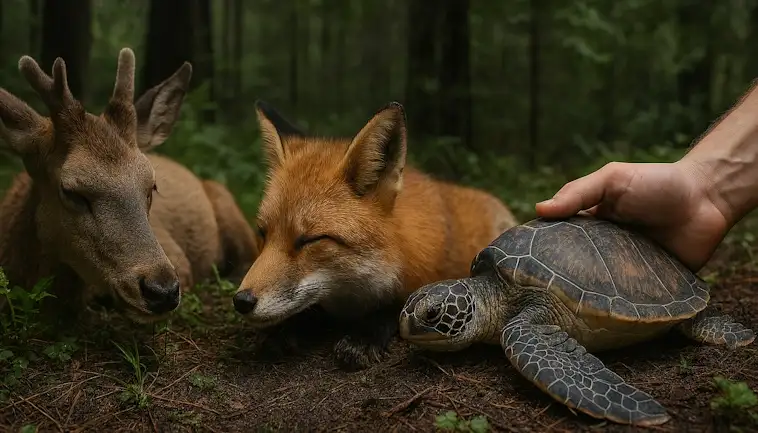
Wildlife Safety Begins With Consistent Care and Everyday Awareness
Caring for wildlife starts with small, steady actions. And when you build those actions into your daily routine, you help create safer spaces for the animals that share our communities. This idea may sound simple, yet it has powerful results. Because wildlife safety is not a one-time effort. Instead, it grows from habits that become second nature.
As you move through your day, you may notice small things. A loose bin lid. Perhaps a pet off the leash. Maybe a trail that looks a little more worn than usual. These moments matter. They shape the environment that wildlife depends on. When we stay alert and act with intention, we reduce risks long before they become problems.
Small Choices That Protect Bigger Lives
Take a moment to think about your own routine. For example, do you secure your rubbish before heading out? Do you keep to marked paths during walks? These choices help limit disturbances and keep animals out of harm’s way. And over time, they create a community where wildlife can thrive.
Furthermore, awareness spreads. When you model good behaviour, others follow. Children learn to treat animals with respect. Neighbours get curious and join in. Soon, those small actions become shared values.
As we look ahead, everyday awareness will only grow in importance. Urban areas continue to expand. Seasons shift. Habitats change. Yet our commitment to wildlife safety can remain strong. When we stay informed and ready to adapt, we help protect the natural world we all rely on.
So start today with one small step. Notice your surroundings. Make mindful choices. And keep showing up with consistent care. Over time, these actions add up—and wildlife feels the difference.
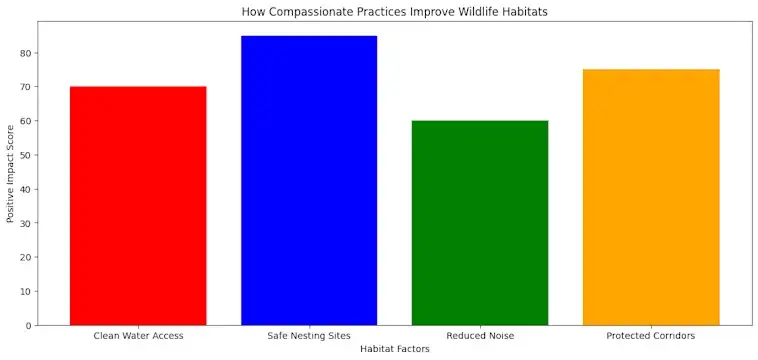
How Compassionate Practices Create Safer Habitats for All Creatures
When we talk about caring for the natural world, it often comes down to one simple truth: compassion shapes safer habitats. And the best part is that you do not need grand actions to make a real difference. Instead, everyday choices can support wildlife in ways that ripple far beyond what we see.
As communities grow and landscapes change, animals face new challenges. However, when we respond with thoughtfulness, we help them adapt. Small steps—like reducing noise, creating clean water access, and protecting natural corridors—build a foundation for long-term wildlife safety. And day by day, those steps create environments where animals can live, rest, and thrive.
Along the way, compassionate practices also help us. They deepen our connection to local ecosystems. And they inspire neighbours to join in. Reminding us that we all share the same space, even if our needs look different.
By thinking ahead and paying attention to what wildlife needs, we create safer, healthier habitats for every creature, including us.
Wildlife Safety Thrives When Communities Work Together
When we talk about wildlife safety, it is easy to think the responsibility falls on experts, parks, or government agencies. Yet the truth is far more hopeful. Communities play a powerful role, and when people work together, local wildlife gets a real chance to thrive. This shared effort feels natural once you see how small actions build into meaningful protection. And as more neighborhoods take part, the impact grows quickly.
Working as a community also helps people feel more connected to the places they live. It encourages trust and builds a sense of purpose. Most importantly, it turns wildlife safety into something everyone can shape, not just observe from a distance. That shift matters, especially as habitats change and animal behavior adapts.
When communities team up, they create safer spaces for both humans and animals. Simple steps can make a big difference. For example, reducing food waste outside helps keep wildlife from wandering into risky areas. Planting native trees supports pollinators and shelters small animals. Even talking with neighbors about what you see in your area helps raise awareness.
Here are a few practical ways communities can support wildlife safety together:
- Share local sightings to spot patterns and prevent hazards
- Keep outdoor areas clean and remove easy food sources
- Protect green spaces and encourage native planting
- Join or start neighborhood watch groups focused on wildlife
- Work with local schools to teach kids about habitat care
As more people take part, these habits grow stronger. And over time, the entire community becomes a safer place for wildlife. This teamwork also prepares neighborhoods for future challenges. It helps everyone stay informed and ready to adapt as conditions change.
In the end, wildlife safety thrives not through isolated efforts, but through shared commitment. When communities unite, nature feels closer. Animals face fewer risks. And people feel proud knowing they helped create a safer, more resilient environment for all living things.
Innovative Care Methods That Protect Animals in a Changing World
As our world changes, animals face new pressures each year. So it helps to look at the creative solutions emerging around us. These innovative care methods are giving wildlife a better chance to adapt and survive. And as you’ll see, even small improvements can spark real progress.
Today, wildlife care is no longer limited to nature reserves or research labs. Instead, new tools, community action, and fresh ideas are reshaping how we protect animals. This shift feels inspiring because it shows what’s possible when we mix technology with compassion. It also shows how every community can play a part.
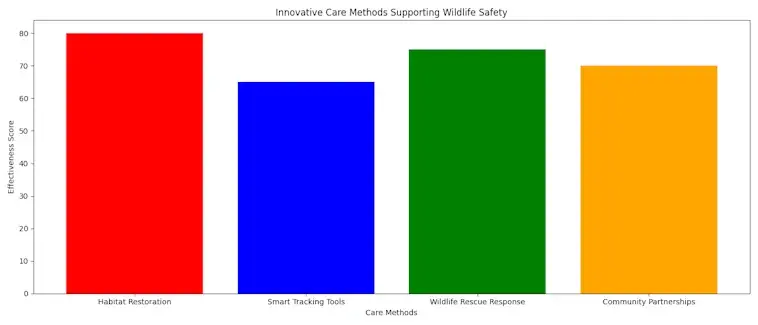
One of the biggest changes is the shift toward prevention. Instead of reacting to crises, people are creating early-warning systems and improving habitats before animals reach the danger point. This forward-thinking mindset helps wildlife stay resilient and keeps risks lower for everyone.
At the same time, faster rescue efforts and smarter tracking tools are closing long-standing gaps. These approaches reduce harm, improve response times, and help experts understand where animals need the most support.
As these methods continue to grow, they point toward a future where wildlife care becomes more proactive, more inclusive, and more effective. And with more communities joining the effort, the impact will only get stronger.
Why Long-Term Stewardship Matters for the Future of Every Species
When we talk about protecting life on Earth, it can feel overwhelming. Yet long-term stewardship is really about something simple. It is about caring for the planet in a way that lets every species, including our own, thrive far into the future. And as environmental pressures grow, this long view becomes even more important.
Today, ecosystems are shifting fast. Habitats shrink. Food chains weaken. Weather extremes push plants and animals beyond their limits. However, when we look ahead rather than react day-to-day, we start to see how our choices can change the story.
Long-term stewardship invites us to slow down and notice the connections that keep nature in balance. It encourages consistent action rather than quick fixes. Over time, this approach restores damaged landscapes, protects migration routes, and supports healthier populations of endangered species. And it also gives communities a stronger voice in how land and water are used. That matters, because lasting protection only works when people feel included and empowered.
Everyday Steps Toward Wildlife Safety
You do not need to be a scientist to help. Small choices add up. Supporting habitat restoration projects, reducing waste, planting native species, and learning about local wildlife all make a difference. These actions may seem simple, yet they help build ecosystems that can withstand future change.
Long-term stewardship also shapes policy. When people stay engaged over many years, leaders pay attention. Successful conservation programs—from marine reserves to forest recovery zones—often begin with citizens who refuse to give up. Their persistence shows that progress is possible even in challenging times.
If you want to explore how stewardship efforts are already reshaping conservation, this resource from the National Wildlife Federation offers a clear overview.
By thinking beyond the moment and acting with care, we create room for species to adapt and recover. And as these efforts grow, so does the hope that future generations will inherit a world full of thriving, resilient life.
Conclusion: A Future Built on Wildlife Safety
As we look ahead, it becomes clear that wildlife safety is not just an environmental goal. It is a long-term commitment to the health of every creature that shares this planet with us. When we invest in devoted care—whether through better habitat protection, smarter local choices, or stronger conservation policies—we set the stage for real, lasting change.
Wildlife safety grows when communities stay informed and stay involved. It grows when people choose to value the natural world in their daily lives. And it grows when we see ourselves as part of a larger story, one where our actions today protect the species of tomorrow.
With steady attention and practical steps, we can help build a safer, more resilient future for all living beings. The path forward is in our hands, and every thoughtful choice brings us closer to a world where both people and wildlife can thrive.