

Wildlife Abundance: Secrets That Reveal a Fantastic Future
Wildlife Abundance: The Powerful Signs Pointing to a Thriving Future for Nature
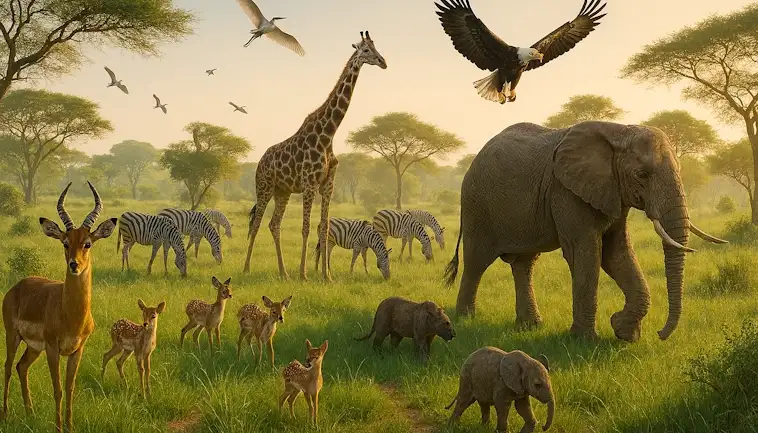
Wildlife abundance is becoming a powerful signal of positive change across the planet. In many regions, animal populations are stabilizing or growing after decades of decline. This shift points to healthier ecosystems, smarter conservation, and a growing awareness of how nature and human life are deeply connected. The return of species once thought lost shows that recovery is not only possible, but already underway.
At the same time, new tools are transforming how wildlife is protected. Satellite tracking, community-led conservation, and better land management are helping nature rebound faster than expected. As habitats recover, they also deliver cleaner water, stronger food systems, and greater resilience to climate stress. These benefits reach far beyond forests and oceans, shaping daily life in quiet but meaningful ways.
Looking ahead, the patterns behind rising animal populations offer clues to a more balanced future. When biodiversity thrives, ecosystems become stronger and more adaptable. That strength supports economies, safeguards natural resources, and creates space for both people and wildlife to flourish side by side.
Wildlife Abundance and Why It Matters More Than Ever
When was the last time you noticed a bird’s song, a flash of color in a field, or the quiet movement of a fox at dusk? These small encounters remind us that wildlife abundance is more than a number. It is a sign of a healthy, balanced planet. And today, that balance is shifting faster than most of us realize.
We are living in a time of rapid change. Temperatures are rising. Habitats are shrinking. Yet despite these challenges, there is a growing movement to protect the natural world. People want cleaner air, greener cities, and thriving ecosystems. And that means taking a closer look at the species we share our world with.
A Closer Look at Nature’s Hidden Strength
When wildlife thrives, everything else follows. Abundant species pollinate crops. Keep pests in check, and enrich the soil. They also stabilize ecosystems in ways we rarely see but always benefit from. In other words, wildlife abundance supports the systems that support us.
As we look to the future, it becomes clear that rebuilding this abundance is essential. It helps communities adapt to climate change. Boosts food security. And even supports mental health by keeping nature close and accessible. The good news is, every action counts. Planting native flowers. Protecting wetlands. Supporting conservation groups. These steps add up.
The path forward is not about perfection. It is about paying attention. As more people recognize the value of wildlife, the momentum grows. And with each small choice, we help restore a natural richness that future generations can enjoy.
In the end, wildlife abundance matters because it signals hope. It shows that life can recover when we give it space. And it reminds us that a thriving world is still possible—if we choose to protect it today.
How Small Local Actions Create Big Wins for Nature
It’s easy to feel overwhelmed by the scale of global environmental problems. Yet, when you zoom in, something hopeful appears. Small local actions—those simple steps you can take in your own neighbourhood—often spark the biggest wins for nature. And as more people join in, the benefits multiply.
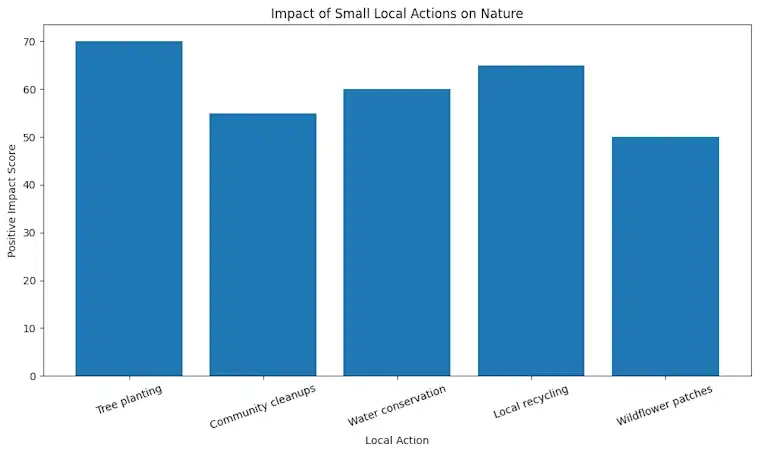
You don’t need to lead a major campaign to make an impact. Instead, you can start with manageable changes that fit naturally into your week. For example, planting a single tree or joining a weekend cleanup can restore habitats faster than many people realise. And as more communities adopt these habits, the effect grows stronger year after year.
These modest choices also inspire others. When someone sees you recycling more carefully or creating a small wildflower patch for bees, it opens the door for them to try it too. Over time, these tiny sparks create a wave of change.
To show how much these simple efforts add up, the chart below highlights the positive impact of common local actions. It’s a reminder that progress often begins at home—sometimes on your own street.
Wildlife Abundance Starts with Restoring Our Most Fragile Habitats
When we talk about wildlife abundance, we often imagine forests full of birds or wide-open wetlands alive with movement. Yet the real story usually begins in the places we overlook. These fragile pockets of land and water act as the engines of renewal. They are small, often damaged, and sometimes forgotten. Still, they hold the power to bring nature back to life.
As you think about the future, it helps to remember that abundance does not happen by accident. It grows when we care for the spaces that need help the most. And as climate pressure increases, restoring these habitats becomes even more urgent. The good news is that small steps build momentum. One restored marsh, meadow, or riverbank can spark a chain reaction that supports entire ecosystems.
Across the world, people are starting to rethink how conservation works. Instead of focusing only on large iconic landscapes, they are turning their attention to the hidden gaps that wildlife depends on. These fragile areas act as nurseries, feeding grounds, and migration stopovers. When they thrive, everything around them becomes stronger.
Here are a few ways these delicate places support wildlife abundance:
- Create safe breeding areas for species under stress.
- Help pollinators recover and reconnect with native plants.
- Improve water quality, which boosts life both upstream and downstream.
- Restore natural food chains that keep ecosystems balanced.
As we look ahead, restoring fragile habitats could be one of the most impactful climate actions we take. It improves biodiversity. Strengthens local communities. And it rebuilds natural resilience at a time when we need it most.
If we start now, we can create landscapes where wildlife abundance is not just a hope. It becomes a visible, growing reality—one restored habitat at a time.
The New Science Behind Rewilding and Rapid Recovery
Rewilding used to sound like a dream. Now, thanks to new science, it is becoming a fast, proven way to heal land, revive wildlife, and even strengthen local communities. What once took decades can now show real progress in just a few years. And that shift is giving people around the world a new sense of hope.
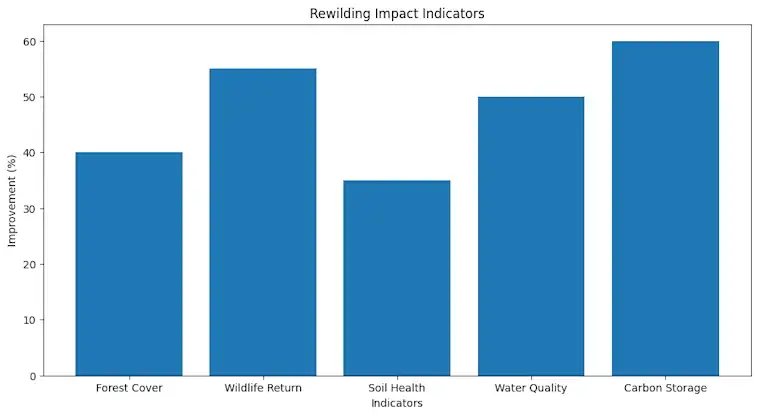
Today, researchers are using better data, smarter tools, and fresh ecological insights to understand how nature bounces back when we give it space. As a result, we’re seeing quicker recovery cycles. Forests regenerate sooner. Rivers clear up faster. Wild species return in surprising numbers. This matters because it shows that our efforts are not too late. In fact, they are working.
As you explore the science, you’ll notice a simple pattern. When we remove pressure and let natural systems rebuild themselves, they often recover faster than expected. And while every project is different, the early signs point to a future where damaged landscapes can rebound in ways that once felt impossible.
To help you visualize these gains, below is a chart. It highlights key areas where rewilding projects often show rapid improvement.
Simple Steps Communities Can Take to Protect Tomorrow’s Biodiversity
Biodiversity starts close to home. It lives in local parks, back gardens, rivers, and even road verges. When communities act together, small changes can add up to lasting impact. The good news is this. There’s no need for complex plans or big budgets to make a difference. You just need consistency, care, and shared purpose.
First, protect what already exists. Old trees, hedgerows, ponds, and green corners often support more life than newly planted spaces. Preserving these areas helps nature stay resilient. It also saves money and effort over time.
Next, create space for nature to return. Native plants are a powerful tool. They support insects, birds, and small mammals that rely on them to survive. Even modest planting projects can restore balance. This is especially true in towns and cities.
Communities can also rethink how land is managed. Less mowing allows wildflowers to grow. Fewer chemicals protect soil and water. Over time, these choices rebuild healthy ecosystems from the ground up.
Education matters too. When people understand why biodiversity matters, they are more likely to protect it. Local workshops, school projects, and shared gardens all help turn awareness into action.
Why Wildlife Abundance Matters for Local Resilience
Wildlife abundance is not just about numbers. It is about stability. Diverse ecosystems recover faster from floods, heatwaves, and droughts. They also support food systems and clean water. When communities focus on increasing wildlife abundance, they invest in long-term resilience for both nature and people.
Finally, collaboration makes efforts stronger. Local councils, residents, and small businesses can work together toward shared goals. This builds trust and keeps projects moving forward.
If your community is ready to go further, consider exploring models like community-led conservation zones. These initiatives bring residents, landowners, and local government together to take long-term stewardship seriously. A helpful resource to get started is the community toolkit from the International Union for Conservation of Nature.
Protecting tomorrow’s biodiversity does not require waiting for global action. It begins locally. Step by step. Together.
A Future Shaped by Wildlife Abundance
As we look ahead, it becomes clear that wildlife abundance is more than a scientific goal. It is a pathway to a healthier, more resilient world. When more species thrive, ecosystems grow stronger. And when ecosystems grow stronger, communities do too. This connection reminds us that even small choices can support big changes.
As you think about tomorrow, consider how each action you take can help create richer habitats and more vibrant landscapes. Whether you plant native flowers, support conservation groups, or simply stay informed, you are adding momentum to a future filled with life. And as more people join in, progress accelerates.
With continued effort and smarter strategies, we can shape a fantastic future where wildlife abundance is the norm rather than the exception. The story is still being written, and you have a role in how it unfolds.