

Why the Green Transition Matters for Our Future
How the Green Transition Is Reshaping Our Future—and What It Means for You
The green transition is changing how we power our homes, move around our cities, and protect the places we love. It’s not just a response to rising climate risks. It’s a chance to build a healthier, more stable future. As new technologies grow more affordable, the shift becomes less about sacrifice and more about opportunity.
Progress feels uneven at times, yet momentum is building. Clean energy keeps breaking records. Electric transport is becoming mainstream. Nature-based solutions are gaining support as people see the benefits in cleaner air and safer communities. Step by step, these choices strengthen economies, support jobs, and reduce long-term costs.
What matters most is that this transformation doesn’t leave anyone behind. When policies, innovation, and public support move together, everyday life improves—energy bills shrink, streets get quieter, and local industries grow stronger. The path forward is still unfolding, but each move toward sustainability helps secure a future that’s more resilient and full of potential.

How the Green Transition Shapes a More Resilient World
The world is changing fast, and many of us are trying to make sense of what comes next. The good news is that the green transition isn’t just about cleaner energy or lower emissions. It’s also about building a future that can handle shocks—whether they come from extreme weather, fragile supply chains, or rising living costs. This shift gives us a chance to rethink how our systems work, and how they can better support everyday life.
As we move toward cleaner power and smarter infrastructure, we gain stability. Renewable energy, for example, isn’t tied to volatile fuel markets. It offers more predictable costs, which helps families and businesses plan ahead. It also reduces dependence on long trade routes that can be disrupted overnight. These small changes add up and make communities more secure.
A Future Built to Hold Steady
Another strength of the green transition is flexibility. When cities invest in energy-efficient buildings, reliable public transport, and greener streets, they become more comfortable places to live. They also become safer during heatwaves, storms, or power failures. Even simple things—like trees that cool down streets—can make a real difference in how people cope during tough moments.
Of course, resilience isn’t only physical. It’s economic too. New industries in clean technology create jobs that can last. They also open doors for innovation, which strengthens local economies. As demand grows, new skills and careers follow. This momentum encourages long-term stability, even as the world continues to change.
If you want to explore how these shifts are unfolding on a wider scale, you might find the analysis from the International Energy Agency helpful.
The path ahead is still unfolding, but each step we take plants the seeds of a steadier world. And while the transition won’t be perfect, it’s already proving that resilience can grow when we choose solutions that work with the planet, rather than against it.
The Economic Upside of Cleaner, Smarter Energy Systems
Switching to cleaner energy doesn’t just help the planet. It also boosts the economy in ways that many people don’t expect. As technology improves and energy systems get smarter, we see new jobs appear, new industries grow, and new investment opportunities open up. It’s a shift that creates real value for communities and businesses.
Today, more companies are turning to renewable power because it’s cheaper and more stable over time. That means lower operating costs and more money to reinvest. At the same time, smarter grids reduce waste and help us use energy more efficiently. This leads to fewer outages, stronger local economies, and better long-term planning.
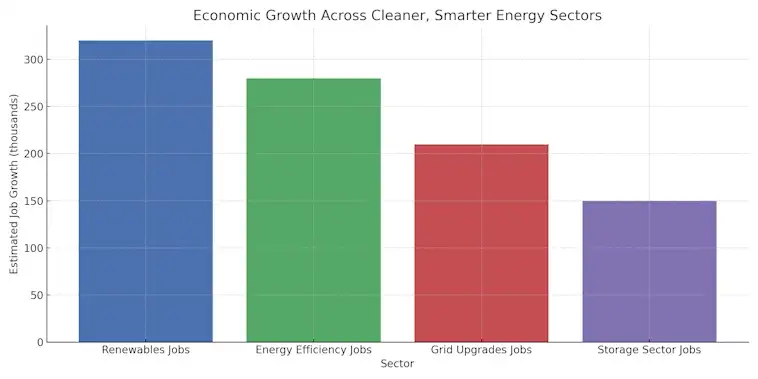
And as clean energy expands, so does the demand for workers. We need engineers, technicians, builders, researchers, and everyday support staff. These jobs are often local and long-lasting, which helps strengthen entire regions. When you look at the numbers, it becomes clear: cleaner energy isn’t just good for the environment. It’s a major economic engine for the future.
Why the Green Transition Drives Innovation and New Opportunities
The green transition is more than a shift in policy. It’s a turning point for how we live, work, and build the future. You can already feel the momentum. New ideas are popping up. New jobs are emerging. And new industries are growing faster than many expected.
As countries push to cut emissions, businesses are racing to stay ahead. This pressure often sparks fresh thinking. It opens doors for people who want to create solutions, launch startups, or shape the next wave of technology. And because the stakes are high, progress tends to move quickly.
You may notice that everyday products are changing too. Homes use less energy. Cars pollute less. Even the devices on your desk run cleaner than they did a few years ago. Each improvement creates a ripple effect that encourages even more innovation.
Here are a few ways the green transition is driving growth and opportunity:
- New markets are forming around clean energy and sustainable materials.
- Companies are investing in research to build smarter, cheaper, greener tech.
- Workers gain access to training and fresh career paths in renewable industries.
- Cities are reinventing transportation, heating, and construction methods.
- Investors are backing businesses that focus on long-term, low-carbon value.
The bottom line is simple. Change can feel daunting, but it often brings out our best ideas. The green transition is proving that cleaner choices can fuel more growth, more jobs, and far better possibilities for the future.
What Communities Gain When We Cut Pollution for Good
When we talk about pollution, it’s easy to focus on the problems. But it’s just as important to look at what we stand to gain when we clean up our air, water, and soil for good. And the truth is, the benefits show up in our daily lives faster than most people expect.
When pollution drops, you notice it in small ways at first. Streets feel fresher. Breathing gets easier. Your neighborhood becomes a place where people want to walk, play, and gather. Over time, these small shifts add up to big wins for everyone.
Communities see fewer illnesses. Local businesses save money and grow. Families spend less on health costs. And as the environment heals, trust and pride begin to rise, too. People feel more connected because they share a safer, cleaner place to live.
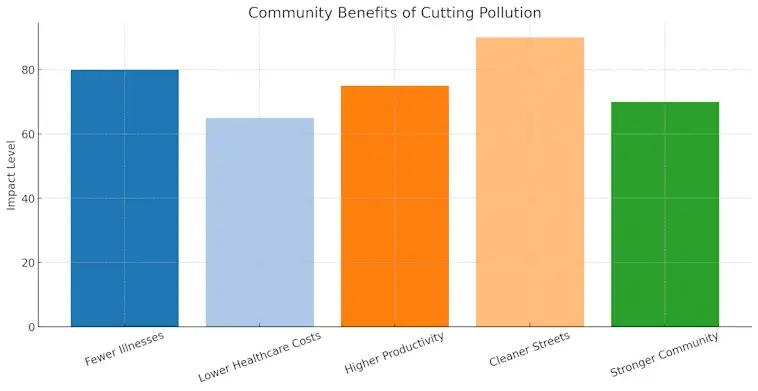
As we look ahead, the gains become even more exciting. Cities that commit to cleaner air often become hubs for new jobs, fresh ideas, and stronger local economies. In other words, cutting pollution isn’t only about fixing what’s broken. It’s about building a better future from the ground up.
How Today’s Climate Choices Define Tomorrow’s Quality of Life
Every day, the choices we make about energy, travel, food, and technology shape the world we’ll live in tomorrow. These decisions may feel small. Yet, they stack up fast. And as they do, they influence the air we breathe, the homes we build, and even the jobs we rely on. When we talk about the future, we’re really talking about the outcome of today’s habits.
As the planet warms, the stakes get higher. But there’s also good news. We’re living in a moment where smart decisions can still steer us toward healthier communities and stronger economies. And the transition doesn’t have to be overwhelming. It begins with simple steps, shared expectations, and a willingness to look ahead rather than react late.
The Green Transition Starts With Everyday Choices
You might think the green transition is a massive global project—and it is. But it also begins at ground level. It grows through the cars we choose, the energy we support, and the policies we vote for. These small shifts create momentum. They help cities redesign public spaces. They encourage industries to innovate. And they give future generations a better shot at a stable, livable climate.
Meanwhile, cleaner technology is getting cheaper. Renewable power is expanding. And new jobs are emerging in sectors that barely existed a decade ago. So the choices we make today don’t just protect the environment. They build opportunity.
As we look ahead, one thing is clear: today’s climate decisions aren’t only about the planet. They’re about the comfort, safety, and freedom we hope to enjoy tomorrow.
Why the Green Transition Matters More Than Ever
The path ahead may feel uncertain, but the green transition gives us a real chance to shape a better future. It’s not just about cutting emissions. It’s about building stronger communities, cleaner cities, and new opportunities for people and businesses. When we shift to greener choices today, we protect our health, save money over time, and open the door to innovation that benefits everyone.
As technology improves and costs continue to fall, the green transition becomes even more practical—and more urgent. Each step we take now makes the next one easier. And as more countries, companies, and communities move in this direction, the momentum grows.
So, if you’re wondering whether your choices matter, they do. And if you’re curious about what comes next, know that we’re already seeing the rewards unfold. By supporting the green transition, we’re not only responding to today’s challenges—we’re investing in a future that’s cleaner, safer, and full of possibility.