

Why Habitat Conservation Holds the Key to Our Future
Habitat Conservation: Why Protecting Nature’s Homes Matters More Than Ever
Nature isn’t just a backdrop to human life — it’s the foundation that keeps everything in balance. Yet, as cities grow and forests shrink, we’re losing more than just trees and wildlife. We’re weakening the natural systems that sustain us. Habitat conservation offers a way forward. It’s about protecting the places that keep our air clean, our water safe, and our climate stable. From rainforests to coral reefs, each ecosystem plays a role in keeping the planet healthy — and our future depends on keeping those connections alive.
The choices made today about land use, farming, and development will shape whether future generations inherit a thriving planet or a damaged one. Protecting habitats isn’t just about saving species; it’s about safeguarding the life-support systems that make human progress possible. As awareness grows, so does the potential to rethink how we build, produce, and live — in harmony with the natural world that sustains us all.
Habitat Conservation: Protecting the Foundation of Life on Earth
Have you ever wondered what keeps life on Earth thriving? It’s not just the air we breathe or the water we drink—it’s the habitats that make it all possible. Forests, wetlands, oceans, and grasslands are the foundation of every living thing. Yet many of these places are disappearing faster than we can restore them. That’s why habitat conservation matters more than ever.
When we talk about habitat conservation, we’re talking about protecting the spaces where animals, plants, and people all depend on one another. Every forest cleared or coral reef damaged sets off a chain reaction. Species lose their homes, food sources vanish, and natural systems break down. In short, when habitats crumble, so does the balance that keeps our planet healthy.
Why Small Actions Create Big Change
It’s easy to think that protecting the planet is someone else’s job—but that couldn’t be further from the truth. Simple choices, like planting native trees, cutting down on plastic waste, or supporting sustainable brands, help protect fragile ecosystems. Even small efforts can make a difference when enough of us get involved.
Communities around the world are proving that conservation isn’t just about saving wildlife—it’s about creating a stable future for everyone. Local projects restoring mangroves, rewilding grasslands, or protecting pollinators show what’s possible when people act together. These efforts don’t just protect nature; they also guard against climate change and support livelihoods.
The truth is, habitat conservation isn’t only about preserving beauty or biodiversity. It’s about protecting the very systems that sustain life—our food, our air, and our future. And that makes it something worth fighting for.
The Hidden Connection Between Healthy Ecosystems and Human Survival
We often talk about saving nature as if it’s something separate from us. But here’s the truth — when ecosystems thrive, so do we. From the air we breathe to the food we eat and the water we drink, our survival depends on the delicate balance of natural systems working quietly in the background.
Think about forests. They don’t just provide wood or beautiful hiking trails. They absorb carbon dioxide, clean the air, and regulate rainfall. Wetlands act like natural filters, removing pollutants before they reach rivers and oceans. Even small pollinators like bees and butterflies play a massive role by helping to grow the crops that fill our plates.
When these ecosystems start to fail — because of deforestation, pollution, or climate change — it’s not just wildlife that suffers. Human health, food security, and economies all take a hit. The connection is that close.
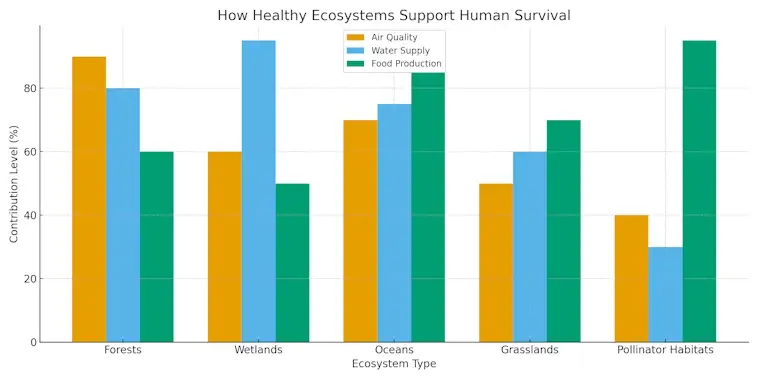
So, protecting nature isn’t only about conservation. It’s about self-preservation. Healthy ecosystems mean cleaner air, safer water, and more stable weather — all essential for human life. As we face growing environmental challenges, the smartest move we can make is to invest in the planet that keeps us alive.
Habitat Conservation and Climate Change: A Partnership for the Planet
When we talk about saving the planet, most people think about cutting carbon emissions or switching to renewable energy. But there’s another powerful ally in the fight against climate change—habitat conservation. Protecting the natural homes of plants and animals isn’t just about saving wildlife. It’s about keeping Earth’s life-support system in balance.
Healthy habitats—like forests, wetlands, grasslands, and oceans—play a huge role in storing carbon, cleaning our air, and regulating temperature. When we destroy these areas, we release stored carbon and disrupt natural cycles. But when we protect and restore them, we create a strong, living defense against climate change.
Here’s why habitat conservation matters more than ever:
- Forests absorb carbon dioxide, reducing greenhouse gases and slowing global warming.
- Wetlands act like sponges, trapping carbon and reducing flood risks.
- Oceans and coastal habitats like mangroves and seagrass beds store massive amounts of “blue carbon.”
- Grasslands support biodiversity, which strengthens ecosystems against climate shocks.
- Restoration projects create local jobs, proving that conservation and community growth can go hand in hand.
The good news? Everyone can take part. Supporting reforestation programs, choosing sustainably sourced products, and advocating for protected areas all make a real difference. Every tree planted, every wetland restored, and every acre protected helps tip the balance back toward a stable climate.
In short, habitat conservation isn’t just about protecting nature—it’s about protecting our future. By working with the planet instead of against it, we can create a more resilient, thriving world for generations to come.
How Local Communities Can Drive Global Environmental Change
It’s easy to think that global change starts with governments or big corporations. But in reality, it often begins much closer to home — in local communities like yours and mine. Small actions, multiplied across neighborhoods and cities, can create a ripple effect that reaches the world.
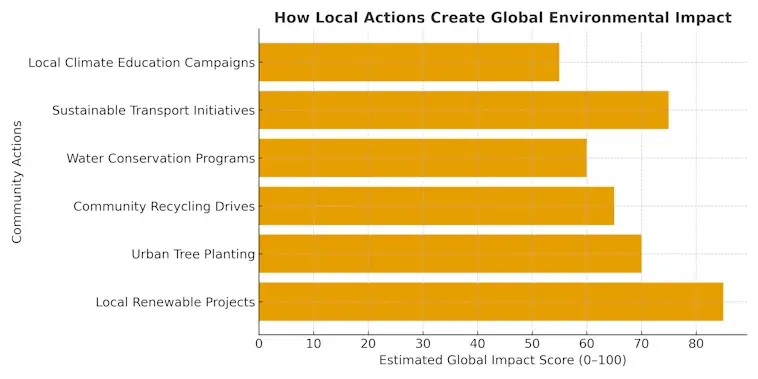
When people come together around shared environmental goals, the results can be powerful. Local renewable energy projects, community recycling drives, and urban tree-planting campaigns don’t just improve the immediate area — they also inspire others, setting off wider change.
For example, a single community solar project can reduce carbon emissions, lower local energy bills, and spark interest in clean energy across a region. Similarly, tree-planting not only improves air quality but also helps cool cities, tackle urban heat, and boost biodiversity.
The key is connection. When communities share their successes, they motivate others to act. Change becomes contagious. Step by step, neighborhood by neighborhood, local action scales into global impact.
So, the next time you hear about climate change, remember — meaningful change doesn’t just come from the top. It starts with people like you, right where you live.
Building a Sustainable Future Starts With the Places We Protect Today
If we want a greener, more livable world tomorrow, the work starts now—with the places we choose to protect. Every forest, wetland, and stretch of coastline we save today becomes a foundation for future generations. It’s easy to think sustainability is about technology or innovation, but really, it begins with nature itself. The landscapes we preserve are not just scenic views; they’re life-support systems.
Clean air, fresh water, fertile soil—these aren’t luxuries. They’re the basics that sustain us. Yet, as cities grow and industries expand, natural habitats are being squeezed out. Protecting these spaces isn’t just an environmental issue; it’s a human one. The choices we make about land use, conservation, and restoration will define the health of our planet for decades.
Why Habitat Conservation Is the Heart of Sustainability
Habitat conservation may sound technical, but it’s simply about giving nature the space and stability it needs to thrive. When we protect habitats, we protect entire ecosystems—from the tiniest insects to the trees that anchor the soil. Every species plays a role in maintaining balance, and when one part disappears, the whole system weakens.
Take wetlands, for example. They store carbon, filter water, and reduce flooding. Forests act as the planet’s lungs, while coral reefs shelter marine life and protect coastal communities. These natural networks are quietly working for us every day, and they deserve our protection in return.
Building a sustainable future means weaving conservation into our decisions—whether that’s how we build homes, grow food, or design cities. Small actions, multiplied across communities, can lead to massive change. The key is to start where we are and protect what we already have.
Because the truth is simple: the future we dream of depends on the habitats we defend today.
Protecting Nature Is Protecting Ourselves
In the end, habitat conservation isn’t just about saving plants or animals—it’s about securing our own future. Every forest, wetland, and coral reef plays a vital role in stabilizing our climate, purifying our water, and preserving the balance that life depends on. When we protect nature, we’re investing in the health, resilience, and prosperity of generations to come.
But change doesn’t happen on its own. It starts with awareness—and action. Support local conservation projects, reduce your ecological footprint, and use your voice to advocate for stronger environmental protection.
Let’s make the future a place where both people and the planet can thrive. Start today—because every small step toward habitat conservation is a giant leap for life on Earth.