

Why Global Temperatures Keep Rising Each Year
Each Year Is Hotter Than the Last — Here’s Why Global Temperatures Keep Soaring
Each year, global temperatures keep breaking records, and the trend shows no sign of slowing down. Summers feel hotter, winters are shorter, and extreme weather is becoming the new normal. Scientists warn that this steady climb isn’t just a natural cycle—it’s being fueled by human activity. From the burning of fossil fuels to deforestation, the planet’s balance is shifting fast.
Understanding why global temperatures continue to rise helps explain the heatwaves, floods, and droughts that dominate headlines. It’s about more than weather—it’s about the systems that sustain life on Earth. As greenhouse gases trap more heat, oceans warm, ice melts, and climate patterns become unpredictable. What’s happening now is reshaping the world we live in and setting the stage for the decades ahead.
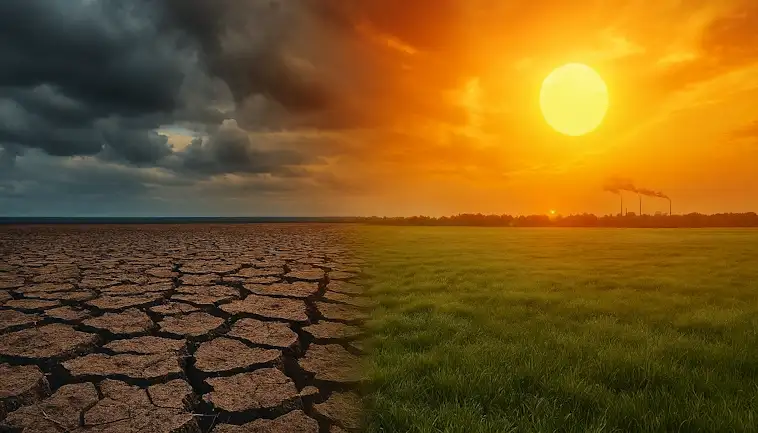
How Global Temperatures Became the World’s New Normal
It’s no secret that the world feels warmer than it used to. Summer heatwaves stretch longer, winters feel shorter, and the phrase “record-breaking temperatures” pops up almost every year. But here’s the surprising part — what once seemed extreme is now becoming the new normal.
Scientists say the planet has warmed by more than 1°C since pre-industrial times, and while that might sound small, the impact is huge. Melting ice caps, rising sea levels, and shifting weather patterns are all tied to this steady climb in global temperatures. You can see it in everyday life too — from the cost of food affected by droughts to more frequent wildfires disrupting entire communities.
Why This Shift Matters Now
This change isn’t just about warmer days. It’s about the systems that keep our world balanced. Oceans are absorbing more heat, which means stronger storms. Forests, once reliable carbon sinks, are drying out and burning faster. Cities are also struggling, with more “urban heat islands” trapping warmth and putting stress on vulnerable people.
Still, there’s hope. Renewable energy, smarter city design, and collective action are helping slow the pace. But the truth is, we’re living through a transformation that affects every part of life — and it’s happening faster than most of us imagined.
If you want to see how climate trends have evolved over time, check out NASA’s Global Climate Change data hub. It’s a powerful reminder that understanding the numbers is the first step toward changing the story.
In short, global temperatures aren’t just rising — they’re rewriting what “normal” means for the planet we call home.
The Hidden Forces Driving Our Planet’s Heat Surge
It’s easy to blame “climate change” as if it’s some faraway force of nature. But the real drivers are closer to home—our cars, our factories, our forests, and even what’s on our dinner plates. Every part of modern life feeds into the growing heat trapping our planet.
Let’s break it down. Burning fossil fuels still tops the list, pumping out carbon dioxide faster than nature can absorb it. Then there’s deforestation, which strips away the trees that act as our natural air filters. Industries and agriculture add another layer, releasing methane and nitrous oxide—two greenhouse gases far more potent than CO₂.
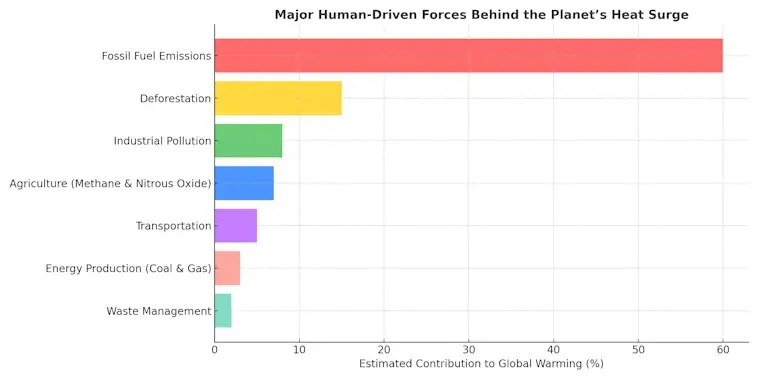
Each of these forces adds up, creating the surge in global heat we’re seeing today. Understanding them is the first step toward cooling things down.
Why Global Temperatures Are Climbing Faster Than Expected
If you’ve been feeling like every summer is getting hotter than the last, you’re not imagining it. Global temperatures are rising faster than scientists once predicted, and it’s reshaping our planet in ways that are hard to ignore. The reasons behind this rapid increase are complex, but they’re also becoming clearer as research deepens.
One of the main drivers is the sheer volume of greenhouse gases we’re releasing into the atmosphere. Carbon dioxide, methane, and nitrous oxide trap heat that would otherwise escape into space. This has led to what scientists call a “warming feedback loop,” where rising temperatures trigger even more warming. But there’s more going on than just emissions.
Here are a few key reasons global temperatures are climbing so quickly:
- The loss of ice and snow means less sunlight is reflected back into space, causing the Earth to absorb more heat.
- Deforestation is removing natural carbon sinks that help balance the atmosphere.
- Warmer oceans are releasing stored carbon, amplifying the effect.
- Short-term weather patterns like El Niño are adding extra heat to an already warming system.
- Industrial growth in developing regions is increasing emissions at a record pace.
These factors don’t act alone — they compound. That’s why the rate of warming is accelerating. What’s especially concerning is how these changes are disrupting global weather systems, leading to more extreme events like floods, wildfires, and prolonged droughts.
The good news? We’re not powerless. Cleaner energy, smarter urban planning, and sustainable food systems can slow the trend. But we need to act quickly and collectively. If you’d like a deeper dive into the data behind this, take a look at NASA World of Change: Global Temperatures
The faster we understand what’s happening to global temperatures, the better equipped we’ll be to protect the places — and people — we love.
The Human Fingerprint: How Everyday Choices Warm the Earth
It’s easy to think of climate change as something caused by big industries or distant policies. But the truth is, our daily routines also leave a mark on the planet. Every click of a light switch, every car trip, and every purchase we make sends a small ripple through Earth’s climate system. Add those ripples together across billions of people, and the impact becomes powerful.
Think about how we get around, what we eat, and even how we shop. Driving short distances instead of walking or cycling adds carbon to the air. Eating more meat increases methane emissions. And the fast fashion we buy and toss away contributes to waste and pollution. These choices may seem small, but they add up.
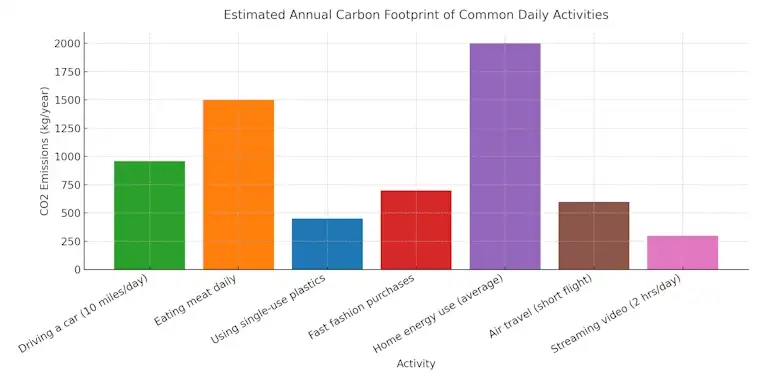
The good news? We can reverse the trend—one decision at a time. Choosing renewable energy, cutting down on food waste, and rethinking transportation all help cool things down. Our collective choices are a kind of global thermostat. When we act with intention, we turn the heat down.
What Rising Heat Means for Our Future — and How We Can Adapt
Let’s be honest — we can all feel the world getting hotter. Summers seem to stretch longer, heatwaves hit harder, and even nights don’t cool down the way they used to. This isn’t just a feeling. It’s science. Rising global temperatures are reshaping everything from how we live and work to what we eat and where we can grow it.
The heat we’re experiencing now is only the beginning. According to the World Meteorological Organization, the last decade was the warmest on record — and 2025 is already showing signs of breaking more records. If we continue on this path, the changes we’re seeing today could soon become the new normal.
The Truth About Global Temperatures and Our Everyday Lives
When global temperatures rise, it doesn’t just mean hotter days. It affects water supplies, food systems, and even our health. Farmers face unpredictable growing seasons. Cities experience more “heat island” effects, where concrete and asphalt trap warmth overnight. And for vulnerable populations — children, older adults, and outdoor workers — extreme heat can become life-threatening.
But here’s the good news: we can adapt. From simple steps like planting more trees and painting roofs white to community-wide strategies like improving public cooling centers and modernizing infrastructure — adaptation is possible. The sooner we act, the more we can soften the blow of future heat extremes.
Climate action isn’t just for governments or scientists. It’s something we can all take part in, from supporting renewable energy projects to choosing sustainable products in our daily lives.
The Time to Act Is Now — Because Our Future Depends on It
It’s clear that the rise in global temperatures isn’t random or distant — it’s the direct result of human choices and policies made over decades. Each year we delay meaningful action, the planet edges closer to dangerous tipping points that could reshape life as we know it. But here’s the good news: we still have time to change the story.
Every action — from choosing clean energy and reducing waste to supporting climate-smart policies — adds up. Small steps become powerful movements when millions of people move in the same direction.
So don’t wait for someone else to lead. Share what you’ve learned, make one change today, and be part of the global push to cool our planet. The fight against rising temperatures begins with awareness — and it continues with action.