

Why Gale Force Winds Are Becoming More Common Worldwide
The Rising Fury: What’s Driving the Surge in Gale Force Winds Around the World
Gale force winds are no longer rare events. Around the world, stronger and more frequent gusts are reshaping coastlines, damaging infrastructure, and disrupting everyday life. Scientists are warning that these powerful winds are not just a seasonal issue—they’re part of a growing global trend linked to a warming planet.
Over the past few decades, shifting ocean temperatures and unstable air currents have created the perfect conditions for intense wind events. From Europe’s fierce winter storms to the Pacific’s turbulent typhoons, data shows a clear rise in both strength and frequency. These changes are forcing communities to rethink how they build, travel, and even grow food.
Gale Force Winds: What They Really Mean and Why They’re Getting Stronger
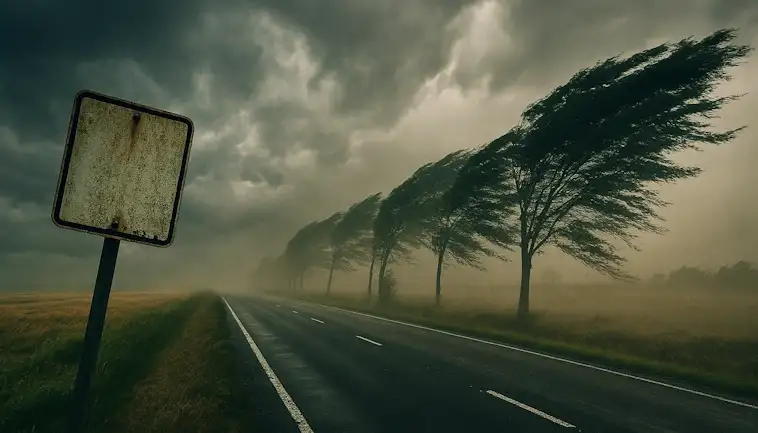
When weather reports mention gale force winds, it can sound dramatic—but what does it actually mean? In simple terms, a “gale” refers to wind speeds between 39 and 54 miles per hour. That’s strong enough to break tree branches, make walking difficult, and even cause minor structural damage. But lately, gales seem to be happening more often—and they’re getting stronger.
So, what’s going on?
The main culprit is our warming climate. As ocean and air temperatures rise, they create more energy in the atmosphere. This extra energy fuels stronger wind systems, especially during storms. In short, climate change is turning what used to be “blustery days” into potentially dangerous weather events.
How Gale Force Winds Affect You
You might notice more frequent wind warnings, rougher seas, or trees bending in your neighborhood. Gale force winds can also cause power outages and travel disruptions, especially in coastal areas. If you live near the ocean or in open countryside, it’s smart to secure loose items outdoors and check weather alerts regularly.
Scientists are also seeing links between stronger gales and shifting jet streams. These powerful air currents guide weather systems, and as they become unstable, storms can grow more intense. The result? More unpredictable and damaging wind patterns worldwide.
If you’re curious about the science behind this trend, the National Weather Service has detailed explanations on how gale force winds are measured and categorized.
The takeaway: gale force winds aren’t just a passing inconvenience—they’re a growing signal of our changing climate. Staying informed and prepared can make all the difference when the next big gust rolls in.
How Climate Change Is Shaping the Future of Global Wind Patterns
Have you noticed how the wind feels different lately? It’s not just your imagination. Around the world, wind patterns are shifting in ways that are already reshaping weather, energy, and ecosystems. Scientists say climate change is one of the main forces behind these changes, and it’s only just beginning.
As our planet warms, temperature differences between the equator and the poles are changing. These contrasts drive the jet streams and surface winds that shape our weather. When those contrasts weaken or move, the winds follow. That means stronger gusts in some places and calmer skies in others.
For example, regions like the Arctic and parts of Asia are seeing rising wind speeds. Meanwhile, places in Africa and Antarctica are expected to experience slower winds. These shifts might sound small, but they can have big ripple effects — from how much renewable energy wind farms can generate to how storms and droughts form.
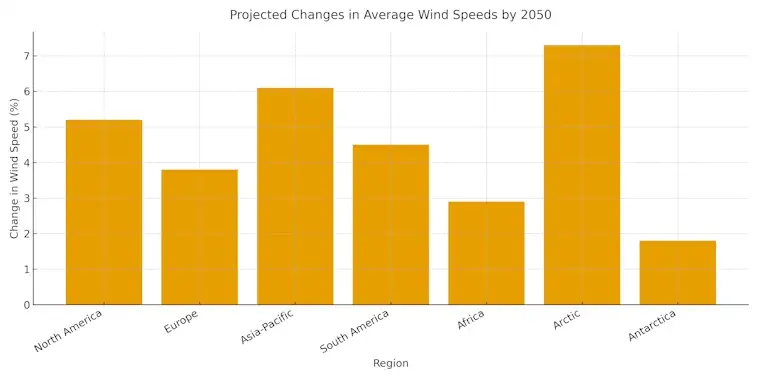
The future of global wind isn’t just about the weather. It’s about where we build, how we farm, and even what kind of power we rely on. Understanding these patterns today helps us adapt smarter tomorrow.
The Rising Frequency of Gale Force Storms Around the World
Have you noticed how gale force winds seem to be making the headlines more often these days? It’s not your imagination. Around the world, storms are getting stronger, faster, and harder to predict. From coastal cities to inland towns, people are feeling the impact of what used to be “once in a decade” weather events — now happening every few years.
So, what’s really driving this rise in gale force storms? And what does it mean for our daily lives? Let’s break it down.
Why Gale Force Storms Are Becoming More Common
Climate experts say the increase in gale force winds is closely tied to warmer oceans and shifting weather patterns. As global temperatures rise, the atmosphere holds more energy and moisture — the perfect fuel for intense storms.
Here’s what’s contributing to the surge:
- Warmer seas boost the strength of storm systems.
- Changing jet streams push storms into regions that rarely saw them before.
- Urban expansion creates heat islands that can intensify wind effects.
- Deforestation reduces natural wind barriers, allowing storms to travel further inland.
- Rising sea levels mean stronger surges when storms hit coastal areas.
Why It Matters
These powerful winds can tear off roofs, topple trees, and knock out power grids. But beyond the visible damage, gale force events are reshaping how we live and build. Cities are being forced to rethink their infrastructure, and emergency services are under more pressure than ever.
Looking Ahead
The future depends on how we respond now. Smarter city planning, stronger building standards, and cleaner energy can help reduce the risks. But awareness is just as important — understanding how these storms form is the first step toward staying safe.
For a deeper look at the science behind changing wind patterns, check out the World Meteorological Organization’s climate report.
Communities on the Edge: How Stronger Winds Are Affecting Daily Life
Have you noticed the wind feeling stronger lately? You’re not imagining it. Across the world, communities are facing more intense and unpredictable winds. What used to be a gentle breeze now feels like a force that can reshape daily routines and even local economies.
In coastal towns, people are seeing rooftops ripped off and trees uprooted more often. Farmers are struggling as sudden gusts damage crops and dry out soil faster. Even in cities, stronger winds make commuting more difficult, delay flights, and increase energy costs. These changes are small on their own, but together they’re reshaping how people live, work, and plan for the future.
As wind speeds rise, local governments are rethinking building codes, while families are learning to adapt—installing sturdier fences, securing garden furniture, and even reconsidering where to live. What was once a background element of nature is becoming a daily concern.
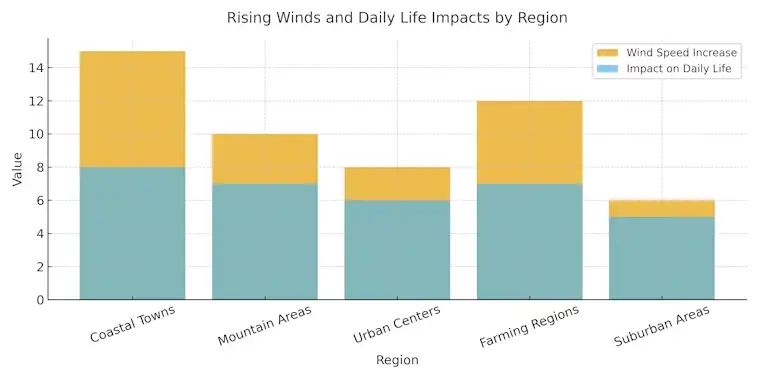
It’s a reminder that climate change doesn’t always arrive with a flood or fire. Sometimes, it’s in the wind you feel every day.
Can We Adapt? Preparing for a Windier, More Unpredictable Planet
Let’s be honest — the wind isn’t what it used to be. Storms are hitting harder, gusts are growing stronger, and weather patterns are becoming trickier to predict. Around the world, scientists are warning that as our climate shifts, the winds will too. And that means we’ll need to rethink how we live, build, and protect our communities.
The big question is — can we really adapt to a windier, more unpredictable planet? The short answer is yes, but it’s going to take creativity, cooperation, and a few bold changes.
We’ll need sturdier homes and smarter energy systems. City planners may have to design neighborhoods that can withstand powerful gusts while also harnessing wind as a clean energy source. Farmers will have to adjust crop types and planting schedules. Even our power grids — often vulnerable to extreme weather — will need to become more flexible and resilient.
But adaptation doesn’t mean fear; it means innovation. We’ve already seen progress in wind-resistant architecture and the growing use of wind energy, which now powers millions of homes. According to the International Energy Agency, wind power is one of the fastest-growing renewable sources on Earth — a clear sign we’re learning to work with the wind instead of fighting against it.
Facing the Future at Gale Force
“Gale Force” used to sound like something out of a weather report. Now, it’s becoming a reality many of us experience firsthand. But maybe it’s also a call to action — a reminder that we’re capable of evolving. From coastal towns to inland farms, people are finding ways to turn challenge into opportunity.
Adapting to a windier world won’t happen overnight. But if we start preparing now — strengthening buildings, modernizing infrastructure, and embracing renewable power — we’ll be ready to face those gusts head-on. The winds of change are already here. The real question is, how will we use them?
Facing the Winds of Change: What We Can Do About Stronger Storms
Gale force winds are no longer rare events — they’re fast becoming a global reality. As our planet warms, weather systems grow more energetic, and the once-occasional fierce gust is now a frequent headline. From coastal cities to inland communities, no region is completely shielded from the rising power of these winds.
But here’s the hopeful part: we’re not powerless. By supporting clean energy, improving urban planning, and demanding stronger climate action, we can help slow the forces driving these extreme weather shifts. Every small choice — from how we travel to the policies we back — adds up to a more stable, resilient world.