

Why Environmental Preservation Is No Longer Optional
Environmental Preservation Is No Longer Optional
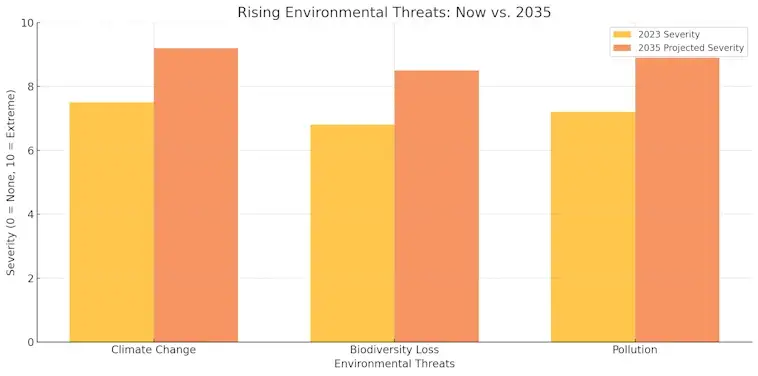
Protecting the natural world isn’t just about saving forests or oceans—it’s about making sure the planet remains a livable place for everyone. From the air we breathe to the food we eat, our survival depends on ecosystems staying in balance. But right now, that balance is under threat. Climate change, pollution, deforestation, and biodiversity loss are pushing the environment to a tipping point.
Still, there’s reason to be hopeful. Around the world, people are coming up with smart, practical solutions. New technologies are cutting emissions, communities are protecting local habitats, and individuals are making everyday choices that add up.
The path forward calls for action, creativity, and commitment. The stakes are high, but the opportunity to make a difference is real—and urgent. Are you ready to be part of the solution?
Why Protecting the Environment Isn’t Optional
We all want a future where our kids can breathe clean air, drink safe water, and live on a planet that’s not falling apart. But that future is slipping away—faster than many of us realize.
Climate change is accelerating. Species are vanishing. Pollution is creeping into every corner of our lives—from the food we eat to the air we breathe. This isn’t just about melting glaciers or faraway rainforests anymore. It’s about us, our families, and the way we live now.
Let’s break down why environmental preservation isn’t just a good idea—it’s an urgent necessity.
The Climate Crisis Is Escalating
- Rising temperatures are setting off chain reactions. More heat means more droughts, wildfires, floods, and violent storms. These aren’t occasional disasters anymore—they’re becoming regular events.
- Weather patterns are breaking down. Crops that once grew reliably in certain regions are now at risk. Farmers can’t count on predictable seasons. That affects what ends up on our plates.
- Example: In parts of Africa and Asia, rice and wheat harvests have dropped due to heatwaves and water shortages. This drives up food prices globally—even for families thousands of miles away.
We’re Losing Biodiversity at an Alarming Rate
- One million species are at risk of extinction, many within decades, according to the UN. When plants and animals disappear, it’s not just sad—it’s dangerous.
- Nature is interconnected. Bees pollinate crops. Wetlands filter water. Forests absorb carbon. Remove one part of the system, and the whole thing starts to fall apart.
- Example: The decline in bee populations is already affecting crop yields. Fewer bees mean less pollination, which means less food.
Pollution Is in Our Water, Air, and Even Bloodstreams
- Plastic pollution is everywhere. Microplastics have been found in fish, salt, drinking water, and even in human blood. We’re literally consuming waste.
- Air pollution shortens lives. It increases the risk of heart disease, stroke, and respiratory illness—even in young people.
- Chemical runoff pollutes drinking water. Pesticides and industrial waste seep into rivers and lakes, especially in areas with weak regulations.
- Example: In Flint, Michigan, lead-contaminated water became a public health crisis. But it’s not just Flint. Similar risks exist in thousands of towns across the U.S. and beyond.
How It Affects You: Food, Water, and Health
- Food insecurity is growing. Climate disruptions make it harder to grow food reliably. And when supply falls, prices rise.
- Clean water is becoming scarcer. Over 2 billion people already lack access to safe drinking water. Droughts and pollution are making it worse.
- Your health is at stake. From increased asthma to the rise of diseases like dengue and Lyme—many health issues today are linked to environmental breakdown.
So What Can We Do?
- We can speak up. Demand action from leaders. Support clean energy. Push for stricter pollution controls.
- We can make choices. Buy less plastic. Eat more sustainably. Reduce energy use.
- We can stay informed. Awareness is power. The more people who understand what’s at stake, the harder it becomes to ignore.
This isn’t a distant problem anymore. It’s happening now, right where we live. But here’s the good news: the future isn’t written yet.
If we act—today, together—we can still build a healthier, more stable world. Not just for ourselves, but for the generations who come next.
The Little Things That Make a Big Difference
Let’s be honest: the environmental challenges we face can feel huge—climate change, pollution, extinction. It’s easy to wonder, “Can one person really make a difference?”
The answer is yes. And not in a vague, feel-good way. Small choices—when made by millions—create real impact. You don’t need to be perfect. You just need to be active.
Here are practical, empowering ways to reduce your footprint and help protect the environment, one habit at a time.
Reduce Single-Use Plastics
Plastic never truly goes away. It just breaks into smaller pieces that pollute oceans, harm wildlife, and end up in our bodies.
What you can do:
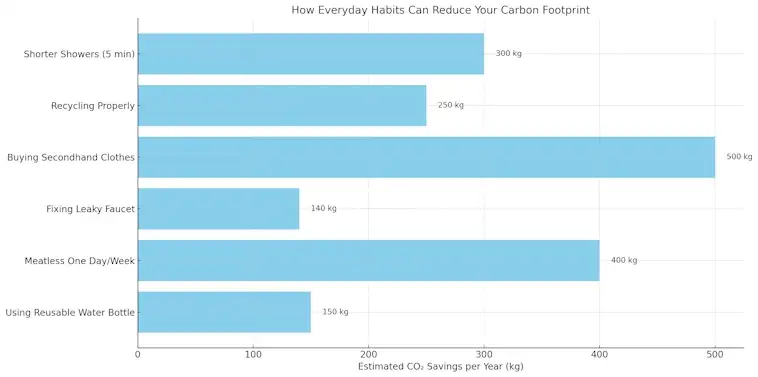
- Carry a reusable water bottle and coffee cup.
- Use cloth grocery bags and say no to plastic straws and cutlery.
- Buy products with minimal or no plastic packaging.
Why it matters:
Avoiding just one plastic bottle a day saves over 300 a year. Multiply that by millions of people, and it adds up fast.
Conserve Water
Clean water is more precious than most people realize. Droughts are becoming more common, and water systems are under stress globally.
What you can do:
- Turn off the tap while brushing your teeth.
- Fix leaky faucets—one drip can waste gallons a day.
- Use a broom instead of a hose to clean driveways or sidewalks.
- Choose water-efficient appliances.
Why it matters:
Saving water also reduces the energy used to pump, heat, and treat it—so it’s a double win for the planet.
Recycle Smarter
Recycling only works when it’s done right. Contaminated recycling often ends up in landfills.
What you can do:
- Rinse containers before recycling.
- Learn what your local program accepts (not all plastics are recyclable everywhere).
- Avoid “wish-cycling”—tossing items in the bin and hoping for the best.
Why it matters:
Correct recycling reduces landfill waste, conserves natural resources, and keeps the system working effectively.
Choose Sustainable Products
Every purchase is a vote for the kind of world you want. Ethical and eco-friendly options are growing all the time.
What you can do:
- Buy less and buy better—focus on quality over quantity.
- Look for certifications like Fair Trade, organic, or B Corp.
- Support local businesses and secondhand shops.
Why it matters:
Sustainable products often have a smaller carbon footprint and support better labor and environmental practices.
Eat More Plant-Based Meals
The global food system is a major contributor to greenhouse gases. Meat and dairy, especially from industrial farms, have high environmental costs.
What you can do:
- Try “Meatless Mondays” or go vegetarian one day a week.
- Eat more local and seasonal produce.
- Reduce food waste by planning meals and using leftovers.
Why it matters:
Shifting just some of your meals can lower your personal carbon footprint in a big way.
Spread the Word
Talking about environmental issues can feel awkward. But change spreads when people hear that others care.
What you can do:
- Share what you’re doing with friends or on social media.
- Encourage local schools or workplaces to adopt greener practices.
- Join community cleanups or volunteer for environmental causes.
Why it matters:
Individual action creates a ripple effect. You could inspire someone else to start making changes too.
You don’t have to live off-grid or make every change at once. Start with one small action. Then add another. And another.
The truth is, most of us want to do better—we just need a little nudge. That’s how real change begins.
Every habit matters. Every choice counts. And yes, you can make a difference.
Technology: Friend or Foe of the Planet?
Technology shapes our lives more than ever. From electric cars to artificial intelligence, innovation is changing how we live, work, and interact with the planet.
But here’s the catch: technology is not inherently good or bad for the environment. It all depends on how we use it.
Some breakthroughs are helping us tackle climate change and protect nature. Others are creating new problems—like rising energy demand and electronic waste. If we’re not thoughtful, the tools meant to save the planet could end up harming it instead.
Here’s a closer look at how technology is playing both sides of the environmental equation—and what we can do to tip the balance.
Technologies That Help the Planet
Electric Vehicles (EVs)
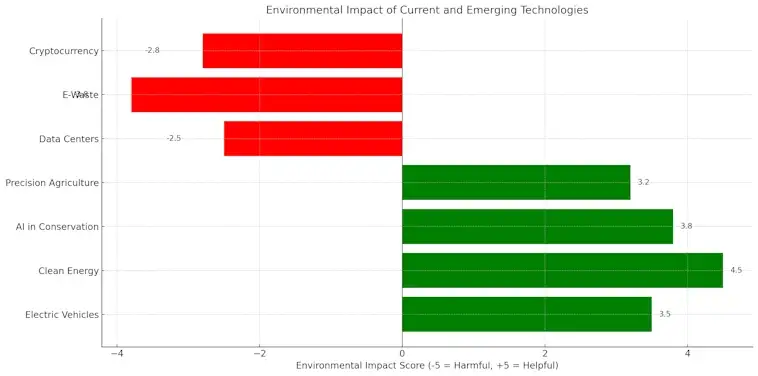
- What’s good: EVs produce zero tailpipe emissions and can dramatically reduce air pollution in cities.
- What’s better: As the electric grid gets cleaner, EVs become even greener.
- The challenge: Battery production still requires rare minerals and lots of energy.
Future outlook: With better battery recycling and renewable-powered grids, EVs could replace most fossil-fuel cars within the next two decades.
Clean Energy (Solar, Wind, Hydro)
- What’s good: These sources produce power without releasing carbon emissions.
- What’s better: They’re getting cheaper and more efficient every year.
- The challenge: Solar panels and wind turbines also need land, materials, and end-of-life disposal planning.
Future outlook: Renewable energy is expected to dominate global electricity production by 2050, dramatically cutting emissions.
AI and Data for Conservation
- What’s good: AI can track wildlife, monitor forests, and detect illegal deforestation or poaching in real time.
- What’s better: Satellites and machine learning help spot early signs of climate stress—before disasters hit.
- The challenge: These tools need reliable power and data infrastructure, which isn’t always eco-friendly.
Future outlook: When used responsibly, AI could become one of the most powerful tools in environmental protection.
Precision Agriculture
- What’s good: Farmers use data to apply water, fertilizer, and pesticides only where needed, reducing waste.
- What’s better: Drones and sensors can help grow more food with fewer resources.
- The challenge: High-tech systems can widen the gap between large and small farms.
Future outlook: Smarter farming could feed more people with less land and water—if the tools are accessible to all.
Technologies That Harm the Planet (If Left Unchecked)
Data Centers and the Digital Footprint
- The problem: Data centers use huge amounts of electricity and water to cool servers. Streaming video, cloud computing, and AI models all add up.
- Example: A single Google search uses only a tiny bit of energy—but billions of searches add up fast.
- The fix: Using renewable energy and designing energy-efficient hardware.
Future outlook: The internet can be green, but only with strong policies and smart engineering.
E-Waste
- The problem: Old phones, laptops, and batteries pile up in landfills or get dumped in poorer countries.
- Toxic risk: Many devices contain lead, mercury, and other harmful substances.
- The fix: Better recycling systems, modular electronics, and extended warranties.
Future outlook: Circular tech—where products are repaired and reused—could reduce the 50 million tons of e-waste we produce each year.
Crypto and Blockchain Tech
- The problem: Some cryptocurrencies (like Bitcoin) rely on “proof-of-work” systems that burn through massive amounts of energy.
- Change is coming: Newer blockchains use greener methods like “proof-of-stake.”
Future outlook: Blockchain has real potential in energy trading and conservation—but only if it’s built sustainably.
The Bottom Line: Smart Innovation, Smart Choices
- Tech isn’t destiny. It’s a tool. What matters is how we design, power, and manage it.
- We need policies and ethics. Just because something is “new” doesn’t mean it’s better for the planet.
- We can demand better. From choosing greener gadgets to supporting companies that recycle and innovate responsibly.
Technology can either speed up the environmental crisis—or help stop it. It’s up to us to decide which.
The future will be shaped not just by what we invent, but by why and how we use it. If we aim those innovations in the right direction, they could help us build a cleaner, more sustainable world—faster than we think.
Nature’s Silent Helpers: How Ecosystems Keep Us Alive
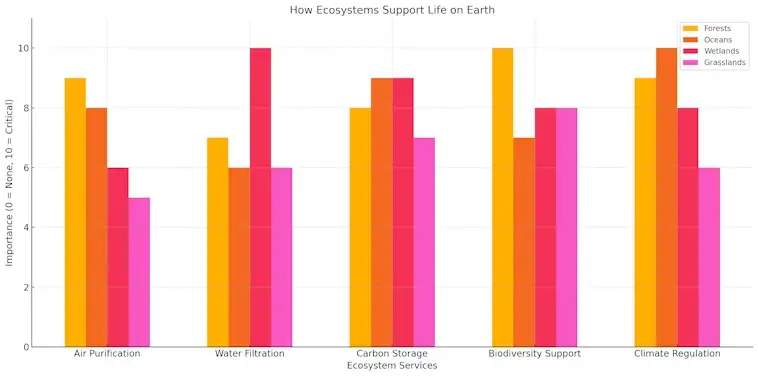
Imagine walking through a quiet forest. Or standing by the sea, breathing in salt air. Or watching birds gather at a shimmering wetland. These places aren’t just beautiful—they’re essential to life on Earth.
Nature works quietly behind the scenes to support us every day. It purifies our water. It cleans our air. It helps regulate the climate. And it gives us food, medicine, and peace of mind.
But these ecosystems—forests, oceans, wetlands, grasslands—are under pressure like never before. When we lose them, we lose more than trees and animals. We lose vital life support systems.
Here’s why protecting natural spaces isn’t just about saving wildlife—it’s about saving ourselves.
Forests: The Planet’s Lungs
- What they do: Forests absorb carbon dioxide and release oxygen. They help slow climate change by storing massive amounts of carbon.
- They also: Filter water, prevent floods, and stabilize soil to reduce erosion.
- Home to life: Forests are home to over 80% of the world’s terrestrial species.
Why it matters to people:
Forests provide timber, fruits, and even ingredients for medicine. And spending time in forests has been shown to lower stress and improve mental health.
Oceans: The Climate’s Regulator
- What they do: Oceans absorb about 90% of the heat from global warming and about 25% of the carbon dioxide we emit.
- They also: Produce more than half the oxygen we breathe—thanks to tiny plankton.
- Food source: Billions of people rely on seafood for protein and income.
Why it matters to people:
Healthy oceans support weather systems, supply food, and even power economies through fishing and tourism. Coral reefs alone protect coastlines from storms and erosion.
Wetlands: Nature’s Water Filters
- What they do: Wetlands act like sponges—absorbing rain, filtering pollutants, and refilling groundwater.
- They also: Provide critical habitat for birds, amphibians, and fish.
- Climate role: Wetlands store carbon more efficiently than forests.
Why it matters to people:
Wetlands reduce the risk of floods, purify drinking water, and support agriculture. They’re some of the most productive ecosystems on Earth—but also some of the most threatened.
Grasslands and Prairies: Hidden Heroes
- What they do: These open landscapes store carbon in deep soil layers and support grazing animals.
- They also: Prevent desertification and support biodiversity, especially pollinators like bees and butterflies.
Why it matters to people:
Grasslands support food systems, livestock, and native plants. When protected, they help maintain healthy soil and resilient agriculture.
Nature Is Also Human Habitat
Natural places offer more than ecological services—they offer emotional and cultural value. They connect us to something bigger than ourselves. For Indigenous communities around the world, these lands are sacred and central to identity and tradition.
And even for people in cities, green spaces are essential. Urban parks reduce heat, improve air quality, and give people a place to breathe.
What Happens When We Lose These Places?
- More floods, fires, and droughts as natural buffers disappear.
- Poorer air and water quality.
- Loss of food and jobs that depend on ecosystems.
- Extinctions that disrupt entire food chains.
- Greater risk of pandemics as wildlife habitats shrink and contact with humans increases.
We can’t build forests. We can’t invent oceans. Once these systems collapse, they take centuries—or longer—to recover.
Preserving nature isn’t a luxury. It’s a necessity. And it’s not just about protecting animals in distant rainforests. It’s about protecting the very things we rely on every day.
Clean air, safe water, a stable climate, and space to feel human—these aren’t optional. They’re gifts from nature. It’s time we start giving back.
From Awareness to Action: What Comes Next?
It’s easy to feel powerless when facing the scale of the environmental crisis. Climate change, pollution, species loss—these are big problems. But you’re not alone. And you’re not powerless.
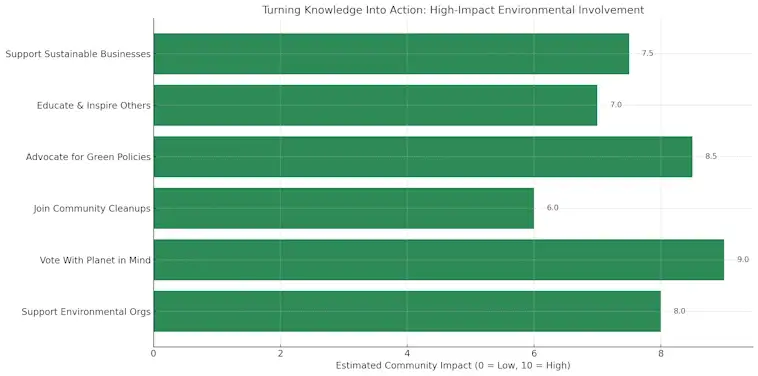
While personal habits matter—like reducing plastic or eating sustainably—real change also comes from collective action. It comes from using your voice, your vote, your time, and your connections to make a bigger impact.
Here’s how to take your environmental awareness to the next level—and turn it into meaningful, lasting change.
Support Environmental Organizations
Why it matters: Nonprofits and community groups do the heavy lifting—whether it’s planting trees, restoring wetlands, fighting polluters, or shaping policy.
How to help:
- Donate if you can, even small amounts.
- Volunteer your time or skills—graphic design, event planning, data entry, or legal advice can all help.
- Share their work to raise awareness.
Example: Groups like the Sierra Club, Ocean Conservancy, or Rainforest Alliance rely on public support to do vital on-the-ground and policy work.
Vote With the Planet in Mind
Why it matters: Laws and policies shape everything from clean energy investment to wildlife protection. Your vote directly influences these decisions.
How to help:
- Research candidates’ environmental positions—not just nationally, but at local and state levels too.
- Support leaders who prioritize sustainability, climate action, and environmental justice.
- Get involved in campaigns or ballot initiatives that protect public lands, regulate polluters, or invest in clean infrastructure.
Example: Local elections often determine zoning laws, transit systems, and green space funding—things that directly affect your community’s footprint.
Join or Organize Community Cleanups
Why it matters: Cleanups remove litter, raise visibility, and foster community pride. They also connect you with others who care.
How to help:
- Look for beach, river, or park cleanups near you.
- Start a local event with neighbors, coworkers, or classmates.
- Document your efforts to inspire others.
Example: A single afternoon cleanup can remove hundreds of pounds of trash—and open the door to deeper conversations and actions.
Advocate for Green Infrastructure and Policies
Why it matters: Things like bike lanes, public transit, tree planting, and renewable energy funding start with public demand.
How to help:
- Attend town halls or city council meetings.
- Write letters or sign petitions on issues you care about.
- Join local sustainability committees or advisory boards.
Example: Residents in some cities have successfully lobbied for plastic bans, urban forests, and more walkable neighborhoods.
Educate and Inspire Others
Why it matters: Culture shifts when people talk, share, and act together. Many people want to help—but they don’t always know how.
How to help:
- Host a film night or book club on environmental themes.
- Share tips and resources with friends, family, or on social media.
- Offer to speak at schools, libraries, or local events.
Example: A casual conversation can lead someone to rethink their habits, join a cause, or vote differently.
Support Sustainable Businesses and Practices
Why it matters: Every dollar you spend is a signal. Companies pay attention to consumer demand.
How to help:
- Choose brands with strong sustainability practices.
- Support local farmers, green energy providers, and ethical producers.
- Encourage your workplace, school, or church to go green.
Example: Customer feedback and purchasing pressure have pushed major companies to reduce plastic, cut emissions, and adopt greener materials.
The biggest movements in history didn’t start in boardrooms. They started in kitchens, parks, and school gyms—with ordinary people who cared enough to act.
You don’t have to do everything. But by doing something—and doing it together—we multiply our impact.
The planet doesn’t need a few perfect environmentalists. It needs millions of us, doing what we can, wherever we are.
Conclusion
Protecting the environment isn’t just about saving trees or animals—it’s about protecting the systems that make life possible. Clean air, safe water, healthy food, and a stable climate all depend on nature staying in balance.
We already have the knowledge and many of the tools we need. What matters now is what we choose to do with them. Every action counts, and when we act together, the impact multiplies.
The future can still be bright, but only if we choose to build it. Let’s protect the natural world not just because we need it—but because it’s worth fighting for.