

Why Deforestation Is Destroying Our Future
Why Deforestation Is Destroying Our Future: Causes, Consequences, and Solutions
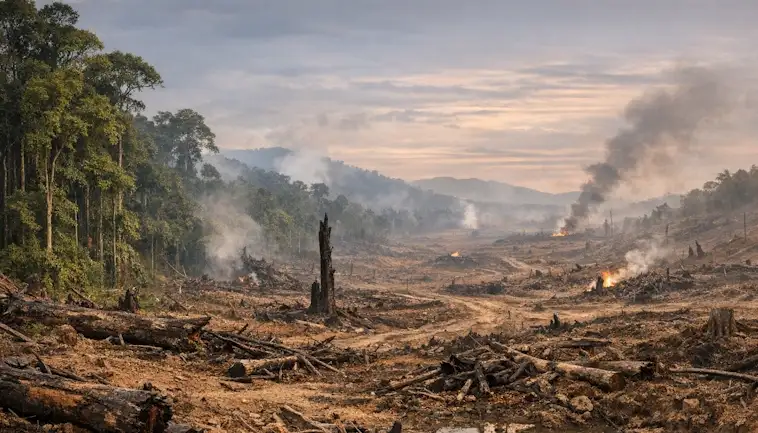
Deforestation is not just about losing trees. It is about losing one of the planet’s most important life support systems. Forests clean the air, store carbon, protect wildlife, and help keep the climate stable. Yet every year, huge areas of forest are cleared for farming, logging, mining, and development. As a result, the damage reaches far beyond the places where the trees once stood.
Why deforestation is destroying our future becomes clearer when we look at the bigger picture. Forest loss speeds up climate change, weakens ecosystems, increases flooding, and threatens the survival of millions of species, including our own way of life. In other words, when forests disappear, the risks do not stay local. They affect weather patterns, food supplies, water resources, and the health of communities around the world.
Now more than ever, understanding the true impact of deforestation matters. By exploring its causes, consequences, and possible solutions, we can see why protecting forests is no longer just an environmental issue. It is a global necessity that will shape the future of our planet.
What You’ll Discover
How Deforestation Fuels Climate Change
The Impact of Forest Loss on Wildlife
Why Healthy Forests Matter for People
The Hidden Economic Cost of Deforestation
What We Can Do to Protect Forests
How Deforestation Fuels Climate Change
Forests do far more than make the planet look green and alive. They also play a vital role in keeping the climate stable. In simple terms, trees act like giant natural storage units. They absorb carbon dioxide from the air and lock it away in their trunks, branches, roots, and soil. Because of that, forests help slow global warming every single day.
However, when forests are cut down or burned, that balance quickly changes. Instead of storing carbon, destroyed forests release it back into the atmosphere. As a result, deforestation becomes a major driver of climate change. It is not just an environmental issue. It is also a climate issue, a health issue, and a future issue for communities around the world.
Forests Store Huge Amounts of Carbon
To begin with, trees absorb carbon dioxide during photosynthesis. This process helps remove one of the main greenhouse gases from the atmosphere. Over time, forests build up large carbon stores, both above ground and below it.
That is why healthy forests matter so much. They work as natural climate allies. In fact, tropical rainforests, old-growth forests, and peat-rich woodland areas are especially important because they hold massive amounts of carbon. So, when these areas remain protected, they help keep warming in check.
Cutting Down Trees Releases More Emissions
On the other hand, deforestation turns these carbon sinks into carbon sources. When trees are cut, cleared, or burned, the carbon they stored is released back into the air. This adds more greenhouse gases to the atmosphere and speeds up global warming.
Moreover, the damage does not stop there. Forest soils also contain carbon. Once land is disturbed for farming, roads, mining, or development, that stored carbon can be released too. As a result, deforestation creates a double problem. It removes a natural system that absorbs emissions, and at the same time it increases the amount of emissions in the air.
Deforestation Disrupts Weather Patterns
Forests also help regulate rainfall, temperature, and moisture in the air. They release water vapor, which supports cloud formation and rainfall. Therefore, when large areas of forest disappear, local and even regional weather patterns can change.
In many places, this can lead to hotter conditions, longer droughts, and less reliable rainfall. That makes farming harder, increases wildfire risk, and puts more pressure on people and wildlife alike.
Protecting Forests Helps Protect the Climate
The good news is that protecting forests can make a real difference. Reforestation, better land management, and stronger conservation efforts can all help reduce emissions and support a healthier climate.
In the end, forests are one of our best natural defenses against climate change. So, if we want a cooler, safer, and more stable future, protecting them must be part of the plan.
The Impact of Forest Loss on Wildlife
Forests are more than just beautiful landscapes. They are home, shelter, and food sources for millions of animals around the world. So, when forests are cut down or damaged, wildlife feels the impact almost at once. In many cases, the effects are severe and long-lasting.
Habitat Loss Changes Everything
First of all, forest loss destroys natural habitats. Birds, mammals, insects, and reptiles all depend on forests to survive. Some animals nest in trees. Others hide from predators in thick plants on the forest floor. Many also rely on forest fruits, leaves, seeds, and smaller animals for food.
As a result, when trees disappear, animals lose the places where they live, feed, and breed. Some species are forced to move. However, not all can adapt to new areas. In fact, many animals struggle to survive once their habitat is gone.
Food Chains Become Unstable
Forest loss does not only affect one species at a time. Instead, it disrupts entire food chains. For example, if insects vanish because plants are removed, birds and other animals that feed on them may also decline. Then, larger predators can suffer too.
Because of this, one change in the forest can trigger many others. Over time, this weakens the balance of the whole ecosystem. That is why protecting forests is not just about saving trees. It is also about keeping nature connected and stable.
Animals Become More Vulnerable
At the same time, wildlife becomes more exposed when forests are cleared. Without dense cover, animals are easier for predators and humans to spot. They may also face more danger from roads, farms, and nearby towns.
In addition, fragmented forests split animal populations into smaller groups. This can make it harder for them to find mates and maintain healthy numbers. Sadly, this raises the risk of local extinction.
Why Forest Protection Matters
Put simply, forest loss puts wildlife under huge pressure. Yet there is still hope. By protecting forests and restoring damaged land, we can help many species recover. In the end, healthy forests mean healthier wildlife and a more balanced planet for us all.
Why Healthy Forests Matter for People
Forests do much more than fill the landscape with trees. They help support daily life in ways many people do not always see. From the air we breathe to the water we drink, healthy forests quietly work in the background. That is why they matter so much to people, not only in remote rural areas but also in towns and cities across the world.
At first glance, a forest may seem like a place for wildlife, walking trails, and beautiful views. And yes, it is all of those things. However, it is also one of nature’s most important support systems. Healthy forests clean the air, store carbon, reduce flood risks, and protect soil. In other words, they help create safer, healthier places for communities to live and grow.
Just as importantly, forests also support human wellbeing in personal and practical ways. They provide jobs, raw materials, food, and medicine. At the same time, they offer spaces for rest, reflection, and exercise. As modern life becomes busier and more built up, that connection with nature becomes even more valuable.
Forests Help Clean the Air We Breathe
One of the biggest reasons forests matter is simple. They help improve air quality. Trees absorb carbon dioxide and release oxygen. They also trap dust, pollutants, and harmful particles from the air. As a result, healthy forests can help make the environment cleaner and healthier for nearby communities.
This matters more than ever today. Many places are dealing with rising pollution, warmer temperatures, and the effects of climate change. Because of this, forests are not just nice to have. They are a vital part of a healthier future.
Forests Protect Water and Reduce Flooding
Forests also play a major role in protecting water supplies. Their roots help the soil absorb rainfall, which reduces runoff and lowers the risk of floods. In addition, forests filter water naturally before it reaches rivers, lakes, and reservoirs.
So, when forests are damaged or cleared, the effects can spread quickly. Soil can wash away. Rivers can become polluted. Flooding can become more severe. By contrast, healthy forests act like natural shields that help keep water systems balanced and reliable.
Forests Support Health, Jobs, and Daily Life
Forests are deeply connected to human life in practical ways. They provide timber, fuel, fruit, nuts, and other resources that millions of people depend on. In many areas, they also support farming, tourism, and local businesses. Therefore, protecting forests can also help protect livelihoods.
Beyond economics, forests support mental and physical health. Spending time in green spaces can reduce stress, improve mood, and encourage exercise. Even a short walk among trees can help people feel calmer and more refreshed.
Healthy Forests Strengthen Communities
When forests are cared for, communities benefit in many ways. They become more resilient to climate shocks. They gain cleaner air and water. And they also keep places for recreation, culture, and learning.
Healthy forests matter for people because they make life better, both now and in the future. They are not separate from human wellbeing. They are part of it.
Key Benefits of Healthy Forests
- Clean the air by absorbing carbon dioxide and filtering pollutants
- Protect water quality and help reduce flood risks
- Support wildlife, biodiversity, and natural balance
- Provide materials, food, and income for local communities
- Improve mental wellbeing and encourage outdoor activity
- Help communities adapt to climate change
Looking ahead, the need to protect forests will only grow. As populations rise and climate pressures increase, healthy forests will remain essential. That is why caring for them is not only an environmental goal. It is a human one too.
The Hidden Economic Cost of Deforestation
When people think about deforestation, they often picture lost trees, endangered wildlife, and damaged landscapes. However, the financial impact is just as serious. In fact, the hidden economic cost of deforestation reaches far beyond the forest itself. It affects farming, water supplies, jobs, health, and even national economies.
At first, clearing forests can look profitable. Land is opened for farming, mining, roads, or new housing. As a result, it may seem like a quick way to boost local income. Yet that short-term gain often leads to long-term loss. Forests provide natural services that support daily life and economic stability. They help regulate rainfall, protect soil, store carbon, and reduce flood risk. Without them, communities and businesses face higher costs.
Higher Costs for Farming and Food Systems
Forests help keep soil rich and productive. They also support rainfall patterns that crops depend on. When forests disappear, soil erosion increases and water becomes less reliable. Over time, this can reduce crop yields and raise food prices. In other words, farmers may earn less while spending more on fertilisers, irrigation, and recovery from extreme weather.
Damage to Water, Health, and Infrastructure
Deforestation also puts pressure on clean water supplies. Trees naturally filter water and slow runoff. Without that protection, floods become more common and water quality can fall. Consequently, governments may need to spend more on water treatment, road repairs, and disaster response. At the same time, air pollution and heat can worsen, which adds to healthcare costs and lowers productivity.
A Growing Risk for Business and Economies
There is another side to this issue. Many industries depend on stable ecosystems, even if they do not realise it. Tourism, agriculture, energy, and insurance all face rising risks when forests are lost. So, while deforestation may create short-term revenue, it often weakens economic resilience in the long run. Protecting forests is not only an environmental priority. It is also a smart economic investment.
What We Can Do to Protect Forests
Forests do far more than fill landscapes with beauty. They clean the air, store carbon, support wildlife, and help keep our climate stable. They also provide food, medicine, jobs, and clean water for millions of people around the world. Yet forests are under growing pressure from logging, farming, mining, road building, and climate change. So, the big question is simple: what can we do to protect them?
The good news is that real change starts with everyday choices. While governments and large companies play a major role, individuals and communities matter too. In fact, small actions, when repeated by many people, can lead to lasting results. That is why forest protection is not only a global issue. It is also a personal one.
Choose Wood and Paper Products Carefully
One of the easiest places to start is with the products we buy. Paper, furniture, and packaging often come from forests that are poorly managed. So, it helps to look for certified products from responsible sources. Labels such as FSC can point shoppers toward better options. Also, using less paper, reusing materials, and recycling more can reduce pressure on forests over time.
Support Reforestation and Forest Restoration
Planting trees can help, but restoring forests is about more than putting seedlings in the ground. Healthy forests need the right mix of native trees, plants, soil, and wildlife. That is why supporting trusted reforestation projects matters. At the same time, protecting existing forests is even more important, because mature forests store more carbon and support more life than newly planted ones.
Reduce Demand for Deforestation-Linked Goods
Many everyday items are tied to forest loss. These can include beef, soy, palm oil, and some forms of cocoa. So, reading labels and supporting brands with clear, responsible sourcing policies can make a difference. In addition, eating more sustainably and wasting less food can lower demand for land clearing.
Back Stronger Laws and Local Action
Forest protection works best when rules are strong and local people are involved. Indigenous communities and local stewards often protect forests better than anyone else, because their lives are closely connected to the land. Therefore, supporting policies that defend land rights, stop illegal logging, and fund conservation is a smart step forward.
Spread Awareness and Keep the Pressure On
Finally, talking about forests still matters. Sharing reliable information, supporting environmental groups, and encouraging better business practices can all help keep this issue in focus. Change may not happen overnight. Even so, forests can recover when people act early and stay committed.
Protecting forests is one of the clearest ways to protect our future. And the best time to start is now.
Conclusion: The Forests We Save Will Shape the Future We Share
Deforestation is not only an environmental issue. It is a human one. When forests disappear, we lose far more than trees. We lose wildlife, clean air, stable weather patterns, healthy soil, and vital support for communities around the world. In other words, the damage reaches every part of our future.
That is why the fight against deforestation matters now more than ever. The choices made by governments, businesses, and individuals today will shape the world future generations inherit. While the scale of the problem is serious, there is still time to change course. Stronger laws, more responsible farming, better supply chains, and everyday consumer awareness can all make a real difference.
Ultimately, protecting forests means protecting life itself. If we want a safer, healthier, and more sustainable future, we must treat forests as essential, not optional. The path forward is clear. By taking deforestation seriously today, we can help preserve the planet for tomorrow.