

When Seasons Collide: The Truth About Weather Whiplash
When Seasons Collide: The Truth About Weather Whiplash
Seasons are no longer arriving as predictably as they once did. One week may feel like spring, the next like winter, and sometimes both can collide in the same day. This dramatic swing in conditions is what scientists call weather whiplash, and it’s becoming more common.
Shifts like these are more than an inconvenience. They can disrupt farming schedules, strain power grids, and put extra stress on our health. As climate patterns change, sudden jumps between extremes are likely to intensify, leaving communities less time to adapt.
Understanding why these swings happen and what they mean for the future is key to staying prepared.
What Is Weather Whiplash and Why Does It Matter?
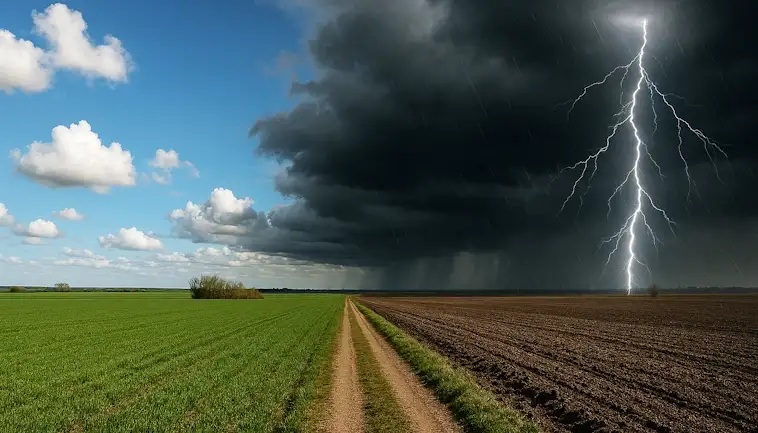
Weather has always shifted from day to day, but lately those swings feel more extreme. One week you’re pulling out your winter coat, the next you’re reaching for sunscreen. This sudden back-and-forth is what many experts now call weather whiplash.
Weather whiplash happens when temperatures, rainfall, or other conditions swing sharply in a short period of time. It can mean a warm spell in the middle of winter, or heavy rain right after a long dry stretch. These shifts aren’t just uncomfortable. They can strain crops, stress wildlife, and even challenge our health.
The Hidden Costs of Sudden Swings
Think about what happens when plants start to bloom early during a warm spell, only to get hit by a frost days later. Or when a downpour follows a dry spell, flooding soil that can’t soak up water fast enough. These quick turns in the weather ripple through communities, economies, and ecosystems.
Why does this matter? Because weather whiplash is becoming more common as our climate warms. Scientists are seeing patterns where jet streams wobble, storms linger, and conditions flip faster than they used to. This creates more uncertainty in our daily lives, and it makes planning harder for farmers, businesses, and families alike.
The bottom line: weather whiplash isn’t just a catchy phrase. It’s a warning sign. By paying attention to these shifts now, we can better prepare for a future where sudden weather changes may become the new normal.
How Climate Change Fuels Extreme Swings in Weather
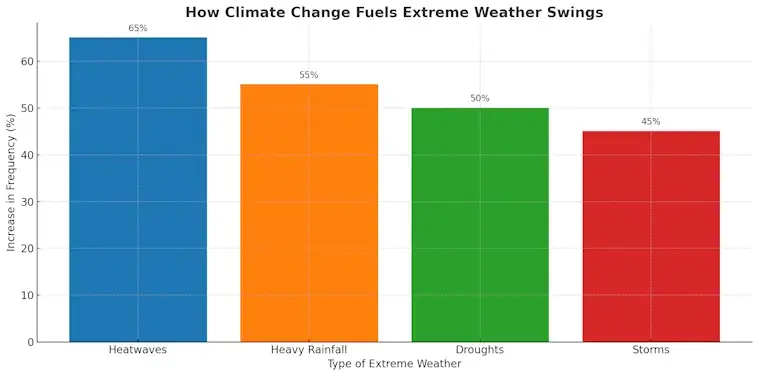
If you’ve noticed the weather feels more unpredictable than it used to, you’re not imagining it. Climate change is turning up the heat—literally—and that extra energy in the atmosphere is shaking up familiar patterns. The result? Extreme swings that can leave us dealing with blazing heat one week and heavy downpours the next.
When the planet warms, air holds more moisture. That means storms can unleash heavier rain. At the same time, hotter conditions dry out soil faster, making droughts more intense. These two extremes don’t cancel each other out—they happen side by side, creating what feels like climate chaos.
Why the Jet Stream Matters
One big player in these swings is the jet stream, a fast-moving ribbon of air high above us. As the Arctic warms, the jet stream weakens and starts to wobble. This wobble lets weather systems stall in place. That’s why you might see a week of nonstop rain, or heat waves that don’t seem to end.
The link between climate change and weather extremes is becoming clearer every year. Rising greenhouse gases don’t just make the world hotter—they tilt the balance, making sudden shifts in temperature and rainfall more common.
For communities, this means more uncertainty. Farmers can’t rely on steady seasons. Cities face both flooding and water shortages. And for individuals, it means keeping an eye on the forecast isn’t enough anymore. We also need to think about long-term resilience.
The Hidden Risks of Rapid Shifts in Temperature and Storms
It’s one thing to deal with a hot day followed by a cool evening. But when temperatures swing sharply in a matter of hours, or when calm skies suddenly turn into violent storms, the impact can be serious. These rapid changes put stress not only on the environment but also on our bodies and communities.
Extreme swings in temperature can strain the heart, trigger asthma, and even make common colds spread faster. For vulnerable groups like children and older adults, the risk is even higher. Storms, on the other hand, bring sudden floods, power outages, and costly damage that many families aren’t fully prepared for.
Weather Whiplash and Everyday Life
This “weather whiplash” effect goes beyond the inconvenience of swapping jackets for shorts in the same week. Think about roads cracking from sudden freezes, or power grids struggling to handle spikes in demand as people switch from heating to cooling. Farmers also feel the pressure when crops sprout early, only to be damaged by a late frost or storm.
The hidden risk is that these shifts often come without much warning. Forecasts can only prepare us so much, and when changes happen faster than expected, communities are left scrambling. That’s why understanding the connection between climate change and rapid weather swings isn’t just about science—it’s about planning for a safer future.
Real-Life Examples of Weather Whiplash Around the World
Weather whiplash isn’t just a theory. It’s playing out in real time across the globe. These sudden shifts are disrupting daily life, damaging economies, and reminding us that climate change is already here. Let’s look at a few examples that show how fast weather can flip.
In the United States, the Midwest has seen winters with record-breaking cold followed almost immediately by springlike warmth. Farmers have watched crops start growing early, only to be wiped out by a frost days later.
In Europe, summer heatwaves have often been followed by severe thunderstorms and flooding. Cities that were struggling to stay cool one week were battling heavy rainfall and power outages the next.
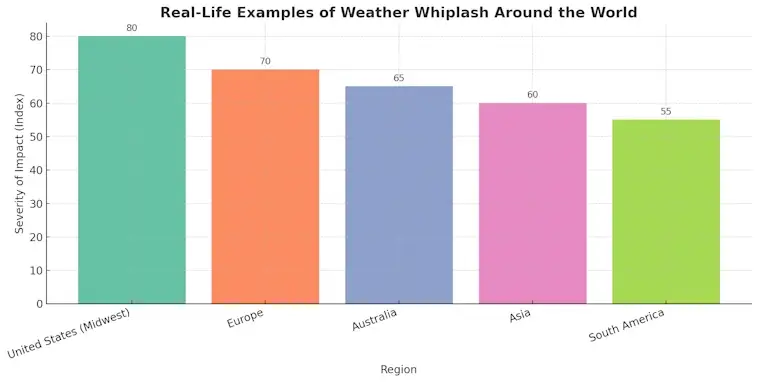
Australia also knows this pattern well. After long periods of drought, intense rains have caused flash floods, leaving little time for communities to recover in between extremes.
Lessons From Weather Whiplash
What these stories show is that no region is immune. Whether it’s farms, cities, or rural communities, weather whiplash has ripple effects that touch everyone. The swings don’t just test infrastructure—they test resilience. And as these events become more common, the lessons from one part of the world can help others prepare before the next sudden shift arrives.
How to Stay Prepared for Sudden Seasonal Changes
Seasonal shifts have always been part of life, but in recent years they feel sharper and less predictable. One week feels like spring, the next like winter, and sometimes it all happens in a matter of days. These sudden swings can throw off routines, damage property, and even affect our health. The good news? With a little preparation, you can stay ahead of the curve.
Start with the basics. Keep an eye on trusted weather forecasts, not just day by day, but week by week. This helps you spot patterns and prepare for big swings before they hit. Having extra layers of clothing, a backup power source, or an emergency kit at home can make a big difference when conditions change quickly.
Being Prepared at Home
Think about your home as a first line of defense. Check insulation and windows so that sudden cold snaps don’t send your heating bill soaring. Make sure gutters are clear before heavy rain arrives. If you live in a flood-prone area, sandbags or barriers stored in advance can save you stress later. Small steps like these add up to big peace of mind.
Staying prepared also means looking out for your health. Rapid changes in temperature can strain the body. Stay hydrated, dress in layers, and don’t ignore warning signs like dizziness or fatigue. And for families, having a simple communication plan ensures everyone knows what to do when the weather takes a turn.
The truth is, sudden seasonal changes aren’t going away. But by planning ahead, we can turn uncertainty into resilience and meet each swing with confidence.
Why Understanding Weather Whiplash Matters
Weather whiplash is more than just an inconvenience. These rapid swings in temperature and storms are reshaping how we live, farm, travel, and plan for the future. From sudden freezes after warm spells to floods that follow long droughts, the pattern is clear: our weather is becoming less predictable.
By understanding what weather whiplash is and why it matters, we can take smarter steps to prepare. That means protecting our homes, supporting communities, and adapting to a climate that is changing faster than many of us expected.
The key takeaway is simple—awareness leads to action. The more we recognize the signs of weather whiplash, the better we can respond. And while we can’t stop sudden shifts in weather, we can build resilience that helps us face them head-on.