

When Forests Burn: A Closer Look at Wildfires
When Forests Burn: A Closer Look at Wildfires
Wildfires are becoming more frequent and intense, catching our attention and raising concerns about their impact on our world. What sparks these fires? How does climate change play a role? We’ll break down the science behind wildfires, look at their effects on ecosystems and communities, and discuss what we can do to manage and prevent them. From understanding the basics to exploring recovery efforts, we aim to provide clear insights into these fiery phenomena. Join us as we uncover the causes, consequences, and solutions related to wildfires, offering practical advice for everyone.
What You’ll Discover
Understanding the Basics: What Causes Wildfires?
The Role of Climate Change in Increasing Wildfire Risks
Fire Ecology: How Wildfires Impact Ecosystems
Economic and Human Costs of Wildfires
Case Studies: Major Wildfires and Their Aftermath
Prevention and Management Strategies
Recovery and Rehabilitation: Life After a Wildfire
Taking Action to Reduce Wildfire Risks
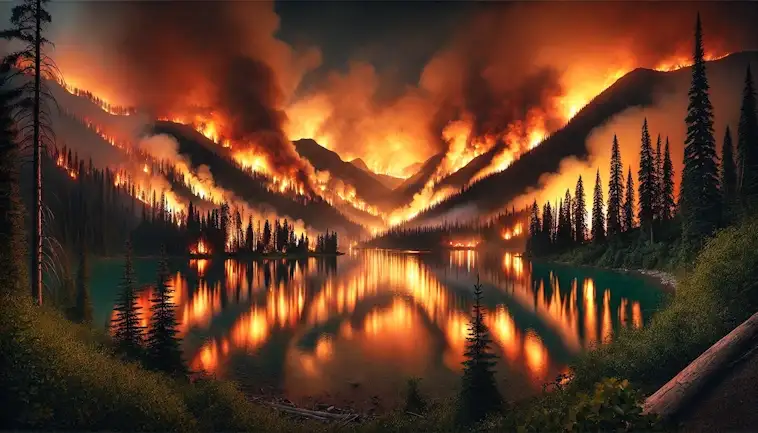
Understanding the Basics: What Causes Wildfires?
Wildfires can start and spread due to a mix of natural events and human actions. Lightning strikes are a major natural cause. When lightning hits, it can ignite trees and dry vegetation, especially in isolated, wooded areas. This natural spark can quickly become a large fire if conditions are right.
Human activities also play a significant role in starting wildfires. Things like leaving campfires unattended, improperly discarding cigarettes, or even operating machinery that creates sparks can ignite fires. These activities, often due to carelessness, can have devastating effects on vast areas.
Now, for a wildfire to spread, certain conditions are necessary. Dry weather is a major factor. Without much moisture in the area, vegetation becomes dry and highly flammable, making it easier for a fire to catch and spread. High winds also contribute significantly. They can carry embers over long distances, sparking new fires far from the original source. This makes controlling and extinguishing wildfires much more challenging.
Moreover, the presence of abundant fuel, such as dry leaves, grass, and trees, feeds a fire, allowing it to grow and move quickly. The more fuel available, the more intense and faster spreading the fire can be.
Together all these factors create a perfect storm for wildfires. It’s why many regions prone to these conditions take preventive measures and educate the public on fire safety to reduce the risks of wildfires starting and spreading. It’s a combined effort to protect both the natural environment and communities from the destructive power of wildfires.
The Role of Climate Change in Increasing Wildfire Risks
Climate change is significantly impacting how often and how intense wildfires are. As our planet warms up, we’re seeing some big shifts that make wildfires more likely.
First up, rising temperatures. It’s getting hotter out there, and this heat doesn’t just make us sweat—it dries out vegetation. Plants and trees lose moisture and become more like tinder, ready to ignite at the smallest spark. When the land is this dry and hot, it’s much easier for a wildfire to start and spread.
Then there’s the issue of droughts. These aren’t just any dry spells; we’re talking about long periods without rain, which are becoming more common due to climate change. Prolonged droughts dry out the soil and vegetation even more. This means there’s plenty of dry material available to fuel a fire, making the situation even more dangerous.
Changing precipitation patterns also play a role. In some areas, rain is falling more in heavy bursts instead of spreading out over the season. This can lead to vegetation growing quickly and then drying out, leaving a lot of fuel for wildfires. In other areas, less rain overall means drier conditions year-round.
Hotter temperatures, longer droughts, and less predictable rain—combine to create an environment that’s perfect for wildfires. They can start more easily and spread faster and farther than before. This means we need to be even more vigilant about fire safety and preparedness as the climate continues to change. It’s a big challenge, but understanding these connections helps us tackle the problem better.
Fire Ecology: How Wildfires Impact Ecosystems
Wildfires have a profound impact on ecosystems, and it’s a mix of both destruction and renewal.
First, the destructive side. Wildfires can obliterate forests, wipe out wildlife, and devastate habitats. This destruction isn’t just visual; it can disrupt the food chain and reduce biodiversity, as animals lose their homes and food sources. The soil can also suffer, becoming less fertile due to the intense heat that burns away vital nutrients.
However, wildfires are not always just destroyers. They play a crucial role in the natural cycle of ecosystems. For example, by burning away old and dead vegetation, wildfires clear the way for new plants to grow. This process can help rejuvenate a forest and enhance its health. The heat from the fire also releases nutrients locked in dead vegetation, returning them to the soil, which helps new plants thrive.
Additionally, some species are remarkably adapted to live with, and even benefit from, wildfires. Certain types of trees, like the lodgepole pine, have cones that only open to release seeds when exposed to intense heat, ensuring regeneration after a fire. Some animals, like woodpeckers, find new food sources in the insects that colonise burnt wood. Even the landscapes shaped by fire can create new habitats that support diverse wildlife.
While wildfires can be devastating, they are also a natural and essential part of many ecosystems. They help recycle nutrients, encourage new growth, and maintain diverse habitats. Understanding both the destructive and regenerative roles of wildfires helps us appreciate their complex place in nature and the importance of managing them wisely to protect both our environment and communities.
Economic and Human Costs of Wildfires
Wildfires can have a huge economic impact, along with serious human costs.
Starting with the economic side, the damage to property and infrastructure can be massive. Homes, businesses, and public facilities like bridges or roads can be destroyed or badly damaged, leading to costly repairs or complete rebuilds. The costs add up quickly and can burden individuals and governments alike.
Then there’s the cost of fighting these fires. Firefighting efforts require lots of resources, including manpower, equipment, and lots of water or fire retardants. These operations can be incredibly expensive, especially for large fires that burn for weeks or even months.
Local communities feel the economic impact too. Businesses may lose inventory and face downtime, while tourism can take a hit if people avoid smoke-affected or fire-damaged areas. This loss of income can hurt communities and even slow down their recovery after the fire has been put out.
On the human side, the costs are even more profound. Lives can be lost, which is the most devastating outcome of any wildfire. For those who survive, health effects from smoke inhalation can be serious, leading to respiratory problems or worsening conditions like asthma.
There’s also a psychological impact on those affected. Losing a home or business, or even witnessing the destruction of your community, can lead to long-term emotional distress. People might experience anxiety, depression, or PTSD.
Wildfires are not just natural disasters; they bring economic and human costs that can be felt long after the flames are extinguished. Understanding these impacts helps highlight the importance of effective wildfire management and support for affected communities.
Case Studies: Major Wildfires and Their Aftermath
Here’s a look at some recent significant wildfires, what caused them, and how they’ve affected their regions:
1. Camp Fire, California (2018): This wildfire was one of the deadliest and most destructive in California’s history. Sparked by power lines affected by strong winds, the fire rapidly consumed the town of Paradise, burning much of it to the ground. It resulted in 85 deaths and destroyed over 18,000 structures. The long-term impacts include a massive rebuilding effort, ongoing health issues from smoke inhalation, and major changes in local and state fire management policies.
2. Australian Bushfires (2019-2020): Known as the Black Summer, this series of bushfires swept across Australia, notably impacting New South Wales and Victoria. Caused by a combination of prolonged drought, high temperatures, and strong winds, the fires destroyed thousands of homes and killed or displaced nearly three billion animals. The ecological recovery has been slow, with significant impacts on biodiversity and tourism. Efforts to rehabilitate wildlife and restore natural habitats are ongoing.
3. Amazon Rainforest Fires (2019): These fires were largely attributed to illegal deforestation practices, meant to clear land for agriculture. The international outcry highlighted the Amazon’s critical role in global climate regulation. The fires had a lasting impact on the rainforest’s biodiversity and the livelihoods of indigenous communities. There are ongoing global discussions about conservation strategies and sustainable land use in the region.
Each of these events underscores the wide-ranging effects of wildfires, from immediate human and ecological damage to long-term economic and policy shifts. Efforts to mitigate these impacts continue to evolve, focusing on better fire management, recovery processes, and preventive measures.
Prevention and Management Strategies
Preventing and managing wildfires effectively involves a mix of good forest management, smart policies, community involvement, and the latest technology.
First up, is forest management. Controlled burns are a key tactic. These are fires that are intentionally set and carefully managed to burn away dead leaves, fallen branches, and other fuel that could feed a wildfire. By doing these burns, we reduce the risk of more severe fires. Clearing underbrush regularly is another important step. It involves removing smaller plants and shrubs under trees to minimise the amount of fuel available.
When it comes to policy measures, governments can implement strict regulations on land use, enforce building codes that require fire-resistant materials, and restrict activities that might start fires, like campfires and barbecues during dry seasons. These rules help keep potential fire hazards in check.
Community preparedness programs are also vital. These programs educate residents about how to protect their homes and families from wildfires. Communities can hold workshops on creating defensible space around homes, making evacuation plans, and understanding fire risks. The more informed people are, the better they can protect themselves and their property.
Lastly, technology plays a huge role in wildfire detection and suppression. Innovations like satellite imaging and drones can spot fires early before they spread too far. Advanced software can predict a fire’s path, helping firefighters focus their efforts more effectively. There’s also new firefighting equipment being developed, like gel-like substances that can suppress fires faster than water or traditional retardants.
By combining these approaches—thoughtful forest management, robust policies, community engagement, and cutting-edge technology—we can prevent many wildfires and manage them more effectively when they do occur. It’s all about being proactive and prepared.
Recovery and Rehabilitation: Life After a Wildfire
Recovering and rehabilitating areas affected by wildfires is a big task that involves many steps.
Starting with reforestation, this is about planting trees in areas where the forest has been burned. It’s important to choose the right types of trees that can grow well in the affected area and help the forest return to its natural state. Sometimes, this means planting different species that are more resistant to fire in the future.
Erosion control is another crucial step. After a fire, the land can be left bare, and without plants, the soil can easily wash away when it rains. To prevent this, people might lay down straw or wood chips to cover the soil. They also create barriers like logs or rocks to slow down water flow and stop the soil from moving.
Rebuilding infrastructure means fixing or replacing things like roads, bridges, and power lines that the fire might have damaged. It’s important to rebuild stronger structures that can withstand future disasters.
For wildlife that’s been displaced, it’s about creating a safe environment for them to return to. This might involve building new habitats or leaving food and water sources to help them survive while the forest recovers.
Human communities need a lot of support too. This includes temporary housing for those who’ve lost their homes, counselling for emotional support, and financial aid to help rebuild their lives. Community centres often become hubs where people can gather for support and to share resources.
All these efforts need to be coordinated and often involve many different groups, including local governments, nonprofit organisations, and community volunteers. Working together, they can help an area not just recover but also thrive after a wildfire. It’s a slow process, but with time and care, life can blossom again in these places.
Taking Action to Reduce Wildfire Risks
Reducing the risk of wildfires is something we can all help with by taking some practical steps. Here’s how you can make a difference:
First, focus on your home. It’s important to maintain a clear space around it. This means keeping the area free from dead leaves, debris, and flammable materials. Cut back trees and bushes so they aren’t too close to your house. This buffer zone can really help protect your home if a wildfire occurs nearby.
Next, get involved in local fire safety education programs. Many communities offer workshops and training sessions on how to prepare for wildfires. Attending these can give you the knowledge you need to protect your home and community. You’ll learn things like how to create an evacuation plan and emergency preparedness.
Supporting policies that aim to mitigate climate change is also crucial. Wildfires are becoming more frequent and severe because of warmer temperatures and drier conditions. By advocating for and supporting policies that address climate change, you can help tackle one of the root causes of severe wildfires. This could mean voting for leaders committed to environmental issues or supporting local and national initiatives that focus on reducing carbon emissions.
Lastly, be mindful of day-to-day activities, especially during dry months. Simple actions like properly extinguishing campfires, not throwing cigarette butts outdoors, and using machinery that could spark a fire carefully can all prevent wildfires.
By taking these steps, you can contribute to reducing wildfire risks. It’s about being proactive and involved, whether that’s at home or in the broader community. Every little bit helps when it comes to keeping our environments safe and healthy.
Conclusion
As we’ve seen, wildfires are complex events with far-reaching impacts. They not only destroy homes and habitats but also play a natural role in shaping ecosystems. Understanding both the causes and effects of wildfires is crucial for effective prevention and management. By staying informed, creating defensible spaces around our homes, and participating in community safety programs, we can all contribute to reducing the risks.
Let’s keep learning, preparing, and working together to protect our communities and natural landscapes from the destructive power of wildfires. It’s a shared responsibility, and every effort counts in making our world a safer place.