

When Agroforestry Practices Thrive, Ecosystems Heal
Sustainable Farming with Trees: The Rising Power of Agroforestry Practices
When agroforestry practices take root, something remarkable happens—life returns to the land. Trees and crops begin to work together instead of competing. The soil grows richer, water flows more gently, and wildlife starts to find its way back. These natural systems thrive when humans choose cooperation over extraction, and the results can be seen in cleaner rivers, cooler microclimates, and healthier communities.
Across the world, farmers and conservationists are rethinking how food and forests can coexist. The shift toward regenerative methods is showing that productivity doesn’t have to come at the planet’s expense. With every tree planted alongside a crop, nature finds a way to repair itself. The more these practices spread, the closer we move to landscapes that sustain both people and the ecosystems they depend on.
How Agroforestry Practices Restore Balance to Fragile Landscapes
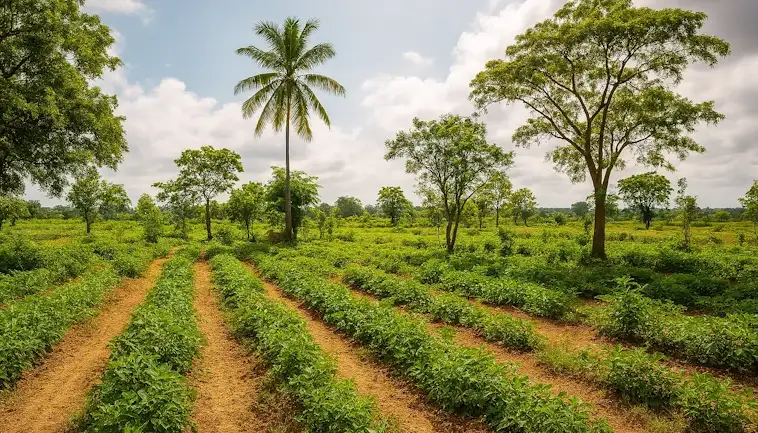
When we think about restoring damaged land, most of us imagine planting trees or cleaning up polluted soil. But there’s another, more holistic approach that’s gaining attention worldwide — agroforestry practices. It’s a way of farming that brings trees, crops, and livestock together to work in harmony. The result? Healthier soil, more resilient farms, and landscapes that can withstand the pressures of a changing climate.
Agroforestry might sound complex, but at its heart, it’s beautifully simple. By blending agriculture and forestry, farmers mimic natural ecosystems. Trees protect crops from harsh winds, their roots prevent erosion, and falling leaves enrich the soil. Over time, these systems create balance — not just for the environment, but for the communities that depend on it.
The Hidden Power of Trees on Farmland
Picture a dry, windswept field slowly turning green again. Rows of trees start holding moisture in the soil, native birds return, and crops thrive even during droughts. That’s what happens when agroforestry practices take root. They restore life to fragile landscapes by boosting biodiversity and improving water cycles. Farmers also benefit from diverse yields — fruit, nuts, timber, and even shade for livestock.
Beyond the farm, the ripple effects are huge. Restored soil captures more carbon. Cleaner water flows downstream. Local economies strengthen as more sustainable products reach the market. It’s proof that caring for the land can also mean securing our future.
If you’d like to see how these methods are transforming real communities, the Food and Agriculture Organization (FAO) shares inspiring global examples of agroforestry in action.
Agroforestry isn’t just about planting trees — it’s about rethinking how we live with the land. When nature and farming work together, fragile landscapes can heal and flourish again.
The Hidden Link Between Trees, Soil, and Climate Resilience
When we think about fighting climate change, most of us picture forests soaking up carbon from the air. But there’s a deeper, often overlooked connection — the one between trees, soil, and our planet’s resilience.
Trees don’t just stand tall and capture carbon. Their roots feed life below the surface, helping soil store more carbon than all the world’s plants combined. Healthy soil holds water during droughts, filters pollutants, and supports ecosystems that keep the planet in balance. When forests are cleared or degraded, this powerful partnership breaks down, releasing stored carbon and weakening nature’s ability to recover.
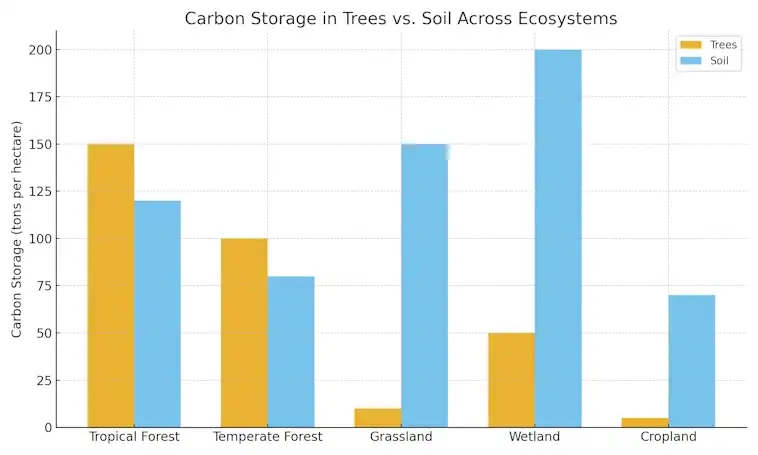
The good news? Restoring tree cover and improving soil health can double nature’s defense. Simple actions like planting native trees, reducing tilling, and protecting forest edges can rebuild this hidden system. It’s not just about greenery — it’s about building resilience from the ground up.
Why Agroforestry Practices Are the Future of Sustainable Farming
Imagine a farm that not only grows crops but also nurtures trees, supports wildlife, and heals the soil at the same time. That’s the idea behind agroforestry practices—a modern, nature-inspired way of farming that’s quickly gaining ground around the world.
At its core, agroforestry blends agriculture and forestry. Instead of keeping trees and crops separate, farmers grow them together in a way that benefits both the land and the people who work it. It’s a simple idea with powerful results.
Here’s why agroforestry practices are shaping the future of sustainable farming:
- Improves soil health — Trees add organic matter and nutrients back into the soil, making it richer and more fertile over time.
- Reduces erosion — Their roots hold the ground together, protecting valuable topsoil from washing away.
- Supports biodiversity — A mix of plants and trees attracts pollinators, birds, and beneficial insects that help farms thrive.
- Shades and protects crops — Trees regulate temperature and shield crops from extreme weather, a growing concern in a changing climate.
- Boosts farmer income — By producing timber, fruit, or nuts alongside crops, farmers can earn from multiple sources.
- Captures carbon — Agroforestry systems naturally pull carbon dioxide from the air and store it in trees and soil, helping fight climate change.
Many experts see agroforestry as a bridge between traditional farming and a more resilient, climate-smart approach. It’s about working with nature, not against it. As more farmers adopt these methods, we’re seeing healthier ecosystems and stronger local economies.
From Degraded Fields to Flourishing Forests: Nature’s Comeback Story
There was a time when large patches of land lay dry and lifeless. Years of overuse, deforestation, and pollution stripped the soil of its strength. But something remarkable has been happening. Around the world, nature is making a quiet yet powerful comeback.
From dusty fields to lush forests, restoration projects are showing us what’s possible when we let ecosystems heal. Trees are being planted, wetlands are returning, and native wildlife is finding its way back home. In countries like China, Kenya, and Brazil, local communities are leading efforts to reforest and restore degraded land—and the results are breathtaking.
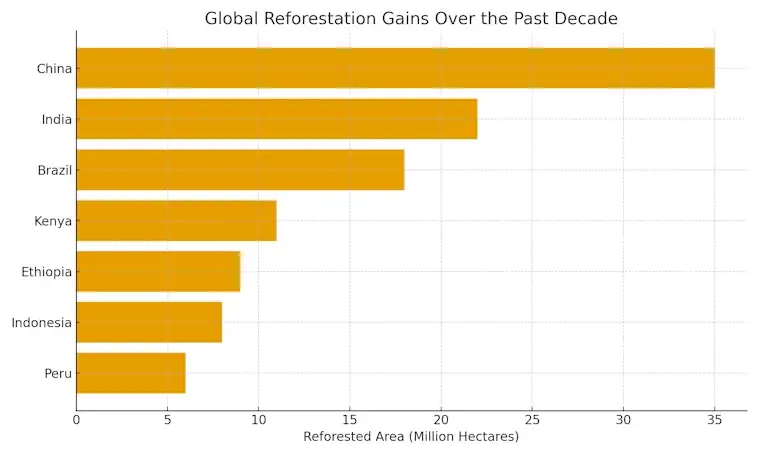
Restoration isn’t just about planting trees. It’s about rebuilding balance. Healthy forests help lock away carbon, filter our air, and protect water sources. They also create jobs and strengthen local economies. Each new tree is a small but vital act of hope for the planet’s future.
What Happens When Communities Invest in Green Regeneration
When neighborhoods start investing in green regeneration, something powerful happens. It’s not just about planting trees or adding rooftop gardens. It’s about reshaping how people live, breathe, and connect with each other. Streets become cleaner. Local jobs grow. And communities begin to thrive in ways that go beyond simple economics.
Green regeneration projects can transform neglected spaces into vibrant community hubs. Think of abandoned lots turned into urban forests or local parks powered by renewable energy. These efforts reduce pollution, lower heat levels, and attract more wildlife — all while giving people a stronger sense of ownership and pride.
But the real magic lies in collaboration. When residents, local governments, and environmental groups work together, they create lasting change. This kind of teamwork builds resilience — the ability to adapt and recover from challenges like flooding, extreme heat, or economic stress.
The Power of Agroforestry Practices
One inspiring part of green regeneration is the use of agroforestry practices — blending trees and crops in ways that benefit both people and nature. These systems help restore degraded land, improve soil quality, and capture carbon. Imagine walking through a city garden where fruit trees grow beside vegetables, feeding local families while cooling the air. It’s a simple idea with huge potential for urban and rural areas alike.
As more communities invest in this kind of regeneration, the ripple effects become clear. Health improves, biodiversity flourishes, and local economies strengthen. The best part? Every community can start small — a few trees, a shared garden, or a local compost project can spark lasting change.
If you’d like to learn more about successful green regeneration projects around the world, check out the Ellen MacArthur Foundation’s insights on circular cities.
Growing a Greener Future Through Agroforestry Practices
When we embrace agroforestry practices, we’re not just planting trees — we’re restoring balance. These systems reconnect farms with forests, soil with water, and people with the land that sustains them. By blending agriculture and ecology, farmers can boost yields, nurture biodiversity, and strengthen their resilience against climate change.
The path forward is clear: the more we support agroforestry practices, the closer we move toward thriving ecosystems and sustainable food systems. Whether it’s through community projects, policy support, or choosing products from regenerative farms, every action counts. Let’s keep growing this movement — because when agroforestry practices thrive, the planet truly heals.