

What Is Ocean Acidification and Why Should We Care?
Ocean acidification is a major problem affecting our seas. It happens when the ocean absorbs too much carbon dioxide from the atmosphere, making the water more acidic. This change can harm sea creatures and coral reefs that many other forms of life depend on. Understanding ocean acidification helps us see how it impacts not just marine life, but also fishing industries, local communities, and our environment overall. It’s important to know about this problem because it connects deeply with other environmental issues like climate change and biodiversity loss, showing why our choices on land affect the vast oceans around us.
What Is Ocean Acidification and Why Should We Care?
What You’ll Discover
What Is Ocean Acidification?
The Causes of Ocean Acidification
Measuring Ocean Acidification
The Impact of Ocean Acidification on Marine Life
Ecological Consequences of Acidification
Acidification and its Economic Impact
Global and Regional Responses
What Can We Do About Ocean Acidification?
What Is Ocean Acidification?
Ocean acidification is a critical environmental issue that’s often described as the oceans’ response to increased carbon dioxide (CO₂) in the atmosphere. To put it simply, as we release more CO₂ through activities like burning fossil fuels, deforestation, and industrial processes, a significant portion of that CO₂ ends up being absorbed by the world’s oceans. This absorption sets off a series of chemical reactions that gradually make the seawater more acidic.
Here’s how the chemistry of it works: When CO₂ gas comes into contact with seawater, it doesn’t just float around; it actually dissolves in the water. Once dissolved, the CO₂ interacts with water molecules (H₂O), resulting in the formation of a weak acid known as carbonic acid (H₂CO₃). This might sound a bit technical but think of it like mixing a drink that gradually changes its flavour as you add more ingredients.
The presence of carbonic acid in the ocean is a natural part of the carbon cycle, but the problem arises with the scale at which we’re adding CO₂ to the atmosphere—way more than natural processes can handle. The formation of carbonic acid is just the beginning. This acid quickly dissociates, or splits apart, into bicarbonate (HCO₃-) and hydrogen ions (H⁺). It’s these hydrogen ions that are the real culprits behind acidification because they increase the acidity of the ocean, lowering its overall pH.
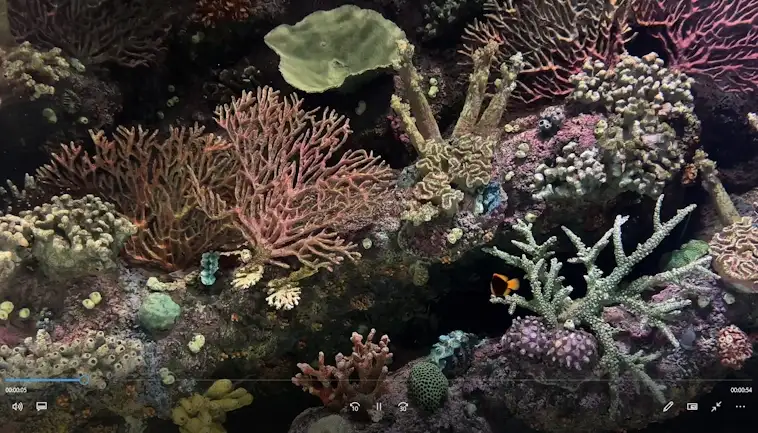
A lower pH might sound like a small change, but it has significant implications for marine life, particularly for organisms that rely on calcium carbonate to build their shells and skeletons, like corals and some shellfish. The more acidic the ocean gets, the harder it is for these creatures to thrive, as the available calcium carbonate becomes scarcer, and their existing structures can even begin to dissolve.
Ocean acidification is a complex but critical issue resulting from increased CO₂ emissions, leading to more acidic oceans through a series of chemical reactions. This not only affects marine ecosystems but also the human communities that depend on them. Understanding and addressing the impacts of ocean acidification is crucial as we continue to grapple with its broader environmental consequences.
The Causes of Ocean Acidification
Ocean acidification is a significant issue impacting marine ecosystems. It occurs when the ocean absorbs carbon dioxide (CO₂) from the atmosphere, leading to a decrease in water pH levels. The main contributors to this process are both human activities and natural phenomena.
Human Activities Increasing CO₂ Levels
One of the primary human activities contributing to increased CO₂ in the atmosphere is the burning of fossil fuels. Cars, factories, and power plants burn coal, oil, and gas, releasing CO₂ as a byproduct. This not only contributes to global warming but also increases the amount of CO₂ absorbed by the oceans.
Deforestation is another critical factor. Trees naturally absorb CO₂ from the atmosphere during photosynthesis. When forests are cut down, not only is this natural absorption capacity reduced, but the burning or decomposing of wood also releases stored carbon back into the atmosphere, further increasing CO₂ levels.
Industrial processes also play a significant role. The production of cement, one of the most common building materials, involves chemical reactions that emit CO₂. Other industries, like steel and chemical manufacturing, also contribute significant CO₂ emissions through their operations.
Natural Phenomena Contributing to CO₂ Emissions
Natural sources of CO₂ also contribute to ocean acidification. Volcanic activity is a natural phenomenon that releases CO₂ directly into the atmosphere. When a volcano erupts, it emits gases, including substantial amounts of carbon dioxide, which eventually find their way into ocean waters.
Decomposition and respiration are natural biological processes that also release CO₂. Plants, animals, and microbes consume organic matter and oxygen, releasing CO₂ as a waste product. This natural cycle is essential for life on Earth, but it also contributes to the overall levels of CO₂ in the atmosphere.
By managing human activities that increase CO₂ levels and studying natural phenomena, we can develop strategies to mitigate this environmental challenge. Efforts to reduce fossil fuel use, protect forests, and innovate in industrial processes are essential steps in preserving ocean health and, by extension, the planet.
Measuring Ocean Acidification
Understanding how acidic the oceans are is crucial for studying environmental changes and protecting marine life. Scientists use various tools and technologies to measure ocean acidity, which helps them track changes over time and make important predictions about the future of our oceans.
Tools Used to Measure Ocean Acidity
One of the primary tools used to measure ocean acidity is the pH meter. This device measures the pH level of seawater, which indicates how acidic or alkaline it is. A lower pH means higher acidity. These meters are not only used onshore but also mounted on ships and buoys to gather data from different parts of the oceans.
Another sophisticated tool is the spectrophotometric pH measurement system. This system uses light to measure pH levels with high precision. It analyses how light is absorbed by seawater at different wavelengths, which changes as acidity levels vary.
Satellites also play a crucial role in monitoring ocean acidity. They can measure surface temperature and colour, which indirectly help scientists estimate pH levels over vast ocean areas. This technology allows for a broad, global perspective of ocean health and how it changes over seasons and years.
Monitoring Networks Tracking Ocean Chemistry
Global and regional networks are essential for tracking changes in ocean chemistry. One such network is the Global Ocean Acidification Observing Network (GOAON). This network brings together international efforts to monitor ocean acidification, providing a platform for sharing data and research findings.
Regional networks also contribute valuable insights. For example, the European Ocean Acidification Monitoring Network focuses on changes in the waters surrounding Europe. These networks use data from pH meters, satellites, and other tools to build a comprehensive picture of how ocean chemistry is shifting.
These monitoring efforts are vital. They help scientists understand the pace and scale of changes in ocean acidity. This understanding is crucial for developing strategies to mitigate impacts on marine ecosystems and coastal communities. By continually improving technology and expanding monitoring networks, scientists are better equipped to tackle the challenges posed by ocean acidification.
The Impact of Ocean Acidification on Marine Life
Ocean acidification poses a significant threat to many marine organisms, especially those that rely on calcium carbonate to form their shells and skeletons. This includes creatures like corals, molluscs, and some types of plankton. Understanding how increased acidity affects these organisms is crucial for protecting marine biodiversity.
How Acidification Affects Shell Formation
The shells and skeletons of marine creatures are formed from calcium carbonate, a mineral that is less stable in acidic conditions. When the ocean’s pH drops, it becomes harder for calcium carbonate to form and maintain its structure. This means that animals that depend on this mineral for their shells and skeletons find it increasingly difficult to grow and survive.
For example, corals use calcium carbonate to build their intricate structures, which serve as critical habitats for diverse marine life. Acidic waters can slow the growth of coral skeletons, making them more susceptible to other stresses like temperature changes and pollution.
Molluscs, such as clams, oysters, and snails, also struggle in more acidic waters. Their shells can become thinner and weaker, making them more vulnerable to predators and less effective at protecting the animal inside. For creatures like these, a sturdy shell is vital for survival.
The Broader Implications for Marine Ecosystems
Plankton, which are tiny organisms at the base of the ocean food chain, also suffer from acidification. Some plankton species rely on calcium carbonate structures for protection and buoyancy. When these structures are compromised, it can reduce the plankton populations, impacting the entire food web that depends on them.
The decline of these fundamental species due to acidification can lead to broader ecological shifts. Fewer corals, molluscs, and plankton can disrupt marine food chains and alter habitats, potentially leading to the decline or extinction of a variety of marine species.
In essence, the increased acidity in the oceans interferes with the basic building blocks of many marine organisms. Protecting these creatures involves understanding and addressing the sources and impacts of ocean acidification, ensuring the health and diversity of marine life for future generations.
Ecological Consequences of Acidification
Ocean acidification is not just a problem for shell-forming species. Its effects ripple throughout the marine ecosystem, disrupting food webs and affecting a wide range of organisms, from fish to marine mammals.
Disruption of Marine Food Webs
The ocean’s food web is intricate and highly interconnected. Small changes in one part of the ecosystem can have large effects elsewhere. For example, many fish, birds, and marine mammals rely on shellfish and other small organisms for food. If the populations of these shell-forming species decline due to acidification, it can lead to food shortages for these predators.
Similarly, plankton are a key food source for many marine species, including fish and whales. If acidification impacts plankton populations, this could reduce the availability of this essential food resource, affecting the health and survival rates of plankton-eating species. This change can cascade through the food chain, impacting larger predators and even affecting commercial fishing industries that rely on healthy fish populations.
Impact on Marine Habitats
Many shell-forming organisms, like corals, play a crucial role in creating and maintaining habitats in the marine environment. Coral reefs, for example, are biodiversity hotspots that provide shelter and breeding grounds for thousands of marine species. As acidification weakens coral structures, these habitats can degrade, leading to a loss of biodiversity. The decline of coral reefs affects not only the species that live there but also the human communities that rely on them for food, tourism, and coastal protection.
Effects on Marine Mammals
Marine mammals are also likely to feel the impacts of these changes. As the populations of fish and other marine animals decline, marine mammals may struggle to find enough food. This can lead to lower reproductive rates and higher mortality rates in species like seals, dolphins, and whales.
The decline of shell-forming species due to ocean acidification could have far-reaching effects on marine ecosystems. Protecting these vulnerable species is crucial for maintaining the balance of marine life and supporting the health of our oceans.
Acidification and its Economic Impact
Ocean acidification is not only an environmental issue but also a significant economic concern, particularly for industries that rely heavily on the ocean, such as fisheries and tourism.
Impact on Fisheries
The fishing industry, especially shellfisheries, faces direct risks from ocean acidification. Shellfish such as oysters, clams, and scallops require calcium carbonate to form their shells, which becomes more difficult in acidic conditions. This can lead to weaker shells or even hinder their development entirely, affecting shellfish populations and the industries that rely on them. Regions with economies heavily dependent on shellfisheries, like the Pacific Northwest in the United States, could see significant economic losses as a result.
Threats to Tourism
Tourism, particularly in regions known for their beautiful coral reefs, also stands to suffer. Coral reefs are not just biodiversity hotspots; they are also major attractions for divers and snorkelers. As acidification damages these reefs, their appeal diminishes, potentially leading to a drop in tourist numbers. This decline in tourism can result in substantial economic losses for local communities that depend on reef-related activities. Places like the Great Barrier Reef in Australia and the Caribbean islands, where reef health is directly tied to tourism revenues, are particularly at risk.
Broader Economic Risks
The broader economic risks of ocean acidification are significant. Beyond the immediate impact on fisheries and tourism, there are potential downstream effects on related industries such as seafood processing and marine equipment manufacturing. Furthermore, the degradation of marine ecosystems can lead to increased vulnerability of coastal areas to storms and erosion, potentially increasing costs for disaster preparedness and recovery.
The economic implications of ocean acidification stretch far beyond the immediate industries it affects. It poses a serious threat to global economies, particularly those in coastal regions that depend heavily on the health of marine ecosystems. Addressing acidification is crucial not only for environmental sustainability but also for economic resilience.
Global and Regional Responses
As the threat of ocean acidification grows clearer, both regional initiatives and global cooperation are ramping up to address this pressing issue. Countries and communities around the world are taking steps to mitigate acidification through various efforts.
Reducing Carbon Emissions
One of the most direct ways to combat ocean acidification is by reducing carbon emissions. Many governments have set ambitious goals to cut emissions by shifting to renewable energy sources, like solar and wind, and by improving energy efficiency in buildings and transportation. The Paris Agreement, for example, unites countries under a global framework to reduce emissions, aiming to significantly lower the levels of CO₂ entering the oceans.
Enhancing Marine Protected Areas
Protecting marine areas is another crucial strategy. By creating and expanding marine protected areas, governments can help safeguard important ecosystems. These areas often restrict human activities that can further stress marine life, allowing ecosystems to recover and become more resilient to acidification and other environmental pressures. For instance, regions like the Great Barrier Reef in Australia have enhanced protection measures to conserve marine biodiversity and boost ecosystem health.
Funding Scientific Research
Investment in scientific research is vital for understanding and combating ocean acidification. Many countries support research programs that monitor ocean chemistry and its impacts on marine life. This research is crucial for developing effective strategies to mitigate acidification. Programs like the United States National Oceanic and Atmospheric Administration (NOAA) provide critical data and insights that guide policy and conservation efforts.
International Cooperation
Effective management of ocean acidification also relies on international cooperation. Countries share marine resources and are interconnected by the global ocean system. As such, international forums and agreements are essential for coordinating efforts and sharing successful strategies across borders.
Tackling ocean acidification requires a multi-faceted approach that includes reducing emissions, protecting marine habitats, supporting research, and fostering international collaboration. While these measures are a step in the right direction, their effectiveness will depend on continued commitment and cooperation from nations around the world. This global challenge demands a global response to protect our oceans for future generations.
What Can We Do About Ocean Acidification?
Ocean acidification is a daunting challenge, but there are many ways individuals can contribute to its mitigation. From reducing personal carbon footprints to supporting impactful policies, every action counts.
Reduce Your Carbon Footprint
One of the most effective ways to combat ocean acidification is by reducing your personal carbon emissions. This can be done through simple daily choices. For instance, using public transportation, biking, or walking instead of driving can significantly cut down on fossil fuel use. Similarly, opting for energy-efficient appliances and reducing energy use at home (like turning off lights when not in use) can make a big difference. Even dietary choices, such as eating less meat, especially beef, can reduce your carbon footprint since livestock farming produces a large amount of greenhouse gases.
Support Climate-Friendly Policies
Another powerful way to make a difference is by supporting policies and legislators that prioritise the environment. This can involve voting for policies that aim to reduce emissions, protect natural habitats, or invest in renewable energy. You can also engage in community efforts or petitions that push for environmental actions and policies.
Raise Awareness
Raising awareness about ocean acidification and its impacts can also lead to greater collective action. You can educate others by sharing information, attending and organising informative events, or even using social media to spread the word. The more people understand the issue, the stronger the public demand for solutions will be.
Support Research and Nonprofits
Contributing to or volunteering with organisations that focus on ocean health can amplify your impact. Many nonprofits and research institutions are at the forefront of studying ocean acidification and advocating for the ocean. Supporting these organisations financially or with your time can help propel their work forward.
While ocean acidification is a global issue, individual actions play a crucial role in fighting it. By making environmentally conscious choices, supporting relevant policies, raising awareness, and backing organisations dedicated to ocean health, you can help protect our oceans for future generations.
Conclusion
Ocean acidification is a pressing environmental issue that affects not only the health of our oceans but also the diverse life and human communities that depend on them. As the oceans absorb more carbon dioxide, their chemistry changes, leading to a range of harmful effects on marine ecosystems, especially on creatures that rely on calcium carbonate to build their shells and skeletons.
This growing problem also poses significant risks to global economies, particularly those reliant on fisheries and tourism. It underscores the urgent need for effective global and regional strategies to reduce carbon emissions and enhance the resilience of marine life.
Understanding and addressing ocean acidification is crucial. Each of us can play a part in this. By making informed choices, supporting sustainable practices, and advocating for strong environmental policies, we contribute to a healthier ocean. Caring about ocean acidification means caring for our planet’s future, ensuring that it remains vibrant and life-sustaining for generations to come.