

What Do Wind Gusts Really Mean?
A Simple Guide to Wind Gusts, How They Form, and Why They Matter in Daily Weather Forecasts
Wind gusts often appear in weather reports, yet their meaning is not always clear. In simple terms, wind gusts are short bursts of stronger wind that rise above the average speed. They can arrive suddenly, last only seconds, and still have a big impact on daily life. From travel delays to damage risks, these brief spikes in wind speed matter more than many people realise.
At first glance, a forecast showing moderate winds may seem harmless. However, gusts can tell a very different story. A calm day can quickly turn challenging when sudden bursts push against vehicles, buildings, or even people walking outdoors. As a result, understanding gusts helps you make better decisions, whether you are planning a trip, working outside, or simply stepping out for fresh air.
Looking ahead, weather patterns are becoming less predictable in many regions. Because of this, paying attention to the finer details in forecasts is more important than ever. Wind gusts are one of those details that can offer early clues about changing conditions. By learning what they mean and how they behave, you can stay safer and better prepared in a world where the weather does not always play by the rules.
What You’ll Discover
What Are Wind Gusts and Why Do They Matter?
How Wind Speed and Gusts Are Measured
Wind Gusts Explained: What the Numbers Tell You
When Strong Gusts Become Dangerous
How to Prepare for Sudden Changes in Wind
Conclusion: What Wind Gusts Really Tell Us

What Are Wind Gusts and Why Do They Matter?
Wind is something we all notice. It can feel calm one moment and then suddenly turn strong the next. That quick burst of stronger wind is called a wind gust. In simple terms, a wind gust is a short, sharp increase in wind speed that lasts just a few seconds. While it may seem minor, it can have a big impact on daily life.
So, why should you care about wind gusts? For starters, they can affect safety. Sudden gusts can make driving harder, especially on open roads or bridges. They can also impact flights, outdoor events, and even your morning walk. In coastal areas or during storms, strong gusts can cause damage to buildings, trees, and power lines.
At the same time, wind gusts play an important role in weather patterns. They help move air around, which can influence temperature changes and storm development. Understanding them can give you a better sense of what’s happening in the atmosphere.
How Wind Gusts Form
Wind gusts don’t just appear out of nowhere. They are usually caused by changes in air pressure and temperature. For example, when warm air rises and cooler air rushes in to replace it, the movement can create a sudden burst of wind. Similarly, storms and weather fronts often produce stronger and more frequent gusts.
Another key factor is the landscape. Buildings, hills, and trees can all disrupt airflow. As wind moves around these obstacles, it can speed up and create gusty conditions. That’s why cities often feel windier than open fields.
Why Wind Gusts Matter in Everyday Life
Even though they last only a few seconds, wind gusts can have real effects. For drivers, they can push vehicles off course. For cyclists and pedestrians, they can make balance harder. And for homeowners, strong gusts can damage roofs, fences, and gardens.
Looking ahead, wind patterns may become more unpredictable due to changing weather conditions. This makes it even more important to stay aware of gust forecasts. By understanding wind gusts, you can plan better, stay safer, and avoid surprises when the weather suddenly changes.
How Wind Speed and Gusts Are Measured
Wind plays a bigger role in our daily lives than many people realise. It shapes weather forecasts, affects travel, and even impacts how we generate clean energy. So, how do experts actually measure something we cannot see?
Let’s break it down in a simple and clear way.
Understanding Wind Speed Measurement
At its core, wind speed is measured using a device called an anemometer. You will often spot these at weather stations or on top of buildings. Most commonly, they have small rotating cups. As the wind blows, the cups spin. The faster they spin, the stronger the wind.
This movement is then converted into a speed reading, usually shown in kilometres per hour (km/h) or miles per hour (mph). Because of this, meteorologists can track changes in wind conditions in real time.
However, steady wind speed is only part of the story.
What Are Wind Gusts and Why They Matter
While average wind speed gives a general idea, gusts tell us about sudden bursts of stronger wind. These short spikes can be much more powerful than the average reading.
For example, a day might have a steady wind of 20 km/h, but gusts could reach 40 km/h or more. As a result, gusts are especially important for safety. They can affect driving, aviation, and outdoor activities.
To measure gusts, modern anemometers record the highest wind speed over a short period, often just a few seconds. This helps capture those sudden changes that could otherwise be missed.
In addition, advanced weather stations now use digital sensors. These provide more accurate and faster readings. Looking ahead, new technology is likely to improve precision even further, especially as smart weather networks grow.
To make things easier to understand, here’s a simple visual showing typical wind speed ranges:
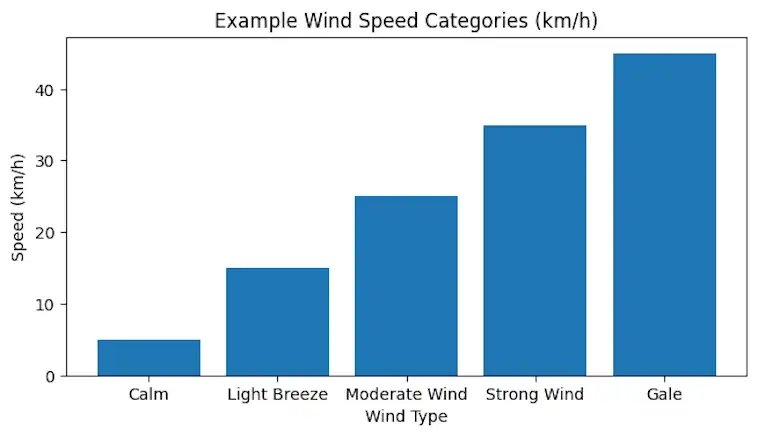
This chart gives a quick snapshot of how wind speeds are grouped. It also helps put everyday weather reports into perspective.
In short, measuring wind is a mix of simple tools and smart technology. As weather tracking continues to improve, we can expect even more accurate forecasts. And that means better planning, safer travel, and smarter energy use in the future.
Wind Gusts Explained: What the Numbers Tell You
If you’ve ever checked the weather and seen “wind gusts” listed, you might have wondered what those numbers really mean. After all, they often look higher—and sometimes more dramatic—than the regular wind speed. So, what’s going on?
In simple terms, wind gusts are short bursts of stronger wind that come and go quickly. They can last just a few seconds, but they often have a bigger impact than steady wind. That’s why they matter, especially if you’re planning to travel, exercise outdoors, or even just take a walk.
Understanding gusts helps you read weather forecasts with more confidence. It also gives you a clearer sense of what conditions will actually feel like outside—not just what the average numbers suggest.
Why Wind Gusts Matter More Than You Think
While average wind speed tells you the general conditions, gusts reveal the peaks. In other words, they show the strongest moments of wind you might experience.
This matters because those sudden spikes can affect safety and comfort in real ways.
How to Read Wind Gust Numbers in Forecasts
When you see a forecast like “15 mph winds, gusts up to 30 mph,” it means the wind is usually around 15 mph, but it can briefly jump to 30 mph. That jump is what you need to pay attention to.
Here’s what those gust numbers can tell you:
- Higher gusts mean more sudden force Even if the average wind feels mild, strong gusts can catch you off guard.
- Impact driving conditions Sudden gusts can push vehicles, especially on open roads or bridges.
- Affect outdoor plans Activities like cycling, hiking, or picnics become less predictable with strong gusts.
- Signal changing weather Gusty winds often happen before or during weather shifts, like storms or cold fronts.
- Influence perceived temperature Strong gusts can make it feel colder than the actual temperature.
So, next time you check the forecast, don’t just glance at the wind speed. Look at the gusts too. They often tell the more important story—and help you prepare for what the weather will really feel like.
When Strong Gusts Become Dangerous
Strong winds can feel refreshing at first. However, there is a point where a simple breeze turns into a real threat. Understanding that shift matters. It helps you stay safe and make better choices when the weather changes.
At lower speeds, wind is mostly harmless. It might move leaves or sway branches. Yet, as gusts build, the impact grows fast. For example, loose objects can become airborne. Tree limbs may snap. In some cases, power lines can fall. That is when risk moves from mild to serious.
So, when do strong gusts become dangerous? In simple terms, once winds pass around 40 mph, they begin to cause damage. At this stage, walking becomes harder. Driving also feels less stable. Then, beyond 60 mph, conditions can turn severe. Structural damage becomes more likely. Travel can become unsafe. Therefore, knowing these thresholds helps you act early.
How Wind Speed Changes the Level of Risk
Wind speed is not just a number. It directly affects how much damage can occur. As speeds rise, the risks increase in a clear pattern.
For instance, moderate winds may only disrupt outdoor plans. On the other hand, strong gusts can damage roofs, fences, and vehicles. As a result, small changes in speed can lead to big differences in impact.
Why Small Increases in Wind Speed Matter
Even a jump of 10 to 20 mph can change everything. That is because wind force grows quickly, not gradually. In other words, each increase adds more pressure on structures and people.
Because of this, it is smart to stay alert during windy conditions. Check forecasts often. Secure outdoor items early. Most importantly, avoid unnecessary travel when warnings are issued.
To help you visualize how risk rises with wind speed, take a look at this simple chart:
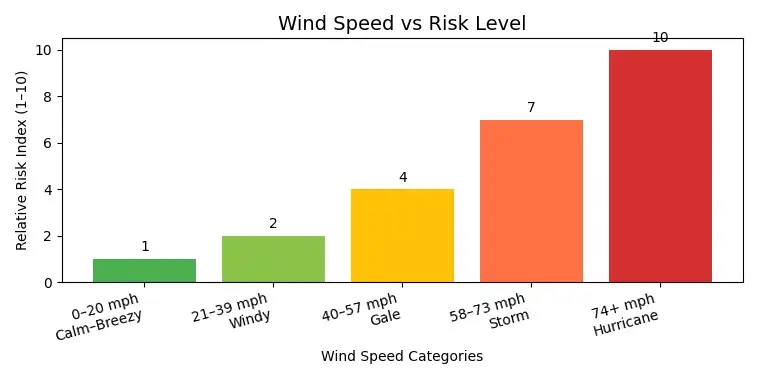
This visual makes one thing clear. As wind speeds climb, the level of danger rises sharply. Therefore, paying attention to wind forecasts is not just helpful. It is essential for staying safe now and in the future.
How to Prepare for Sudden Changes in Wind
Wind can change fast. One moment it feels calm, and the next it shifts direction or speed without warning. This can catch anyone off guard, whether you are walking, sailing, cycling, or working outdoors. So, learning how to prepare makes a real difference.
First of all, awareness is key. If you understand the signs of changing wind, you can react early instead of scrambling later. For example, watch how trees move or how clouds shift across the sky. These small clues often signal a bigger change coming.
At the same time, having a simple plan helps you stay calm. Sudden wind is not always dangerous, but it can become risky if you are unprepared. Therefore, taking a few basic steps ahead of time will keep you safe and confident.
Know the Early Warning Signs
Before the wind picks up, nature often gives hints. You might notice a drop in temperature or a sudden stillness in the air. Then, leaves may start to rustle more quickly, or clouds may move faster than usual.
In addition, pay attention to weather forecasts. Even a short check on your phone can give you useful insight. If strong gusts are expected, you can adjust your plans early.
Build a Simple Response Plan
Once you spot the signs, the next step is knowing what to do. Start by securing loose items around you. For example, tie down equipment or move lightweight objects indoors if possible.
Next, think about your position. If you are outside, move away from tall trees or unstable structures. Meanwhile, if you are cycling or driving, slow down and keep a firm grip or steady control.
Finally, practice staying calm. Sudden wind can feel intense, but quick, clear decisions matter more than panic. Over time, this mindset will become second nature.
By preparing in advance, you turn an unpredictable situation into something manageable. And more importantly, you stay one step ahead when conditions change.
Conclusion: What Wind Gusts Really Tell Us
Wind gusts may seem like brief, random bursts of stronger wind. However, they reveal much more about the weather around us. In simple terms, a gust is a short spike in wind speed. Yet behind that quick change is a mix of pressure shifts, terrain effects, and atmospheric movement.
So, why does this matter? First, gusts can signal changing weather conditions. For example, sudden strong gusts may point to an approaching storm or a passing weather front. In addition, they can affect daily life more than steady winds. Drivers, cyclists, and even pedestrians often feel the impact of gusts the most.
Looking ahead, wind patterns are becoming more important to track. As climate patterns shift, gust behavior may also change. This could affect travel safety, building design, and energy planning, especially for wind power.
In the end, understanding wind gusts helps you stay informed and prepared. Next time you feel that sudden rush of wind, you will know it is not random. It is a small but meaningful sign of what is happening in the atmosphere around you.