

What Climate Change Means for Future Generations
The World We Leave Behind: What Climate Change Means for Future Generations
Climate change is no longer a distant warning or a problem for another time. It is shaping the world right now, and its effects will reach far beyond our own lives. From rising temperatures and stronger storms to food pressures and changing coastlines, the choices made today will help decide the kind of future the next generation inherits.
For children growing up now, climate change will influence where they live, how they work, what they eat, and how safe and stable their communities feel. Yet this is not only a story about risk. It is also a story about responsibility, resilience, and the chance to build a cleaner, smarter, and more secure world. Understanding what climate change means for future generations is the first step toward creating a future that is not defined by crisis, but by action and hope.
What You’ll Discover
How Today’s Choices Will Shape Tomorrow’s World
The Long-Term Impact of a Warming Planet on Our Children
Why Future Generations Will Face the Biggest Climate Risks
From Rising Seas to Food Security: What Lies Ahead
Building a Safer, Smarter Future in a Changing Climate
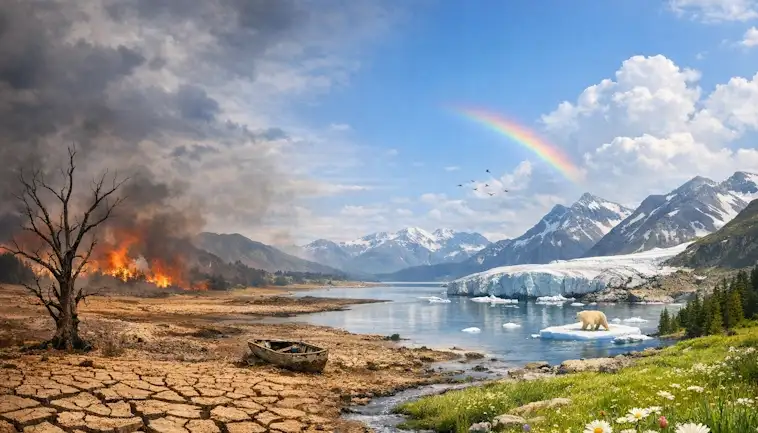
How Today’s Choices Will Shape Tomorrow’s World
The future does not arrive all at once. Instead, it grows out of the small choices we make each day. What we buy, how we travel, the way we use energy, and even how we treat other people all leave a mark. That is why today matters so much. The habits we build now can shape the kind of world we live in later.
Right now, it is easy to think of the future as something far away. However, the truth is much simpler. Tomorrow is being built in real time. Every decision, big or small, helps move us in one direction or another. Some choices lead to stronger communities, cleaner cities, and better opportunities. Others can create more waste, more stress, and bigger problems for the next generation.
Small Actions Create Big Change
Many people feel that one person cannot do much. Yet real change often starts small. Choosing to waste less food, support local businesses, recycle more, or walk instead of drive may seem minor at first. Still, when millions of people make similar choices, the impact grows fast.
In the same way, businesses and governments respond to what people value. When consumers choose sustainable products, brands take notice. When communities ask for greener spaces, leaders pay attention. Step by step, everyday actions can help shape larger systems.
The Choices We Make Reflect Our Values
What we choose today says a lot about what we care about. For example, when we invest in education, health, and clean energy, we are saying that long-term progress matters. We are also saying that future generations deserve a fair chance.
On the other hand, quick fixes often come with hidden costs. They may save time or money now, but they can create bigger problems later. So, it helps to pause and ask a simple question: will this choice still feel right in five, ten, or twenty years?
Technology, Climate, and Community Matter More Than Ever
We are living through a time of fast change. Technology is moving quickly. Climate concerns are growing. At the same time, communities are being reshaped by new ideas, new jobs, and new ways of living. Because of this, the choices we make today carry even more weight.
For instance, how we use technology can either support well-being or increase distraction. Likewise, how we respond to climate challenges can either protect the planet or add to the pressure. The good news is that smart, thoughtful choices can still lead us toward a better future.
Building a Better Tomorrow Starts Now
The world of tomorrow will not be shaped by chance alone. It will be shaped by intention. That means each of us has a role to play. We do not need to be perfect. We simply need to be aware, consistent, and willing to make better choices over time.
After all, the future starts today. And what we do now will echo far beyond this moment.
The Long-Term Impact of a Warming Planet on Our Children
Climate change can sometimes feel distant. Yet, for our children, it is deeply personal. In fact, the choices we make today will shape the world they grow up in tomorrow.
Right now, many families are already seeing the signs. Summers are getting hotter. Storms are becoming more intense. Meanwhile, floods, droughts, and wildfires are affecting more communities each year. These changes are not only harming nature. They are also changing childhood itself.
A Childhood Shaped by Climate Stress
Children are more vulnerable to extreme heat, polluted air, and poor water quality. As a result, a warming planet can affect their health from an early age. For example, hotter weather can raise the risk of dehydration and breathing problems. In the same way, longer allergy seasons and smoke from wildfires can make asthma worse.
However, the impact goes beyond physical health. Many young people are also carrying a growing emotional burden. They hear about climate change at school, online, and at home. Over time, this can lead to fear, stress, and uncertainty about the future.
Education, Safety, and Everyday Life
Climate change can also disrupt the building blocks of a stable childhood. When schools close because of floods, heatwaves, or storms, learning suffers. When families face rising food and energy costs, daily life becomes harder. In some places, children may even be forced to move because their homes or communities are no longer safe.
Therefore, this is not only an environmental issue. It is also a family issue, a health issue, and a future issue.
Why Today’s Action Matters Most
The good news is that the future is not fixed. Every step to cut emissions, protect nature, and build stronger communities can make a real difference. In other words, acting now gives our children a better chance at a safer, healthier, and more hopeful future.
That is why this conversation matters so much. We are not only talking about the planet. We are talking about the world our children will one day call home.
Why Future Generations Will Face the Biggest Climate Risks
Climate change is not only a problem for today. It is also a growing threat for tomorrow. In fact, the people who will feel its harshest effects are often the ones with the least power to stop it right now: children, young people, and those not yet born. That is what makes this issue so urgent.
At the moment, many communities are already dealing with heatwaves, floods, droughts, and rising food prices. Yet these problems are likely to get worse over time. As temperatures keep rising, future generations will inherit a world with more pressure on natural systems, public health, and daily life. In other words, the climate risks we see today may only be the beginning.
The Crisis Builds Over Time
One of the hardest truths about climate change is that it grows over decades. Carbon emissions stay in the atmosphere for a long time. Because of that, today’s pollution can shape weather patterns and living conditions far into the future.
This means future generations may live with stronger storms, longer wildfire seasons, and more frequent crop failures. Even worse, some climate damage may be difficult, or even impossible, to reverse. For example, melting glaciers, rising seas, and biodiversity loss can leave lasting scars on the planet.
So while older generations may experience the early stages of climate change, younger generations could face its full force.
Young People Will Carry the Longest Burden
Children born today are likely to live through many more climate-related disasters than their grandparents did. They may grow up in a world where extreme heat limits outdoor life, where water is less reliable, and where insurance, housing, and food all cost more because of climate shocks.
At the same time, the emotional burden is growing too. Many young people already feel anxiety about the future. They are being asked to prepare for careers, raise families, and build stable lives in a world that feels less predictable each year.
That is why climate change is not just an environmental issue. It is also a social, economic, and mental health issue.
Inequality Will Make the Risks Even Worse
Not every future generation will face climate risks in the same way. Some people will have more resources, stronger infrastructure, and better access to healthcare. Others will not. As a result, poorer communities are likely to suffer first and recover more slowly.
This gap matters. Climate change can widen existing inequalities, both within countries and across the world. For many families, the next generation may face:
- More dangerous heat in cities
- Higher food and energy costs
- Greater risk of flooding and displacement
- Increased pressure on health services
- Loss of wildlife and green spaces
- More climate migration and social instability
So the biggest climate risks will not only be about weather. They will also be about fairness, safety, and opportunity.
What We Do Now Still Matters
The future is not fixed. That is the good news. The choices made today can still reduce harm later. Cleaner energy, better housing, stronger transport systems, and smarter farming can all make a real difference.
Just as importantly, protecting future generations starts with thinking long term. It means asking not only what is easy now, but also what is responsible for the years ahead.
In the end, climate change is a story about legacy. The question is simple: what kind of world are we leaving behind? The answer will shape the lives of future generations more than almost anything else.
From Rising Seas to Food Security: What Lies Ahead
Climate change can feel huge and hard to grasp. Yet, in daily life, its effects are becoming easier to see. Rising seas are edging closer to homes and roads. At the same time, heat, drought, and floods are putting pressure on farms and food supplies. These are not separate problems. In fact, they are deeply linked.
As sea levels rise, coastal land faces more damage from erosion and saltwater. This matters because many of the world’s busiest cities, ports, and farming areas sit near the coast. So, when seawater moves inland, it can harm crops, reduce fresh water supplies, and disrupt transport. As a result, getting food from farm to table becomes harder and more expensive.
Why Rising Seas Matter Beyond the Coast
It is easy to think sea level rise is only a coastal issue. However, the impact reaches much further. Ports handle a large share of global food trade. If flooding damages roads, storage sites, or shipping hubs, supply chains can slow down fast. In turn, this can lead to higher food prices and shortages in places far from the sea.
The Growing Pressure on Food Security
Food security means people have reliable access to safe, affordable, and nutritious food. Today, that goal is under strain. Longer heatwaves can reduce crop yields. Unpredictable rainfall can ruin planting seasons. Meanwhile, saltwater intrusion can make fertile land less productive over time. Together, these pressures create a tougher future for farmers and consumers alike.
What Lies Ahead
The road ahead will depend on the choices made now. Smarter farming methods, stronger coastal defenses, and better water management can all help. In addition, more resilient supply chains will be vital. The challenge is serious. Still, there is room for action. By planning early and thinking long term, communities can protect both livelihoods and food supplies in a changing world.
Building a Safer, Smarter Future in a Changing Climate
Climate change is shaping how we live, build, travel, and plan for the future. That is why the idea of a safer, smarter future matters so much right now. It is not only about cutting emissions. It is also about creating communities that can handle heat, floods, storms, and rising costs. In other words, we need places that are both resilient and practical.
The good news is that progress is possible. Around the world, cities, businesses, and local communities are starting to rethink old systems. They are investing in cleaner energy, stronger infrastructure, and better ways to protect people. As a result, the future does not have to be defined only by risk. It can also be shaped by smart choices, fresh ideas, and long-term planning.
Smarter Cities Start With Better Design
A safer future begins with how we design the places around us. Roads, homes, schools, and public spaces all need to work in a warmer and less predictable climate. For example, greener streets can help cool urban areas during heatwaves. Better drainage systems can reduce the risk of flash floods. At the same time, stronger building standards can protect homes from extreme weather.
These steps may sound simple. However, together they can make daily life safer and more comfortable. They can also lower repair costs over time, which is a major benefit for families and local governments alike.
Clean Energy Plays a Bigger Role
At the same time, smarter energy systems are a key part of climate resilience. Solar panels, wind power, battery storage, and modern power grids can all help reduce dependence on fossil fuels. More importantly, they can make energy supplies more reliable when demand rises or disasters strike.
This shift also creates new opportunities. It can support jobs, boost innovation, and help households save money through better efficiency. So, building a smarter future is not just about avoiding harm. It is also about improving everyday life.
Communities Need to Be Ready
Technology alone will not solve everything. People and communities need support, too. Early warning systems, local emergency plans, and public awareness can make a real difference when extreme weather hits. In addition, fair planning matters. The most vulnerable groups are often the hardest hit, so resilience efforts need to include everyone.
Looking Ahead With Purpose
The path forward will require action, investment, and patience. Still, it is worth it. A safer, smarter future means building places that can adapt, recover, and thrive. And while the climate challenge is serious, it also gives us a chance to build better than before.
Conclusion: The Future Is Still Being Written
Climate change will shape the world that future generations inherit. It will affect where people live, how they grow food, and how they stay safe and healthy. In many ways, that future is already taking shape.
However, this story is not finished.
The choices we make now will help decide how severe the damage becomes and how well future generations can adapt. Cleaner energy, smarter cities, stronger communities, and better protection for nature can all make a real difference. While the risks are serious, there is still time to reduce harm and build a more stable future.
Above all, climate change is not only an environmental issue. It is also a human one. It is about fairness, responsibility, and the kind of world we want to leave behind. Future generations may not have a voice in today’s decisions, but they will live with the results.
That is why action today matters so much. What we do now can either deepen the crisis or create hope. The future is still being written, and this generation holds the pen.