

What Are the Main Causes of Glacial Melting?
Glacial melting is a critical issue our planet faces today. Glaciers, the large masses of ice found in polar regions and high mountains, are melting faster than in the past. This change is largely due to global warming. As temperatures rise, glaciers lose their ice at an accelerated rate. But what exactly drives this process? In addition to warming temperatures, other factors like ocean heat and pollutants also play a role. Understanding these causes helps us grasp the larger picture of climate change and its impacts on our environment. Let’s take a closer look at why our glaciers are disappearing.
What Are the Main Causes of Glacial Melting?
What You’ll Discover
Increased Air Temperatures and Glacial Melting
Global Warming and Rising Ocean Temperatures
Changes in Precipitation Patterns
Glacial Melting and Albedo Effect Reduction
Pollution Leading to Black Carbon Deposition
Iceberg Calving and Warmer Temperatures
Geothermal Heat Impacts Glacial Melting
Glaciers and Ocean Current Changes
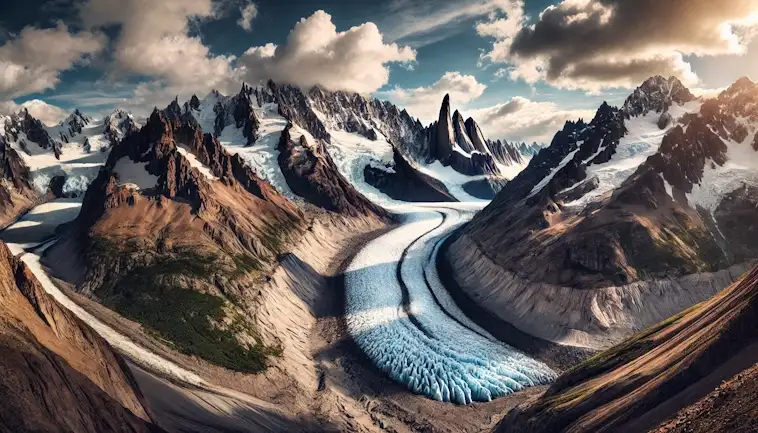
Increased Air Temperatures and Glacial Melting
Global warming is a pressing issue that’s affecting our planet in profound ways. Primarily driven by an increase in greenhouse gases like carbon dioxide and methane, this phenomenon leads to a rise in air temperatures worldwide. It’s vital to understand how these gases contribute to global warming and the specific impacts on different regions, especially the polar and glacial areas.
How Greenhouse Gases Warm the Earth
Greenhouse gases trap heat in the atmosphere, which leads to higher temperatures across the globe. Here’s a simple breakdown:
- Carbon dioxide (CO₂): Released through activities like burning fossil fuels and deforestation.
- Methane (CH₄): Emitted during the production and transport of coal, oil, and natural gas, and also from livestock and other agricultural practices.
These gases are effective at absorbing solar energy, keeping the heat close to the Earth’s surface and preventing it from escaping back into space.
The Impact on Polar and Glacial Regions
The effects of global warming are particularly significant in polar and glacial regions. Here’s why:
- Temperature sensitivity: These areas are highly sensitive to changes in temperature. Even a slight rise can have large effects.
- Melting glaciers: As the air temperature increases, it thins and melts glaciers from the top down. This accelerates the overall melting process.
Consequences of Melting Glaciers
The melting of glaciers due to rising temperatures has several serious consequences:
- Sea level rise: Melting ice contributes to higher sea levels, which can lead to flooding of coastal areas and islands.
- Loss of habitat: Species that depend on ice-covered regions, like polar bears and seals, are losing their habitats.
- Changes in water supply: Glaciers are a crucial source of fresh water for many regions. Their loss affects water availability.
By taking action, we can help mitigate the impacts on our planet, particularly in the most vulnerable regions like the polar and glacial areas. Reducing our carbon footprint and supporting sustainable practices are critical steps in combating this global challenge.
Global Warming and Rising Ocean Temperatures
Oceans play a crucial role in regulating the Earth’s climate. They absorb most of the excess heat generated by global warming.
Heat Absorption by Oceans
The oceans absorb about 90% of the excess heat from global warming. This heat comes from greenhouse gases like carbon dioxide and methane, which trap heat in the atmosphere. As sunlight penetrates the ocean, it warms the water, making the surface layer hotter over time. This heat is not just confined to the surface; it can mix down to deeper parts of the ocean, affecting marine life and oceanic currents.
Effects on Glaciers
As the ocean warms, it has a direct impact on the polar ice caps and glaciers. Here are the key points:
- Underwater Melting: Glaciers that extend into the oceans are particularly vulnerable. The warm water erodes the glaciers from below, which is often not visible from above. This underwater melting is significant because it directly affects the stability of the glaciers.
- Increased Calving: The term “calving” refers to chunks of ice breaking off from the edge of a glacier. As the base of a glacier melts, it can destabilise the entire structure, leading to increased calving. This process contributes to rising sea levels.
- Rapid Disintegration: The combination of melting from above and below can lead to the rapid disintegration of glaciers. This not only raises sea levels but also alters freshwater supplies and disrupts the natural habitat of many species dependent on ice-covered regions.
The oceans’ role as a heat sink moderates global temperatures but also poses significant challenges for marine and coastal ecosystems. This balance is delicate and requires careful monitoring and intervention to mitigate the most severe effects of global warming.
Changes in Precipitation Patterns
Glaciers are massive, slow-moving rivers of ice that form over many years. They start out as snowfall. Over time, the snow gets packed down and turns into ice. This process helps glaciers grow and maintain their size.
The Impact of Climate Change on Snowfall
In recent years, changes in the climate have altered how and where snow falls. Here’s what’s been happening:
- Shifts in Precipitation: As the global climate warms, some areas that used to get a lot of snow are seeing less of it. Instead, these areas might get rain.
- Warmer Temperatures: Warmer global temperatures mean that even when it snows, the snow might not stick around as long. It can melt faster than before.
Rain vs. Snow on Glaciers
Rain has a different impact on glaciers than snow does. Here are a few key points:
- Immediate Effects: Rain is warmer than snow. When rain falls on a glacier, it can lead to faster surface melting. This can happen right away, rather than over a longer period like with snow.
- Reduced Ice Formation: Since less snow is falling and more rain is coming down, there’s less chance for new ice to form. Glaciers rely on new layers of ice to stay big and healthy.
Long-Term Impacts on Glaciers
Over time, these changes can really add up. Here’s what might happen:
- Glacier Shrinkage: With more rain and less snow, glaciers might not get enough new ice. This can cause them to shrink.
- Rising Sea Levels: When glaciers melt, they add water to the oceans. This can lead to higher sea levels around the world.
Glaciers are important for our planet. They help regulate sea levels and even affect climate patterns. Understanding how snowfall, rain, and temperatures interact with glaciers helps us see just how sensitive these ice giants are to climate change. It’s crucial to keep an eye on these changes so we can better prepare for the future.
Glacial Melting and Albedo Effect Reduction
The albedo effect is a critical concept in understanding Earth’s climate system. It refers to the ability of surfaces to reflect sunlight back into space. Bright surfaces like snow and ice have high albedo, meaning they are very good at reflecting solar energy. This reflection helps keep the planet cooler. However, as these surfaces change, so does their impact on our climate.
How Albedo Works
- High Albedo Surfaces: Snow and ice reflect up to 90% of sunlight.
- Low Albedo Surfaces: Darker surfaces like rock or ocean water absorb more sunlight, reflecting only 10-15%.
The Impact of Melting Glaciers
Glaciers and ice sheets are massive and bright, playing a significant role in reflecting sunlight. As global temperatures rise, glaciers begin to melt and recede. This melting process reveals darker surfaces beneath, such as dense ice and rocks, which have a much lower albedo compared to fresh snow.
Consequences of Reduced Albedo
- Increased Absorption of Solar Energy: Darker surfaces absorb more solar energy, which raises local temperatures.
- Accelerated Melting: As temperatures increase, the melting process speeds up, further reducing the area covered by high-albedo snow and ice.
- Feedback Loop: This cycle is a positive feedback loop, where warming leads to more melting, which in turn leads to more warming.
This feedback effect is particularly noticeable in polar regions but affects the entire global climate system. The decrease in albedo not only accelerates local melting but also contributes to global warming. As these bright surfaces shrink, Earth’s ability to reflect solar radiation diminishes, compounding the warming trend.
Pollution Leading to Black Carbon Deposition
Black carbon, commonly known as soot, is a fine particulate matter that arises from both industrial pollution and wildfires. It has a significant impact on our environment, particularly on glaciers, which are already vulnerable due to global warming.
How Black Carbon Travels to Glaciers
Soot particles are extremely light and can be lifted by winds over long distances. As a result, they don’t just stay close to their sources; they travel across continents and oceans. Whether originating from urban factories or massive forest fires, these particles eventually find their way to colder regions, settling on glaciers far from their emission sources.
The Effects of Black Carbon on Glacial Melting
Once deposited on glaciers, black carbon has a pronounced effect:
- Increased Absorption of Solar Energy: Glaciers are naturally reflective, bouncing back most of the sun’s rays, which helps to keep them relatively cool. However, when soot, which is dark in colour, settles on the ice, it reduces this reflectivity.
- Accelerated Melting: By absorbing more solar energy, the dark particles increase the surface temperature of the ice. This heat speeds up the melting of glaciers, much more than if only clean ice were present.
This process is not just a minor concern; it significantly accelerates the reduction of glacier volumes, which contributes to rising sea levels and altered freshwater supplies downstream. These changes can lead to severe consequences for wildlife and human populations alike.
Broader Implications
- Rising Sea Levels: As glaciers melt faster, sea levels across the globe rise, increasing the risk of flooding in coastal communities.
- Changes in Freshwater: Many rivers are fed by meltwater from glaciers. As these ice masses diminish, the rivers’ flow patterns and volumes change, impacting water availability for millions of people.
The movement and impact of black carbon are critical components of ongoing climate change discussions. Understanding and mitigating the release of soot can help manage and potentially reduce its far-reaching effects on global ice masses and climate.
Iceberg Calving and Warmer Temperatures
Iceberg calving is the natural process where large chunks of ice break off from the edges of glaciers. This happens because glaciers are always moving, flowing slowly under their own weight, toward oceans or lakes. When the edge of a glacier reaches over water, huge pieces can snap off and fall into the sea. This dramatic event can be awe-inspiring and is a key part of a glacier’s life cycle.
The Impact of Warmer Temperatures
While calving is a normal process, things have started to change because of warmer global temperatures. Here’s what’s happening:
- Warmer Air and Water: Both the air and the ocean are warmer now. This warmth doesn’t just melt the ice; it also makes the ice structure less stable. When ice is less stable, chunks are more likely to break away.
- Faster Calving: The warming doesn’t only make glaciers melt more quickly; it also makes them calve faster. This is because as the glacier ice melts and retreats, it often becomes thinner and reaches deeper into the water, where it can break off more easily.
Indications of Faster Ice Degradation
The increase in the rate of iceberg calving is a concern because it points to faster overall ice degradation. Here are some key points to understand:
- Loss of Ice Mass: When parts of a glacier break off faster than they can be replenished by new snowfall, the glacier loses mass. This loss contributes to rising sea levels.
- Feedback Loops: More calving can expose more ice to warm air and water, speeding up the process even more. This creates a feedback loop that leads to even faster ice loss.
What Does This Mean for Our Planet?
The acceleration of iceberg calving has significant implications:
- Sea Level Rise: Faster calving and ice melt contribute to rising sea levels, which can threaten coastal communities and ecosystems.
- Climate Feedbacks: Changes in the amount of ice can affect global climate patterns, impacting weather worldwide.
Monitoring iceberg calving helps scientists predict future changes in sea levels and climate. It also highlights the need for actions to reduce global warming, which is driving these changes at an alarming rate.
Geothermal Heat Impacts Glacial Melting
Glacial melting is a significant concern in today’s climate scenario, primarily driven by global warming. However, another less discussed but critical factor contributing to this phenomenon is geothermal activity. In regions like Iceland and parts of Antarctica, the presence of volcanic activity and geothermal hotspots plays a notable role in accelerating the melting of glaciers. This happens as the heat from the Earth’s interior warms the base of these ice masses, enhancing their melting from underneath.
How Geothermal Heat Affects Glaciers
- Direct Heating: The Earth’s crust in geothermally active areas can transmit heat directly to the ice above. This process increases the temperature at the base of glaciers, which can lead to enhanced melting. For example, in Iceland, volcanic activity is a well-known source of geothermal heat, impacting its extensive ice caps and glaciers.
- Increased Water Flow: When glaciers melt from the bottom, the water generated lubricates the ice base, promoting faster ice flow towards the ocean. This lubrication process not only speeds up glacial movement but also contributes to increased rates of ice loss.
- Structural Weakening: Continuous warming can alter the structure of glaciers, making them more fragmented and prone to rapid melting. The structural integrity of the ice is compromised, leading to increased calving, where large chunks of ice break off.
Regional Impacts
In areas like Iceland, the interaction between ice and volcanic heat is particularly evident. Iceland sits atop a volcanic hotspot and also boasts significant ice coverage, making it an ideal natural laboratory to study these processes. Similarly, in Antarctica, particularly the West Antarctic Ice Sheet, geothermal heat sources contribute to the instability of the ice sheet. Research has shown that subglacial volcanic activity and geothermal hotspots can exacerbate the thinning of ice in these regions.
Key Points to Remember
- Regional Variability: Not all glacial areas are affected by geothermal activity. Regions without underlying volcanic activity or geothermal hotspots typically experience glacial melting driven by atmospheric and oceanic temperatures.
- Research and Monitoring: Continuous monitoring and research are crucial to understanding the full impact of geothermal heat on glaciers. Advanced technologies and satellite observations help scientists track changes in glacier dynamics influenced by geothermal activity.
- Environmental Consequences: The melting of glaciers due to geothermal heat contributes to rising sea levels, which can have profound impacts on global ecosystems and human settlements.
Understanding the role of geothermal activity in glacial melting helps in predicting future changes in sea levels and in developing strategies to mitigate these effects. It also highlights the complexity of natural processes and their interconnections impacting our planet’s climate system.
Glaciers and Ocean Current Changes
Ocean currents play a crucial role in regulating the Earth’s climate. They act like conveyor belts, moving warm and cold water around the globe. However, as the climate changes, these currents are also shifting, bringing about significant effects on our environment, especially on glaciers that reach into the sea.
Warmer Waters Meeting Ice
As ocean currents change, they often redirect warmer waters towards colder regions. This phenomenon is particularly concerning for glaciers that extend into the sea, known as tidewater glaciers. When warmer waters are directed toward these glaciers, it leads to increased melting. This is not just about the ice above the water but also the ice below that most people don’t see. Here’s why this matters:
- Increased Melting: Warm water melts ice faster than cold water. When warmer currents reach the glaciers, they accelerate the melting process, which can lead to higher rates of ice loss than previously observed.
- Rising Sea Levels: As these glaciers melt more quickly, they contribute to rising sea levels, which pose risks to coastal communities worldwide.
Disruption of Ecological Balance
The shift in ocean currents and the intrusion of warmer waters do not only affect the ice. They also disrupt the local marine ecosystems, which can have a cascade of effects:
- Altered Habitats: Many marine species depend on specific water temperatures. Warmer waters can make these habitats unsuitable for native species, leading to changes in the ecosystem composition.
- Impact on Ice Integrity: The ecological changes can further weaken the glaciers. For example, if key species that contribute to the ecosystem’s health decline, this can affect the entire food web, putting additional stress on the glaciers.
The interaction between changing ocean currents and glaciers is a complex but critical aspect of how climate change is reshaping our planet. Warmer ocean currents not only lead to direct physical melting of glaciers but also trigger ecological disruptions that can further undermine the stability and integrity of ice masses. Understanding these processes is essential to predict future changes and formulate effective conservation strategies. The health of our glaciers and oceans is deeply interconnected, and protecting these natural resources requires global effort and cooperation.
Conclusion
As we wrap up on glacial melting, it’s clear that this issue is shaped by several key factors. Human activities, like burning fossil fuels and deforestation, ramp up global temperatures, directly impacting glaciers. Additionally, natural processes such as volcanic activity can also speed up the melting. To address this, reducing our carbon footprint and supporting environmental policies are crucial steps. By understanding these causes, we can all contribute to solutions that may help preserve our planet’s majestic glaciers for future generations. Let’s not underestimate the impact we can have when we come together for our environment.