
Whale Conservation: Unique, Irresistibly Simple Ways
Whale Conservation Explained: Simple, Powerful Actions That Really Matter
Whale conservation matters more today than ever before. These ocean giants shape marine life, store carbon, and keep ecosystems in balance. Yet many whale species still face threats from ship strikes, noise, and warming seas. The good news is that progress does not always require complex solutions. Small, thoughtful actions can create real change.
Simple choices can protect whales in powerful ways. Supporting responsible seafood, reducing plastic use, and sharing clear facts all make a difference. Even everyday habits on land affect ocean health. As a result, protection efforts can fit naturally into modern life without feeling overwhelming.
Looking ahead, whale conservation is also evolving. New technology helps track migrations. Better policies are reducing risks in busy shipping lanes. Meanwhile, public awareness continues to grow. Step by step, these practical approaches show how lasting impact can come from clear, manageable actions that benefit whales and the wider planet.
Whale Conservation Made Simple: Small Daily Habits That Truly Help
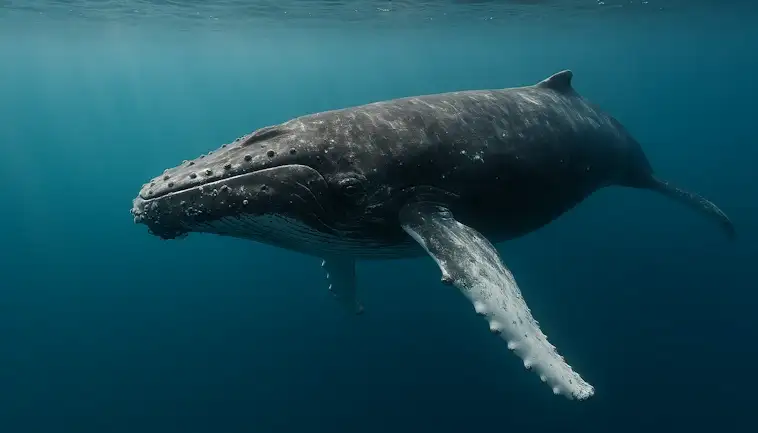
Whale conservation can feel overwhelming. After all, these are the largest animals on Earth. Yet the truth is surprisingly encouraging. Small choices we make each day ripple outward. They shape cleaner oceans, safer waters, and a better future for these giants.
Let’s walk through simple actions you can start today. They don’t require big lifestyle changes. However, they do add up. And over time, they help protect whales in real and measurable ways.
How Your Daily Choices Shape the Ocean
First, think about plastic. It’s everywhere, and much of it finds its way into the sea. When whales swallow plastic, it can block their digestion and threaten their survival. So choosing reusable bags and bottles cuts demand for single-use plastics. It also reduces the amount of trash that reaches marine habitats.
Another small habit is checking labels on seafood. Sustainable seafood programs help you pick fish caught in ways that don’t harm whales. These choices support fishing practices that reduce entanglement, collisions, and noise disruption.
You can also help by lowering noise pollution from your own activities. If you enjoy boating or jet skiing, slow down in areas known for whale sightings. This protects whales from vessel strikes and lets them move more safely through their feeding and breeding grounds.
Even your digital habits matter. When you share credible information about whale conservation, you raise awareness. This encourages others to make better choices too. Over time, that awareness fuels stronger policies and healthier oceans.
As you can see, small steps work. And when more people take them, whales have a real chance to thrive. The oceans feel more alive. And future generations will be able to witness the magic of whales in the wild.
How Everyday Choices Protect the Ocean’s Gentle Giants
When we think about whales, dolphins, and other ocean giants, it’s easy to imagine them far away from our daily lives. Yet the truth is surprisingly simple: the choices we make at home ripple out into the sea. And they matter more than most of us realize.
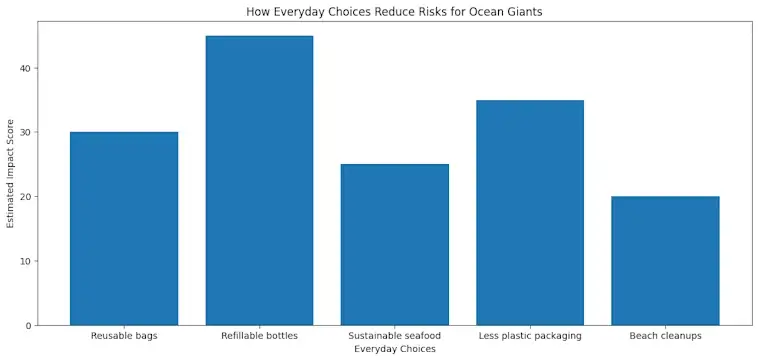
Every day, these animals face threats from plastic waste, polluted waters, and declining food sources. But the good news is that our small, consistent actions can help turn the tide. When you switch to reusable bags or pick products with less plastic, the impact adds up. And when millions of people do the same, it becomes a powerful force for change.
As we look ahead, it’s clear that the future of ocean health will depend on how we act right now. So this is about encouragement, not guilt. It’s about taking steps that feel manageable and meaningful. And as you’ll see in the chart below, even simple shifts—like using a refillable bottle or choosing sustainable seafood—can directly reduce risks for these gentle giants.
Because protecting the ocean isn’t only for scientists or activists. It’s something all of us can do, one choice at a time.
Whale Conservation in Action: Creative Ways Anyone Can Get Involved
Whale conservation can feel big and distant. Yet it becomes more real the moment you learn that simple actions at home can help protect these giants of the ocean. Today, more people want to support marine life but are not sure where to begin. So let’s walk through clear, practical ways to make a difference. You do not need special skills. Just a curiosity and a willingness to take small steps.
Whales face rising threats. Noise pollution, warming seas, and shifting food chains put pressure on them every day. But our choices matter. When we take action together, we help build safer oceans and healthier ecosystems. And as we understand their struggles, we become stronger advocates for the sea.
There are many easy ways to support whale conservation. Some are hands-on. Others fit into your daily routine. Either way, these actions help protect whales now and for years to come.
Here are a few simple ideas to get started with whale conservation:
- Support organizations that protect marine habitats
- Reduce single-use plastics at home
- Share trusted information about whale conservation with friends
- Choose eco-friendly travel and boating options
- Volunteer for coastal cleanups when possible
Each of these steps strengthens the safety net around whales. Even small shifts create long-term impact, especially when many people join in. And as awareness grows, so does public pressure for stronger ocean protections.
Whale conservation is not just about saving a species. It is about imagining a future where oceans thrive, communities learn from nature, and every person feels connected to something larger than themselves. When you take action, you become part of that future.
Why Local Communities Hold the Key to Saving Our Whales
When we talk about saving whales, we often picture large international agreements or high-tech research vessels out at sea. Yet the real power sits much closer to home. Local communities are quietly becoming one of the strongest forces in whale conservation. And as you’ll see, their impact is growing year after year.
That matters because whales face more pressure than ever. Rising ocean noise, warming waters, tangled fishing gear, and plastic pollution all take a toll. But communities along our coastlines are stepping up. They monitor shorelines. Report strandings. And they support rescue teams. They even reshape local laws to protect feeding and breeding areas.
This grassroots momentum changes everything. It builds trust. Moves faster than national policy. And it brings more eyes to the water, every single day. When everyday people get involved, solutions feel within reach.
As you think about the future of our oceans, it is worth remembering this: large-scale change often starts in small local moments. A neighbor attending a beach clean-up. Even a school launching a citizen-science project. Or a harbor community pushing for cleaner waters. When these efforts multiply, whales benefit in real and measurable ways.
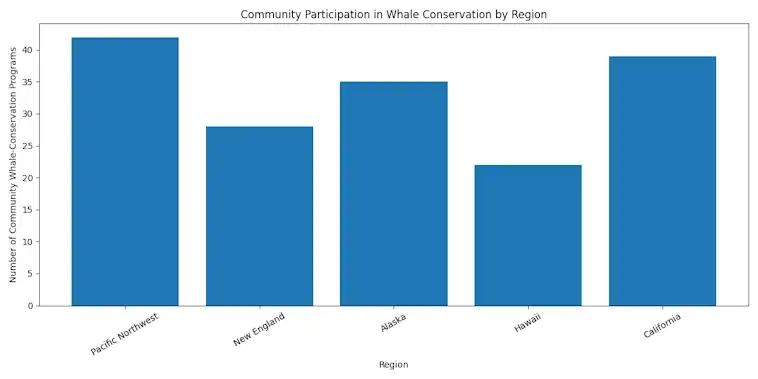
To show how active communities are becoming, here is a chart that highlights the number of whale-conservation programs by region. It is a simple snapshot, but it underscores a bigger truth: saving whales is a team effort, and local communities are leading the charge.
Future-Ready Ocean Care: Practical Steps to Support Marine Life
Our oceans are changing fast. Warmer waters, plastic waste, and noise pollution are putting pressure on marine life. The good news is this. Everyday choices still matter. Small actions, taken together, can protect ocean health now and into the future.
This is not about doing everything at once. It is about doing something today. Then building from there.
Start with what you use. Single-use plastics are one of the biggest threats to sea life. Reusable bottles, bags, and food containers reduce waste at the source. Less plastic used on land means less plastic reaching the ocean.
Next, think about what goes down the drain. Household chemicals and microplastics travel through waterways. Choose eco-friendly cleaning products. Use laundry filters that trap microfibers. These steps help keep water cleaner for fish, coral, and plankton.
Food choices also play a role. Sustainable seafood supports healthier fish populations. When demand shifts, fishing practices improve. Over time, this helps entire ecosystems recover.
Community action matters too. Beach cleanups, local conservation groups, and school programs create lasting change. They also build awareness. And awareness drives better decisions.
Whale Conservation and Why It Matters More Than Ever
Whales are more than majestic animals. They are ecosystem engineers. By moving nutrients through the ocean, they support plankton growth and healthy food chains. Protecting whales also helps fight climate change, because plankton absorb large amounts of carbon.
Simple actions support whale conservation. Slowing ships in known migration routes reduces deadly collisions. Reducing ocean noise protects whale communication. Supporting science-based conservation groups amplifies these efforts.
If you want to go deeper, the World Wildlife Fund offers clear guidance on protecting marine ecosystems and endangered species. Their marine conservation work is a strong place to learn and take action.
Looking ahead, technology and policy will play a bigger role. Cleaner shipping fuels, smarter fishing gear, and better ocean monitoring are already emerging. Still, progress depends on public support.
Ocean care is not a distant issue. It affects food, weather, and coastal communities. By acting now, we help marine life adapt and thrive. And in doing so, we protect a future where oceans remain full of life.
Why Whale Conservation Matters More Than Ever
Whale conservation is not just an environmental cause. It is a reminder that simple choices can create real change. As we look ahead, it becomes clear that protecting whales protects far more than a single species. It safeguards ocean health, supports coastal communities, and strengthens the natural balance we all rely on.
When you take even small steps—like choosing sustainable seafood, supporting reputable marine groups, or sharing what you learn—you become part of a growing wave of action. And as that wave builds, it drives a future where these extraordinary animals can thrive.
By staying informed and speaking up, you help ensure that whale conservation remains a global priority. The path forward is surprisingly doable, and every effort counts. And the more people who understand this, the stronger and healthier our oceans will be.
If we commit today, we can shape a world where whales are not just surviving, but flourishing for generations to come.