

Wetland Recovery Spurs Remarkable Life on Our Shore Now
Wetland Recovery Brings Hope to Our Coastlines and the Species That Depend on Them
Wetland recovery is reshaping our coastline in ways that feel both hopeful and long overdue. As these areas regain their health, birds return in larger numbers, fish nurseries strengthen, and plant life pushes back with fresh energy. The change is visible even to casual observers, and each season brings new signs of a system finding its balance again.
More communities are noticing how restored wetlands calm storm impacts, filter water, and create space for wildlife to thrive. The momentum behind these projects is growing, partly because the results are hard to ignore. With every new patch of thriving marsh, the shoreline feels more resilient. And as restoration efforts scale up, the benefits are beginning to ripple far beyond the water’s edge.
There is a strong sense that we are still at the early stages of a much larger transformation. Continued care, smarter planning, and long-term thinking could turn today’s successes into tomorrow’s standard.
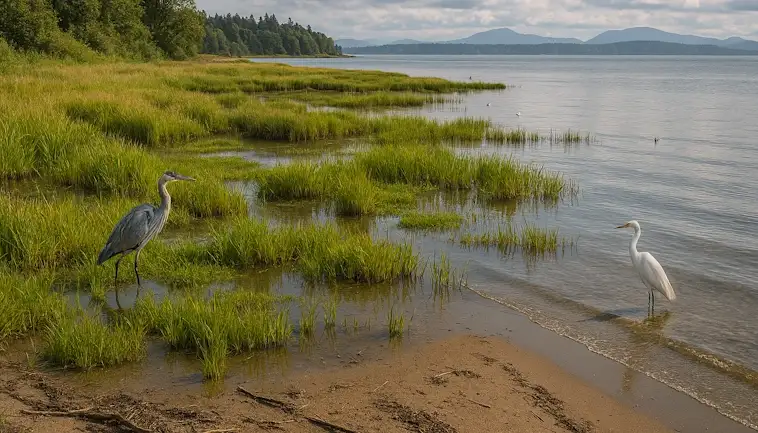
Wetland Recovery: How Revived Habitats Are Transforming Our Shoreline
Wetland recovery is changing our coasts in ways many people can feel but rarely notice. These rebuilt habitats slow rising tides, protect homes, and bring back wildlife. They also give communities a new sense of connection to the shoreline. And as more projects take shape, the results are becoming hard to ignore.
The pace of change is quickening. Scientists are finding smarter ways to rebuild damaged marshes. Local groups are planting native grasses. And coastal towns are rethinking how they use vulnerable land. Together, these efforts show that wetland recovery is not only possible but practical.
When a Marsh Comes Back to Life
When wetlands return, they do more than look green again. They act like natural shock absorbers, softening the impact of storms. And they also trap carbon in the soil. That helps slow climate change. Birds return in bigger numbers. Fish stocks improve. Even water quality rises as plants filter runoff before it reaches the sea.
These benefits ripple outward. People start walking the shoreline more. Kayakers explore new channels. Local businesses see a lift in visitor numbers. And with each year, the area becomes more resilient.
Looking ahead, wetland recovery will play a major role in how we protect our coasts. As sea levels rise, these living systems give us a flexible, nature-based defense. Whilst they grow they adapt. And they remind us that rebuilding with nature is often stronger than rebuilding against it.
If communities stay engaged and invest early, healthier coastlines are well within reach.
Why New Shoreline Life Is Surging Faster Than Expected
Shorelines around the world are changing fast. Yet what surprises many scientists is how quickly new life is moving in. As oceans warm and tides shift, fresh habitats open up. And with them comes a wave of new species that are adapting far faster than expected.
This surge is not happening in slow motion. It is happening right now. You can see it in the rise of seagrass meadows, new kelp forests, and growing shellfish beds. These changes tell a bigger story. Our coastlines are becoming more dynamic, more crowded, and in many ways, more alive.
And here’s the interesting part. Many of these species are thriving in places where they struggled before. Warmer waters, altered currents, and restored conservation zones are giving shoreline life new opportunities. As a result, we are watching a quiet transformation unfold along beaches, estuaries, and tidal flats.
This shift also raises bigger questions. How will these fast-moving changes shape our future coastlines? Which species will continue to rise, and which may fade? As we map these trends, the picture becomes clearer: shoreline life is adapting faster than our expectations.
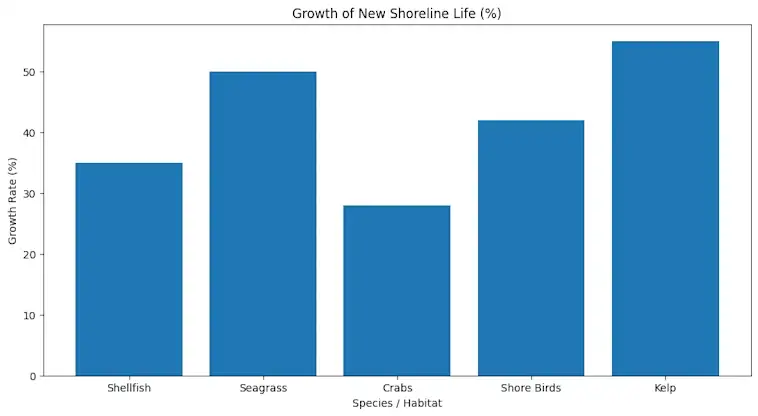
To help illustrate the pace of this growth, the chart below shows sample data for how different shoreline species and habitats are expanding.
Wetland Recovery and the Return of Species We Thought Were Gone
Wetland recovery is reshaping the way we think about damaged landscapes. These places were once written off as lost. Yet, as restoration projects take hold, something remarkable is happening. Species we assumed had vanished are stepping back into the picture. And their return is telling an inspiring story about what is possible when we give nature a chance.
As you look closer, you start to see how quickly life responds. You hear new birdsong. Spot fresh tracks in the mud. And notice plants spreading into places that were bare for years. These small signs add up. They show that wetland recovery is not just about restoring habitat. It is about rebuilding hope.
Below are a few reasons why the turnaround in wetland recovery is gaining so much attention:
- Wetland soil repairs itself faster than many scientists expected.
- Bird populations often rebound within a single breeding season.
- Restored water flow brings back fish species that disappeared decades ago.
- Native plants outcompete invasive species once water levels stabilize.
- Local communities see better flood protection and cleaner water.
As these changes unfold, more people are realizing that we can reverse deeper environmental losses than we once believed. And as species return, they remind us that ecosystems have a strong will to recover. We just need to create the conditions for them to thrive.
When we talk about wetland recovery today, we’re not just talking about fixing the past. We’re talking about shaping a future where damaged places come back stronger, richer, and more alive than we imagined.
How Restored Marshes Are Protecting Communities and Wildlife
When you look at a marsh, you might not think of it as a powerful shield. Yet these quiet, green stretches are becoming one of our most effective defenses against rising seas and stronger storms. As more communities restore damaged marshlands, we are beginning to see how much they can do. And the results are encouraging.
Restored marshes slow down storm surges. They also pull carbon from the air. Even better, they provide safe places for birds, fish, and other wildlife to return. Because of this, many towns are choosing natural restoration over built structures. And it is paying off.
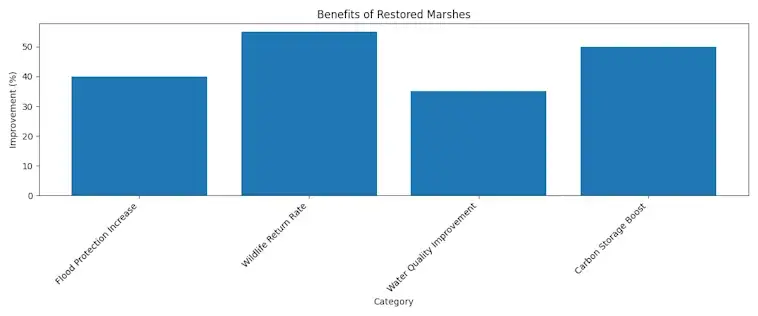
As climate risks keep growing, these marshes offer hope. They show that nature can help protect us if we let it heal. Below is a simple chart that highlights several key benefits we are seeing in restored marsh systems. It gives a quick look at how much improvement communities can expect when they invest in natural solutions.
What This Shoreline Comeback Tells Us About Nature’s Resilience
When you watch a damaged shoreline come back to life, it can feel almost magical. Plants return. Birds circle overhead again. The water begins to clear. Yet this rebound is not magic at all. It is a sign of how strongly nature wants to heal when we give it even a small chance.
And that is the real lesson here. Shorelines are tougher than they look. They can absorb shocks, adapt to stress, and rebuild themselves. But they need space, time, and a bit of help from us. As climate pressures grow, these comeback stories offer hope. They remind us that restoration is not only possible but already happening in many places.
Why Wetland Recovery Matters More Than Ever
One of the most inspiring parts of any shoreline revival is the quiet return of wetlands. These watery zones work like natural shields. They filter pollutants, slow storm surges, store carbon. And they create habitats that spark entire food webs back into motion.
When you see reeds pushing up again or hear frogs calling at dusk, you are witnessing resilience in real time. It suggests that even long-neglected areas can bounce back faster than expected. That is good news as we plan for rising seas and stronger storms. With thoughtful restoration, these landscapes can become buffers that protect coastal communities and wildlife.
For a deeper look at how wetlands support climate resilience, the U.S. Environmental Protection Agency offers a helpful overview.
As more regions invest in shoreline renewal, we will likely see even larger signs of recovery. And that gives us something rare today: a sense of momentum. Nature is showing us the path. All we have to do is follow it.
The Growing Importance of Wetland Recovery
Wetland recovery is not just a scientific project. It is a living, breathing reminder that nature can rebound when we give it space and support. As we have seen along our own shore, restored wetlands spark dramatic returns of plants, birds, fish, and countless small creatures that knit the ecosystem back together.
When we invest in wetland recovery, we create healthier coastlines, protect our communities from storms, and open the door to new opportunities for recreation and discovery. Even small restoration steps can build momentum. And as conditions continue to change, these revived landscapes will help us stay resilient.
Moving forward, the real power lies in staying engaged. Every choice we make—whether it is supporting local projects, reducing runoff, or simply learning more—helps these natural systems thrive. The recovery we are witnessing today is only the beginning. With steady commitment, we can ensure our wetlands continue to flourish and inspire for generations to come.