

Coral Bleaching Threatens Our Oceans’ Future
Coral Bleaching Is Accelerating—Can Reefs Survive?
Coral bleaching is one of the clearest signs that our oceans are under stress. As water temperatures rise and pollution increases, vibrant coral reefs are turning ghostly white—and struggling to survive. These underwater ecosystems support thousands of marine species, protect coastlines, and even help regulate the global climate. When corals bleach, the damage ripples far beyond the reef. Understanding what’s happening and why it matters is a crucial step toward protecting the future of life in the sea.
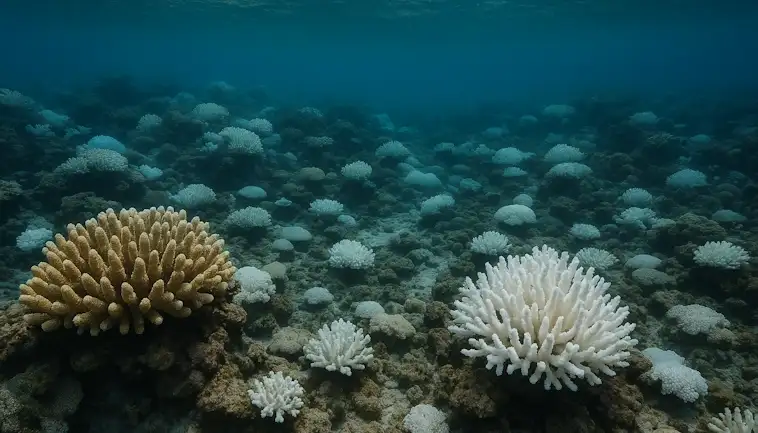
What Is Coral Bleaching and Why Should We Care?
Coral reefs are often called the “rainforests of the sea.” They’re vibrant, full of life, and home to thousands of marine species. But right now, many of them are under serious threat from a phenomenon called coral bleaching.
So, what exactly is coral bleaching? It happens when corals get stressed—usually because the water is too warm. Corals have tiny algae living inside them that give them color and food. When stressed, the corals expel these algae. Without them, the coral turns white, like it’s been bleached. This doesn’t mean the coral is dead yet, but it’s a sign that it’s in trouble.
The Ripple Effect on Our Oceans
Coral reefs aren’t just beautiful. They’re vital. They protect coastlines from erosion, provide food for millions of people, and support tourism industries worldwide. When reefs bleach and die, fish lose their homes, local economies suffer, and entire ecosystems can collapse.
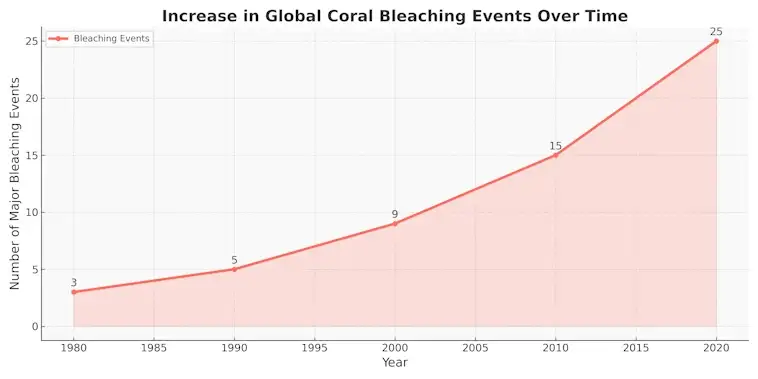
Bleaching events are becoming more frequent because of climate change. Warmer oceans, pollution, and overfishing all add to the stress corals face. Some corals can recover if conditions improve quickly. But repeated bleaching makes it harder for them to bounce back.
Why should we care? Because what happens under the sea affects us all. Healthy reefs help maintain the balance of the ocean. They’re also natural barriers that shield coastal communities from storms and rising seas. Without them, we’re more vulnerable.
The good news? We can help. Reducing carbon emissions, cutting down on pollution, and supporting reef-friendly tourism can all make a difference. The ocean has an incredible ability to heal, but only if we give it the chance.
If we protect coral reefs today, we’re protecting the future of our oceans—and ourselves.
How Coral Bleaching Impacts Marine Life and Coastal Communities
Coral reefs are more than just pretty underwater scenes. They are the backbone of countless marine ecosystems. When coral bleaching happens, it sends shockwaves through the ocean and onto our shores.
Bleaching starts when corals lose the tiny algae that give them food and color. Without them, corals turn ghostly white and struggle to survive. If conditions don’t improve, the corals die. And when they do, the effects ripple out fast.
Disappearing Homes Beneath the Waves
Many fish, crabs, and other sea creatures depend on healthy coral reefs for shelter and food. When reefs bleach, these animals lose their homes. This can cause fish populations to drop, which impacts the entire food chain. Even species that don’t live directly on the reef can suffer because their food sources shrink.
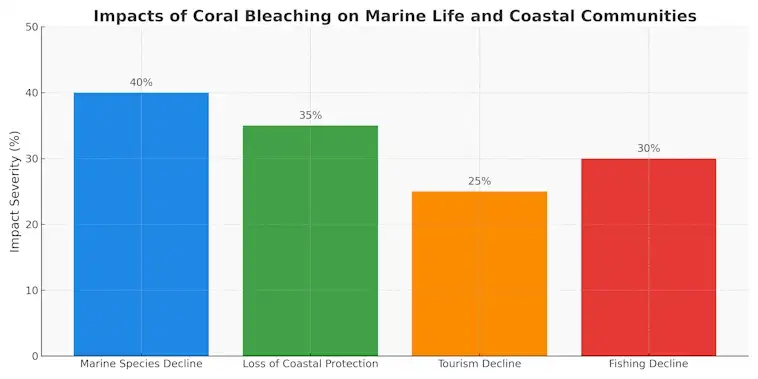
The problem doesn’t stop there. Coastal communities also feel the impact. Healthy reefs act like natural seawalls, breaking waves and reducing storm damage. Without them, shorelines are more exposed to erosion, flooding, and the force of hurricanes. This puts homes, businesses, and infrastructure at greater risk.
Reefs also fuel local economies. Fishing and tourism are lifelines for many coastal towns. When reefs die, fishing catches decline, and fewer tourists come to dive or snorkel. This means lost jobs and income for families who depend on the sea.
Climate change, pollution, and overfishing make bleaching more likely. But it’s not too late to help. Protecting reefs by cutting pollution, supporting sustainable fishing, and lowering carbon emissions can give corals a fighting chance.
When we protect coral reefs, we protect the marine life they shelter and the communities that depend on them. The ocean’s health and our own are more connected than we might think.
The Main Causes of Coral Bleaching Today
Coral bleaching isn’t just bad luck. It’s the result of specific pressures on the ocean, many of which are tied to human activity. Knowing the causes helps us understand how to prevent more damage.
Bleaching occurs when corals become stressed and expel the algae living inside them. These algae give corals their color and most of their food. Without them, corals turn white and struggle to survive. The biggest stress factor? Heat.
Rising Temperatures Are the Biggest Threat
Climate change is warming the ocean at an alarming rate. Even a small temperature increase can trigger bleaching. During marine heatwaves, the risk skyrockets. The problem is made worse when heat lingers for weeks or months, leaving corals little time to recover.
But temperature isn’t the only cause. Pollution plays a huge role. Runoff from farms, untreated sewage, and oil spills introduce harmful substances into the water. These pollutants weaken corals, making them more vulnerable to stress.
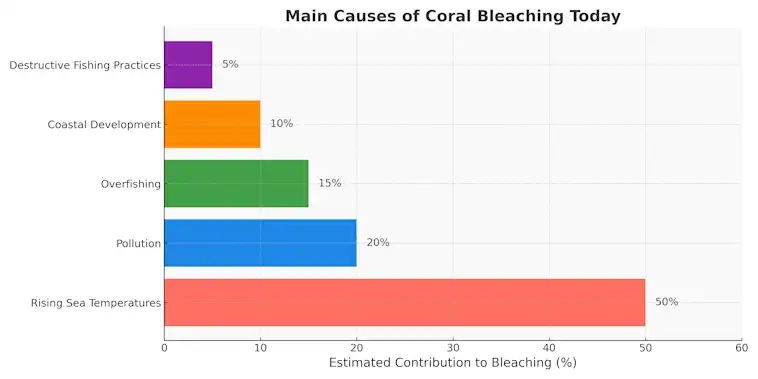
Overfishing is another contributor. Removing too many fish disrupts the balance of the reef ecosystem. Some fish eat algae that would otherwise smother corals. Without them, reefs face extra pressure.
Coastal development also adds stress. Construction near the shore can increase sediment in the water. This sediment blocks sunlight that corals need for photosynthesis.
Finally, destructive fishing practices like blast fishing and cyanide fishing directly damage coral structures, leaving them less resilient.
The causes of coral bleaching are interconnected. When several happen at once—like warm water combined with pollution—the effects can be devastating.
By addressing these causes, we can give corals a fighting chance. That means cutting carbon emissions, reducing pollution, and managing fisheries sustainably. The sooner we act, the better the reefs’ chances of survival.
Can Coral Reefs Recover From Coral Bleaching?
Coral bleaching can look like the end of the line for a reef. But the truth is, recovery is possible—if the conditions are right. Understanding how reefs can bounce back gives us hope, but it also reminds us how urgent it is to protect them.
When corals bleach, they aren’t dead straight away. They’ve expelled the algae that give them food and color, but they can survive for a short time without them. If water temperatures drop back to normal and stress levels decrease, corals can welcome the algae back and regain their color.
Time and Protection Are Key
Recovery takes time. A healthy reef may need 10 to 15 years to fully recover from a severe bleaching event. But if bleaching happens again before that recovery is complete, the damage can become permanent. This is why back-to-back bleaching events are such a serious threat.
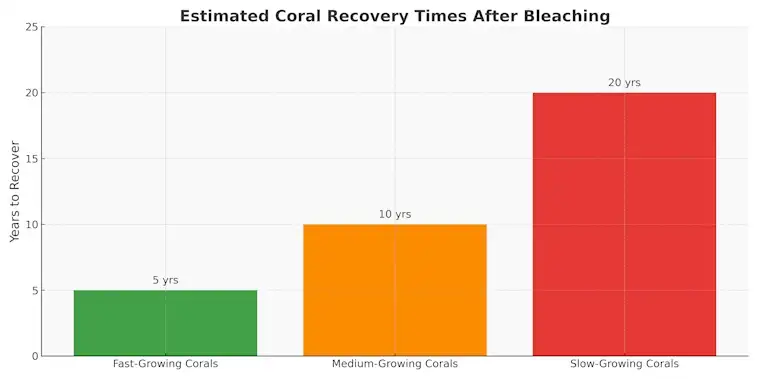
Some species of coral are tougher than others. Fast-growing corals may return in a few years if conditions improve quickly. Slow-growing species, however, can take decades to rebuild.
Human actions can make or break recovery efforts. Protecting reefs from additional stress—like overfishing, pollution, and destructive coastal development—gives them the best shot at healing. Marine protected areas, where human activity is limited, have shown higher recovery rates.
Climate change is still the biggest obstacle. Without cutting greenhouse gas emissions, ocean temperatures will keep rising, and recovery will become harder.
The good news is that reefs are resilient when given the chance. They’ve survived for millions of years, adapting to natural changes. If we act now, reduce local pressures, and tackle climate change, we can help reefs recover and thrive for future generations.
What You Can Do to Help Stop Coral Bleaching
Coral bleaching can feel like a huge problem that’s out of our control. But the truth is, we can all make choices that help protect reefs. Small actions add up, and together they can make a big difference.
Bleaching happens when corals are stressed, often due to rising ocean temperatures, pollution, and overfishing. While large-scale change is essential, everyday steps can reduce the pressure on reefs and give them a better chance to recover.
Everyday Choices That Protect Reefs
Start with your carbon footprint. Climate change is the biggest driver of coral bleaching, so using less energy matters. Choose public transport, cycle, or walk when you can. Switch to renewable energy at home if possible, and look for ways to cut waste.
Be mindful when you’re near the coast or in the water. Use reef-safe sunscreen that doesn’t contain harmful chemicals like oxybenzone. Never touch or stand on corals, and avoid disturbing marine life.
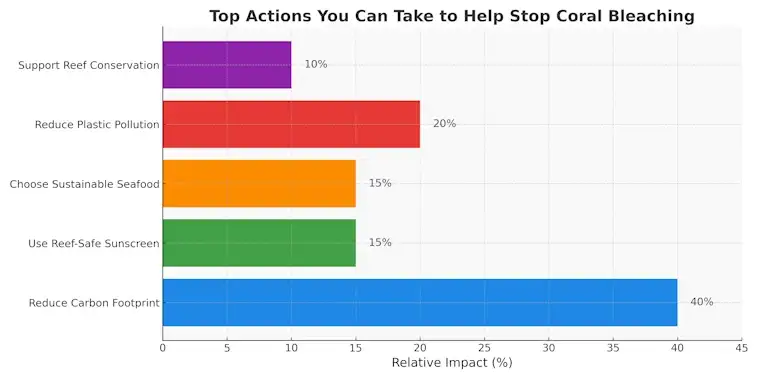
Support sustainable seafood. Overfishing can damage reef ecosystems, so choose fish from responsibly managed sources. Many guides and apps can help you make informed choices.
Reduce pollution. Properly dispose of waste, avoid single-use plastics, and be careful with chemicals in your home and garden. Even waste far from the sea can find its way into the ocean.
Finally, back reef conservation efforts. Donate to organizations protecting reefs, volunteer for local beach clean-ups, or support eco-friendly tourism operators who work to preserve marine life.
Protecting coral reefs isn’t just about saving pretty underwater scenes. It’s about safeguarding the oceans, coastal communities, and the planet’s biodiversity. Every action you take helps push the tide in the right direction.
Protecting Our Reefs Starts Now
Coral bleaching is more than just a change in color. It’s a warning sign that our oceans are under stress. Rising sea temperatures, pollution, and overfishing are pushing reefs to the brink. But the good news is, we still have time to act.
Healthy coral reefs protect coastlines, support marine life, and provide food and jobs for millions of people. Losing them would affect far more than the underwater world—it would impact communities around the globe.
Every choice we make matters. From reducing our carbon footprint to supporting reef-safe tourism, small actions can create big waves of change. Protecting reefs isn’t just about preserving beauty. It’s about keeping the ocean balanced, resilient, and full of life.
The future of coral reefs depends on what we do today. If we act quickly and consistently, reefs can recover, thrive, and continue to play their vital role in the planet’s health. The time to protect them is now—because once they’re gone, we can’t simply bring them back.