

Chemical Spills and What You Need to Know Right Now
Chemical Spills and the Hidden Dangers in Your Backyard
Chemical spills can happen anywhere—on highways, in factories, or even at home—and their impact can be immediate and dangerous. From harmful fumes to long-term environmental damage, these incidents demand quick action and awareness. Knowing how to respond when a chemical spill occurs can protect your health, your community, and the environment.

What Are Chemical Spills and Why Do They Happen?
Chemical spills are exactly what they sound like—accidental releases of hazardous substances. These spills can happen anywhere: in factories, during transportation, or even in households. When chemicals escape into the environment, they can harm people, animals, and entire ecosystems.
Most spills involve substances like oil, gasoline, industrial cleaners, or toxic waste. Some are small and quickly contained. Others are large-scale incidents that take days—or even weeks—to manage. Regardless of size, chemical spills can be dangerous, especially when flammable or toxic materials are involved.
Common Causes of Chemical Spills
So, why do these spills happen? Often, it’s due to human error—like improper storage, lack of training, or faulty equipment. Accidents during transport, such as truck rollovers or train derailments, are another major cause. Sometimes, natural disasters like floods or earthquakes can damage chemical facilities, leading to unintentional releases.
Aging infrastructure also plays a role. Older pipes, tanks, and valves are more likely to leak or fail. And in some cases, companies may ignore safety protocols to save time or cut costs—decisions that can have serious consequences.
The Ripple Effect of a Spill
The impact of a spill can spread far and wide. Water sources can become contaminated. Air quality may suffer. Local communities often face health risks and may need to evacuate. Cleanup can take weeks, cost millions, and leave lasting scars on the environment.
Investing in safety training, updated equipment, and regular inspections can dramatically reduce the chances of a spill. The key takeaway? Most chemical spills are avoidable. And understanding how and why they happen is the first step toward stopping them.
The Hidden Dangers of Chemical Spills in Your Community
Chemical spills might seem like something that only happens in industrial zones or far-off places. But the truth is, these dangerous events can occur right in your own neighborhood—and often without warning. Whether it’s a leaking storage tank, a broken pipeline, or an accident during transport, chemical spills pose real risks to everyday life.
Health Risks That Linger Long After the Spill
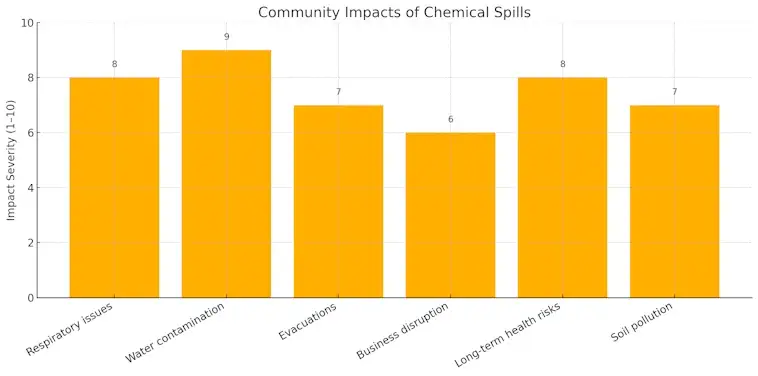
One of the biggest dangers of a local chemical spill is its impact on health. Even small amounts of toxic chemicals can cause breathing problems, skin irritation, or long-term health issues like cancer or organ damage. Children, older adults, and people with existing health conditions are especially vulnerable.
Worse still, some chemicals have no odor or color, so you might not even know you’re being exposed. Contaminated water and soil can spread pollutants far beyond the original spill site. And sometimes, it can take years for the full effects to show up.
How Spills Disrupt Everyday Life
Chemical spills can also disrupt daily routines. Roads may be closed. Schools might shut down. Residents could be evacuated from their homes for safety. Local businesses might suffer, and emergency services may be stretched thin. Recovery is often slow, expensive, and stressful for everyone involved.
Even after cleanup crews leave, communities may struggle with trust—unsure if it’s truly safe to return to normal.
That’s why awareness is so important. Understanding the hidden dangers of chemical spills helps communities prepare, respond faster, and demand better safety measures. The more you know, the better you can protect your health, your family, and your future.
Staying Safe During a Chemical Spill Emergency
When a chemical spill happens, every second counts. These emergencies can be unpredictable and dangerous, especially if you’re caught off guard. But with the right steps, you can protect yourself and your loved ones.
Know the Warning Signs
Chemical spills may not always look dramatic, but they often have strong odors, visible vapor clouds, or dead vegetation nearby. You might hear emergency sirens or receive alerts from local authorities. If that happens, act quickly.
Stay indoors if instructed. Close all windows and doors, and turn off fans or air conditioners that pull air from outside. This helps keep harmful fumes out of your home. If you’re outside or in a vehicle, move away from the spill area and find shelter upwind, if possible.
Emergency Kits Save Lives
Preparation is key. Keep an emergency kit ready at home and in your car. It should include bottled water, non-perishable food, flashlights, batteries, masks, gloves, and a portable radio. Having copies of important documents and any needed medications is also a smart move.
In case of evacuation, follow instructions from emergency services. Don’t return home until officials say it’s safe. And never touch or try to clean up a spill yourself—many chemicals can be dangerous even in small amounts.
Your safety comes first. Understanding what to do during a chemical spill emergency can make all the difference. The more prepared you are, the better your chances of staying safe and helping others do the same.
Who Cleans Up These Hazardous Chemical Spills?
When a chemical spill occurs, a fast and professional cleanup is critical. But have you ever wondered who actually handles these hazardous situations? It’s not just firefighters or local authorities—it’s often a team of trained specialists who know exactly what to do.
The Experts Behind the Cleanup
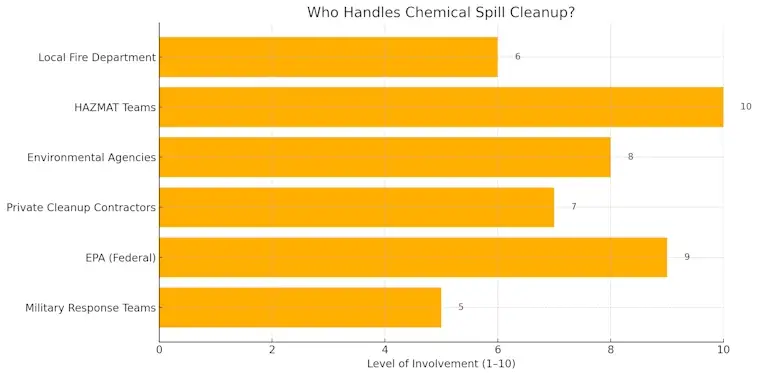
Chemical spill cleanup is typically handled by hazardous materials (HAZMAT) teams. These professionals are specially trained to deal with dangerous substances safely. Depending on the size and type of the spill, local fire departments, environmental agencies, or private cleanup companies may be involved.
For large or highly toxic spills, national agencies like the Environmental Protection Agency (EPA) or even the military might step in. These teams wear protective gear, use specialized tools, and follow strict safety protocols to avoid harm to themselves and the environment.
Step-by-Step: How Cleanup Happens
Cleanup begins with assessing the scene. Teams identify the chemical, determine the level of risk, and create a containment plan. This often involves sealing off the area, stopping the source of the leak, and preventing the chemical from spreading into soil or water.
Next, absorbent materials, neutralizers, or vacuum systems are used to remove the substance. Finally, everything is properly disposed of according to hazardous waste regulations.
Once cleanup is complete, the area is tested to make sure it’s safe. In some cases, long-term environmental monitoring may be required.
Proper cleanup takes time and expertise, but it’s essential for keeping people and ecosystems safe. Understanding how this process works helps build trust—and highlights just how important these behind-the-scenes professionals really are.
What You Can Do to Prevent Chemical Spills at Home or Work
Chemical spills aren’t just a problem for factories and industrial sites—they can happen in your home or workplace too. From cleaning products to paints and fuels, many everyday substances pose a risk if not handled properly. The good news? With a few simple steps, you can help prevent spills before they happen.
Safe Storage Is Key
Start by storing chemicals in their original containers with labels intact. Keep them in a cool, dry place away from heat sources and out of reach of children or pets. At work, make sure storage cabinets are clearly labeled and built to handle hazardous materials. It’s also smart to separate incompatible substances to reduce the risk of dangerous reactions.
At home, avoid overstocking. Only buy what you need and dispose of leftovers safely—don’t pour them down the drain or toss them in the trash. Many communities offer hazardous waste drop-off programs.
Follow Proper Handling Practices
When using chemicals, always read the label first. Wear gloves, goggles, or masks if required, and work in well-ventilated areas. At work, follow all safety training and use spill kits if available. If you manage a team, make sure employees are trained regularly and that safety procedures are clearly posted and understood.
Having an emergency plan in place is just as important. Know where the nearest eye wash station or fire extinguisher is, and keep cleanup supplies nearby.
By staying alert and informed, you can reduce the risk of chemical spills significantly. Prevention isn’t just about protecting property—it’s about keeping people safe. And that starts with taking responsibility for how chemicals are stored and used every day.
Staying Safe and Informed About Chemical Spills
Chemical spills are more common—and more dangerous—than many people realize. Whether it’s a minor leak at home or a major industrial accident, the risks are real. Understanding what causes spills, how they’re cleaned up, and what you can do to stay safe is essential for protecting yourself, your family, and your community.
The good news? Most chemical spills are preventable. With the right information and a few smart precautions, you can reduce the chances of exposure and know exactly how to respond in an emergency.
From proper storage and handling to recognizing warning signs and following local safety alerts, every step you take matters. And if a spill does occur, knowing who to call and what to do can make all the difference.
Stay alert. Stay prepared. And most importantly—stay safe.