

Ocean Acidification: The Silent Ocean Crisis Unfolding
Ocean Acidification: Is Marine Life Facing Collapse?
The world’s oceans are facing a growing threat known as ocean acidification. As more carbon dioxide enters the atmosphere, the sea absorbs much of it, triggering chemical changes that make the water more acidic. This silent shift is already disrupting marine life, from delicate coral reefs to tiny plankton that form the base of the food chain. Fisheries, coastal economies, and entire ecosystems are beginning to feel the impact. Scientists warn that without action, ocean acidification could weaken the ocean’s ability to sustain life and help regulate Earth’s climate. Understanding this process is vital to protecting marine environments for the future.
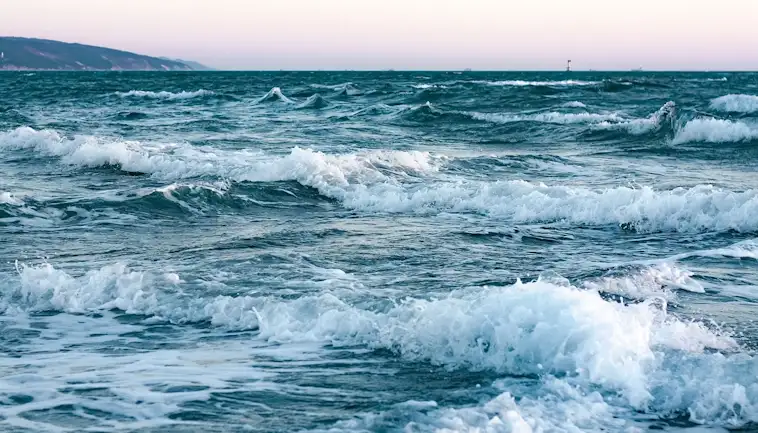
Ocean Acidification Explained: The Science Shaping Our Future Seas
The ocean is often called the planet’s life support system. It produces most of the oxygen we breathe and absorbs huge amounts of carbon dioxide (CO₂) from the air. But there’s a hidden cost to this service. When CO₂ dissolves into seawater, it changes the water’s chemistry, making it more acidic. This process is called ocean acidification.
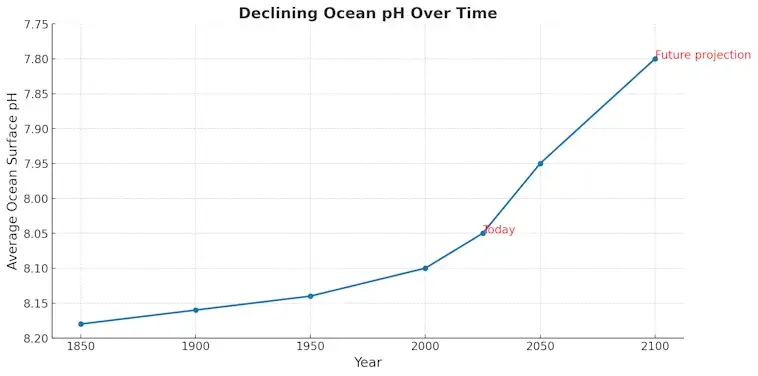
It’s a slow but steady transformation. Since the start of the Industrial Revolution, the ocean’s acidity has increased by about 30%. That’s a massive shift for marine life, which has evolved in stable conditions for millions of years. Shellfish, corals, and tiny plankton are especially vulnerable because acid dissolves the calcium carbonate they need to build shells and skeletons.
Why Coral Reefs Are on the Frontline
Coral reefs are like underwater cities. They house a quarter of all marine species and protect coastlines from storms. But acidification weakens their skeletons, making it harder for reefs to grow and recover. Combine this with warmer seas and pollution, and coral ecosystems are under more pressure than ever before.
Scientists warn that if we keep releasing CO₂ at today’s rates, we could see a tipping point in this century. The good news? Reducing emissions can slow acidification, giving marine life a fighting chance.
Our oceans are resilient, but they need time to adapt. Every action we take—whether it’s cutting carbon, protecting habitats, or supporting clean energy—helps shape a future where the seas remain rich and full of life.
Rising CO₂ Levels and the Next Wave of Ocean Chemistry Shifts
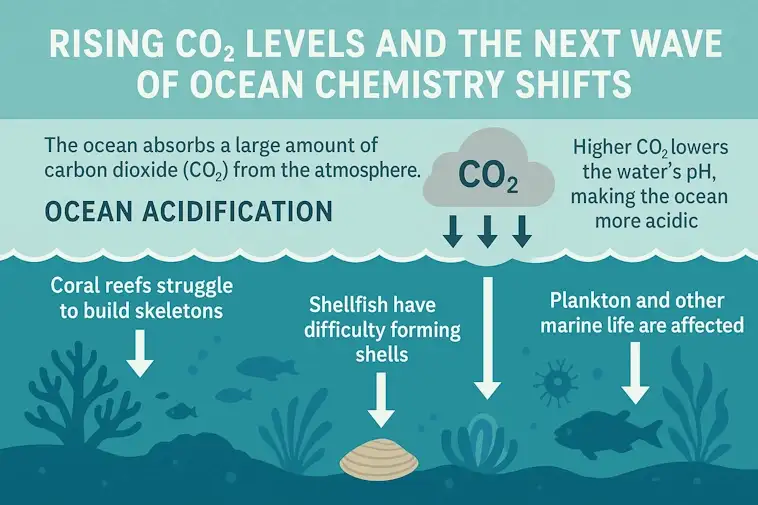
The ocean has always been our planet’s silent workhorse. It absorbs huge amounts of carbon dioxide (CO₂) from the air, helping to keep Earth’s climate in balance. But now, CO₂ levels are rising faster than at any point in human history. And the ocean is feeling the strain.
When CO₂ dissolves in seawater, it changes the water’s chemistry. This isn’t just a minor tweak—it’s a fundamental shift that affects everything from plankton to coral reefs. Scientists call this ocean acidification, and it’s one of the most serious yet underreported impacts of climate change.
A Delicate Balance Tips Toward Acidification
Our oceans naturally have a slightly alkaline pH. This balance has supported marine life for millions of years. But higher CO₂ is pushing the pH down, making the water more acidic. Even small shifts in pH can disrupt entire food webs.
Coral reefs, for example, struggle to build their skeletons in more acidic water. Shellfish like oysters and mussels find it harder to form strong shells. And plankton—the tiny organisms at the base of the ocean food chain—face big challenges too. If they decline, everything from small fish to whales could be affected.
The concern isn’t just about what happens under the waves. The ocean is tightly connected to our climate, our food systems, and even the air we breathe. Changes in ocean chemistry could ripple back to us in ways we’re only beginning to understand.
The takeaway is simple: cutting CO₂ emissions isn’t only about preventing heat waves or melting ice. It’s also about protecting the chemistry of the very waters that make life on Earth possible.
Marine Ecosystems on the Edge: What the Next Decade Could Bring
The world’s oceans are in trouble. Over the next decade, marine ecosystems will face some of the biggest challenges in history. Rising sea temperatures, pollution, and overfishing are putting coral reefs, coastal habitats, and deep-sea life under extreme stress.
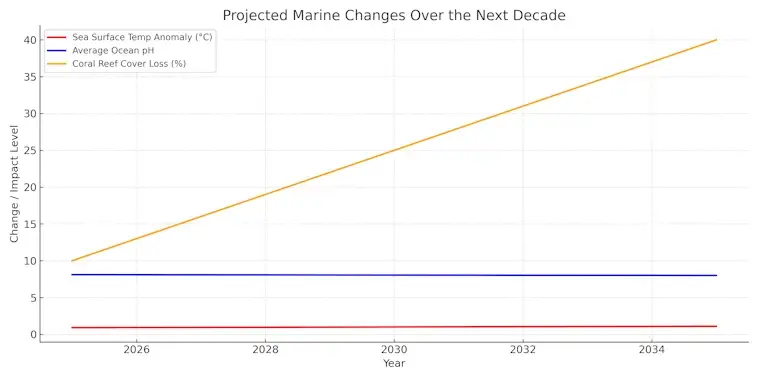
If trends continue, we could see massive changes in ocean biodiversity. Coral bleaching events may become more frequent. Fish populations could migrate to cooler waters, disrupting traditional fishing areas and local economies. Even the smallest changes in ocean chemistry can ripple through the entire food chain.
The Hidden Threat: Acidification and Its Ripple Effects
One of the most alarming threats is ocean acidification. As we pump more carbon dioxide into the atmosphere, the ocean absorbs much of it. This changes the water’s chemistry, making it more acidic. Acidification weakens the shells of marine creatures like oysters and plankton. Without them, larger species lose a vital food source.
The next decade could see more fragile species disappearing, reshaping marine ecosystems in ways we can’t fully predict. Warmer, more acidic waters could also fuel harmful algal blooms, which threaten both wildlife and human health.
But there’s still hope. Global efforts to cut emissions, restore marine habitats, and reduce pollution can slow these changes. Protecting marine life isn’t just about saving animals—it’s about protecting our own future. After all, the ocean is our planet’s life support system.
From Seafood to Shorelines: How a Changing Ocean Will Impact Us All
The ocean is more than a beautiful view on a summer day. It’s our planet’s life support system. It shapes weather, feeds billions, and provides jobs for millions. But right now, the ocean is changing faster than at any point in human history—and the ripple effects are coming ashore.
Warmer waters are disrupting fish migration patterns. Popular seafood like salmon, cod, and tuna are moving toward cooler regions. That means coastal communities could lose key sources of income. And for the rest of us? Expect higher prices at the fish counter and fewer options on the menu.
It’s not just the fish. Rising sea levels are creeping closer to homes, businesses, and infrastructure. Erosion is swallowing beaches that have stood for centuries. And extreme storms are hitting harder, fueled by warmer seas. If you live near the coast, this isn’t a distant problem—it’s one that could arrive in your lifetime.
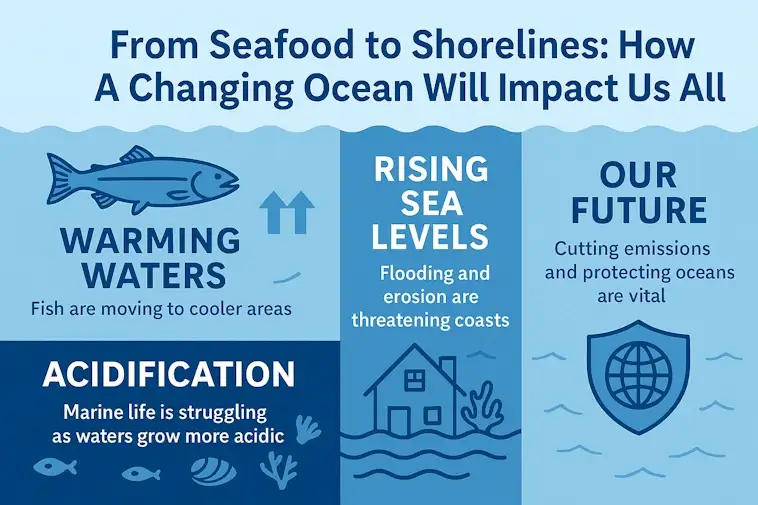
Acidification: The Silent Stressor
While rising seas grab headlines, another threat is quietly building. The ocean absorbs about a quarter of the carbon dioxide we release. This is changing its chemistry, making the water more acidic. Shellfish, corals, and even tiny plankton struggle to survive in these conditions. When these foundational species decline, the entire marine food web is at risk—including the seafood we depend on.
What happens in the ocean doesn’t stay in the ocean. From the seafood on our plates to the safety of our shorelines, we are all connected to its health. Acting now—by cutting carbon emissions, protecting marine habitats, and supporting sustainable fishing—means we can help safeguard both our oceans and our future.
Innovations and Global Actions That Could Turn the Tide
The climate crisis can feel overwhelming, but there is hope. Around the world, new ideas and bold actions are emerging. These are more than just small steps. They could change the game entirely.
Governments are committing to net-zero targets. Cities are switching to renewable energy faster than expected. Electric cars are moving from niche to normal. Even airlines are testing low-carbon fuels that could cut emissions from one of the hardest-to-fix sectors.
Businesses are investing in clean technology, not because they have to, but because it makes economic sense. Solar and wind are now cheaper than coal in most parts of the world. That shift is huge — it means the transition is not only possible, it’s profitable.
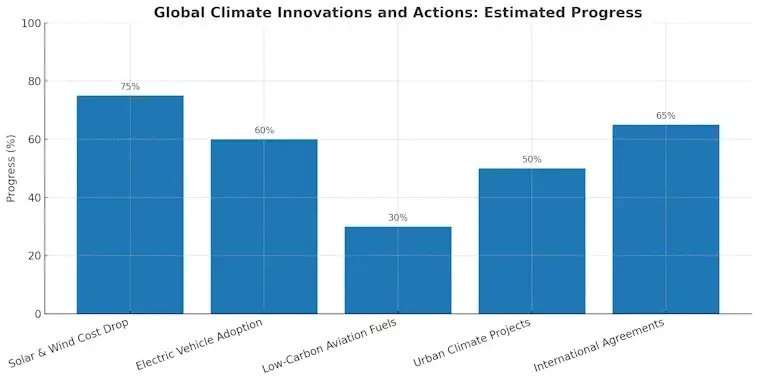
Small Changes, Big Results
Community projects are also part of the story. From urban gardens that cool city streets to plastic waste being turned into building materials, innovation isn’t limited to labs or boardrooms. People everywhere are finding ways to act locally and make a global impact.
International agreements are starting to push harder, too. The Paris Agreement was a starting point. Now, new pledges are raising the bar, aiming for deeper cuts in emissions and stronger climate adaptation plans.
The truth is, the solutions already exist. What we need now is speed. If we scale up these innovations and keep global cooperation alive, we can turn the tide — and sooner than most people think.
A Call to Protect Our Blue Planet
Ocean acidification is more than just a scientific term—it’s a warning sign from our planet’s largest life support system. As carbon emissions continue to rise, the chemistry of our oceans is changing in ways that threaten marine life, food security, and coastal economies. The good news is that this crisis is not beyond our control. By cutting greenhouse gas emissions, protecting marine habitats, and supporting sustainable fishing, we can slow the damage and give the ocean a chance to recover.
Every action matters—whether it’s advocating for clean energy, reducing single-use plastics, or supporting ocean conservation projects. The ocean has always taken care of us. Now, it’s our turn to take care of it.
If we act decisively today, we can protect the seas for future generations—and ensure that the story of ocean acidification becomes one of resilience, not loss.