

Unlimited Plastic Contamination Is Choking Life On Earth
Why Plastic Contamination Is Spiraling Out of Control—and What It Means for Our Future
Plastic contamination is now so widespread that it reaches every corner of the planet, from crowded coastlines to the deepest layers of the ocean. It’s shaping the air we breathe, the food we eat, and the stability of ecosystems that once seemed untouchable. As the volume of waste keeps climbing, the consequences grow harder to ignore.
More troubling is how quickly this crisis is accelerating. Each year brings new evidence of toxins entering water sources, wildlife, and even human bodies. Scientists warn that we may be approaching a tipping point where the damage becomes far harder to reverse.
Yet awareness is rising, and with it comes a growing push for solutions that match the scale of the problem. Understanding how this happened—and what can still be done—helps create a path toward a cleaner, safer future.
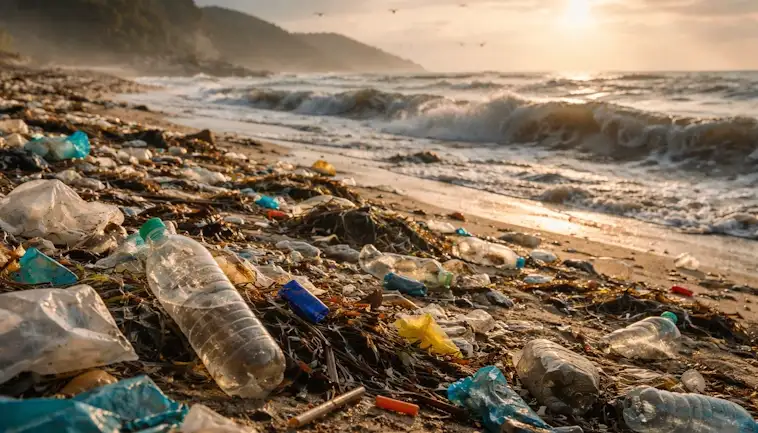
Plastic Contamination and the Hidden Damage It Causes Every Day
Plastic contamination is one of those problems we all know exists, yet it slips into our daily lives in ways we barely notice. It sits on store shelves. Moves through our kitchens. It even drifts through the air we breathe. And because it’s so common, it’s easy to forget how much harm it causes behind the scenes.
Every day, tiny plastic fragments break down and spread. They move through soil, waterways, and household dust. Soon enough, they end up in our bodies and in the ecosystems we depend on. This steady drift is silent, but the effects are real. Researchers now find plastic particles in drinking water, seafood, and even in remote mountain snow. So the issue is no longer abstract. It’s personal.
A Closer Look at What We Can’t See
Although plastic contamination tends to feel invisible, the impacts add up. Wildlife often mistakes small pieces for food, which leads to injury and sometimes death. Soil quality can drop as plastics interfere with microbes that keep the ground healthy. And in humans, early studies suggest a link between microplastics and inflammation. The science is still developing, but the direction is clear: reducing plastic exposure matters.
You don’t need a perfect plan to start making meaningful change. Even small steps—choosing reusable containers, skipping unnecessary packaging, or supporting refill stores—can cut demand for disposable plastics. And as more people choose alternatives, companies and cities adjust too.
If you want a deeper explanation of how plastic contamination spreads and why it matters, this overview from the United Nations Environment Programme is a solid place to explore.
Taking action feels simpler when you understand the problem. And once you see how widespread plastic contamination really is, it becomes clear that every choice has power. Let’s move toward cleaner homes, cleaner communities, and—bit by bit—a cleaner planet.
How Microplastics Travel Further Than We Ever Imagined
Microplastics move in ways that surprise even scientists. They drift on the wind. Flow through rivers. They ride ocean currents for thousands of miles. And because they’re so light, they can slip into almost any environment. This means microplastics often reach places we once thought were untouched—mountain lakes, deep-sea trenches, even the air inside our homes.
As we learn more, the picture becomes clearer. These tiny particles don’t stay put. Instead, they behave almost like dust. They rise, settle, and move again. And because they travel so easily, they shape ecosystems far from where they were first created. So understanding their pathways helps us understand the scale of the problem.
To help bring this idea to life, here’s a simple visual showing how far microplastics can travel through different environmental routes.
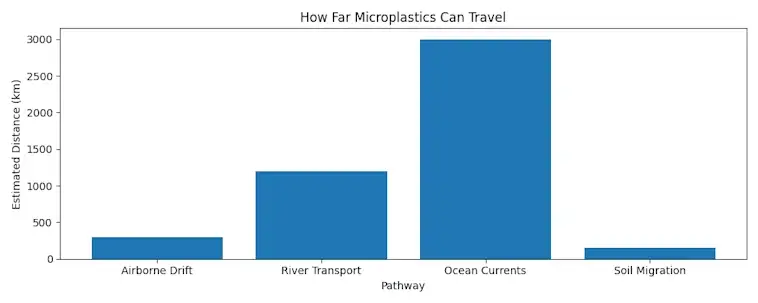
This chart shows how far microplastics may move through air, rivers, oceans, and soil. It offers a quick snapshot of why these particles show up in places we never expected.
As we look ahead, it’s clear that microplastics will keep moving unless we change our relationship with plastic. However, each shift—like choosing reusable products or supporting cleanup programs—helps slow their spread. And when we understand the journey these particles take, we’re far better prepared to take action.
Plastic Contamination Is Reshaping the World’s Food Chains
Plastic contamination is changing the way life moves through our ecosystems. And it’s happening faster than most people realise. Tiny plastic particles slip into waterways, soils, and even the air. Then they enter the food chain at its very base. From there, they move upward—to fish, birds, livestock, and eventually to us. It’s a quiet shift, but a powerful one, and it’s already reshaping how nature works.
What makes this issue so urgent is how easily plastic contamination spreads. Small organisms like plankton and insects often absorb or ingest microplastics without any way to filter them out. Larger animals then eat those smaller creatures, and the plastics move with them. Over time, the buildup grows. And because the particles don’t break down, they linger for generations.
Here are a few simple ways plastic contamination works its way into the meals we depend on:
- Tiny plastic fibres settle into ocean waters and are eaten by plankton.
- Fish consume those plankton, along with more microplastics in the water.
- Land animals ingest plastics through soil, feed, or contaminated water.
- Humans take in plastics through seafood, drinking water, and household dust.
Scientists are still studying the long-term health impacts, but early findings raise real concern. Inflammation, chemical exposure, and tissue damage are all under review. While research continues, one thing is clear: reducing plastic use and improving waste systems will help protect food webs from further disruption.
As we look ahead, a healthier future depends on better choices today. Small actions—like choosing reusable packaging or supporting plastic reduction policies—can help slow the spread. And when enough of us act together, we can make a real difference in restoring balance to the food chains we all rely on.
The Communities Facing the Worst Pollution Burdens
Some communities live with far more pollution than others, and the gap keeps widening. It’s a problem that feels distant until you talk to the people who breathe the air, drink the water, and raise their families in these environments every day. Many of these neighbourhoods sit near industrial plants, busy highways, or aging infrastructure. Over time, the constant exposure adds up. And soon, it starts shaping health outcomes, job opportunities, and even life expectancy.
What makes this issue even more challenging is how predictable it is. The same kinds of communities—low-income neighbourhoods, industrial zones, coastal towns, and rural farming areas—often face the heaviest burdens. They deal with higher pollution levels but have fewer resources to respond. So the cycle keeps repeating, generation after generation.
As we look ahead, understanding these disparities is an essential first step. When we see the patterns clearly, we can start pushing for fairer policies, cleaner technologies, and stronger protections. And change becomes possible.
To help visualize how uneven the impacts can be, here’s a chart showing estimated pollution burden levels across several community types.
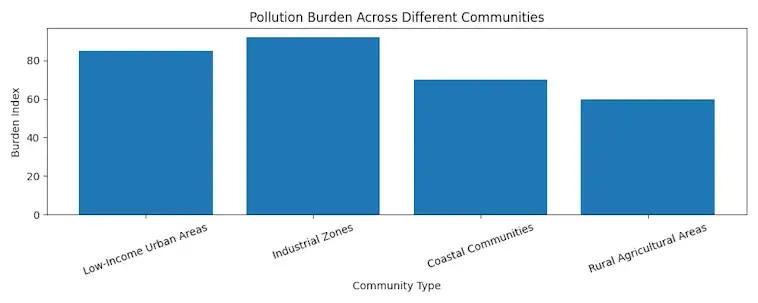
When we talk about pollution, it’s easy to focus on the big global picture. But the truth is, real change starts locally. By understanding who is most affected—and why—we can move toward solutions that lift everyone, not just a few. And with better awareness comes better action, one step at a time.
What We Can Do Now to Slow the Surge of Global Waste
Global waste is rising faster than our systems can manage, and it affects every part of daily life. Yet there’s good news here. We’re not powerless. In fact, many of the solutions are already within reach. They start with small, steady choices that add up over time. And when enough people take those steps, businesses and governments begin to shift too.
Today, waste grows because we buy more, throw away faster, and rely on materials designed to last centuries. So the challenge isn’t only about recycling better. It’s about rethinking how we use things in the first place. And while that may sound big, it becomes much easier when we break it into simple actions.
How Plastic Contamination Shapes Our Next Moves
To slow the surge of waste, we can begin with practical steps that make a real dent:
- Choose reusable products whenever possible to cut down on single-use items.
- Support local repair shops to extend the life of electronics and household goods.
- Compost food scraps to reduce landfill pressure.
- Shop from brands that offer refill programs or minimal packaging.
- Vote with your wallet by avoiding products wrapped in unnecessary plastic.
Each action reduces the strain on landfills and lowers demand for resource-heavy manufacturing. And over time, these everyday choices reshape markets, inspire new policies, and make cleaner systems more realistic.
If you want a clear look at how waste is growing around the world—and what strategies are working—the OECD offers an accessible overview.
The path forward doesn’t require perfection. It just requires movement. When we choose a little less waste today, we build a foundation for a cleaner, more sustainable tomorrow.
Conclusion: Why Tackling Plastic Contamination Can’t Wait
Plastic contamination is no longer a distant environmental issue. It’s here, shaping our health, our food systems, and the stability of ecosystems we depend on every day. As we’ve seen, the problem grows not because people don’t care, but because plastics have become woven into nearly every part of modern life. Yet that also means we have countless opportunities to turn things around.
By rethinking how we consume, choosing reusable options, and supporting stronger policies, we can slow the spread of plastic contamination before it becomes irreversible. Small actions matter. And when they’re repeated across millions of households, they become a global force for change.
The path forward is clear. If we act now—together—we can protect our oceans, our communities, and the living world that sustains us. It’s not too late to choose a future where plastic contamination no longer dominates the story of our planet.