

Crop Rotation Tips Every Gardener Should Use
Crop Rotation Made Easy: What You Need to Know
Growing healthy plants year after year takes more than good soil and sunshine. One of the smartest ways to keep your garden thriving is by crop rotation. It’s a simple practice with big rewards — from boosting soil nutrients to keeping pests in check.
Whether you’re working with raised beds, rows, or containers, switching up where you plant certain vegetables can lead to stronger harvests and fewer problems. It helps break pest and disease cycles while giving your soil a well-earned break.
What Is Crop Rotation and Why Does It Matter?
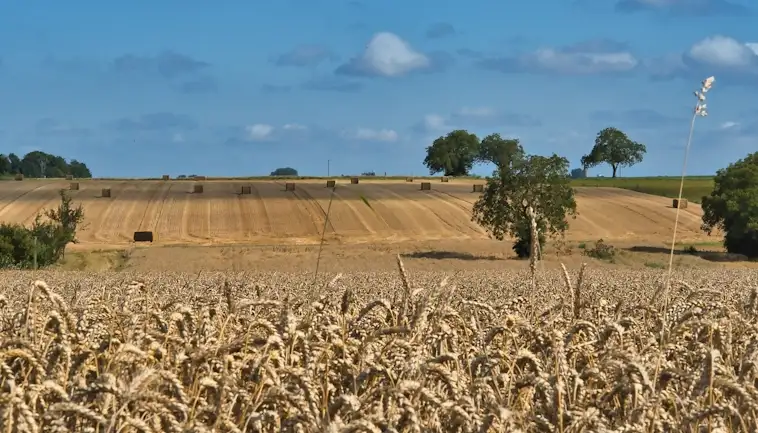
Crop rotation might sound like a farming buzzword, but it’s actually a time-tested technique that’s been around for centuries. At its core, crop rotation is simply the practice of growing different types of crops in the same area across different seasons or years.
Let’s say a farmer plants corn in a field one year. Instead of planting corn again in that same spot the next season, they might switch to beans or wheat. This may not seem like a big deal, but it can make a huge difference to the health of the soil—and the planet.
Healthier Soil, Healthier Harvests
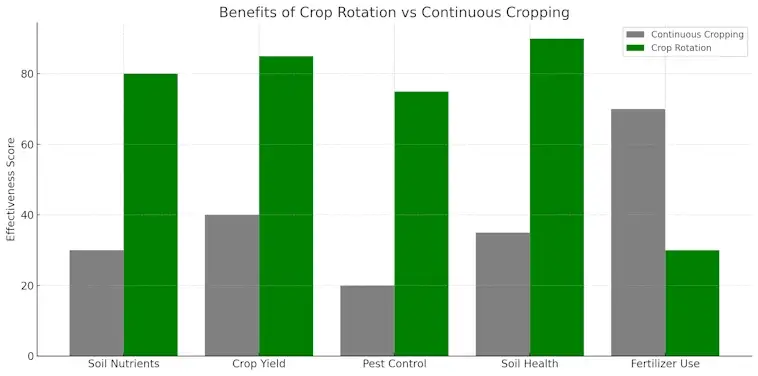
When you grow the same crop over and over, the soil gets tired. It loses important nutrients that the crop needs to grow. That leads to weaker plants, lower yields, and more problems with pests and diseases. But with crop rotation, each plant type gives and takes different things from the soil. Some crops, like legumes, even add nutrients back into the ground.
Over time, this natural balance boosts soil health. And when soil is healthy, crops grow better and farmers rely less on chemical fertilizers.
But it’s not just about the soil.
Crop rotation also helps break the cycle of pests and plant diseases. Many bugs and fungi are picky eaters. If you change what’s growing in the field, they lose their food source and move on.
In short, rotating crops is a smart, sustainable way to farm. It protects the land, supports better harvests, and helps fight climate change by keeping farming practices in harmony with nature.
How Crop Rotation Boosts Soil Health and Plant Growth
If you’ve ever wondered why some farms look lush and thriving year after year, crop rotation is often the reason. It’s a simple, time-tested method that keeps soil healthy and plants growing strong. And yes, even small gardens can benefit.
So what is crop rotation? It’s the practice of changing the type of crops grown in a specific area each season or year. Instead of planting the same thing again and again, you mix it up. For example, you might grow corn one season, then beans the next, followed by a leafy green.
Why does this help? Each type of plant takes and gives different nutrients. When you rotate them, you’re giving the soil a chance to recover. You’re not draining it dry with the same demands over and over. This means fewer problems with nutrient loss, pests, and diseases.
Less Pests, More Growth
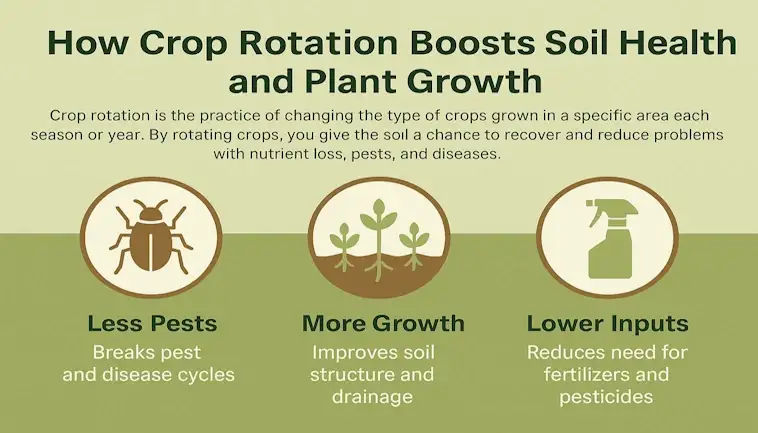
Pests and diseases love routine. When you plant the same crop every year, they stick around, knowing their favorite food will return. Crop rotation breaks that cycle. It confuses the pests and reduces the chance of infestation.
Also, different crops have different root systems. Some dig deep, others stay shallow. Rotating them helps break up hard soil, improves drainage, and boosts soil structure. That leads to better plant growth overall.
Another big win? You’ll rely less on synthetic fertilizers and pesticides. Healthy, balanced soil often doesn’t need as much help. So you save money and help the environment at the same time.
If you want healthier soil and stronger crops, try rotating what you grow. It’s a smart move, and nature will thank you for it.
Simple Crop Rotation Plans for Small Gardens
If you’re growing food in a small garden, crop rotation might sound like a big, complicated farming term. But don’t worry—it’s actually simple and incredibly helpful. Rotating your crops just means planting different types of vegetables in different spots each season. This helps your soil stay healthy and makes it harder for pests and diseases to take over.
Why Rotation Matters
Every plant takes certain nutrients from the soil and leaves others behind. If you plant the same thing in the same place every year, the soil gets tired. But when you rotate your crops, you give the soil a chance to recover. You also break the cycle for pests that tend to hang around when their favorite food keeps growing in the same spot.

A Basic 3-Bed Plan
Here’s one easy method you can follow, even in a small backyard:
1. Leafy crops like lettuce, spinach, and kale.
2. Fruiting crops like tomatoes, peppers, and cucumbers.
3. Root crops and legumes like carrots, beets, beans, and peas.
Each year, simply move each group to the next bed. So, leafy crops go where fruiting crops were, fruiting crops follow the roots and legumes, and so on. By year four, you’re back to the beginning.
Start Simple and Build From There
You don’t need to overthink it. Even rotating two types of crops can make a big difference. Keep a notebook or a simple sketch of what you planted where. It’ll make planning easier next season.
Gardening should feel fun, not overwhelming. Crop rotation is one of those small steps that leads to healthier plants and better harvests. So go ahead—give your garden a fresh start. Your soil will thank you.
Common Crop Rotation Mistakes to Avoid
Crop rotation is one of those tried-and-true methods that can make or break your soil health. But like anything else in farming or gardening, it’s easy to get wrong if you’re not paying attention. Let’s look at some common mistakes people make—and how you can avoid them.
Skipping the Planning Step
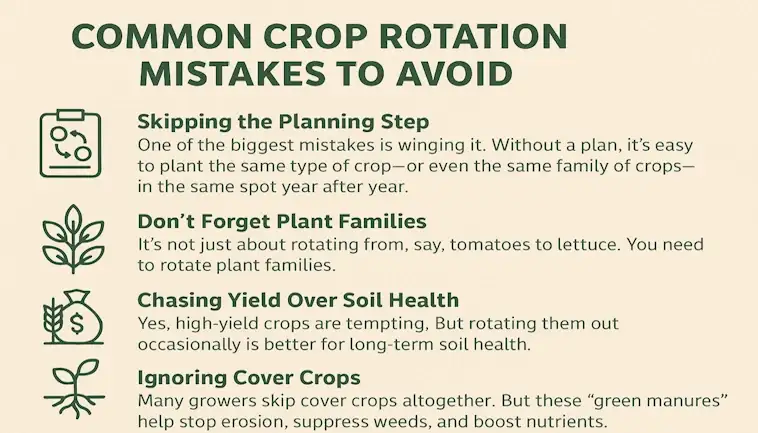
One of the biggest mistakes is winging it. Without a plan, it’s easy to plant the same type of crop—or even the same family of crops—in the same spot year after year. That’s a fast track to tired soil and disease build-up. So, map things out. Keep track of what went where, and rotate accordingly.
Don’t Forget Plant Families
It’s not just about rotating from, say, tomatoes to lettuce. You need to rotate plant families. Tomatoes, potatoes, peppers, and eggplants all belong to the nightshade family. If you keep planting different members of the same family in the same bed, the soil doesn’t get a real break. That leads to pests and diseases sticking around.
Chasing Yield Over Soil Health
Yes, high-yield crops are tempting. But rotating them out occasionally is better for long-term soil health. Legumes like beans or peas fix nitrogen in the soil. That helps feed future crops naturally. Think long-term, not just about this season.
Ignoring Cover Crops
Many growers skip cover crops altogether. But these “green manures” help stop erosion, suppress weeds, and boost nutrients. Consider adding clover, rye, or vetch to your rotation. It’s a small step that can make a big difference.
In short, crop rotation only works when you do it with intention. Avoid these common missteps, and your soil—and your harvest—will thank you.
Seasonal Crop Rotation Strategies for Year-Round Success
If you want a healthy, productive garden all year long, crop rotation is your best friend. It’s simple, effective, and helps you grow more with less effort. Plus, it keeps your soil in great shape and your plants naturally pest-resistant.
The idea behind crop rotation is easy: don’t grow the same type of plant in the same spot every season. Instead, rotate crops based on their plant family. This helps prevent nutrient depletion and reduces the risk of disease.
For example, if you plant tomatoes (which are in the nightshade family) this summer, follow them with beans or peas in the fall. These legumes fix nitrogen in the soil, giving your next round of crops a boost. Come spring, switch it up again with leafy greens or root vegetables. This cycle supports balanced soil and gives pests fewer chances to settle in.

Don’t Forget to Rest the Soil
Sometimes, the best thing you can do for your garden is let it rest. In winter or between planting seasons, consider adding a cover crop like clover or rye. These help protect your soil from erosion and improve its texture and nutrient levels.
You don’t need a huge garden to make rotation work. Even in small raised beds or containers, changing plant locations each season can make a noticeable difference.
It’s all about thinking ahead. Plan your planting schedule for the entire year. Make a simple chart or use a garden planner app. You’ll thank yourself later when your plants come up stronger and your harvests get bigger.
Start small, stay consistent, and let nature do the heavy lifting. With smart crop rotation, a thriving garden year-round isn’t just possible—it’s easy.
Why Crop Rotation Still Matters Today
Crop rotation may sound like an old farming trick, but it’s one of the smartest, most sustainable ways to grow healthy crops and protect the soil. By simply changing what you plant where—and when—you give the land time to recover, reduce pests naturally, and boost your harvest over time.
Whether you’re running a large farm or tending a small backyard garden, crop rotation is a low-cost, high-impact strategy that works. It’s good for the earth, great for your plants, and better for the future of food.
As climate challenges grow and soil health becomes even more critical, practices like crop rotation aren’t just helpful—they’re essential. So if you haven’t tried it yet, now’s a great time to start.