
Under the Cloak of Grey: Unveiling the Hidden Dangers of Smog and Haze
Smog and haze often just seem like a blur on the horizon, but there’s much more lurking beneath their murky veils. These environmental phenomena carry hidden dangers that affect our health, ecosystems, and climate. Understanding the risks associated with air pollution is crucial, as it impacts cities and rural areas worldwide. Let’s uncover the truths about these seemingly innocuous weather conditions and discuss how they continue to influence our lives and the planet.
Under the Cloak of Grey: Unveiling the Hidden Dangers of Smog and Haze
What You’ll Discover
Smog and Haze: The Veiled Threat
Composition of Smog and Haze: What Are We Breathing?
Silent Killers: Health Impacts of Air Pollution
Beyond Health: Environmental Consequences
Economic Costs of Air Pollution
At-Risk Populations: Who Suffers Most?
Global Hotspots: A Closer Look at Affected Areas
Clearing the Air: Solutions and Strategies
Smog and Haze: The Veiled Threat
Smog and haze are two atmospheric conditions that often make appearances in urban environments, and while they might seem similar, they have some distinct differences and origins.
Smog 101
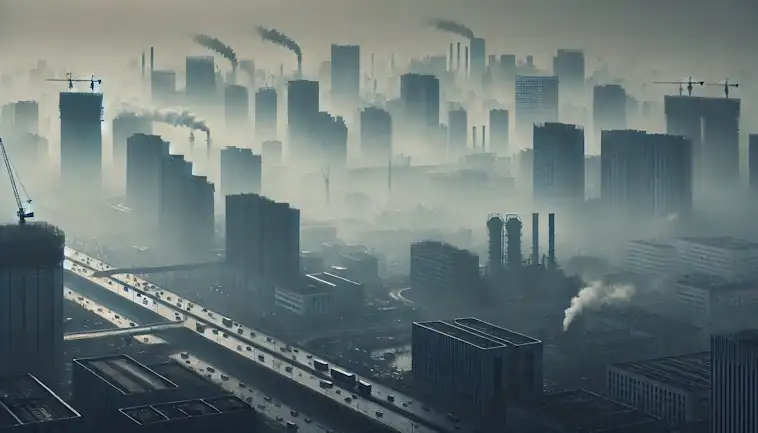
Smog is essentially a kind of air pollution. The term “smog” itself is a blend of “smoke” and “fog.” It forms when pollutants from various sources like car exhaust, factory emissions, and other industrial activities mix with sunlight. This reaction creates a thick, often yellow or brownish haze that can linger over cities, especially during warm, sunny days.
Haze Explained
Haze, on the other hand, occurs when particles and pollutants like dust, smoke, and other fine particulate matter scatter light and reduce visibility. Unlike smog, haze isn’t necessarily tied to pollutants that undergo chemical reactions in the air. It can be seen in both urban and rural areas but becomes more pronounced in cities due to higher pollution levels.
Urban Challenges
In urban settings, both smog and haze are common due to several factors:
- High volumes of traffic emissions
- Industrial activities concentrated in or near city centres
- Less vegetation for air purification
Cities like Los Angeles and Beijing have famously struggled with smog, impacting daily life and public health. Measures like improving vehicle emission standards and promoting public transport can help reduce their prevalence, making the air cleaner and clearer for everyone.
Composition of Smog and Haze: What Are We Breathing?
Let’s break down what goes into the mix when we talk about smog and haze. Both of these can be the unwanted guests in our urban skies, each with its own recipe of chemicals and physical characteristics.
A Dive into Smog
Smog is like a cocktail of air pollutants, which primarily forms two types based on its chemical ingredients:
- Photochemical smog happens when sunlight hits a mix of nitrogen oxides (NOₓ) and volatile organic compounds (VOCs). This reaction produces a kind of smog that’s most common in cities with heavy traffic, such as Los Angeles. The sunlight acts as a catalyst, sparking off a chain reaction that produces ozone at ground level, part of what we see and breathe as smog.
- Sulphurous smog is more about sulphur dioxide (SO₂) and particulate matter from burning coal and industrial fumes. This was a big deal in places like London before clean air regulations came into the picture. It’s heavier, often resulting in a dense, fog-like layer near the ground.
Unpacking Haze
Haze is a bit different. It’s made up of tiny particles or droplets that are so small they’re suspended in the air. These particles scatter light and give the air that murky appearance. The particles could be dust, soot, ash, or pollen. In urban areas, these are often mixed with fine industrial particulate matter, making the haze thicker and more persistent.
Urban Presence
In cities, both smog and haze are much more prevalent due to the concentration of vehicles, industrial activities, and less open space for the dispersion of pollutants. The interaction between these particles and the urban environment makes smog and haze not only a visual but also a health issue, reminding us of the ongoing challenges in managing air quality.
Silent Killers: Health Impacts of Air Pollution
How about the impact that poor air quality can have on our health, both in the short term and over the long haul. This is pretty crucial because, let’s face it, breathing is not just a hobby, it’s a necessity!
Short-Term Effects
When you’re exposed to poor air quality, even for a short period, your body reacts pretty quickly. Here’s what might happen:
- Irritation: Your eyes, nose, and throat might feel irritated like you’ve walked into a smoky room.
- Respiratory troubles: For those with asthma or other respiratory conditions, smog and polluted air can make it feel like you’re trying to breathe through a straw. Symptoms like coughing and shortness of breath can flare up.
- Headaches and dizziness: Sometimes, it can even lead to headaches or feeling a bit dizzy, which isn’t exactly fun.
Long-Term Effects
If you’re breathing in not-so-great air over a longer period, the stakes get higher:
- Chronic respiratory diseases: Conditions like asthma can get worse, and the risk of developing chronic obstructive pulmonary disease (COPD) increases.
- Cardiovascular diseases: Poor air quality doesn’t just mess with your lungs; it can also affect your heart. Long-term exposure is linked to an increased risk of heart attacks and other cardiovascular problems.
- Increased mortality rates: Over time, consistent exposure to polluted air can shorten life expectancy by contributing to heart disease, lung cancer, and respiratory diseases.
In cities especially, where smog and haze can be a daily backdrop, it’s super important to keep an eye on air quality reports and take measures like staying indoors on high-pollution days or using air purifiers to help reduce the exposure effects. It’s all about taking those small steps to breathe a little easier!
Beyond Health: Environmental Consequences
Smog and haze aren’t just a problem for us humans; they really do a number on the environment too. Here’s how these murky guests impact the world around us.
Visibility and Aesthetics
First off, smog and haze can dramatically reduce visibility, which affects not just the beauty of our landscapes but can also be a real problem for everyone from drivers on the road to pilots in the sky. Imagine trying to appreciate a scenic view or navigate through a city when everything looks like it’s behind a foggy lens.
Plant Life
Plants are pretty hardy, but they’re not fans of smog and haze. These conditions can interfere with the process of photosynthesis by blocking sunlight. This not only stunts plant growth but can also affect whole ecosystems that depend on healthy plant life to thrive.
Water Bodies
When it rains, pollutants from smog can be carried down into rivers, lakes, and even our oceans. This process, known as atmospheric deposition, can lead to water pollution that affects aquatic life and the quality of the water we might end up drinking.
Wildlife
Animals, like us, need clean air to thrive. Smog and haze can lead to habitat degradation that affects food sources and shelters, disrupting local wildlife populations. Also, certain chemicals in smog can be toxic if ingested or inhaled by animals, contributing to health problems in animal populations.
Climate Impact
On a broader scale, smog and haze can influence climate patterns. Particles in the air can affect weather and temperature by blocking sunlight, which can lead to unpredictable climate behaviour.
Dealing with smog and haze requires efforts like reducing emissions from vehicles and industries and encouraging practices that cut down on air pollution. It’s a big job, but every little bit helps in keeping our air and environment clean.
Economic Costs of Air Pollution
Smog and haze don’t just cloud up the skies; they also bring a whole bunch of economic challenges. Here’s a look at how these pollutants can put a strain on wallets and economies.
Healthcare Costs
Dealing with the health fallout from smog and haze isn’t cheap. Increased respiratory problems, cardiovascular diseases, and other health issues lead to higher spending on medical treatment and hospital visits. This rise in healthcare demands can strain public health services and insurance systems, leading to higher premiums and out-of-pocket expenses for everyone.
Lost Labour Productivity
When people are sick, they can’t work as effectively, if at all. Smog-related illnesses can lead to absenteeism from work, reduced productivity while at work (sometimes called presenteeism), and in severe cases, can even lead to disability or premature retirement. This not only affects individual income but can also impact national productivity levels.
Damage to Crops and Buildings
It’s not just humans that suffer; smog and haze can cause considerable harm to the agricultural sector by damaging crops. Pollutants that block sunlight or deposit harmful chemicals on leaves can reduce crop yields, affecting both farmers’ incomes and food prices. Additionally, some of the chemicals in smog can accelerate the degradation of building materials and cultural monuments, leading to higher maintenance and restoration costs.
Overall, the economic implications of smog and haze are vast and varied, touching everything from personal finances to national economic policies. Addressing these issues often requires significant investment in pollution control technologies and urban planning strategies, but the payoff is cleaner air, healthier lives, and a more robust economy.
At-Risk Populations: Who Suffers Most?
So, let’s take a look at who’s most at risk when smog and haze roll into town. These pollutants don’t play fair, and certain groups feel the impact more sharply than others.
Children
Little ones are especially vulnerable to poor air quality. Their lungs are still developing, and they breathe faster than adults, which means they can inhale more pollutants relative to their body weight. This can lead to respiratory infections, asthma development, and other long-term health issues. Plus, kids are usually more active outdoors, which increases their exposure when air quality is bad.
The Elderly
Our senior folks also face a tougher time during smoggy or hazy days. Older adults often have weaker immune systems and might already be juggling various health issues like heart disease or chronic lung conditions. Smog can exacerbate these problems, leading to more doctor visits, hospital stays, and even serious health crises.
People with Pre-existing Health Conditions
Anyone already dealing with respiratory problems like asthma or chronic obstructive pulmonary disease (COPD) is going to find smog and haze particularly tough. These conditions can worsen with exposure to polluted air, leading to more frequent and severe symptoms. Similarly, people with cardiovascular diseases might see an increase in symptoms like chest pain or heart attacks during high pollution days.
Low-Income Communities
It’s also worth noting that low-income communities often bear a disproportionate burden. They might live closer to pollution sources like highways or industrial plants and have less access to healthcare, making it harder to manage the health impacts of smog and haze.
Protecting these vulnerable groups involves monitoring air quality, staying indoors during high-pollution days, and advocating for cleaner, greener urban environments. Every step toward cleaner air helps safeguard our most at-risk populations.
Global Hotspots: A Closer Look at Affected Areas
Time to take a little global tour of some cities that often find themselves wrapped up in smog and haze. Despite their charms, places like Beijing, Delhi, and Los Angeles have had their fair share of air quality issues.
Beijing
Ah, Beijing! Known for its rich history and stunning landmarks, this city also grapples with considerable smog problems, especially during the winter months. The city’s air quality issues are due in part to its reliance on coal for heating and also the industrial activities in and around the area. Despite efforts to cut emissions and reduce coal use, Beijing still experiences days with very poor air quality that affects millions of residents.
Delhi
Moving over to Delhi, this bustling Indian capital faces intense smog episodes almost every year as winter sets in. Factors like vehicle emissions, industrial pollution, and crop burning in neighbouring states contribute to creating a toxic cocktail that blankets the city. The smog in Delhi not only obscures visibility but also leads to public health emergencies due to the hazardous air quality levels.
Los Angeles
Then there’s Los Angeles, famously ensnared by smog, thanks in part to its geography. Nestled in a basin, surrounded by mountains, this city struggles with air stagnation. Car culture dominates here, and the sheer number of vehicles on the roads emits a lot of pollutants, which then react under California’s sunny skies to form smog. Though air quality has improved over the decades due to strict regulations, L.A. still battles with pollution levels that can spike dangerously.
These cities highlight the challenges and necessity of implementing effective environmental policies and innovations to combat air pollution. Each has taken strides toward improvement, but there’s still a long road ahead to consistently breathe easier.
Clearing the Air: Solutions and Strategies
Tackling smog and haze requires a mix of practical steps and thoughtful policies. Cities around the world have come up with some pretty smart ways to keep the air cleaner and clearer. Here’s what can be done:
Individual Actions
- Use Public Transport or Carpool: Fewer cars on the road mean fewer emissions. Opting for public transport, carpooling, or even biking can make a big difference.
- Energy Efficiency at Home: Using energy-efficient appliances and reducing energy consumption helps decrease the overall power demand, often supplied by pollutant-heavy sources like coal.
Policy Measures
- Emission Regulations: Implementing strict emission standards for industries and vehicles can cut down the amount of harmful pollutants released into the air.
- Promoting Renewable Energy: Policies that encourage the use of solar, wind, and other renewable energy sources can reduce reliance on fossil fuels, a major contributor to air pollution.
- Urban Greening Projects: Increasing green spaces in urban areas can improve air quality, as plants absorb CO₂ and other pollutants.
Community and Government Initiatives
- Air Quality Monitoring: Regular monitoring can help identify pollution hotspots and times of high pollution, allowing for timely advisories and actions.
- Public Awareness Campaigns: Educating the public about the sources and dangers of air pollution and how to reduce personal exposure can empower individuals to make healthier choices.
Combining these practical steps and policies can significantly mitigate the impact of smog and haze. It’s all about making smart choices and supporting policies that keep our air clean. After all, everyone deserves to breathe easy!
Conclusion
Clearly, the hidden dangers of smog and haze are more than just an inconvenience. These environmental challenges affect not only our health but also the vitality of our ecosystems and economies. From the bustling streets of Beijing to the sunny skies of Los Angeles, the impact of air pollution is pervasive and persistent.
Addressing these issues requires a concerted effort from all of us. Whether it’s choosing to walk or bike instead of driving, supporting green energy solutions, or advocating for stronger emission controls and urban greenery, every action counts. Governments, communities, and individuals all have a role to play in crafting a cleaner, healthier future.
So, let’s take a breath—hopefully, a clean one—and commit to being part of the solution. Together, we can lift the cloak of grey that hangs over our cities and reveal the clearer, bluer skies that should be the backdrop of our daily lives. After all, a healthier planet means a healthier us.