

Beach Erosion Is A Coastal Crisis Unfolding
Beach Erosion Is A Coastal Crisis Unfolding
Beaches are shrinking. Storms are getting stronger, tides are rising higher, and coastlines are disappearing inch by inch. Beach erosion isn’t just about losing sand—it’s about losing homes, habitats, and entire ways of life. From Florida to Fiji, communities are watching the shoreline slip away, often faster than anyone expected. The causes are complex, but the impact is clear: what was once stable ground is now at risk. As the pace accelerates, understanding what’s driving beach erosion—and what can be done about it—has never been more urgent.
What Is Beach Erosion and Why Does It Matter?
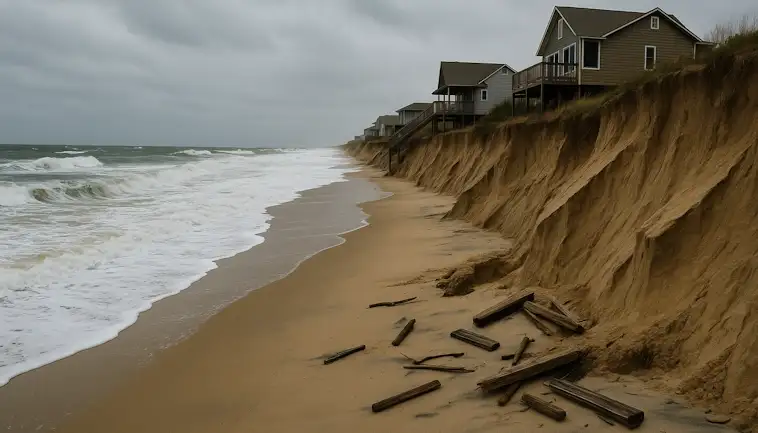
Beach erosion might sound like just a natural part of the coastal cycle—but it’s quickly becoming one of the most urgent environmental issues facing our shorelines today. At its core, beach erosion is the gradual loss of sand and sediment along the coastline, often caused by waves, storms, rising sea levels, and human activities like construction or dredging.
Over time, this process reshapes beaches, pulls sand into the sea, and can even threaten homes, roads, and ecosystems that depend on stable shorelines. In many places, what used to be wide, walkable beaches just a decade ago are now narrow strips of sand or gone entirely.
A Closer Look at the Causes
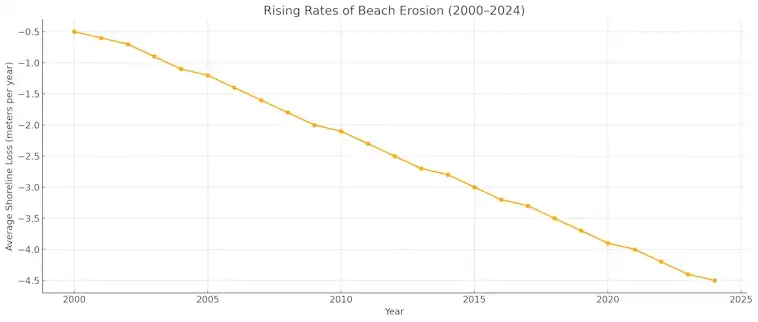
While natural forces like tides and wind always play a role, the pace of beach erosion is accelerating—largely because of climate change. More intense storms and rising sea levels are pushing coastlines back faster than ever. Human development also plays a big role. Seawalls, jetties, and beachfront buildings may protect certain areas temporarily, but they often make erosion worse in others.
In short, our efforts to “hold the line” against nature can backfire. And without thoughtful planning, we risk losing more than just sand—we risk losing vital habitats and billion-dollar tourism economies too.
Why It Matters for the Future
If you think beach erosion only matters to surfers or seaside homeowners, think again. This issue affects coastal cities, fishing industries, local wildlife, and even how we respond to natural disasters. As beaches shrink, they offer less protection from storm surges and flooding. That puts more people and property at risk.
On top of that, tourism dollars dry up when beautiful beaches disappear. In places where tourism is the lifeblood of the local economy, beach erosion can ripple out into lost jobs and shrinking city budgets.
How Climate Change Fuels Beach Erosion
Climate change isn’t just melting ice caps or raising temperatures. It’s also reshaping coastlines—sometimes permanently. One of the clearest signs? Beach erosion is speeding up across the globe.
Warmer oceans, stronger storms, and rising sea levels are all working together to strip sand from our shores. What used to take centuries is now happening in just a few decades. And the result? Vanishing beaches, crumbling cliffs, and coastlines retreating further inland every year.
Sea Level Rise: The Hidden Force
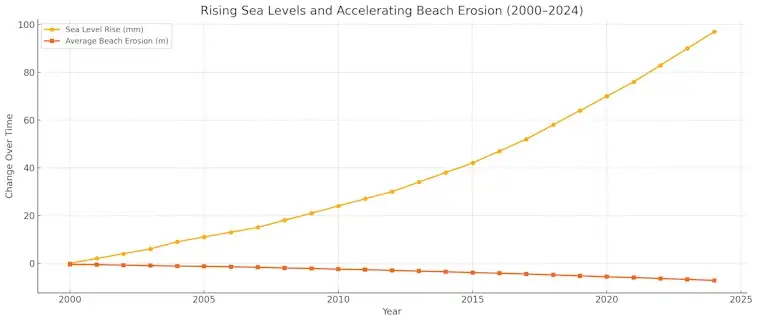
As global temperatures climb, glaciers and polar ice are melting at record rates. That meltwater raises sea levels, which gives waves more energy to wash away sand during high tides and storms.
Even a small rise in sea level—just a few inches—can make a big difference. It means waves reach further up the beach, eroding dunes and weakening natural barriers. Over time, that adds up to major losses in beach width and height.
Stronger Storms, Bigger Impact
Climate change also fuels more intense hurricanes and coastal storms. These storms bring powerful waves and storm surges that can wipe out entire stretches of coastline in just one event.
What’s more, beaches need time to recover between storms. But when big weather events hit more frequently, there’s no time for sand to naturally return. That leads to long-term damage and, in some cases, the complete loss of certain beaches.
Looking Ahead
If we don’t slow the pace of climate change, beach erosion will continue to accelerate. That puts coastal homes, wildlife habitats, and entire economies at risk.
Understanding the link between climate change and erosion is the first step toward smarter coastal planning. The next step? Taking action—before the tides take more than just the sand.
The Hidden Costs of Beach Erosion on Communities
When most people think of beach erosion, they picture shrinking coastlines or lost stretches of sand. But for many communities, the impact runs much deeper. Behind the disappearing beaches are rising costs—economic, environmental, and emotional—that are often overlooked.
From lost tourism revenue to damaged infrastructure, beach erosion quietly drains local economies and reshapes how people live, work, and plan for the future.
Coastal Economies on the Brink
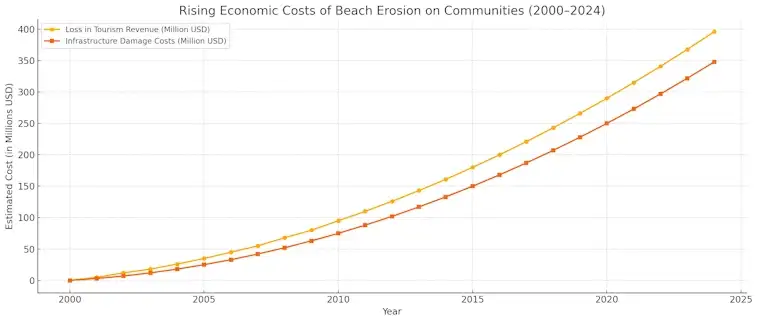
Many coastal towns rely heavily on beach tourism. Visitors come for the views, the water, and the experience of walking along a wide, sandy shore. But when beaches erode, that draw fades. Hotels see fewer bookings, restaurants lose business, and local shops struggle to stay open.
In places where tourism drives most of the local income, the loss of even a small beach can ripple out in big ways—causing job losses and reduced funding for schools, parks, and community services.
Infrastructure at Risk
Eroding beaches also mean less natural protection against storms and flooding. Without that buffer, roads, homes, and public buildings near the coast become more vulnerable. Each storm that rolls in does more damage than the last, leading to higher repair costs and insurance premiums.
Some communities are already facing tough choices: spend millions on beach nourishment projects, relocate infrastructure, or risk repeated storm damage.
The Bigger Picture
Beach erosion isn’t just an environmental issue—it’s a community issue. It touches nearly every part of coastal life, from jobs and homes to public safety and planning. As sea levels continue to rise, these challenges will only grow more urgent.
Recognizing these hidden costs is the first step. The next is taking action—through smart policy, investment in natural solutions, and climate resilience planning. Because if we wait too long, the price of doing nothing will be far greater.
Can We Stop Beach Erosion Before It’s Too Late?
The good news? Beach erosion isn’t entirely out of our hands. While we can’t stop waves or control the tides, we can take meaningful steps to slow erosion and protect our coastlines. The key is acting before the damage becomes irreversible.
From nature-based solutions to smarter coastal planning, there are proven ways to reduce the impact of erosion—if communities, governments, and individuals are willing to get involved.
Nature as Our Best Defense
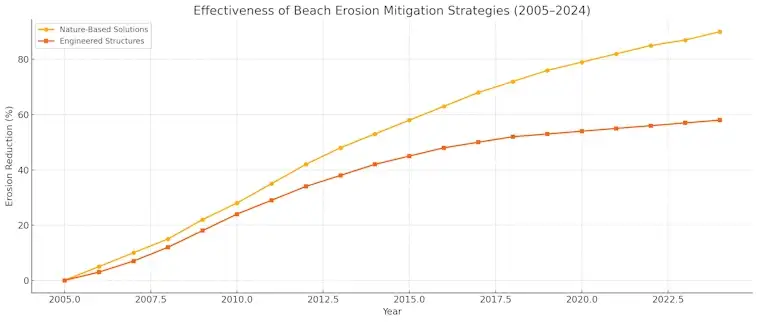
One of the most effective ways to fight beach erosion is by working with nature, not against it. Restoring sand dunes, planting native vegetation, and preserving wetlands all help absorb wave energy and hold sand in place.
These natural buffers don’t just protect the beach—they also provide habitats for wildlife and help filter stormwater. Plus, they’re often more affordable and sustainable in the long run than man-made structures like seawalls or groins.
Smarter Development, Stronger Shorelines
Coastal development plays a big role in erosion. Building too close to the waterline, removing vegetation, or altering the shoreline can make erosion worse. That’s why local governments need stronger regulations that limit construction in high-risk areas and encourage more resilient designs.
Communities can also invest in beach nourishment projects—carefully adding sand to eroded areas to rebuild the shoreline. While it’s not a permanent fix, it can buy valuable time and reduce the immediate risks to property and infrastructure.
The Time to Act Is Now
Beach erosion won’t solve itself. But if we combine science, policy, and community action, we can slow its pace and protect the coastlines that so many people—and ecosystems—depend on.
Every step we take today builds a stronger, more resilient tomorrow. The real question isn’t can we stop beach erosion. It’s will we?
Beach Erosion Solutions That Actually Work
Beach erosion might seem unstoppable, but proven solutions are making a real difference around the world. From restoring natural defenses to using smarter engineering, communities are finding practical ways to protect their shorelines—without sacrificing beauty or breaking the bank.
These solutions aren’t just effective; they’re also scalable, sustainable, and increasingly popular as climate pressures rise.
Restoring Nature’s Defenses
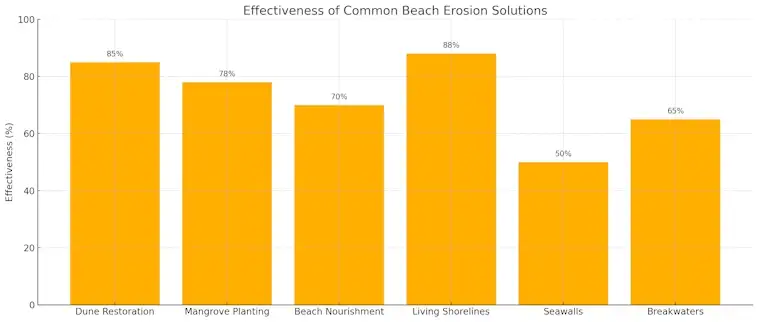
One of the most powerful ways to slow erosion is by restoring the natural features that protect our coasts. Sand dunes, mangroves, wetlands, and even oyster reefs act as living barriers. They absorb wave energy, hold sediment in place, and help rebuild beaches over time.
Planting dune grass, rebuilding barrier islands, and protecting existing ecosystems can often do more for erosion control than concrete structures—and they bring added benefits like wildlife habitat and improved water quality.
Smarter Engineering, Better Results
That doesn’t mean there’s no role for human innovation. When used thoughtfully, structures like offshore breakwaters, submerged reefs, and beach nourishment projects can significantly reduce erosion.
The key is designing these solutions to work with the natural movement of sand and water, not against it. More and more coastal engineers are blending nature with technology—an approach called “living shorelines.” It’s a modern way to protect beaches without causing more damage down the line.
A Blueprint for Resilience
Every coastline is different, so the best solutions are those tailored to local conditions. But one thing is clear: doing nothing is no longer an option. With the right mix of nature and science, we can build more resilient shores—and protect the people, places, and ecosystems that rely on them.
Beach erosion may be a growing problem, but we already have the tools to start turning the tide.
The Tide Is Turning—But So Can We
Beach erosion isn’t just a distant threat. It’s a growing crisis that’s already reshaping coastlines, endangering homes, and straining local economies. As sea levels rise and storms grow stronger, the loss of sand is speeding up—and with it, the risks to communities, ecosystems, and livelihoods.
But this story isn’t set in stone. With smart planning, nature-based solutions, and stronger climate action, it’s possible to slow erosion and protect what matters most. The time to act is now. Not just to save beaches, but to safeguard the future for everyone who depends on them.
The coastline is changing. The real question is—what will we do about it?