

The Truth About Palm Oil Plantations and Deforestation
The Truth About Palm Oil Plantations and Deforestation
Palm oil is everywhere. It’s in food, cosmetics, cleaning products, and even biofuels. Yet behind its global demand lies one of the most controversial environmental issues of our time—deforestation caused by palm oil plantations. Forests in Southeast Asia, Africa, and South America are being cleared at alarming rates, making way for rows of oil palm trees.
This transformation doesn’t just change landscapes. It destroys habitats for endangered species like orangutans and tigers, releases massive amounts of carbon into the atmosphere, and threatens the rights of local communities who depend on the land. At the same time, palm oil remains one of the most efficient and cost-effective crops, raising a difficult question: how can the world balance economic needs with environmental survival?
Understanding what’s really happening on the ground is key to finding solutions. By looking at the full picture—how palm plantations fuel deforestation, what “sustainable palm oil” means, and what choices consumers can make—we can see where change is possible.
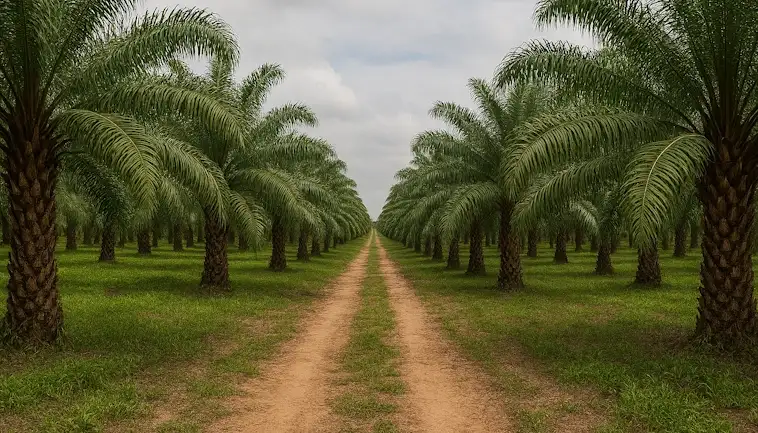
What Palm Oil Is and Why the World Relies on It
Palm oil is one of those everyday ingredients most of us don’t think about—but it’s everywhere. Found in food, cosmetics, cleaning products, and even biofuels, palm oil has become a staple in modern life. Its popularity isn’t random. Palm oil is affordable, efficient, and versatile, which makes it incredibly valuable to industries around the globe.
Unlike some other vegetable oils, palm oil grows in tropical climates with high yields per acre. This means farmers can produce more oil from less land, which is why companies rely on it to meet growing demand. From the snacks we grab at the store to the shampoo in our showers, palm oil plays a quiet but central role in our daily routines.
A Hidden Ingredient in Everyday Life
What’s surprising is just how common palm oil really is. More than half of packaged products in supermarkets contain it. Think cookies, margarine, lipstick, detergent, even ice cream. For many manufacturers, palm oil is the go-to choice because it has a long shelf life and works well in countless recipes and formulas.
So while you may not notice it on the label, palm oil is helping keep products affordable and available worldwide. The world relies on it not just because it’s practical, but because it supports entire industries and economies.
How Palm Oil Plantations Drive Large-Scale Deforestation
Palm oil might be useful, but it comes with a heavy cost. To keep up with demand, vast areas of tropical rainforest are cleared to make room for palm oil plantations. This large-scale deforestation is one of the biggest environmental challenges linked to the industry.
When forests are cut down, wildlife loses its home, carbon is released into the atmosphere, and ecosystems are disrupted. Orangutans, tigers, and countless other species are pushed closer to extinction because their habitats vanish almost overnight.
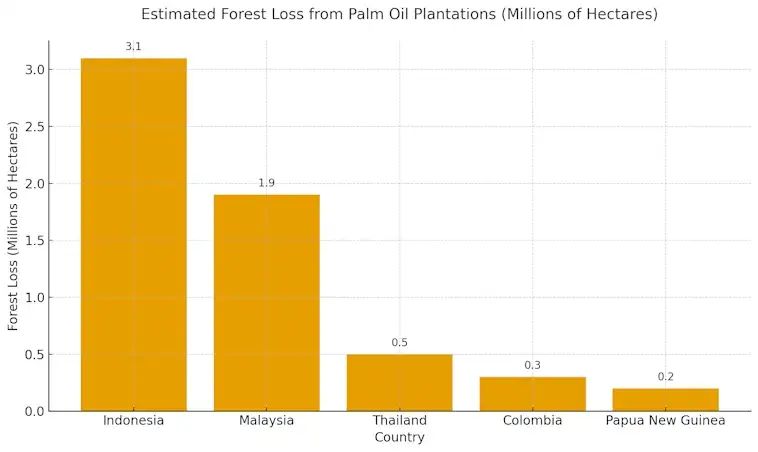
Forests Turned Into Farmland
The process is fast and often destructive. Old-growth forests are burned or bulldozed, leaving behind monoculture plantations that stretch for miles. While this boosts palm oil production, it strips the land of its natural diversity. Rivers become polluted, soil quality drops, and local communities lose the resources they depend on.
The result is a global problem. Deforestation from palm oil doesn’t just affect tropical countries. It fuels climate change that impacts weather patterns, agriculture, and economies worldwide.
The Impact on Wildlife, Climate, and Indigenous Communities
Palm oil is more than just an environmental issue—it’s a human and wildlife crisis too. The expansion of plantations disrupts ecosystems, accelerates climate change, and threatens the rights of Indigenous peoples who have lived on the land for generations.
When rainforests are destroyed, endangered species like orangutans, pygmy elephants, and Sumatran tigers lose their natural homes. These animals often struggle to survive as their habitats shrink, and many are forced into closer contact with humans, which can lead to conflict.
A Triple Threat with Lasting Consequences
Deforestation doesn’t stop at harming wildlife. Burning forests releases massive amounts of carbon dioxide, one of the main drivers of climate change. This contributes to rising global temperatures, unpredictable weather, and a higher risk of natural disasters.
At the same time, Indigenous communities are displaced from their ancestral lands. Many lose access to food, clean water, and cultural heritage tied to the forest. While palm oil provides jobs, the trade-off often means the erosion of traditional ways of life.
Together, these impacts show that palm oil isn’t just an industry challenge—it’s a global responsibility.
Can Sustainable Palm Oil Really Make a Difference?
The idea of “sustainable palm oil” has become more popular in recent years. It’s meant to reduce the damage caused by deforestation while still meeting global demand. But the big question is—does it really work?
Certified sustainable palm oil comes from plantations that follow stricter environmental and social standards. This can mean protecting high-value forests, avoiding illegal burning, and ensuring fair treatment for workers and local communities. On paper, it sounds like a win-win solution.
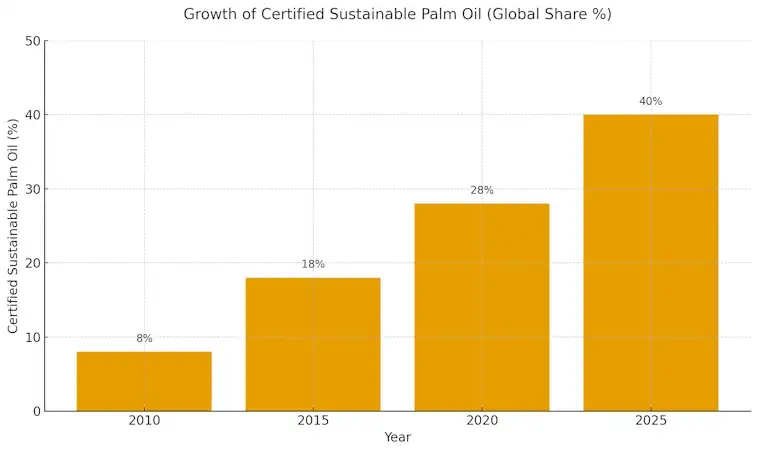
The Promise vs. The Reality
While sustainable palm oil offers hope, it isn’t perfect. Some companies adopt certification to improve their image, yet don’t fully follow through with real change. Others may only meet the minimum requirements. Still, there are success stories where sustainable practices have helped protect habitats and cut back on harmful emissions.
For consumers, supporting sustainable palm oil can send a powerful message. Choosing certified products encourages more companies to make the switch. While it won’t solve the problem overnight, it can push the industry in a better direction.
In the end, sustainable palm oil isn’t a silver bullet—but it’s a step toward balancing human needs with the planet’s health.
What You Can Do to Support Forest-Friendly Choices
It’s easy to feel powerless when hearing about deforestation and palm oil. But the truth is, your daily choices can make a real difference. By supporting forest-friendly options, you help shift demand toward products that protect both people and the planet.
Small Steps, Big Impact
Start by checking labels when you shop. Look for products that use certified sustainable palm oil or clearly state they’re deforestation-free. Many everyday items—like snacks, soap, and cosmetics—already offer better alternatives.
Another simple action is to reduce waste. Buying only what you need and avoiding overconsumption cuts the pressure on industries to keep expanding plantations. Supporting companies with strong sustainability commitments also sends a message that consumers care about how products are made.
Finally, spreading awareness is powerful. Talk to friends, share information online, and support campaigns that push for stronger environmental protections. Change grows when more people get involved.
Together, these steps may seem small, but they add up to a powerful movement for healthier forests and a more sustainable future.
Rethinking Palm Oil for a Sustainable Future
Palm oil plantations have become a global powerhouse, fueling industries from food to cosmetics. But their rapid expansion has come at a heavy price—deforestation, climate change, and the loss of wildlife and Indigenous lands.
The good news is that change is possible. With sustainable practices, stronger regulations, and conscious consumer choices, the palm oil industry doesn’t have to remain destructive. Every step toward certified sustainable palm oil and forest-friendly alternatives brings us closer to protecting rainforests and the communities that depend on them.
As demand for palm oil continues to grow, the real question is not whether we can live without it, but how we can produce and consume it responsibly. Together, we can push for an industry that respects both people and the planet.