

The Storm Ahead: Preparing for Increasingly Erratic Weather
Weather patterns are shifting, and it’s clear we’re in for more surprises. From sudden storms to prolonged droughts, the impacts are real and widespread. Understanding these changes is crucial, not just for our safety, but also for planning our future. Preparing effectively means recognising the risks and knowing how to respond. Let’s talk about what’s happening with our weather and how we can stay one step ahead.
The Storm Ahead: Preparing for Increasingly Erratic Weather
What You’ll Discover
Understanding Climate Volatility
The Economic Impact of Weather Disruptions
Health and Safety Concerns
Building Resilient Communities
Technological Innovations in Weather Forecasting
Government Policies and Global Cooperation
Personal Preparedness Strategies
The Future of Our Climate
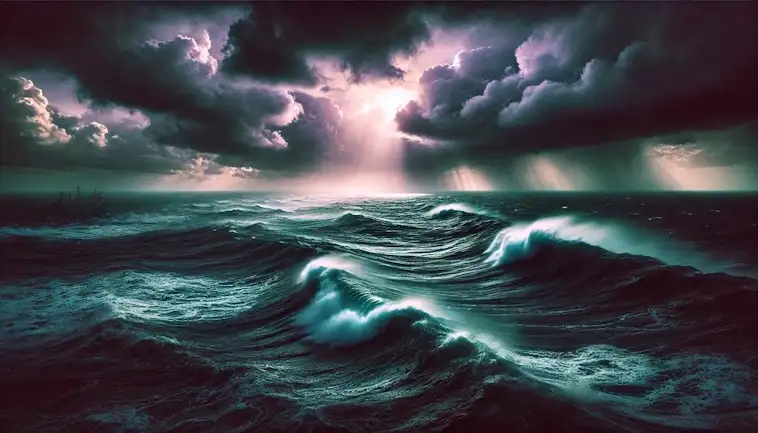
Understanding Climate Volatility
Climate volatility refers to the increasing unpredictability and extremes in weather patterns that we’re experiencing globally. It’s a topic that’s not only critical to understand but also fascinating when we dive into the science behind it.
The Role of Global Warming
Global warming plays a central role in climate volatility. Here’s how it works:
- Temperature Increases: The Earth’s surface temperature has been steadily rising, mainly due to the burning of fossil fuels like coal, oil, and natural gas. This leads to higher temperatures, which are not uniform across the globe.
- Altered Atmospheric Conditions: As the surface temperature increases, it affects the atmosphere. Warmer air holds more moisture, which can lead to more intense and frequent rainstorms. Conversely, in regions where the air becomes drier, droughts can become more severe.
- Ocean Impact: The oceans absorb much of this extra heat from the atmosphere. This not only raises sea temperatures but also affects ocean currents, which play a crucial role in weather patterns. For instance, warmer oceans can lead to more powerful tropical storms.
Increased Frequency and Severity of Weather Events
The impact of global warming on atmospheric conditions directly translates to more frequent and severe weather events. Here’s what that looks like:
- Storms and Hurricanes: Warmer air and sea temperatures create the perfect conditions for more powerful and more frequent hurricanes and storms. The energy from the warm water feeds the storms, increasing their intensity.
- Heatwaves and Droughts: Increased temperatures lead to longer and more severe heatwaves. When it’s hotter, evaporation happens faster, which can exacerbate drought conditions,
- Unpredictable Seasonal Patterns: Traditional patterns of seasons are becoming less predictable. For example, spring might come earlier, or winter might be warmer than usual, disrupting ecosystems and farming schedules.
affecting everything from agriculture to water supplies.
Climate volatility influences our food supply, our homes, our health, and even our economies. Being aware of these changes helps us prepare and adapt to a rapidly changing world. The science is clear that human activities have sped up the rate of climate change, making it a pivotal issue for global cooperation and action.
The Economic Impact of Weather Disruptions
Erratic weather patterns have a wide-reaching impact on economies around the world. Here’s how they shake things up in areas like infrastructure, agriculture, and the overall financial health of both governments and private sectors.
Damage to Infrastructure
Storms, floods, and extreme weather can severely damage infrastructure. For example:
- Roads and Bridges: Heavy rains and floods can wash away roads or weaken the structural integrity of bridges. In 2019, intense flooding in the Midwest of the United States caused over $1.2 billion in road and bridge damage.
- Power Systems: Storms often knock down power lines and can disrupt power grids. Hurricane Ida in 2021, for example, left over a million people without power in Louisiana and significantly damaged the state’s power infrastructure.
Impacts on Agriculture
Agriculture heavily depends on predictable weather patterns, and when those patterns shift, the effects can be devastating:
- Crops Failures: Unusual temperature spikes or unexpected frosts can destroy crops. In 2021, a sudden cold snap in France led to significant losses in wine and fruit production as vineyards and orchards were hit hard.
- Livestock Stress: Extreme heat can cause heat stress to livestock, reducing their ability to produce milk, gain weight, or reproduce. The 2020 heatwaves in California were particularly tough on dairy farms, impacting milk production.
Financial Burden on Governments and Private Entities
The financial implications of erratic weather are enormous:
- Recovery and Repair Costs: Post-disaster recovery and repairs can be very costly. Governments often have to spend billions to rebuild after major events. For example, the total economic impact of Hurricane Harvey in 2017 was estimated at $125 billion.
- Insurance Claims: As more severe weather events occur, insurance claims rise. This increases premiums for everyone. After consecutive years of wildfires and hurricanes, some U.S. states saw home insurance rates increase by over 20%.
- Economic Disruption: Severe weather can shut down businesses, reduce agricultural output, and disrupt trade routes. The 2018 California wildfires, for instance, caused significant economic disruptions, affecting businesses not just locally but also nationally as supply chains were interrupted.
Whether it’s improving infrastructure to withstand extreme weather, adjusting agricultural practices to new conditions, or planning for financial resilience, being aware allows us to mitigate these impacts. It also underscores the importance of addressing climate change proactively to reduce these costly and disruptive effects in the future.
Health and Safety Concerns
Erratic weather isn’t just about inconvenience. It brings real health risks that can affect all of us in various ways. Let’s look at some of these risks and how we can stay safe.
Heat-Related Illnesses
Hotter temperatures can lead to serious health issues like heatstroke, especially during heatwaves.
- Heatstroke happens when your body overheats and can’t cool down. It can be very dangerous and needs immediate treatment.
- Dehydration and heat exhaustion are also common when it’s very hot.
Respiratory Problems
Poor air quality often comes with erratic weather. This can be from wildfires, dust storms, or pollution.
- Smoke from wildfires can make it hard to breathe and irritate your lungs.
- High pollution levels can exacerbate asthma or other respiratory conditions.
Spread of Diseases
Changing weather can help some diseases spread more easily.
- Mosquito-borne diseases like Zika or West Nile virus can increase with more standing water from heavy rains.
- Waterborne diseases can spread after flooding, especially if water supplies get contaminated.
Safety Tips During Extreme Weather
Knowing what to do when extreme weather hits can keep you and your loved ones safe.
During Heatwaves
- Stay hydrated. Drink plenty of water, even if you’re not thirsty.
- Stay indoors during the hottest part of the day. If you don’t have air conditioning, find a community cooling centre or a public place like a library.
- Wear light, loose clothing and a hat if you go outside.
When Air Quality is Poor
- Stay indoors with windows closed if there is smoke or smog outside.
- Use air purifiers to help keep indoor air clean.
- Limit outdoor exercise to keep from breathing harmful air deeply.
To Prevent Disease Spread
- Use insect repellent and wear long sleeves and pants to prevent mosquito bites.
- Boil water if you’re unsure about its cleanliness after flooding.
Erratic weather patterns pose various health risks, from heat-related illnesses to respiratory issues and the spread of diseases. By understanding these risks and knowing how to protect ourselves, we can maintain our health and safety even when the weather does its worst. Let’s stay informed, prepared, and proactive!
Building Resilient Communities
Harsh weather can hit hard, but communities can strengthen their resilience with smart planning and teamwork. Let’s explore how improved urban planning, building codes, and community initiatives can make a big difference.
Improved Urban Planning
Urban planning plays a crucial role in making communities safer:
- Flood-Resistant Infrastructure: Building parks, wetlands, and green roofs can help absorb rainwater and reduce flooding.
- Efficient Drainage Systems: Upgrading drainage systems prevents water from accumulating and causing damage during heavy rains.
Stronger Building Codes
Building codes need to be strict to stand up to severe weather:
- Durable Materials: Using stronger materials in construction can help buildings withstand high winds and heavy rains.
- Elevated Structures: In flood-prone areas, building homes and buildings on stilts or elevated platforms can prevent water damage.
Community-Based Initiatives
Community efforts are essential for enhancing preparedness:
- Emergency Preparedness Workshops: These workshops can teach residents how to prepare for different types of severe weather.
- Community Response Teams: Training local teams to respond in emergencies ensures that help is available quickly when needed.
Enhancing Response Capabilities
Quick and effective response capabilities can save lives:
- Early Warning Systems: Installing advanced warning systems gives residents more time to take shelter or evacuate if necessary.
- Stocked Emergency Shelters: Having shelters ready with supplies like food, water, and medical aid can provide immediate relief after a disaster.
Safety Tips for Communities
Here are some practical steps communities can take to prepare for harsh weather:
- Create an Emergency Plan: Every household should have a plan that includes evacuation routes and emergency contacts.
- Build Community Networks: Knowing your neighbours and building a community network can be vital during emergencies. Helping each other out makes everyone stronger.
By improving urban planning, enforcing stronger building codes, and fostering community-based initiatives, communities can become more resilient against harsh weather. It’s all about preparation, collaboration, and building smarter. Together, we can face the challenges that severe weather brings and keep our communities safe and thriving.
Technological Innovations in Weather Forecasting
Weather prediction has come a long way, thanks to some incredible technological advancements. Let’s talk about how new tools like better satellites, AI, and machine learning are helping us stay a step ahead of severe weather.
Satellite Improvements
Satellites are our eyes in the sky. They give us a clear view of weather patterns from space.
- More Detailed Images: New satellites can capture high-resolution images of weather systems. This helps meteorologists see storm developments in real-time.
- Advanced Sensors: Modern satellites have sensors that measure temperature, humidity, and even wind speeds at different altitudes.
AI and Machine Learning
Artificial intelligence (AI) and machine learning are changing the game in weather prediction.
- Pattern Recognition: AI can analyse huge amounts of data from past weather events. It looks for patterns that human forecasters might miss.
- Faster Predictions: Machine learning models can crunch data quickly. This means they can update weather forecasts in minutes, not hours.
Utilisation by Governments and Individuals
Both governments and individuals can use these tools to make better decisions during severe weather events.
- Governments: They can use advanced forecasts to decide when to evacuate areas or where to send emergency aid. This information can save lives and property.
- Individuals: Regular people can use apps and websites that incorporate these technologies. This helps them know when to take shelter or change travel plans.
Safety Tips
Here are some ways to make the most of these technological advances:
- Download a Weather App: Use an app that sends real-time alerts. This will keep you informed about severe weather in your area.
- Stay Updated: Check your local weather forecasts regularly. Knowing what to expect can help you prepare better.
- Learn to Use Tools: Some tools allow you to view satellite images or use AI-based predictions yourself. Explore these to understand the weather better.
Thanks to advancements in meteorological technology, we’re getting better at predicting and tracking severe weather. Improved satellites and AI technologies not only help forecasters but also empower governments and individuals. By staying informed and utilising these tools, we can all be more prepared for whatever the weather throws our way.
Government Policies and Global Cooperation
Governments play a crucial role in tackling the effects of erratic weather. Let’s explore how policy decisions, from investing in sustainable infrastructure to embracing renewable energy, can make a big difference.
Investing in Sustainable Infrastructure
Governments are focusing more on building infrastructure that can withstand the challenges of erratic weather.
- Flood Defences: Places like the Netherlands have invested heavily in advanced flood barrier systems, which have become a model for flood prevention worldwide.
- Drought-Resistant Water Systems: In regions prone to drought, like California, investments are being made in water recycling plants and drought-resistant landscaping to conserve water resources.
Pushing for Renewable Energy
Shifting to renewable energy sources is key to reducing the carbon emissions that contribute to climate change.
- Solar and Wind Energy: Countries like Germany and Denmark have made significant strides in solar and wind energy, which now supply a major portion of their energy needs.
- Incentives for Renewables: Many governments offer tax breaks and subsidies to encourage businesses and homeowners to install solar panels or wind turbines.
International Agreements on Climate Change
Working together on a global scale is essential to address climate change effectively.
- The Paris Agreement: This landmark agreement unites countries around the world in reducing carbon emissions. Nations commit to setting ambitious targets and regularly reporting their progress.
- Green Climate Fund: Part of international agreements includes funding to help developing countries adapt to climate change and invest in green technologies.
Areas Needing Improvement
While there have been successes, there’s still much to be done.
- Enforcing Policies: Sometimes, policies are set but not strictly enforced. Stronger enforcement mechanisms are needed to ensure that countries and companies meet their environmental obligations.
- Support for Vulnerable Communities: Often, the poorest communities are the hardest hit by climate change. More policies are needed to protect these communities and help them adapt.
Safety Tips for Policy Engagement
Here’s how you can get involved in shaping these policies:
- Stay Informed: Understand the policies your government is implementing and how they impact your community.
- Vote: Support policies and leaders committed to addressing climate change.
- Community Action: Join local groups that advocate for environmental policies or start initiatives in your community.
Government policy is vital in mitigating the effects of erratic weather and climate change. By investing in sustainable infrastructure, pushing for renewable energy, and participating in international agreements, governments can lead the way in making our world safer and more sustainable. As citizens, staying informed and involved can help ensure these policies are implemented effectively.
Personal Preparedness Strategies
Erratic weather can strike at any time. Being prepared can make all the difference. Here’s some straightforward advice on how to get ready and keep your family safe.
Build an Emergency Kit
An emergency kit is your first line of defence. Here’s what you should include:
- Water and Non-perishable Food: Have at least a three-day supply for each family member.
- Flashlights and Batteries: Power outages are common during severe weather.
- First Aid Kit: Include essential medications and basic first aid supplies.
- Important Documents: Keep copies of important documents, like birth certificates and insurance policies, in a waterproof container.
Create a Family Evacuation Plan
Knowing what to do and where to go is crucial:
- Plan Routes: Identify safe evacuation routes from your home and practice them with your family.
- Communication Plan: Decide how you will contact each other if you get separated.
- Safe Places: Know where your local shelters are and how to get to them.
Secure Your Property
Taking steps to protect your home can help minimise damage:
- Reinforce Windows: Use storm shutters or board up windows to protect them from breaking.
- Secure Outdoor Items: Tie down or bring inside anything that could fly away in strong winds.
- Check Drainage: Ensure your gutters and drainage pipes are clear to prevent flooding.
Stay Informed
Keeping up with the latest weather reports is essential:
- Weather Apps: Download a weather app that alerts you to severe conditions in your area.
- Local News: Pay attention to local news for updates and emergency instructions.
- NOAA Weather Radio: Consider getting a NOAA weather radio for real-time alerts.
Practice Makes Perfect
Regularly reviewing and practising your plans makes them more effective:
- Drill Regularly: Run through your evacuation plan and use your emergency kit.
- Update Your Plans: As your family or living situation changes, update your plans and supplies accordingly.
Preparing for erratic weather doesn’t have to be overwhelming. With an emergency kit ready, a clear evacuation plan, and steps taken to secure your property, you’ll be in a much better position to keep your family safe. Remember, the key is to plan ahead and stay informed.
The Future of Our Climate
Thinking about the future of climate change can be daunting, but understanding potential scenarios helps us prepare and adapt. Let’s explore what might lie ahead and how we can mitigate severe impacts.
Potential Scenarios
Based on current trends, here are some possibilities:
- More Extreme Weather: If global temperatures continue to rise, we can expect even more severe weather. This includes hotter heatwaves, more intense hurricanes, and increased flooding.
- Shifts in Climate Zones: Some regions might become wetter and others drier, shifting traditional climate zones. This could affect agriculture, wildlife, and water resources.
- Rising Sea Levels: Melting ice caps and expanding seawater could lead to higher sea levels. Coastal cities and islands might face significant challenges.
Actions to Mitigate Impacts
Here’s what can be done to reduce future risks:
- Reducing Carbon Emissions: Switching to renewable energy sources and cutting down on fossil fuel use can slow down global warming.
- Enhancing Infrastructure: Building resilient infrastructure can help communities withstand extreme weather.
- Restoring Natural Environments: Protecting forests, wetlands, and oceans can absorb excess carbon and stabilise local climates.
How Predictability Might Improve
Advancements in technology could also improve our ability to predict and manage weather risks:
- Better Models: As we understand more about climate systems, prediction models will become more accurate.
- Technology Integration: Integrating AI and big data can lead to faster and more precise weather forecasts.
- Public Awareness and Education: Educating people about climate change and preparedness can improve community response during severe weather.
Safety Tips for a Changing Climate
Staying safe as the climate changes involves being proactive:
- Stay Informed: Keep up with the latest climate research and weather forecasts.
- Engage with Community Efforts: Participate in local initiatives to combat climate change.
- Invest in Sustainable Practices: Consider how your lifestyle choices can reduce your carbon footprint.
The future of climate change and weather predictability depends on both natural trends and human actions. By understanding what could happen and taking steps to mitigate the effects, we can protect our planet and prepare for a more sustainable future.
Conclusion
As we look toward the future, it’s clear that erratic weather will be part of our everyday lives. Preparing for these changes is more than just a precaution; it’s a necessity. By building strong emergency kits, creating detailed family evacuation plans, and securing our homes, we can face these challenges head-on. Staying informed and engaged in community and global efforts to combat climate change is equally important. Together, we can forge a path that keeps us safe and preserves our environment for future generations. Let’s embrace these steps with optimism and determination, ready to tackle whatever the weather throws our way.