

The Startling Impact of the Polar Thaw on Our Planet
The polar regions are melting at an alarming rate, and this rapid thaw has far-reaching effects on our planet. From rising sea levels to disrupted wildlife habitats, the consequences are both immediate and profound. As ice caps melt, not only do sea levels rise, but weather patterns worldwide also shift, leading to unpredictable climate changes. Understanding these impacts is crucial for preparing and adapting to our changing world. Let’s take a closer look at how this polar thaw is reshaping the Earth and what it means for our future.
The Startling Impact of the Polar Thaw on Our Planet
What You’ll Discover
What’s Driving the Polar Thaw?
Sea Level Surge and Its Global Ramifications
Wildlife and Habitats in Peril
How Thawing Poles Shift Global Weather Patterns
The Economic Impact: Industries at the Brink
Human Impact: Communities Confronting Change
International Responses to a Warming World
Individual Actions and Global Solutions
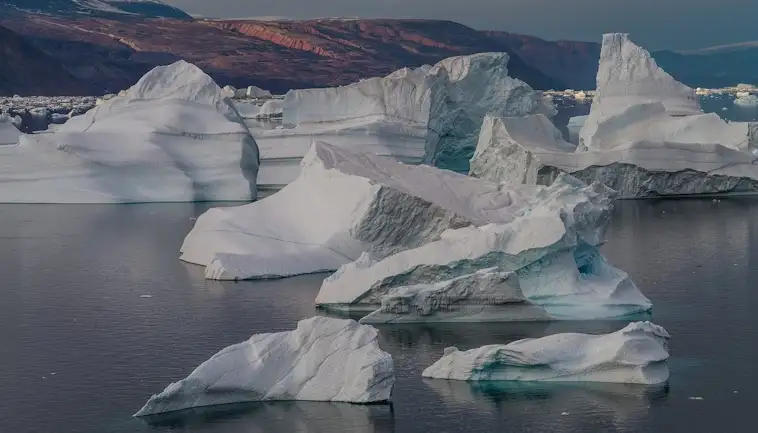
What’s Driving the Polar Thaw?
The polar regions are extremely sensitive to temperature changes. Even small increases in global temperatures can lead to significant ice melt. This happens because the ice and snow in these regions normally reflect sunlight back into space, a process known as the albedo effect. When ice melts, it exposes darker ocean or land underneath, which absorbs more sunlight and warms the planet further, leading to more ice melt. This cycle is a key reason polar regions are warming faster than most other parts of the world.
A major driver of the warming trend is the increase in atmospheric CO₂ levels, which comes largely from human activities like burning fossil fuels and deforestation. CO₂ is a greenhouse gas, which means it traps heat in the earth’s atmosphere. As we release more CO₂, it enhances the greenhouse effect, warming the planet. This temperature rise accelerates the melting of polar ice.
Scientists are keeping a close eye on these trends and using them to make predictions about future thawing. They use complex models to forecast how different levels of greenhouse gas emissions will affect temperatures and ice cover. Their predictions generally show that if CO₂ levels continue to rise at the current rate, polar ice will keep melting at an accelerating pace. This could lead to higher sea levels and other dramatic changes in our environment.
The interplay between natural variability and human-induced climate change makes the situation in polar regions especially complex and concerning. While natural variability, like volcanic eruptions or changes in solar radiation, has always affected climate, the human influence in recent centuries has become a dominant factor driving rapid and unprecedented changes. The melting of polar ice is just one of the visible signs of these broader shifts in our planet’s climate system.
Sea Level Surge and Its Global Ramifications
When polar ice melts, especially the ice that’s on land like the Greenland and Antarctic ice sheets, it adds a lot of fresh water into the oceans. This extra water causes sea levels to rise. Ice that’s already in the water, like sea ice, doesn’t raise sea levels when it melts. But it does affect marine habitats and local climates.
As sea levels rise, coastal regions face several threats. Flooding has become more common and severe, which can damage homes, businesses, and critical infrastructure. Erosion can also increase, wearing away at coastlines and sometimes causing land to disappear altogether. For low-lying nations, particularly island nations like the Maldives or parts of Bangladesh, the situation is dire. These places could become partially or completely submerged if sea levels continue to rise.
Looking at timelines, these events are already happening, but they’re expected to accelerate over the next few decades. By 2100, scientists predict that sea levels could rise by as much as one meter (about three feet) if greenhouse gas emissions continue at high rates. This scenario would drastically change the geography of coastal and low-lying areas, displacing millions of people and causing widespread economic impacts.
In the long term, the consequences of rising sea levels and the associated impacts like flooding and erosion could reshape where and how we live. It might lead to large migrations away from coasts, changes in where food is grown, and new policies to manage water and land use. Addressing these challenges requires planning and action both locally and globally to manage the risks and protect vulnerable communities.
Wildlife and Habitats in Peril
The melting ice in the polar regions is tough on local wildlife, especially for creatures like polar bears, seals, and penguins.
Polar bears need ice to catch their food, mainly seals. But as the ice melts faster and forms later each year, these bears find it harder to hunt. They end up with less food, which can make them weaker and less able to survive the harsh conditions.
Seals face similar issues. They rely on ice platforms for resting and giving birth. Less ice means fewer safe spots for them and their babies, making them more vulnerable to predators and rough seas.
Penguins, especially those in Antarctica like the Emperor penguins, need stable ice to breed. Melting ice means their eggs and chicks are exposed to more danger, from being swept away by water to being unable to stay warm.
This disappearing ice doesn’t just affect these animals directly. It also hits their food sources. Many small marine creatures depend on algae that grow on the underside of the ice. When there’s less ice, there’s less algae, which means less food for the creatures higher up the food chain, including fish, seals, and whales.
What does all this mean for biodiversity? In simple terms, it’s bad news. These animals are built to survive in specific cold conditions. When those conditions change too fast for them to adapt, it can lead to fewer of them. This loss affects the whole ecosystem, making it less diverse and more vulnerable to other stresses like pollution.
So, the thawing ice is more than just a change in scenery. It’s a real threat to the animals and the balance of life in polar regions.
How Thawing Poles Shift Global Weather Patterns
When the polar ice melts, it doesn’t just affect the animals and people who live close by—it impacts weather all over the world.
First, the melting ice changes how the ocean currents move. These currents are like giant conveyor belts that carry warm and cold water around the globe. When fresh water from melting ice mixes into the ocean, it can slow down these currents. This affects the heat distribution across the planet, which can change weather patterns far away from the poles.
Next, there’s the effect on jet streams. Jet streams are fast-flowing air currents high in the atmosphere that also help move weather around. When the Arctic warms quickly—which it is, thanks to the ice melting—it makes the temperature difference between the Arctic and the equator smaller. This can cause the jet streams to wobble and slow down. When jet streams move slowly, weather patterns can get stuck. This might mean longer, more intense heatwaves in one place, or extended cold spells in another.
These changes can lead to more extreme weather events. For example:
- Heatwaves: When a jet stream locks a warm air pattern in place, it can lead to unusually long and intense heatwaves.
- Cold spells: Similarly, a stuck jet stream can keep cold air from the Arctic hovering over a region longer than usual, creating severe cold spells.
- Hurricanes: Warmer oceans can lead to more powerful hurricanes. As the ice melts and the seas warm up, hurricanes can gain more energy and become more destructive.
So, as the polar ice continues to melt, it’s not just a local problem. It’s a global one that influences the weather you experience, no matter where you live. The changes happening in the Arctic and Antarctic are connected to the increasing frequency of extreme weather events all around the world, affecting millions of people far from the poles.
The Economic Impact: Industries at the Brink
The melting ice in the polar regions isn’t just reshaping landscapes; it’s also transforming economies.
- Shipping: As the ice melts, new shipping routes are opening up across the Arctic. These routes are shorter than traditional paths, like those through the Suez Canal, which can save a lot of time and money for shipping companies. However, navigating these icy waters is still risky and requires specialised ships.
- Natural Resource Extraction: With less ice, areas rich in natural resources like oil, gas, and minerals are becoming more accessible. This could lead to a boom in mining and drilling, providing economic benefits and jobs. But extracting these resources can be damaging to the environment. It also raises serious concerns about spills and accidents in such fragile ecosystems.
- Tourism: The unique beauty of polar regions draws tourists looking for adventure and pristine natural landscapes. Tourism can bring money to local communities and increase awareness about conservation issues. Yet, an increase in visitors can strain local resources and harm the environment if not managed carefully.
- New Opportunities: The opening of the Arctic and Antarctic presents new opportunities for scientific research and development. Scientists can study areas that were previously covered in ice to learn more about the Earth’s history and climate.
- Risks: However, these opportunities come with risks. Political tensions could rise as countries vie for control over new passages and untapped resources. Environmental risks are also significant, as increased human activity could disrupt wildlife and pollute these pristine areas.
The changes in the polar regions are opening up new economic pathways but also present complex challenges. Balancing economic growth with environmental protection and safety will be crucial as these areas continue to evolve.
Human Impact: Communities Confronting Change
As the Arctic landscape changes due to warming climates, the Indigenous communities living there are facing big challenges. These communities have traditions and ways of life that are deeply connected to the land and its seasons.
- Traditional Ways of Life: For generations, Indigenous peoples have relied on hunting, fishing, and gathering for food and materials. Now, with the ice melting and animal migration patterns changing, these traditional activities are becoming more difficult. For example, thinner ice makes it riskier to hunt seals or travel by snowmobile or dog sledge.
- Community Relocation: In some areas, the thawing permafrost and rising sea levels are forcing entire communities to consider relocating. This is a huge challenge. Moving away from the land that has supported them for centuries is a physical shift and a deeply emotional one. It affects their identity and community spirit.
- Social and Cultural Impacts: The environmental changes are also bringing social challenges. Younger generations might look for opportunities away from their villages, leading to changes in family structures and community dynamics. Also, the influx of businesses and workers coming to exploit natural resources or new shipping routes can disrupt local life and sometimes lead to social issues.
- Adapting Strategies: Despite these challenges, Indigenous communities are finding ways to adapt. They are actively involved in local and international discussions about climate change, advocating for their rights and sharing their knowledge about the land. Some communities use modern technology to track changes in the environment, helping them decide the best times and places to hunt and gather.
In all of this, the resilience of these communities is clear. They are confronting the impacts of climate change head-on, trying to preserve their way of life while adapting to an inevitably changing world.
International Responses to a Warming World
As the polar regions experience significant changes due to ice melt, political and legal actions are being taken to address the challenges. These efforts range from international treaties to national policies, all aimed at reducing the impacts and protecting these sensitive environments.
- International Treaties: A key international treaty is the Arctic Council, which includes countries like the USA, Canada, Russia, and several Nordic countries. This council promotes cooperation on environmental protection, sustainable development, and the well-being of Indigenous peoples in the Arctic. They work together to manage the changes and challenges brought by the melting ice.
- National Policies: Individual countries are also updating their policies. For example, many nations with Arctic coastlines are creating stricter regulations on offshore drilling and shipping to prevent oil spills and reduce pollution. They’re also investing in more sustainable practices for mining and resource extraction to minimise environmental damage.
- Cooperative Efforts: Countries and organisations are increasingly working together to share research and resources. This cooperation helps them better understand the effects of climate change in polar regions. For example, scientific collaborations provide data that shape policies aimed at protecting wildlife and habitats affected by the thaw.
- Environmental and Economic Balance: Balancing environmental protection with economic interests is a significant focus. While some regions see the potential for economic benefits from new shipping routes and resource extraction, there is a strong push to ensure these activities do not harm the local ecosystems or the global climate.
- Legal Challenges and Rights: There’s also a legal aspect to protecting the rights of Indigenous peoples whose homes and ways of life are threatened by the changing climate. Laws and regulations are being adapted to ensure these communities are protected and have a say in the decisions that affect their lands and futures.
The response to the melting ice in polar regions is multi-faceted, involving international cooperation, national policy shifts, and a focus on balancing various interests to ensure the protection and sustainable use of these rapidly changing environments.
Individual Actions and Global Solutions
Everyone can play a part in combating the polar thaw, and there are practical steps you can take in your daily life to make a difference.
- Reduce Carbon Footprint: One of the most impactful ways to help is by reducing your own carbon emissions. This can mean using public transportation, biking, or carpooling instead of driving alone. Consider upgrading to energy-efficient appliances and making sure your home is well-insulated to save both energy and money.
- Support Renewable Energy: If you can, switch to a green energy provider that uses renewable sources like wind or solar power. You can also look into installing solar panels on your home if it’s possible.
- Waste Less: Try to reduce waste by recycling, composting, and choosing reusable products over disposable ones. Buying less and choosing second-hand when possible can also reduce the demand for new products, which in turn lowers industrial carbon emissions.
- Eat Sustainably: Eating more plant-based meals can significantly lower your carbon footprint. Agriculture, especially meat and dairy production, is a major source of greenhouse gases. Even a few meat-free meals a week can make a big difference.
- Advocate for Change: Stay informed about climate issues and use your voice to advocate for stronger environmental policies. This can mean voting for leaders committed to fighting climate change, supporting environmental organisations, or even writing to your local representatives to express your concerns and suggestions.
- Educate Others: Share your knowledge and concerns about climate change with friends and family. The more people are aware of the issue, the more pressure can be put on governments and companies to make sustainable changes.
- Take part in Community Initiatives: Join or support local groups working on environmental projects like tree planting, clean-ups, or sustainability workshops. Being part of a community effort can amplify your impact.
By taking these steps, you’re not just helping to combat the polar thaw; you’re also contributing to a healthier planet for future generations. Every small change adds up to a big difference!
Conclusion
The polar thaw is reshaping our world in profound ways. It affects everything from local wildlife and global weather patterns to economic and social systems. While the situation might seem daunting, our actions have power.
By making informed choices, advocating for meaningful change, and taking part in community efforts, we can help mitigate the impacts of this global challenge. Let’s take responsibility and inspire others to do the same, ensuring a healthier planet for future generations.
Together, we can make a significant difference in preserving the unique and important polar regions.