

The Simple Ways Cover Crops Save Time and Money
The Simple Ways Cover Crops Save Time and Money
Healthy soil is the foundation of profitable farming, and cover crops are one of the easiest ways to protect it. They do more than just enrich the ground—they cut down on fertilizer needs, reduce weeds, and save countless hours in the field. By using cover crops strategically, farmers can lower input costs, improve yields, and create a more resilient system that pays off season after season. With simple changes, the right cover crops can keep fields productive while also putting more time and money back into a farmer’s hands.
How Cover Crops Improve Soil Health and Reduce Costs
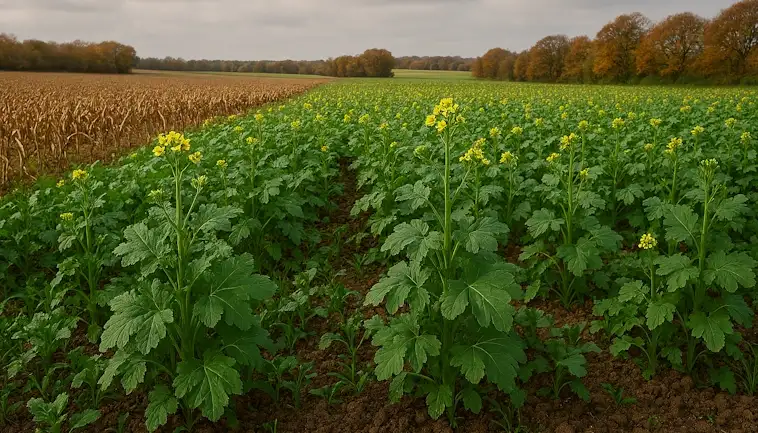
Healthy soil is the backbone of any successful farm or garden. But over time, soil can lose nutrients, compact, and become less productive. That’s where cover crops come in. These “helper plants” are grown not to harvest but to protect and enrich the soil. They work behind the scenes to build fertility, improve structure, and even save money in the long run.
Cover crops aren’t just a trend—they’re a smart strategy. By planting them in between cash crops, farmers and gardeners can cut down on fertilizer costs, reduce erosion, and support long-term soil health. The result is stronger plants, healthier yields, and lower expenses.
A Secret Weapon for Healthier Soil
One of the biggest benefits of cover crops is how they feed the soil. Plants like clover or rye pull nutrients from deep layers of the ground and bring them back to the surface. When the cover crop breaks down, those nutrients return to the topsoil where your crops need them most. This natural recycling process means less dependence on synthetic fertilizers.
On top of that, cover crops improve soil texture. Their roots break up hard ground, making it easier for water to soak in and for cash crops to grow. Less runoff also means fewer nutrients are lost, keeping the soil balanced and fertile.
Time-Saving Benefits Farmers Often Overlook
Farming is hard work. Long days, unpredictable weather, and endless tasks can make it feel like there’s never enough time. But here’s the truth: not every task has to be a struggle. Many farmers miss out on time-saving opportunities that can make their operations smoother and less stressful.
Small changes can create big results. Whether it’s adopting smarter tools, rotating tasks more efficiently, or rethinking old habits, saving time often leads to saving money too. And when time pressures ease, farmers can focus more on what really matters—healthy crops, thriving animals, and a balanced life.
The Hidden Value of Better Planning
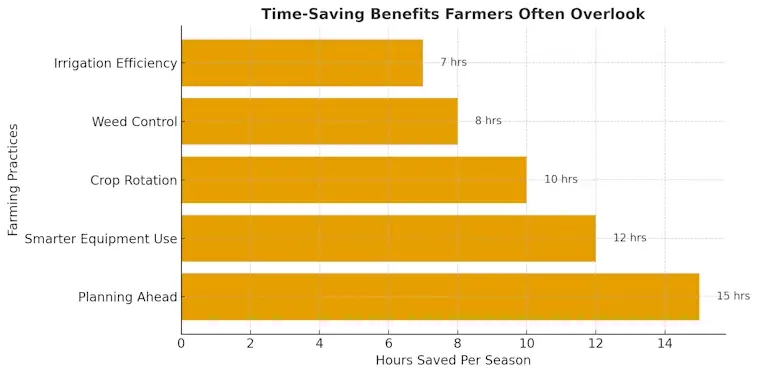
One of the biggest time-savers is something simple: planning ahead. By mapping out field work, equipment checks, and crop rotations before the season gets busy, farmers can avoid last-minute scrambles. A little extra time upfront often prevents costly delays later.
Planning also reduces stress. When you know what’s coming next, it’s easier to prepare, prioritize, and delegate tasks. This means fewer wasted trips across the field, fewer equipment breakdowns at the worst possible moment, and more predictable harvest days.
Cutting Back on Chemicals Without Cutting Yields
For decades, many farms have leaned heavily on chemical fertilizers and pesticides. They promise quick fixes, but they also come with high costs and long-term risks to soil health, water quality, and even profit margins. The good news? Farmers don’t have to rely on chemicals as much as they think. In fact, cutting back doesn’t mean sacrificing yields. With the right strategies, you can grow just as much—if not more—while building healthier land for the future.
Farmers around the world are discovering that nature often provides its own solutions. From cover crops to integrated pest management, there are practical ways to reduce chemical use while keeping crops strong and productive.
The Power of Natural Allies
One overlooked tool is beneficial insects. Ladybugs, lacewings, and bees are more than just garden favorites—they help control pests and improve pollination. By encouraging biodiversity on the farm, you can let these natural allies handle part of the workload that chemicals used to cover.
Healthy soil is another key. When soil has plenty of organic matter, it holds nutrients longer and releases them more steadily. That means plants get what they need without as much fertilizer. Practices like composting or adding cover crops build this resilience year after year.
Why Cover Crops Make Farming More Efficient
Efficiency is everything in farming. Every hour saved, every resource protected, and every input reduced adds up to stronger profits and less stress. That’s where cover crops shine. They aren’t grown to harvest, but they deliver big returns by supporting the soil, reducing labor, and keeping fields in top condition.
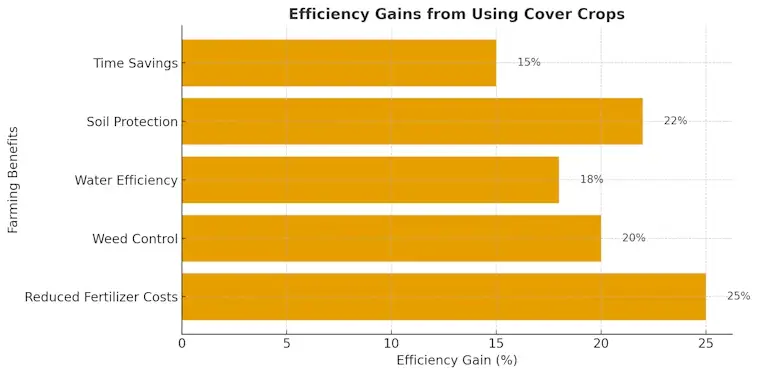
Farmers who use cover crops often find they spend less on fertilizers, weed control, and even irrigation. Instead of working harder, the soil works for them. This shift not only saves time and money but also creates a more resilient farm system for the future.
Cover Crops as a Tool for Smarter Resource Use
Cover crops play a big role in reducing waste. Their roots protect soil from erosion and keep nutrients from washing away. This means more of what you’ve invested stays in the field, ready for the next crop.
They also cut back on weeds naturally. Thick growth from rye, clover, or vetch shades out unwanted plants, reducing the need for herbicides. That’s less time spraying and more time focusing on other important farm tasks.
By letting cover crops handle soil health and weed suppression, farmers can direct their energy toward planning, marketing, or even taking a break. Efficiency isn’t about rushing—it’s about using smart tools that make every effort count. Cover crops are one of the best tools for that.
The Long-Term Payoff: Building a Sustainable Future
Farming isn’t just about this season’s harvest. It’s about protecting the land, the water, and the resources that will feed future generations. The choices made today—whether in soil management, crop rotation, or resource use—shape what farming will look like tomorrow.
Investing in sustainability may take effort upfront, but the rewards last for decades. Healthier soil, reduced costs, and resilient crops create a foundation that keeps giving back. It’s the long-term payoff that makes short-term changes worth it.
Planting Seeds for Tomorrow
One of the most powerful steps farmers can take is treating soil like a living system, not just dirt. Adding organic matter, reducing chemical inputs, and planting cover crops all help soil stay fertile and productive year after year.
These practices also protect water supplies by reducing runoff and keeping rivers cleaner. They support biodiversity, giving pollinators and beneficial insects the space they need to thrive. The result is a farm that doesn’t just produce more today but is ready for the challenges of tomorrow.
The real benefit of sustainable farming is peace of mind. Farmers can trust their land will stay productive, no matter the weather or market changes. That resilience is the true long-term payoff—a farm that stands strong for generations to come.
Why Cover Crops Are the Future of Farming
Cover crops are more than an add-on to traditional farming—they’re a proven way to improve soil health, save money, and build resilience for the future. By reducing erosion, cutting chemical use, and boosting efficiency, they create a system where the land gives back season after season.
The long-term benefits speak for themselves. Healthier soil, stronger yields, and lower costs make cover crops a smart investment for farmers of all sizes. Whether you’re managing a large operation or a small plot, planting cover crops today sets the stage for sustainable success tomorrow.