

The Next Arctic Blast Could Change Winter Forever
The Next Arctic Blast Could Change Winter Forever
Winter as we know it may be on the edge of a dramatic shift. Scientists are warning that the next Arctic Blast could be more than just another cold snap — it could mark a turning point in how our planet handles extreme weather. Across North America and Europe, temperatures are already swinging from record highs to bone-chilling lows, leaving meteorologists racing to understand what’s next.
What makes this cold surge so unusual is how it’s connected to larger climate changes in the Arctic. As polar ice melts and atmospheric patterns weaken, frigid air is slipping farther south, hitting regions that rarely see deep freezes. The result? Longer winters, harsher storms, and unpredictable weather that challenges everything from agriculture to energy systems.
This isn’t just about bundling up for a few frosty days. It’s a sign that global weather patterns are being rewritten — and what comes next could permanently change how winter feels across much of the world.
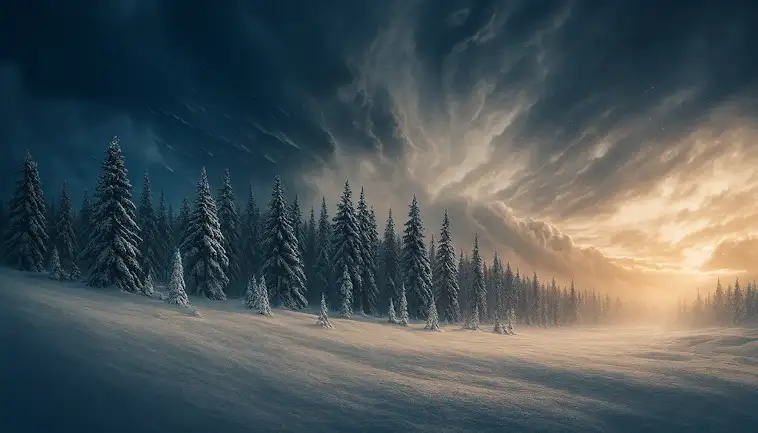
How the Arctic Blast Could Reshape Our Winters
Every few years, we hear about an Arctic blast sweeping across large parts of North America or Europe. It brings icy winds, deep freezes, and headlines warning of record lows. But these cold snaps aren’t just freak weather events anymore—they could be signs of a changing climate pattern that’s reshaping our winters in ways we’re only beginning to understand.
Climate scientists are seeing more evidence that the polar vortex, the swirling mass of cold air that normally stays locked over the Arctic, is weakening. When that happens, it can spill southward, dragging frigid air into regions that aren’t used to such extremes. The result? Longer, colder, and more unpredictable winters.
When Winter Starts Acting Strange
Have you noticed how winter seems to start later but hit harder? That’s not your imagination. Warmer ocean temperatures and melting Arctic ice are disrupting long-standing weather systems. Instead of steady, predictable cold, we’re getting wild swings—mild one week, bitter the next.
This kind of erratic behavior doesn’t just mess with our comfort levels. It affects crops, energy demand, and even transportation. For example, sudden freezes can damage winter wheat, drive up heating costs, and ground flights for days. These disruptions ripple through the economy, touching everything from grocery prices to your monthly bills.
Scientists believe these shifts could become more frequent as the Arctic continues to warm faster than the rest of the planet. In a sense, the Arctic isn’t staying put—it’s coming to us.
Looking ahead, the big question is whether we can adapt quickly enough. Can cities upgrade infrastructure for harsher cold spells? Can we design homes that stay warm without wasting energy? The answers will determine how well we cope with the “new normal” of winter.
The Arctic blast may feel temporary, but its long-term message is clear: our climate systems are changing, and so must we.
The Science Behind Sudden Deep Freezes
Ever wonder why winter sometimes feels like it’s been switched on overnight? One day it’s mild, and the next, your car won’t start, and the world outside looks like an ice sculpture. These sudden deep freezes aren’t just random acts of nature — they’re part of a complex and fascinating chain of atmospheric events.
At the heart of it all is the polar vortex — a swirling mass of cold air that usually sits over the Arctic. When this vortex weakens or breaks apart, icy air escapes and plunges southward, bringing extreme cold to places that usually don’t see such low temperatures.
Another big player is climate change. It’s easy to assume global warming only means hotter weather, but it also disrupts atmospheric patterns. As the Arctic warms faster than the rest of the planet, it can throw the jet stream off balance, allowing frigid air to wander where it doesn’t belong. The result? Sudden, sharp cold snaps that catch cities off guard.
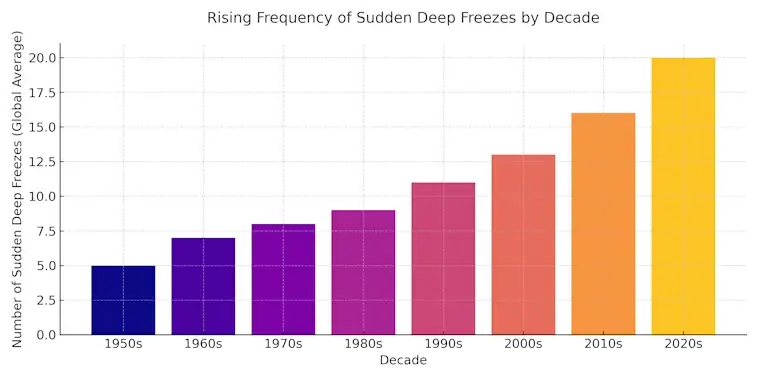
Over the decades, scientists have tracked a noticeable rise in the frequency of these deep freezes, even as average global temperatures climb. This strange mix of warming and freezing is one of the clearest signs that our climate system is becoming more unpredictable.
So, the next time the temperature nosedives overnight, remember — it’s not just bad luck. It’s a signal from a changing planet, one that’s challenging old weather patterns and rewriting the rules of winter.
Why This Arctic Blast Feels Different From the Rest
If you’ve stepped outside lately and felt that biting, bone-deep cold, you’re not alone. This latest Arctic blast isn’t just another winter cold snap—it’s part of a growing pattern that’s catching scientists’ attention and leaving many of us wondering what’s really going on.
The truth is, winter weather is changing. The kind of deep freeze sweeping across regions that usually escape such extremes is becoming more unpredictable, more intense, and—ironically—linked to a warming planet.
Here’s what’s making this Arctic blast stand out:
- Wider reach: The cold air isn’t staying put near the poles. Shifts in the jet stream are allowing frigid Arctic air to spill much farther south than usual.
- Sudden temperature drops: In some places, temperatures have plunged by more than 20° in a single day, putting stress on power grids and communities.
- Warmer Arctic, colder winters: As the Arctic warms faster than the rest of the planet, it disrupts normal weather patterns, creating more frequent “polar vortex” events.
- Heavier snowfalls: The combination of cold air and moisture in the atmosphere leads to intense snowstorms that can shut down cities overnight.
- Lingering effects: Unlike quick cold snaps of the past, this Arctic air tends to stick around longer, making recovery slower and increasing heating costs.
So while the frost on your window might look familiar, the forces behind it are anything but. Scientists are finding that these once-rare blasts could become a more regular part of winter life.
The big question now is how we’ll adapt—because this new kind of cold is here to stay for a while.
What Extreme Cold Means for Everyday Life
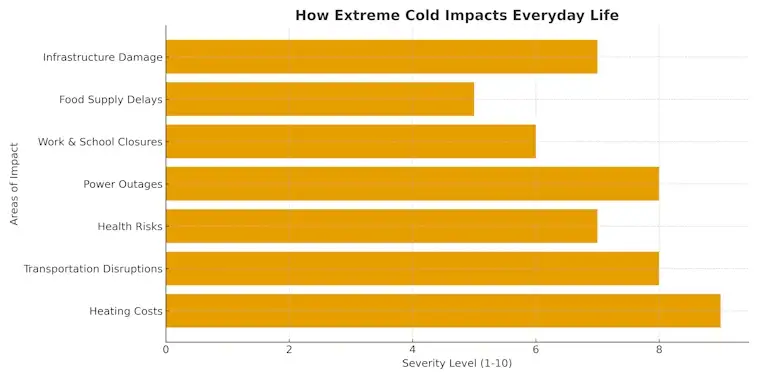
When winter tightens its grip, the cold doesn’t just make us shiver — it reshapes how we live. Extreme cold can turn a normal day into a logistical challenge. Heating bills skyrocket, roads freeze over, and even simple errands can feel like risky missions.
Think about it. A sudden cold snap can slow public transport, strain energy systems, and push families to the brink of discomfort. It’s not just about staying warm — it’s about staying safe, connected, and healthy.
Cold weather also hits communities unevenly. Those without reliable heating or insulation face real danger. Older adults and people with chronic illnesses are at higher risk from hypothermia and respiratory problems. Meanwhile, icy roads lead to accidents, and frozen pipes can shut down essential services.
And yet, these challenges remind us of our resilience. Communities come together. Neighbors check on one another. Cities adapt — from smarter energy grids to better winter planning.
Preparing for a Future of Colder, Wilder Winters
Winter isn’t what it used to be. Some years feel mild, while others hit harder than anyone expected. Scientists say this rollercoaster isn’t random. The warming Arctic is reshaping weather patterns, making winters across North America, Europe, and Asia colder, stormier, and far less predictable.
If that sounds confusing, you’re not alone. It’s strange to think that a warmer planet could bring more snow, ice, and freezing rain. But as the Arctic heats up, the jet stream weakens and wobbles, allowing cold polar air to escape south more often. The result? Brutal cold snaps that seem to appear out of nowhere.
Surviving the Next Arctic Blast
Remember the last time your city froze overnight? Roads turned to ice, heating systems struggled, and grocery shelves emptied fast. Those “once-in-a-decade” Arctic blasts are now happening more often — and they’re lasting longer.
So, what can you do? Start small. Insulate your home better. Keep an emergency kit stocked. If you rely on electricity for heating, consider a backup plan like a generator or solar-powered batteries. Communities are also adapting — upgrading infrastructure, investing in weather-resilient energy systems, and rethinking how to keep people safe during extended freezes.
The takeaway is simple: while we can’t control the weather, we can prepare for it. A little foresight now can make a big difference when the next cold surge hits. The future may be unpredictable, but being ready gives you an edge — and a warmer, safer winter.
The Winter Ahead Is No Ordinary Cold Snap
The next Arctic blast isn’t just another deep freeze—it could be a turning point for how we experience winter. As shifting jet streams and melting polar ice reshape global weather patterns, what once felt rare may soon become the new normal. Colder, longer winters in some regions and unseasonably warm spells in others are signals that our climate system is out of balance.
The question isn’t just how cold will it get—it’s what does this mean for our future? Understanding these changes now helps us prepare, adapt, and push for smarter climate action before extreme weather defines every season.