
Wetland Destruction Is a Growing Global Crisis
Wetland Destruction Is a Growing Global Crisis
Wetland destruction is accelerating around the world, with serious consequences for people, wildlife, and the climate. These ecosystems act as natural water filters, flood barriers, and carbon sinks—yet they’re being drained, filled, and paved over at an alarming rate. As cities expand and agriculture pushes deeper into fragile areas, wetlands are vanishing faster than forests or coral reefs.
The impacts reach far beyond the water’s edge. When wetlands disappear, so do the species that rely on them. Flood risks rise. Carbon escapes. And communities lose a vital defense against drought and pollution. Understanding what’s driving this loss—and what can be done to stop it—is more urgent than ever.

What Are the Causes of Wetland Destruction?
Wetlands are some of the most productive ecosystems on Earth. They filter water, control floods, store carbon, and provide homes for countless species. Yet despite their value, wetlands around the world are vanishing. So, what’s causing this destruction?
The reasons are wide-ranging, but most can be traced back to human activity. Let’s break it down.
Urban Expansion and Infrastructure
As cities grow, wetlands are often drained or filled in to make space for new developments. Roads, shopping centers, and housing projects frequently take priority over environmental preservation. Once a wetland is paved over, it’s nearly impossible to restore it to its original condition.
This kind of land conversion doesn’t just destroy the habitat—it also increases flood risks in surrounding areas. Wetlands act like natural sponges, soaking up excess water during heavy rains. Without them, storms hit harder.

Agriculture and Water Drainage
In many regions, wetlands have been cleared to make way for farmland. Draining these areas allows for planting crops or grazing livestock, but it severely impacts the ecosystem. Nutrient-rich runoff from fertilizers and pesticides also pollutes wetland waters, disrupting delicate food chains.
Even beyond direct clearing, the redirection of rivers and streams for irrigation can cut off the natural water supply wetlands depend on. Over time, that lack of water leads to their decline.
Climate Change: A Growing Threat
While not always as visible, climate change is another major driver of wetland destruction. Rising temperatures and shifting rainfall patterns alter the balance of wetland ecosystems. In coastal areas, sea-level rise can lead to saltwater intrusion, making freshwater wetlands uninhabitable for native species.
Extreme weather—such as prolonged droughts or hurricanes—can also erode or dry out wetlands faster than they can recover.
If we continue down this path, we risk losing not just beautiful landscapes, but vital life support systems. Understanding these causes is the first step to turning things around.
The Hidden Costs of Wetland Destruction on Climate and Communities
Wetlands may not always make headlines, but their loss comes with serious consequences. While the destruction of wetlands often happens quietly, the long-term effects ripple through both the environment and our communities.
These natural ecosystems are far more than just swamps or marshes. They store carbon, protect against flooding, and support biodiversity. When they disappear, we lose far more than green space—we lose one of nature’s most powerful climate allies.
Wetlands as Natural Climate Buffers
One of the most overlooked roles of wetlands is their ability to store carbon. Peatlands, mangroves, and marshes hold massive amounts of it—more per acre than forests. When these areas are drained or destroyed, that carbon is released into the atmosphere, fueling global warming.
In fact, wetland destruction contributes significantly to greenhouse gas emissions. It’s a hidden factor in the climate crisis that often doesn’t get the attention it deserves. Keeping wetlands intact is one of the most cost-effective ways to curb emissions, yet many remain unprotected.

How Wetland Loss Increases Flood Risk
Another major impact of wetland destruction is the loss of natural flood control. Wetlands act like sponges, soaking up rainwater and slowly releasing it. Without them, storms hit harder and floodwaters rise faster—especially in low-lying areas and coastal cities.
The result? More damage to homes, more expensive disaster recovery, and higher insurance costs. In many cases, the communities most affected are already vulnerable. When wetlands vanish, it’s often the people with the fewest resources who pay the highest price.
So while wetlands might seem distant or unimportant, their destruction quietly drives up both climate risks and community costs. Protecting them isn’t just about saving nature—it’s about safeguarding our future.
How Wetland Destruction Threatens Biodiversity Worldwide
Wetlands are biodiversity hotspots. From birds and fish to frogs and insects, these ecosystems support thousands of species—many of which are found nowhere else on Earth. But as wetlands vanish, so do the creatures that depend on them.
Across the globe, wetland destruction is accelerating. Whether it’s due to development, pollution, or climate change, the loss of these ecosystems is creating a quiet crisis for wildlife. And the effects aren’t just local—they’re global.
Endangered Species Lose Their Last Refuge
Many animals rely on wetlands as breeding grounds, feeding areas, and migration stopovers. For some, wetlands are the only habitat they have. As these areas disappear, so do critical lifelines for species already on the brink.
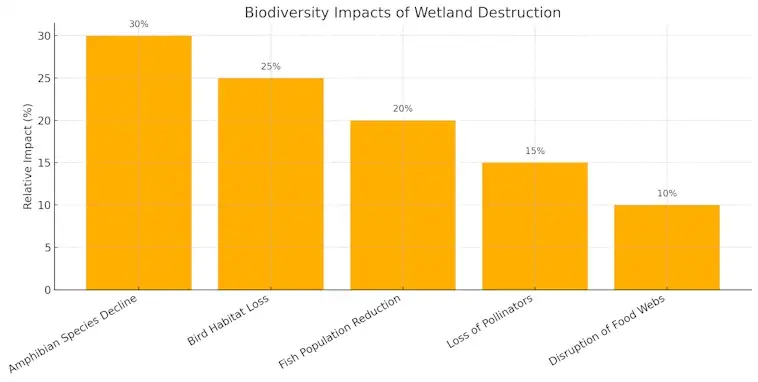
Take amphibians, for example. Frogs, toads, and salamanders are declining worldwide—largely because wetland habitats are drying up or being paved over. Likewise, countless waterbirds and fish species face extinction if their wetland homes continue to shrink.
When wetlands are destroyed, we don’t just lose individual species. We lose entire food webs, and the balance of nature starts to unravel.
A Ripple Effect Through Ecosystems
Wetlands support more than wildlife—they support the systems that keep ecosystems functioning. They help regulate water quality, cycle nutrients, and control pests. When we eliminate wetlands, we set off a chain reaction that weakens nearby forests, rivers, and even oceans.
Pollinators, for instance, depend on wetland plants for food and shelter. As these disappear, so does the stability of plant life in surrounding areas. Fish populations that once thrived in coastal marshes or inland swamps also decline, impacting commercial fisheries and local diets.
It’s all connected. The destruction of wetlands doesn’t just hurt a few animals—it reshapes entire ecosystems in ways we’re only beginning to understand.
Protecting wetlands isn’t just about preserving beauty. It’s about defending the intricate web of life that makes our planet thrive. The stakes are high, but the path forward is clear: conserve what’s left, and restore what we’ve lost.
Can Wetland Destruction Be Reversed? Solutions and Success Stories
The good news is that wetland destruction isn’t always permanent. With the right strategies and strong community support, many damaged wetlands can be restored. Around the world, people are proving that it’s possible to bring these vital ecosystems back to life.
From replanting native vegetation to reintroducing natural water flows, restoration efforts are gaining momentum. And the benefits go beyond nature—they also help people, economies, and the climate.
Nature-Based Solutions That Work
One of the most effective approaches to reversing wetland loss is using nature to heal itself. Restoring the original water flow is often the first step. Many wetlands were drained for agriculture or development, but when water is allowed back in, life often follows.
Replanting native grasses, trees, and aquatic plants also helps bring balance back. These plants filter pollutants, support wildlife, and stabilize soil. In some cases, even degraded wetlands can bounce back surprisingly quickly with minimal intervention.
What’s more, modern technology is helping make restoration smarter. Satellite imagery, AI modeling, and community-based monitoring all play a role in guiding successful efforts.
Real-World Wins from Around the Globe
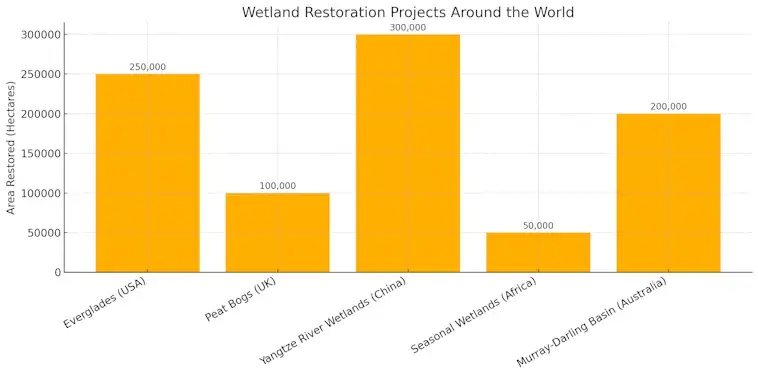
In the United States, the Everglades restoration project in Florida has become one of the largest of its kind, aiming to revive over 18,000 square miles of wetlands. In the UK, efforts to rewet peat bogs have helped reduce carbon emissions and bring back endangered bird species.
In China, the restoration of wetlands along the Yangtze River has helped reduce flooding and boost biodiversity. Meanwhile, communities in Africa are reviving seasonal wetlands to support sustainable farming and fishing.
These success stories prove that with commitment and collaboration, change is possible. Local knowledge, government policy, and environmental science all have a role to play.
Reversing wetland destruction isn’t just wishful thinking—it’s happening now. As more people recognize the value of wetlands, the movement to protect and restore them continues to grow. The next chapter in the story of wetlands is still being written—and it can be a hopeful one.
Why Wetland Destruction Should Matter to Everyone—Not Just Scientists
Wetlands aren’t just for researchers and nature lovers. They touch nearly every part of our daily lives, even if we don’t realize it. From the water we drink to the food we eat and the weather we experience—wetlands play a role. That’s why their destruction isn’t just a scientific issue. It’s a people issue.
And while scientists help us understand what’s at stake, it’s up to all of us to care. The truth is, when wetlands disappear, we all lose something valuable.
Wetlands Help Protect Our Homes
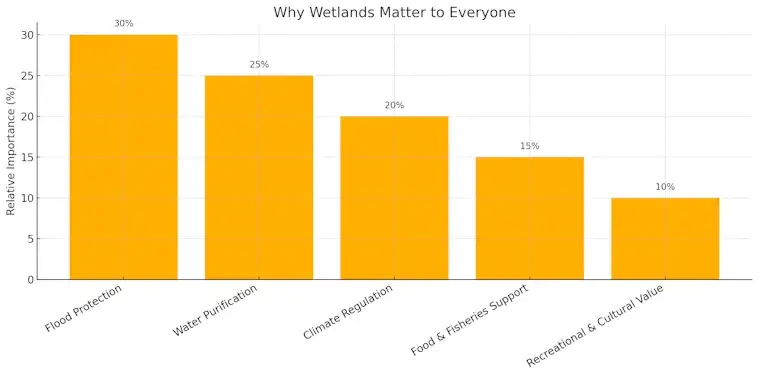
Wetlands act like natural shields. They absorb floodwaters, slow down storm surges, and reduce the risk of property damage. In coastal cities and rural areas alike, wetlands are nature’s insurance policy.
Without them, communities become more vulnerable to extreme weather. Hurricanes hit harder. Riverbanks overflow more easily. And the cost of cleanup—both emotional and financial—can be enormous.
So even if you don’t live near a wetland, their health affects your safety.
Clean Water Starts with Healthy Wetlands
Wetlands are nature’s filters. They trap pollutants, absorb excess nutrients, and keep our waterways clean. That matters for everything from the rivers we fish in to the tap water we drink.
When wetlands are destroyed, those pollutants don’t just disappear—they spread. And that leads to more water treatment costs, more health risks, and more pressure on already stressed ecosystems.
Think of wetlands as invisible infrastructure. You don’t see them doing their job, but when they’re gone, the problems become visible—and expensive—fast.
Wetland destruction isn’t just a loss for science—it’s a loss for society. These ecosystems protect us, feed us, and help stabilize the climate. And that’s why everyone, not just scientists, should care.
The Bottom Line: Wetland Destruction Demands Urgent Action
Wetlands are more than just beautiful landscapes—they’re essential to life on Earth. They protect our communities from floods, filter our water, store carbon, and support a vast range of wildlife. Yet every year, more of these vital ecosystems are drained, paved over, or polluted beyond repair.
This isn’t a distant problem. It affects the air we breathe, the water we drink, and the future we’re leaving behind. The loss of wetlands is a warning sign of deeper environmental challenges—and an opportunity to make things right.
The good news? There’s still time to turn things around. Restoration projects around the world show that recovery is possible when people, policies, and nature work together. But it takes awareness, commitment, and action from all of us.
Whether you live near a wetland or not, your voice and choices matter. Protecting wetlands means protecting ourselves—and creating a healthier, more resilient planet for generations to come.