

The Green Thumb Guide: Harnessing the Power of Natural Fertilisers
Natural fertilisers play a crucial role in sustainable gardening and agriculture, offering an eco-friendly alternative to synthetic options. These fertilisers are derived from organic sources such as compost, animal manure, and plant residues. They not only provide essential nutrients to plants but also help maintain soil health and fertility. Incorporating natural fertilisers into gardening and farming practices is a step towards more sustainable and environmentally friendly agricultural methods. It aligns with global efforts to produce food in a way that can sustain the planet and future generations.
- Environmental Safety: Natural fertilisers break down slowly, releasing nutrients gradually. This minimises the risk of nutrient runoff into nearby water bodies, which can cause harmful algal blooms and aquatic ecosystem damage.
- Soil Health: They improve soil structure, enhance water retention, and increase the biodiversity of soil organisms. These benefits lead to healthier soil that can sustain plant growth over longer periods without the need for chemical interventions.
- Sustainability: Using natural fertilisers reduces the reliance on chemical fertilisers, many of which require significant energy and resources to produce. This shift helps decrease agriculture’s carbon footprint, promoting a more sustainable food system.
The Green Thumb Guide: Harnessing the Power of Natural Fertilisers
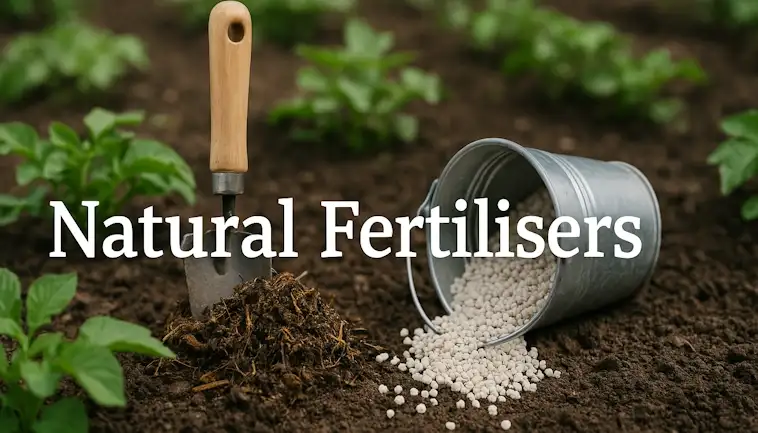
What are Natural Fertilisers?
Natural fertilisers, also known as organic fertilisers, are derived from animal or plant matter and the natural decomposition of these materials. They enrich the soil by adding organic nutrients and improving soil structure. Unlike synthetic fertilisers, which are manufactured from chemical substances, natural fertilisers release nutrients slowly, making them more sustainable and environmentally friendly.
Common Types of Natural Fertilisers
- Compost: Made from decomposed organic materials like leaves, fruit and vegetable scraps, and grass clippings. Compost improves soil structure and nutrient content.
- Manure: Animal waste that is often mixed with hay or straw. It is rich in nitrogen and other nutrients essential for plant growth.
- Bone Meal: A byproduct of animal slaughterhouses, bone meal is processed to create a powdery substance rich in phosphorus and calcium, which are vital for plant development.
- Seaweed Extracts: Derived from marine plants, these extracts are used as liquid fertilisers. They contain minerals, enzymes, and hormones that support plant health and growth.
Biological Processes and Benefits
Natural fertilisers enhance soil and plant health through several biological processes:
- Nutrient Release: Unlike synthetic options, natural fertilisers release nutrients gradually. This slow-release mechanism prevents nutrient runoff and reduces the risk of over-fertilisation, which can harm plants and the environment.
- Soil Structure Improvement: Organic matter in natural fertilisers helps to enhance the soil’s ability to retain water and nutrients. This improved soil structure promotes healthy root growth and increases the resilience of plants against drought and erosion.
- Microbial Activity: Natural fertilisers support a diverse microbial ecosystem in the soil. These microbes play a crucial role in breaking down organic matter, thus releasing nutrients that plants can absorb.
Slow-Release Properties and Their Benefits
The slow-release properties of organic materials offer numerous benefits for plant growth:
- Sustained Nutrient Supply: Plants receive a continuous supply of nutrients over an extended period, which is essential for their steady growth and development.
- Reduced Leaching: Slow nutrient release minimises the risk of nutrients being washed away by rain or irrigation, leading to more efficient use of the fertiliser.
- Enhanced Soil Health: Over time, the ongoing decomposition of organic materials improves soil fertility and health, creating a better environment for plant growth.
Natural fertilisers provide a more eco-friendly and sustainable option for gardeners and farmers. They not only deliver essential nutrients to plants but also improve soil health and support natural biological processes. These benefits make natural fertilisers an appealing choice for those looking to maintain healthy and productive gardens and fields while minimising environmental impact.
Eco-Friendly Aspects of Using Natural Fertilisers
Natural fertilisers offer several environmental benefits over synthetic alternatives. Their use is integral to sustainable agriculture and gardening practices. Here are some of the key eco-friendly aspects of using natural fertilisers:
Reduced Chemical Runoff and Pollution
- Lower Nutrient Leaching: Natural fertilisers release nutrients at a slower rate, which means less nutrient runoff and leaching into nearby water bodies. This slow-release process reduces the risk of water pollution, which can result from the high concentrations of nitrates and phosphates typically found in synthetic fertilisers.
- Decreased Chemical Inputs: By using natural fertilisers, the dependency on chemical inputs is significantly reduced. This not only lessens the chemical load in the environment but also minimises the energy and resources used in the production of synthetic fertilisers.
Enhancement of Soil Structure and Biodiversity
- Soil Structure Improvement: Organic matter in natural fertilisers improves soil structure by increasing soil aeration, water retention, and nutrient availability. Better soil structure allows for deeper root growth and improved plant health.
- Biodiversity Support: The introduction of organic materials helps support a wider range of soil organisms, from bacteria and fungi to earthworms. This biodiversity is crucial for nutrient cycling and the breakdown of organic matter, contributing to a more resilient ecosystem.
Balanced Nutrient Supply and Plant Health
- Sustained Nutrient Release: Natural fertilisers provide nutrients gradually, matching the growth needs of plants more closely than the immediate and often excessive nutrient supply from synthetic fertilisers. This balanced nutrient supply promotes healthier plant growth without the peaks and troughs associated with synthetic inputs.
- Healthier Plants and Higher Yields: The continuous and balanced nutrient supply helps in building stronger plants that are more resistant to diseases and pests. Healthier plants can translate into higher yields over time, especially in organic production systems where soil health is prioritised.
The use of natural fertilisers is a cornerstone of eco-friendly gardening and farming practices. These fertilisers help reduce chemical runoff and pollution, enhance soil structure and biodiversity, and provide a balanced nutrient supply to plants. This approach not only promotes healthier plant growth but also contributes to a more sustainable and resilient agricultural system. By choosing natural fertilisers, gardeners and farmers can play a part in reducing the environmental impact of their practices while still achieving productive and successful cultivation.
Selecting the Right Type of Natural Fertiliser
Choosing the appropriate natural fertiliser depends on the specific needs of the soil and the plants being cultivated. Understanding both factors is crucial for optimal plant health and yield. Here’s how to select the right type of natural fertiliser:
Testing Soil to Determine Nutrient Requirements
- Soil Testing: Before applying any fertiliser, it’s essential to test the soil to determine its nutrient content and pH level. Soil tests can be done through local extension services or with at-home testing kits. These tests provide valuable information about which nutrients are lacking and need supplementation.
- Understanding Results: Based on the soil test results, you can choose a fertiliser that complements the soil’s existing nutrient profile. For instance, if the soil is low in nitrogen, a fertiliser high in nitrogen, like blood meal or fish emulsion, might be recommended.
Methods of Applying Natural Fertilisers
- Top-Dressing: This method involves spreading the fertiliser directly on the soil surface around the plants. It is especially effective for feeding established plants and improving soil structure. Compost and manure are commonly applied as top-dressing.
- Side-Dressing: Fertiliser is applied in a trench or band beside the growing plants, rather than directly on them. This method is useful for providing nutrients to plants during the growing season, particularly for nutrients like nitrogen that plants use in large amounts.
- Liquid Application: Liquid fertilisers, such as seaweed extracts or compost tea, are diluted and applied directly to the plant leaves or soil. This method allows for quick nutrient uptake when plants need a boost during critical growth.
Seasonal Guidelines for Fertiliser Application
- Spring: Apply compost or manure before planting to incorporate nutrients into the soil. This provides a nutrient-rich environment for new plant growth.
- Summer: Use side-dressing for vegetables and other fast-growing plants to support fruiting and flowering. Liquid fertilisers can be used for a quick nutrient boost during high-growth periods.
- Fall: Applying compost or other slow-releasing fertilisers in the fall helps build soil nutrients over the winter, preparing the soil for the next growing season.
- Winter: In colder climates, winter is a good time to plan and test soil, rather than apply fertilisers, as plant growth is minimal and nutrient uptake is low.
Selecting and applying the right natural fertiliser involves understanding the specific needs of your soil and plants. Soil testing is a critical first step, providing the information needed to choose an effective fertiliser. Different methods of fertiliser application—top-dressing, side-dressing, and liquid application—can be used based on the plant’s growth stage and nutrient needs. Seasonal timing is also crucial to ensure that plants receive the nutrients they need at the right time to maximise growth and productivity. By carefully selecting and applying natural fertilisers, gardeners and farmers can enhance soil health, plant growth, and yield in an environmentally friendly way.
Creating Compost at Home
Composting is an excellent way to recycle kitchen scraps and yard waste into a valuable organic fertiliser. Here’s a straightforward guide to starting your compost pile:
Setting Up a Compost Bin
- Choose a Location: Select a dry, shady spot near a water source for your compost pile or bin.
- Select a Bin: You can use a ready-made compost bin or create one using wooden pallets or a simple wire mesh.
Building Your Compost Pile
- Layering: Start with a layer of coarse material, like small sticks or straw, to aid drainage. Add alternating layers of green materials (kitchen scraps, grass clippings) and brown materials (dry leaves, cardboard).
- Maintaining Moisture and Aeration: Keep the compost moist as a wrung-out sponge and turn it regularly to introduce air, which speeds up the decomposition process.
What to Compost
- Greens: Vegetable and fruit scraps, coffee grounds, fresh grass clippings, and plant trimmings.
- Browns: Dry leaves, branches, twigs, eggshells, coffee filters, and tea bags.
Simple Recipes for Natural Fertilisers
In addition to compost, you can create specific natural fertilisers to meet particular nutrient needs:
Compost Tea
- Ingredients: Compost, water.
- Preparation: Fill a bucket 1/3 full of compost and top it up with water. Let the mixture steep for 3-5 days, stirring daily.
- Use: Strain and dilute the tea with more water until it looks like weak tea (usually a 10:1 ratio of water to tea), then use it to water plants or as a foliar spray.
Banana Peel Fertiliser
- Ingredients: Banana peels.
- Preparation: Dry banana peels, then grind them into a powder, or simply cut them into small pieces.
- Use: Mix directly into the soil at the base of plants, or steep in water for a few days and use the liquid as a fertiliser. Banana peels are rich in potassium and beneficial for flower and fruit development.
Eggshell Powder
- Ingredients: Eggshells.
- Preparation: Wash and dry the eggshells, then grind them into a fine powder.
- Use: Sprinkle the powder around the soil to add calcium, which is crucial for preventing blossom end rot in tomatoes and peppers.
Creating your own compost at home is a practical way to convert waste into a resource, enhancing your garden’s soil fertility and structure. Compost tea, banana peel fertiliser, and eggshell powder are just a few examples of homemade natural fertilisers that can provide targeted nutrients to your plants. These simple techniques allow you to nurture your garden in an eco-friendly and cost-effective way, promoting healthier plant growth and a more sustainable gardening practice.
Conclusion
Whether you’re starting your compost heap in the backyard, brewing up some compost tea, or simply saving those banana peels and eggshells, you’re on your way to becoming a true green thumb. Using natural fertilisers isn’t just good for your plants; it’s a fantastic step towards more sustainable living. By tapping into the power of these organic wonders, you’re not only nourishing your garden but also doing your bit for the planet. So, grab those kitchen scraps, pull on your gardening gloves, and let’s turn your garden into a thriving, green paradise.