
Glacier Retreat Is Real, And It’s Accelerating Fast
Glacier Retreat Is Real, And It’s Accelerating Fast
Glacier retreat isn’t just a far-off issue tucked away in the mountains—it’s happening right now, and it’s moving faster than scientists predicted. Massive ice sheets that stood firm for thousands of years are shrinking at alarming rates. Rivers fed by glaciers are running low. Sea levels are rising. And the impact is rippling across the planet.
From rising global temperatures to shifting weather patterns, glacier retreat is both a symptom and a signal of deeper climate changes. What’s unfolding in the coldest corners of Earth is already affecting coastlines, agriculture, and freshwater supplies around the world.
Understanding what’s driving this rapid melt—and what it means for the future—is more urgent than ever.
What Is Glacier Retreat and Why Is It Happening?
Glacier retreat is one of the clearest signs that our planet’s climate is changing. But what does it actually mean?
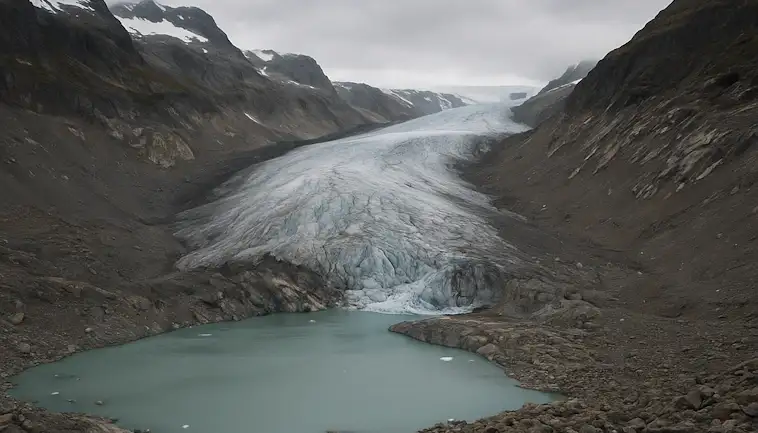
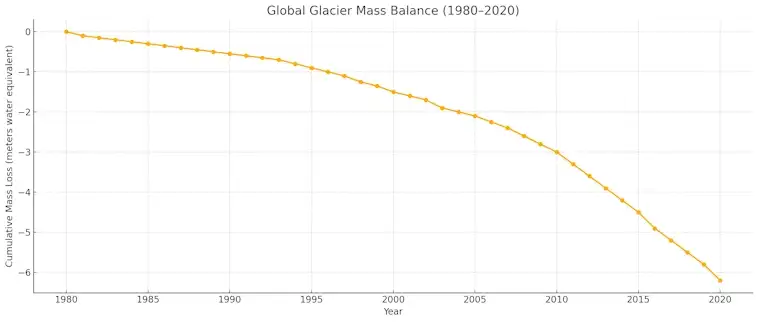
Glacier retreat happens when a glacier melts faster than new snow can accumulate and replace the lost ice. Over time, the glacier gets smaller and pulls back from its original position. This isn’t just a seasonal shift—this is a long-term trend that scientists are tracking across the globe.
Not Just Melting — It’s a Long-Term Loss
You might think glaciers just melt a bit in summer and freeze again in winter. That’s normal. But with glacier retreat, the balance is off. Warmer temperatures are speeding up the melting process, and there’s not enough snowfall to make up for it. Year after year, this leads to the glacier shrinking—not just seasonally, but permanently.
In places like the Alps, the Himalayas, and even parts of Alaska, glaciers are vanishing faster than ever. In fact, satellite images show that some glaciers have already disappeared completely within just a few decades.
Why Does Glacier Retreat Matter?
The retreat of glaciers isn’t just about losing beautiful ice landscapes. It’s a sign that our climate is warming. And it has serious ripple effects.
For one, glaciers act like natural reservoirs. They release fresh water slowly over time, supporting rivers, crops, and communities. When glaciers shrink, that steady water supply becomes unpredictable. Plus, the meltwater adds to rising sea levels, which increases the risk of flooding in coastal cities.
And let’s not forget—glaciers reflect sunlight. When they melt, darker land or ocean is exposed, absorbing more heat and speeding up warming even more. It’s a feedback loop, and not the good kind.
How Glacier Retreat Is Reshaping Our Planet
Glacier retreat isn’t just a distant problem tucked away in mountain ranges. It’s a powerful force that’s actively reshaping our planet—and its effects are being felt far beyond the ice.
As glaciers shrink, they don’t just quietly disappear. They change landscapes, disrupt water supplies, and alter ecosystems that have existed for thousands of years. And the pace of this transformation is speeding up.
Rivers Are Drying Up or Flooding Out
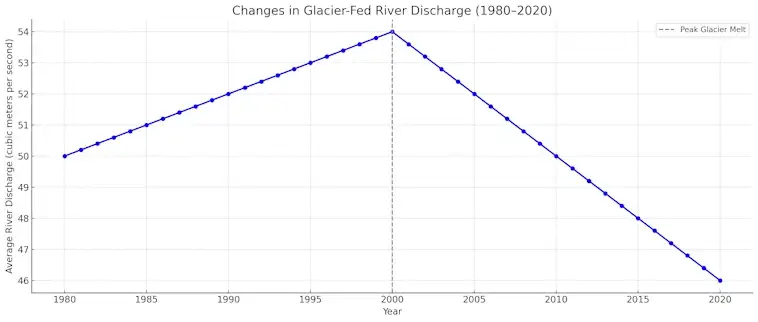
Glaciers are like nature’s water towers. They store water during cold months and release it slowly in warmer ones. But as glaciers retreat, that balance breaks down. At first, you get more meltwater than usual—leading to floods in some areas. Later, when the ice is gone, rivers start to run dry during the summer.
This puts stress on farming, drinking water supplies, and even hydropower systems. Entire communities, especially in places like South America and South Asia, are facing new challenges simply because their water source is vanishing.
Ecosystems Are Being Thrown Off Balance
Glacier-fed rivers support unique ecosystems that can’t exist anywhere else. As glaciers melt away, these habitats are being lost or transformed. Cold-water fish, alpine plants, and even some insect species are at risk because their environment is literally melting beneath them.
At the same time, new landscapes are emerging. In some areas, retreating glaciers leave behind lakes or expose new land that quickly becomes colonized by plants and animals. But while nature is resilient, it can’t always keep up with the speed of change.
The Human Cost of Glacier Retreat
When we talk about melting glaciers, it’s easy to picture remote mountain ranges or icy landscapes far from daily life. But the truth is, glacier retreat has a very human cost—and it’s already impacting millions of people around the world.
From drinking water shortages to rising seas and displaced communities, the effects are real and growing.
Water Security Is Under Threat
In many regions, glaciers act as a vital source of fresh water. They store precipitation as ice and release it slowly, feeding rivers and lakes during dry seasons. But as glaciers shrink, this steady flow becomes unstable.
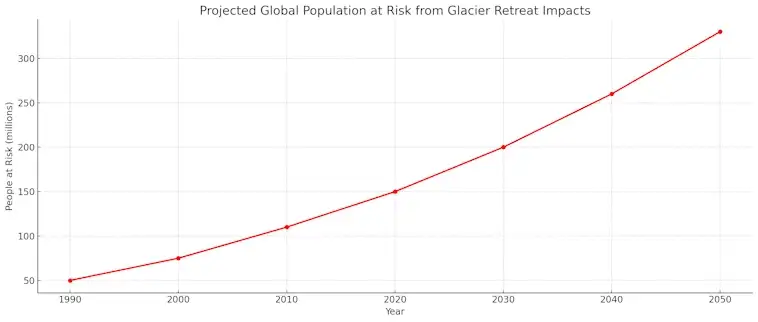
Communities in places like the Andes, the Himalayas, and Central Asia are already seeing changes. During early melt periods, there may be too much water, causing floods. Later in the year, when water is most needed, there’s simply not enough to go around.
This puts pressure on agriculture, drinking supplies, and sanitation—especially in areas with few alternative water sources.
Homes and Livelihoods Are Being Lost
As glaciers melt, they can create unstable lakes that burst without warning. These are known as glacial lake outburst floods (GLOFs), and they can destroy homes, roads, and entire villages in minutes. The people living downstream are often the least responsible for climate change but bear the brunt of its impact.
At the same time, rising sea levels—partly driven by melting glaciers—are making coastal areas more vulnerable to erosion, flooding, and even permanent loss of land. In low-lying nations and island communities, families are already being forced to relocate.
Glacier Retreat and the Climate Connection
Glaciers don’t just melt on their own. They’re reacting to a much bigger force: our changing climate. The connection between rising global temperatures and shrinking glaciers is direct, measurable, and increasingly hard to ignore.
When we burn fossil fuels, we release greenhouse gases like carbon dioxide and methane. These gases trap heat in the atmosphere, leading to a rise in global temperatures. And as the planet warms, glaciers begin to retreat—often faster than scientists once expected.
A Clear Sign of a Warming Planet
Glaciers are among the most sensitive indicators of climate change. In fact, they’re often called “climate thermometers” because they respond so quickly to temperature shifts.
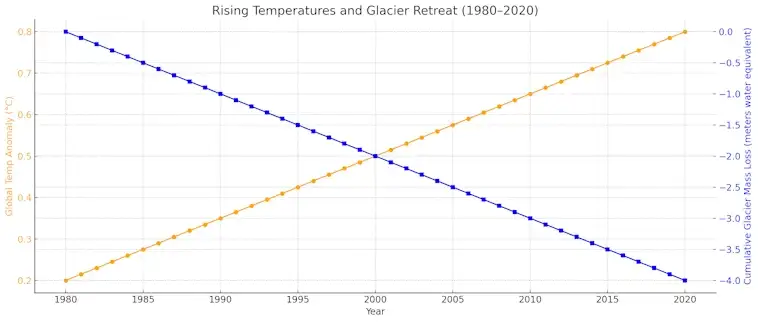
Data from across the world shows that nearly every monitored glacier is losing mass. Some have retreated by kilometers in just a few decades. And what’s alarming is that even small increases in temperature can cause large amounts of ice to melt.
This isn’t just a coincidence. The loss of glacier ice matches up closely with the rise in global average temperatures since the Industrial Revolution.
Feedback Loops Make It Worse
One of the most concerning parts of glacier retreat is that it doesn’t just reflect climate change—it can actually speed it up.
Glaciers are bright and reflective. They bounce sunlight back into space, keeping Earth cooler. But when they melt, darker land or ocean underneath absorbs more heat. This causes more warming, which leads to more melting. It’s a cycle scientists call a “feedback loop,” and it accelerates the problem.
The more glaciers we lose, the harder it becomes to slow down global warming.
Can We Slow Glacier Retreat Before It’s Too Late?
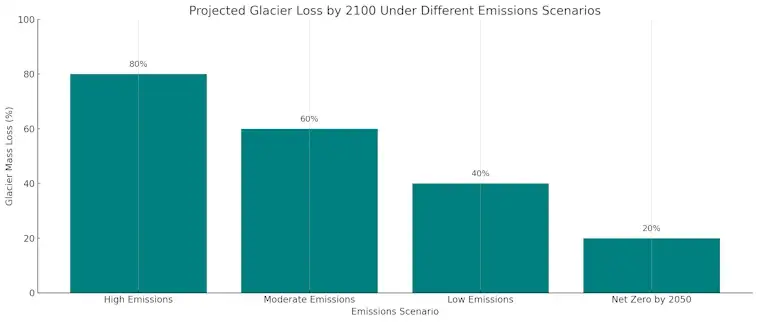
Glacier retreat is a warning sign we can no longer ignore. But the good news? It’s not too late to make a difference. While we can’t reverse all the damage, we can slow the pace of glacier loss—if we act quickly and collectively.
The choices we make today, especially around energy, emissions, and land use, will shape the future of our glaciers and the planet.
Cutting Carbon Is the Most Powerful Tool
The number one driver of glacier retreat is climate change. And the main cause of climate change is greenhouse gas emissions—mainly from burning fossil fuels like coal, oil, and gas.
By shifting to clean energy sources like wind, solar, and hydro, we can drastically reduce the heat-trapping gases in our atmosphere. This doesn’t just help glaciers—it helps stabilize weather patterns, protect ecosystems, and support healthier communities.
Governments play a huge role here, but so do individuals. From driving less and flying smarter to supporting climate-friendly policies, every action adds up.
Protecting Nature Helps Too
Healthy ecosystems act as natural buffers against climate extremes. Forests absorb carbon dioxide. Wetlands store floodwaters. Even soil can hold onto heat and moisture, helping to cool local climates.
Protecting forests, restoring damaged landscapes, and preserving mountain habitats can all contribute to slowing glacier loss. It’s not a silver bullet—but it’s a vital part of the bigger solution.
And as glaciers continue to retreat, investing in local adaptation—like early warning systems and water-saving technologies—can help communities stay safe and resilient.
The Time to Act Is Now
Glacier retreat is more than a symbol of climate change—it’s a visible, measurable shift that’s affecting people, ecosystems, and the future of the planet. From water shortages to rising seas, the impacts are already being felt. And if we stay on our current path, the pace of glacier loss will only increase.
But this isn’t just a story of loss. It’s also a call to action.
By cutting greenhouse gas emissions, protecting natural landscapes, and supporting sustainable practices, we still have a chance to slow the damage. Every decision we make today—no matter how small—can help protect what’s left and build a more resilient world for generations to come.
Glaciers may be retreating, but our commitment to solving this crisis doesn’t have to. The future is still in our hands.