

Surging Pollution Exposure May Destroy Daily Life
Pollution Exposure Is Rising Fast — And the Hidden Threats Could Reshape Daily Life
Pollution exposure is rising fast, and many people are already feeling the strain without fully realizing what’s happening. Air quality shifts from day to day, yet the long-term trend keeps moving in the wrong direction. As these levels climb, they begin to seep into routines that once felt effortless. Morning commutes feel heavier, afternoon walks seem shorter, and even time indoors offers less relief than it used to.
As the pressures grow, so does the impact on health, energy, and overall stability. Everyday tasks can become unexpectedly draining. Neighborhoods that were once comfortable start to feel less secure as the air turns harder to breathe. And because the change happens gradually, it’s easy to underestimate just how much it shapes daily life.
Looking ahead, the stakes get even higher. Rising contamination threatens to disrupt work patterns, weaken community wellbeing, and shift how people move through their days. Yet there is still room to act. With better awareness and stronger choices—both personal and collective—there’s an opportunity to push back and build a healthier future.
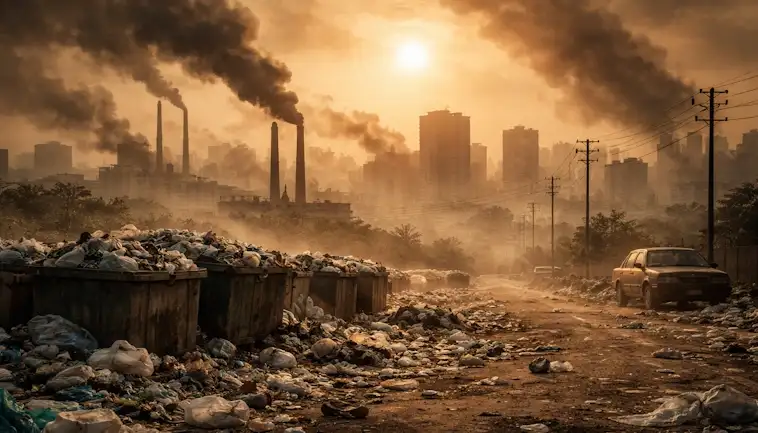
Pollution Exposure: The Rising Threat Behind Everyday Routines
We often think of pollution exposure as something that happens “out there.” Maybe near a busy road or an industrial site. Yet, as we move through our daily routines, we’re now learning that tiny, harmful particles follow us far more closely than we once believed. And this shift matters. It shapes our long-term health in ways we rarely notice in the moment.
Everyday life seems harmless on the surface. We wake up, brew coffee, commute, work, shop, and unwind. But woven into these ordinary tasks are invisible risks. Air quality fluctuates through the day. Indoor spaces trap more pollutants than many people expect. And outdoor environments can expose us to spikes in toxins without any warning.
A Hidden Layer in the Places You Trust Most
What’s becoming clearer is that pollution exposure doesn’t hit only during “high-risk moments.” It’s becoming a steady background force. For instance, the walk to the train station might seem refreshing. However, that same path can expose you to short bursts of ultrafine particles from passing vehicles. Indoors, cleaning sprays, cooking fumes, and poor ventilation can build up levels of pollutants you never see.
This isn’t about fear. It’s about awareness. And once you see how these invisible layers stack up across a day, it becomes easier to make small changes that protect your health. Simple steps like opening windows, choosing lower-emission products, or adjusting your commute can reduce your exposure more than you might expect.
As we look ahead, pollution exposure will continue to shape discussions about public health and city planning. So now is a good moment to understand the role it already plays in your own life. When you recognize the pattern, you put control back in your hands—and that’s a powerful place to start.
Why Our Cities Are Becoming Harder to Live In
Life in our cities is changing fast. And while urban life has always come with a mix of excitement and pressure, many people now feel that daily living is becoming noticeably harder. When we take a closer look, we can see why. Costs are rising. Pollution is creeping into more parts of our day. And extreme weather is now hitting places that once felt predictable and stable.
As you move through a typical day, you might notice small hints of this shift. Maybe it’s the longer commute that used to be quick. Or the heat that lingers into the evening. Perhaps the rent increase that feels out of step with your income. These experiences stack up. Before long, they shape the way we feel about the places we call home.
Even so, understanding what’s changing helps us respond with more clarity. It also gives us a chance to imagine and push for better futures. So let’s look at a few major stressors that are making cities feel tougher to navigate—and why they matter for everyone.
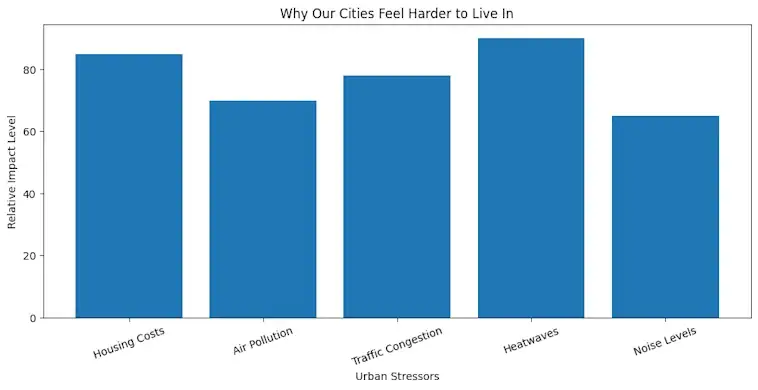
The chart highlights five big pressure points: housing costs, air pollution, traffic congestion, heatwaves, and noise. Each plays a role in shaping how livable (or not) a city feels, and together they paint a clear picture of the challenges ahead.
Pollution Exposure and the Hidden Health Risks We Often Miss
Pollution exposure is something most of us brush off. We hurry through our days, breathing in whatever is in the air without a second thought. Yet the risks often hide in plain sight. And as our cities grow and our routines speed up, these risks grow too.
When we think about pollution, we picture smog-filled skylines or busy highways. But the truth is more subtle. Pollution shows up in the quiet parts of daily life—inside our homes, in the products we use, and even in the places we escape to for fresh air. As a result, many people underestimate how often they’re exposed and what that exposure can do over time.
Let’s make this simple. Pollution exposure affects your body in ways you may not feel right away. However, the long-term effects can build slowly. That’s why it’s worth paying attention now. Small choices today can help protect your health in the years ahead.
Here are a few hidden risks people often overlook:
- Indoor air can hold more pollutants than outdoor air, especially in tightly sealed homes.
- Everyday products—from cleaners to candles—can release chemicals that irritate your lungs.
- Short daily commutes can add up to large amounts of exhaust exposure over time.
- Even green spaces near roads can carry fine particles that drift far beyond the street.
Understanding where these risks hide is the first step. From here, you can make simple changes that reduce exposure and support long-term health. And as awareness grows, so does our power to push for cleaner air and safer spaces.
When we talk openly about pollution exposure, we prepare ourselves for a healthier future. It’s not about fear. But it’s about paying attention, acting early, and giving your body the chance it deserves to thrive.
How Modern Lifestyles Are Fueling a Growing Environmental Crisis
It’s no secret that life today looks very different from just a generation ago. We move faster. Buy more. And we rely on technology for almost everything. Yet, as our daily habits evolve, so does our environmental footprint.
That might sound alarming, but understanding the problem is the first step toward fixing it. And the truth is simple: our modern routines are placing growing pressure on the planet.
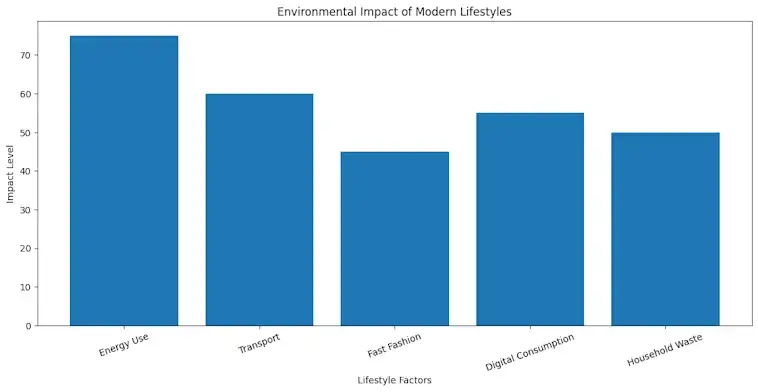
For example, energy use is rising as our homes fill with always-on devices. Transport emissions continue to surge as more people choose private cars or frequent flights. And fast fashion adds a steady stream of waste to landfills. Even our digital lives—something we often assume is harmless—carry hidden environmental costs.
However, this challenge also gives us an opportunity. When we see how our choices stack up, change feels more manageable. And taking small, consistent steps can shift the trend in the right direction.
Below is a chart that breaks down some of the biggest lifestyle factors driving today’s environmental strain. It offers a clear snapshot of where our impact is growing fastest—and where our actions can make the greatest difference.
The Urgent Steps We Can Take to Protect Daily Life
When we think about pollution, it often feels overwhelming. But the truth is, small and steady actions can protect the routines that make daily life feel comfortable and safe. And when we look toward the future, these actions become even more important. They help us build healthier communities and reduce the risks we face each day.
The good news is that meaningful progress doesn’t require major lifestyle changes all at once. Instead, it starts with awareness, simple daily habits, and a willingness to support cleaner choices in our homes and neighborhoods. As more people take part, the impact grows quickly.
Pollution Exposure and Your Power to Reduce It
Reducing pollution exposure begins with recognizing the moments when we come into contact with harmful particles and chemicals. Small shifts—like choosing cleaner transport options, avoiding high-traffic routes during peak hours, or improving indoor air quality—can make a difference right away.
Community efforts matter too. When neighborhoods invest in green spaces, cleaner buses, safer walking routes, or updated building standards, the air gets clearer and daily life becomes healthier for everyone. These improvements also offer long-term protection for families, older adults, and anyone who is more vulnerable.
If you want a clear breakdown of how pollution affects health on a global scale, the WHO offers a helpful overview.
Conclusion: Protecting Daily Life Starts With Awareness
As pollution exposure continues to rise, the risks to daily life become harder to ignore. Yet this challenge also gives us a chance to make smarter choices that protect our health and our future. When we understand how pollution exposure affects our routines, our families, and even our long-term wellbeing, we’re better equipped to push for cleaner spaces and stronger policies.
The path forward doesn’t require perfection. Instead, it calls for consistent, practical steps that add up—choosing cleaner ways to move around, supporting community actions that reduce emissions, and staying informed about the air we breathe. Every small decision strengthens the foundation of our daily lives.
And as more of us take action, we help shift the story from rising harm to rising hope. With steady effort and collective awareness, we can protect what matters most and build a future where clean air is not a luxury but a shared expectation.